


Microneedling with i-PRF for Facial Rejuvenation
Microneedling and injectable-Platelet Rich Fibrin for Skin Rejuvenation and Regeneration
Vesala Anna-Maria DMD, MSc 1; Nacopoulos Cleopatra BSc, DDS, MSc, PhD2
- Invited Lecturer University of Turin. Scientific Collaborator Oral and Maxillofacial Surgery, Athens Dental School of the National and Kapodistrian University of Athens
- Visiting Professor University Federico II, Naples. Scientific Collaborator of Research for the Musculoskeletal System (LRMS), School of Medicine, University of Athens. Director of Cleopatra Clinic Athens
OPEN ACCESS
PUBLISHED: 31 May 2025
CITATION: Vesala, AM., and Nacopoulos, C., 2025. Microneedling and injectable-Platelet Rich Fibrin for Skin Rejuvenation and Regeneration. Medical Research Archives, [online] 13(5). https://doi.org/10.18103/mra.v13i5.6578
COPYRIGHT This is an open-access article distributed under the terms of the Creative Commons Attribution License, which permits unrestricted use, distribution, and reproduction in any medium, provided the original author and source are credited.
DOI https://doi.org/10.18103/mra.v13i5.6578
ISSN 2375-1924
ABSTRACT
Aim: The aim of this systematic review is to evaluate the efficacy of microneedling treatment with injectable-platelet-rich fibrin (i-PRF) for facial skin rejuvenation applications.
Methods: The search approach involved the exploration of electronic databases with an advanced search option applied from April 2021 to April 2025 according to our previous study Vesala et al. We performed a search on Medline, Scopus, Embase, and Web of Science. Our online search conducted according to the following PICO framework: (microneedling) AND (or) OR (needling) OR (face rejuvenation) OR (skin rejuvenation) OR (facial regeneration) AND (injectable platelet-rich fibrin) OR (i-PRF).
Results: The search yielded 2 studies. Both proving that the combination of microneedling and injectable-Platelet Rich Fibrin enhances the patients’ skin texture, color, elasticity, accompanied by a visible reduction in the appearance of soft wrinkles and also leads to the improvement of acne scars.
Conclusion: The findings from these studies have been systematically reviewed, offering a comprehensive understanding of its efficacy and safety profile. Overall, the findings from existing studies are promising; therefore, there is a pressing need for further research to provide more robust evidence and validate the observed outcomes.
Keywords
microneedling, injectable-platelet-rich fibrin, skin rejuvenation, facial regeneration
Introduction
The skin stands as the body’s initial and foremost defense, constantly exposed to a myriad of external stimuli. In fulfilling this vital role, it serves as a robust barrier, crucially protecting against potential injuries and damages 1, 2. Wound healing and aging are natural processes stemming from the skin’s exposure to various injuries and environmental factors. Consequently, the domains of tissue regeneration and rejuvenation emerge as significant areas of focus in clinical practice, aiming to address and enhance the body’s ability to recover and maintain youthful skin vitality 3. Aging in the skin manifests through two distinct mechanisms: intrinsic and extrinsic aging. These processes entail the gradual decline in function and increased sensitivity to stress of the tissues and cell types involved, exerting a profound impact on human life. These changes influence noticeable phenotypic alterations, underscoring the intricate interplay between biological and environmental factors in the aging process 4.
Stem cells occupy a central position in the delicate balance of tissue equilibrium, wielding a profound influence through their extraordinary ability to supplant damaged cells, thus orchestrating the restoration of tissue functions to their optimal state 5. Stem cells, as undifferentiated entities, possess the remarkable capacity to seamlessly replace damaged elements within tissues. They achieve this feat by undergoing differentiation in response to specific stimuli, thereby ensuring the restoration of tissue integrity and function 6, 7. Wound healing unfolds as a meticulously orchestrated series of events, encompassing a multitude of cell types and molecular signals, typically delineated into distinct phases. At the onset, the inflammatory phase takes center stage, orchestrated by the intricate interplay of platelets and a myriad of biological signals 8, 9. Following the inflammatory phase, the wound healing process progresses into the proliferative phase, a pivotal stage where regeneration actively reinstates skin functions. At this juncture, the primary actors are stem cells and fibroblasts, which migrate to the site of damage, diligently tending to the extracellular matrix depot and secreting inflammatory mediators, thereby facilitating tissue repair and restoration 10, 11. Fibroblasts emerge as key orchestrators in the journey of wound closure, bridging the gap from the initial inflammatory phase to the culminating stages characterized by extracellular matrix production. Their tireless efforts are indispensable in rebuilding the skin barrier, essential for restoring the integrity and resilience of the skin 10. Moreover, stem cells play a pivotal role in the intricate process of skin regeneration. They undergo a remarkable journey of proliferation and differentiation, ultimately transforming into keratinocytes and/or fibroblasts, culminating in the vital phase of re-epithelization, essential for the complete restoration of the skin’s structure and function 3, 6, 11.
PLATELET RICH PLASMA VS PLATELET RICH FIBRIN IN DERMATOLOGY
Platelet-Rich Plasma (PRP) has emerged as a valuable tool in the realm of facial rejuvenation, offering subtle yet noticeable enhancements in facial appearance, skin texture, and reduction of wrinkles 12. Nonetheless, its preparation poses a challenge, demanding a meticulous process involving double centrifugation 13. Moreover, the necessary anticoagulants can potentially impede healing by interfering with the natural coagulation process 14. In response to the limitations encountered with PRP, a “second generation” platelet concentrate known as platelet-rich fibrin (PRF) was innovated by Choukroun et al to address some of the challenges associated with traditional PRP therapy 15, 16. Platelet-rich fibrin (PRF) represents a significant advancement, as it is obtained through a single centrifugation process, eliminating the need for anticoagulants and ensuring a fully autologous treatment. Beyond its application in skin rejuvenation, PRF has demonstrated efficacy in treating various dermatological concerns, including facial acne scars 17, melasma 18, and wound healing post-laser ablative treatments 12, 19. Studies have highlighted its role in promoting more efficient and rapid healing processes, making it a promising therapeutic option in dermatology. At present, autologous platelet concentrates find extensive application in facial rejuvenation 20, employed either in conjunction with microneedling for targeted drug delivery or integrated into mesotherapy techniques 12, 19, 21.
In both medical and cosmetic fields, there’s a prevalent utilization of products designed to mitigate age-related complications and enhance the wound healing process 22, 23. Nonetheless, the inherent characteristics of the skin serve as a highly effective barrier, safeguarding against environmental elements and potential harm 3. When it comes to transporting drugs through the skin, their journey follows one of three pathways based on their unique physical and chemical characteristics: the transappendageal route, the trans-epidermal route, or the transcellular route. Each pathway offers its own distinct route, influencing how drugs navigate through the skin’s layers 24. Furthermore, skin permeability is subject to influence by various factors, among which age stands as a significant determinant 25.
MICRONEEDLING TECHNIQUE
Microneedling enhances transdermal drug delivery by creating microchannels, facilitating the penetration of drugs across different skin layers. The depth of penetration is contingent upon the size of the needles used 26. In 2005, Fernandes pioneered the development of the dermaroller, a groundbreaking tool designed for percutaneous collagen induction (PCI) therapy 27. In Percutaneous Collagen Induction therapy, microneedles penetrate the dermis, triggering a cascade of growth factors including fibroblast growth factor, transforming growth factor α and β (TGF-α and TGF-β), and platelet-derived factor. This cascade fosters enhanced fibroblast penetration, crucial for the therapy’s effectiveness. This process instigates the reorganization of collagen fibers by fibroblasts and stimulates the production of new collagen and elastin. By the fifth day following the trauma, a fibronectin matrix emerges, providing a scaffold for collagen deposition. Ultimately, this sequence of events culminates in the rejuvenation of the skin, resulting in a firmer and more resilient appearance 28.
Methods
DESIGN OF THE STUDY
This systematic review was performed based on our previous study Vesala et al 29. The core question was determined according to the PICO framework: “in all patients undergoing cosmetic surgery (P) with microneedling treatment and the use of i-PRF (I) for face rejuvenation (O)”.
INCLUSION CRITERIA
- Randomized controlled trials (RCTs), cohort studies, case-control studies, case series, retrospective studies, and single arms of prospective studies.
- Human studies.
- Articles written in English.
EXCLUSION CRITERIA
- Animal studies
- Articles before April 2021.
SEARCH STRATEGY
The search approach involved the exploration of electronic databases with an advanced search option applied from April 2021 to April 2025. We performed a search on Medline, Scopus, Embase, and Web of Science. Our online search was the same with the previous study and conducted according to the PICO framework: (microneedling) AND (or) OR (face rejuvenation) OR (skin rejuvenation) OR (facial regeneration) AND (injectable platelet-rich fibrin) OR (i-PRF).
STUDY ELIGIBILITY EVALUATION AND DATA EXTRACTION CRITERIA
The search of the literature was undertaken by a single investigator (Vesala AM). Following the exclusion of non-relevant trials, we assessed the eligibility of the remaining publications. From the initial literature search, all article titles were screened to rule out any non-pertinent publications. As a result, several studies were omitted after viewing and reading data contained in their abstracts. Our closing screening eligibility step involved reading the full text in light of both the inclusion and exclusion requirements.
Results
In a clinical study conducted by our research team in 2023, twelve participants with facial wrinkles were recruited, spanning ages from 26 to 71 years old. During the study, participants received three sessions of i-PRF therapy at 4-week intervals. Comprehensive photographic documentation of the patients was conducted at each session without exception, capturing their progression throughout the treatment regimen. Following the completion of the therapy regimen, the results were meticulously evaluated through clinical assessments. Statistical analysis was then conducted on the data collected from all twelve patients, providing a comprehensive understanding of the treatment outcomes. Consequently, the administration of three i-PRF sessions yielded a modest enhancement in the patients’ skin texture, color, and elasticity, accompanied by a visible reduction in the appearance of soft wrinkles. A statistically notable enhancement was observed in both skin elasticity (P = 0.02) and the reduction of soft wrinkles (P = 0.001) (
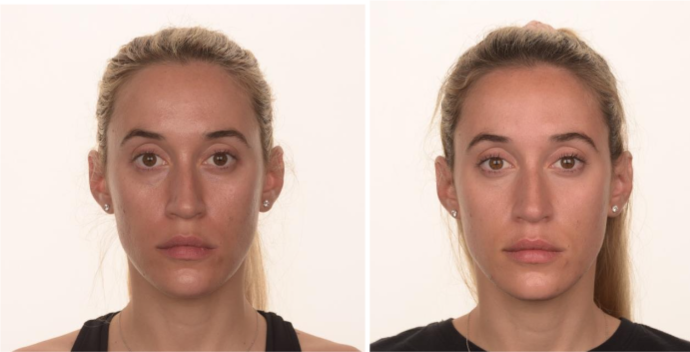
). Throughout all three treatment sessions, no complications were reported, and the treatments were well received by all patients without any adverse reactions. The literature consistently suggests that i-PRF stands as a promising alternative to platelet-rich plasma across various medical settings, showcasing encouraging outcomes particularly within the realm of dermatology 30.
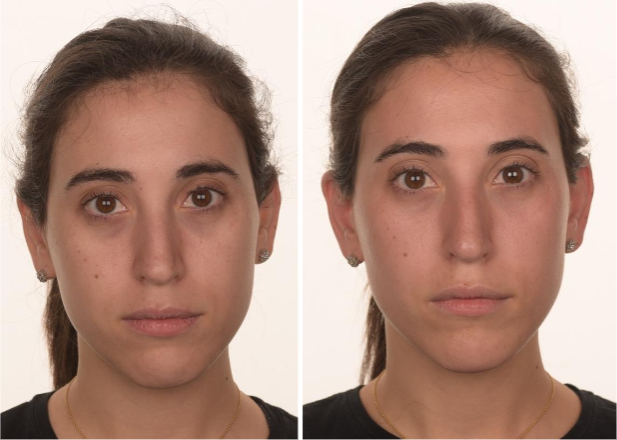
Figure 2. Before and after treatment for dark circles under the eye and skin color improvement.
Krishnegowda et al, conducted a comparative analysis, pitting the efficacy of autologous i-PRF with microneedling against microneedling alone, specifically focusing on atrophic acne scars. A split-face prospective interventional study was undertaken, involving 40 patients afflicted with atrophic acne scars. Each scar on the right side (study) received injections of autologous injectable-Platelet Rich Fibrin, while those on the left side (control) were injected with normal saline. Subsequently, microneedling was performed on both sides. Over the course of four sessions spaced at monthly intervals, patients underwent the treatment protocol, with subsequent follow-up assessments conducted at the two-month mark. To evaluate the outcomes, assessments were conducted employing the Goodman and Baron (GB) scale, alongside physician subjective scores, and patient satisfaction ratings. Consequently, the mean baseline GB grade on each side was recorded at 3.45. By the 24-week mark, there was a notable decrease in the mean GB grade on the study side (1.47, SD 0.56) compared to the control side (3.33, SD 0.53). Furthermore, the mean patient satisfaction score was significantly elevated on the right side (5.95) in contrast to the left side (5.35). Rolling scars exhibited the most favorable response, followed by boxcar and ice-pick scars. Krishnegowda et al concluded that the combination of autologous injectable-Platelet Rich Fibrin and microneedling synergistically enhances the improvement of acne scars 31.
Discussion
The enhancement of facial aesthetics is increasingly being performed by healthcare providers in many countries. This trend reflects a growing preference for minimally invasive procedures as alternatives to traditional surgical rejuvenation techniques. This shift is justified, as surgical excision and suspension methods often fall short in addressing age-related volume loss, asymmetry correction, and natural feature enhancement. Biologic fillers, such as collagen, hyaluronic acid, autologous fat, platelet-rich plasma (PRP), and platelet-rich fibrin, have emerged as logical and potentially effective options for facial restoration. These agents may be applied as stand-alone treatments or in conjunction with surgical interventions. The use of autologous materials for soft tissue augmentation is of particular interest in aesthetic medicine, largely due to the transient nature of synthetic fillers and the associated risk of complications such as granuloma formation and delayed-onset infections from biodegradable substances. Moreover, the oncological safety of exogenously applied growth factors remains uncertain.
In response, autologous platelet derivatives—enriched with biologically active molecules such as platelet-derived growth factor (PDGF), transforming growth factor-beta (TGF-β), vascular endothelial growth factor (VEGF), insulin-like growth factor (IGF), and epidermal growth factor (EGF)—have been the subject of increasing scientific attention over the past decade. These concentrates not only contribute to volume replacement but also promote tissue regeneration by stimulating angiogenesis and enhancing the production of collagen and fibronectin 29, 30, 32. Their chemotactic and mitogenic effects have been demonstrated in a variety of cell types, including monocytes, fibroblasts, mesenchymal stem cells, smooth muscle cells, endothelial cells, and keratinocytes 33.
Blood-derived concentrates are therefore gaining traction as autologous agents in facial aesthetics due to their multifaceted regenerative properties. They provide platelets as a source of growth factors, a fibrin scaffold to support tissue remodeling, plasma proteins that stimulate collagen synthesis, leukocytes that modulate inflammation and healing, and stem cells that contribute to tissue regeneration.
Recent in vivo studies have demonstrated that PRF matrices prepared using low-speed centrifugation concepts (LSCC) result in significantly greater vascularization compared to those produced with high centrifugal forces 34, 35. These findings suggest a higher regenerative potential for LSCC-derived PRF than earlier platelet preparations. Liquid PRF, in particular, acts as a robust autologous source of growth factors, enhancing cell-mediated neovascularization and supporting soft tissue regeneration 14, 20, 23, 30. Furthermore, genetic biomarkers may prove valuable in identifying patient-specific responsiveness to Platelet Rich Fibrin-based protocols in aesthetic applications 23.
Conclusion
Autologous platelet aggregates utilized for skin rejuvenation have demonstrated safety and high tolerability. While Platelet Rich Plasma, the first-generation product, has garnered more extensive attention in the literature, numerous clinical trials and case series have provided valuable insights. The findings from these studies have been systematically reviewed, offering a comprehensive understanding of its efficacy and safety profile 12. Overall, the findings from existing studies are promising; however, the quality of these studies is often deemed low. Therefore, there is a pressing need for further research to provide more robust evidence and validate the observed outcomes. The second and third generation products, namely Platelet Rich Fibrin and injectable-Platelet Rich Fibrin, offer the advantage of easier procurement compared to Platelet Rich Plasma 35. Additionally, preliminary in vitro studies suggest that these products may elicit a greater stimulation of collagen production, particularly under lower Relative Centrifugation Forces (RCF) 36. Nevertheless, the availability of clinical trials evaluating these products remains limited to date. Further high-quality trials with adequate follow-up periods are imperative to furnish the necessary evidence that could enhance treatment protocols involving autologous platelet aggregates 3.
Conflicts of Interest Statement
The authors have no conflicts of interest to declare.
Funding Statement
None
Acknowledgments
Both authors (Vesala AM and Nacopoulos C) wrote the manuscript, conducted the research of the literature and designed the study. This work was carried out in collaboration between all authors. All authors read and approved the final manuscript.
References
- Lu, C.; Fuchs, E. Sweat gland progenitors in development, homeostasis, and wound repair. Cold Spring Harb Perspect Med 2014, 4 (2). DOI: 10.1101/cshperspect.a015222 From NLM Medline.
- Sen, C. K.; Gordillo, G. M.; Roy, S.; Kirsner, R.; Lambert, L.; Hunt, T. K.; Gottrup, F.; Gurtner, G. C.; Longaker, M. T. Human skin wounds: a major and snowballing threat to public health and the economy. Wound Repair Regen 2009, 17 (6), 763-771. DOI: 10.1111/j.1524-475X.2009.00543.x From NLM Medline.
- Bellu, E.; Medici, S.; Coradduzza, D.; Cruciani, S.; Amler, E.; Maioli, M. Nanomaterials in Skin Regeneration and Rejuvenation. Int J Mol Sci 2021, 22 (13). DOI: 10.3390/ijms22137095 From NLM Medline.
- Kirkwood, T. B.; Melov, S. On the programmed/non-programmed nature of ageing within the life history. Curr Biol 2011, 21 (18), R701-707. DOI: 10.1016/j.cub.2011.07.020 From NLM Medline.
- Yurchenco, P. D.; Schittny, J. C. Molecular architecture of basement membranes. FASEB J 1990, 4 (6), 1577-1590. DOI: 10.1096/fasebj.4.6.2180767 From NLM Medline.
- Bellu, E.; Garroni, G.; Balzano, F.; Satta, R.; Montesu, M. A.; Kralovic, M.; Fedacko, J.; Cruciani, S.; Maioli, M. Isolating stem cells from skin: designing a novel highly efficient non-enzymatic approach. Physiol Res 2019, 68 (Suppl 4), S385-S388. DOI: 10.33549/physiolres.934373 From NLM Medline.
- Stadelmann, W. K.; Digenis, A. G.; Tobin, G. R. Physiology and healing dynamics of chronic cutaneous wounds. Am J Surg 1998, 176 (2A Suppl), 26S-38S. DOI: 10.1016/s0002-9610(98)00183-4 From NLM Medline.
- Braund, R.; Hook, S.; Medlicott, N. J. The role of topical growth factors in chronic wounds. Curr Drug Deliv 2007, 4 (3), 195-204. DOI: 10.2174/156720107781023857 From NLM Medline.
- Gainza, G.; Villullas, S.; Pedraz, J. L.; Hernandez, R. M.; Igartua, M. Advances in drug delivery systems (DDSs) to release growth factors for wound healing and skin regeneration. Nanomedicine 2015, 11 (6), 1551-1573. DOI: 10.1016/j.nano.2015.03.002 From NLM Medline.
- Addis, R.; Cruciani, S.; Santaniello, S.; Bellu, E.; Sarais, G.; Ventura, C.; Maioli, M.; Pintore, G. Fibroblast Proliferation and Migration in Wound Healing by Phytochemicals: Evidence for a Novel Synergic Outcome. Int J Med Sci 2020, 17 (8), 1030-1042. DOI: 10.7150/ijms.43986 From NLM Medline.
- Oda, Y.; Bikle, D. D. Vitamin D and calcium signaling in epidermal stem cells and their regeneration. World J Stem Cells 2020, 12 (7), 604-611. DOI: 10.4252/wjsc.v12.i7.604 From NLM PubMed-not-MEDLINE.
- Maisel-Campbell, A. L.; Ismail, A.; Reynolds, K. A.; Poon, E.; Serrano, L.; Grushchak, S.; Farid, C.; West, D. P.; Alam, M. A systematic review of the safety and effectiveness of platelet-rich plasma (PRP) for skin aging. Arch Dermatol Res 2020, 312 (5), 301-315. DOI: 10.1007/s00403-019-01999-6 From NLM Medline.
- Dhurat, R.; Sukesh, M. Principles and Methods of Preparation of Platelet-Rich Plasma: A Review and Author’s Perspective. J Cutan Aesthet Surg 2014, 7 (4), 189-197. DOI: 10.4103/0974-2077.150734 From NLM PubMed-not-MEDLINE.
- Miron, R. J.; Zucchelli, G.; Pikos, M. A.; Salama, M.; Lee, S.; Guillemette, V.; Fujioka-Kobayashi, M.; Bishara, M.; Zhang, Y.; Wang, H. L.; et al. Use of platelet-rich fibrin in regenerative dentistry: a systematic review. Clin Oral Investig 2017, 21 (6), 1913-1927. DOI: 10.1007/s00784-017-2133-z.
- Dohan, D. M.; Choukroun, J.; Diss, A.; Dohan, S. L.; Dohan, A. J.; Mouhyi, J.; Gogly, B. Platelet-rich fibrin (PRF): a second-generation platelet concentrate. Part I: technological concepts and evolution. Oral Surg Oral Med Oral Pathol Oral Radiol Endod 2006, 101 (3), e37-44. DOI: 10.1016/j.tripleo.2005.07.008.
- Dohan, D. M.; Choukroun, J.; Diss, A.; Dohan, S. L.; Dohan, A. J.; Mouhyi, J.; Gogly, B. Platelet-rich fibrin (PRF): a second-generation platelet concentrate. Part II: platelet-related biologic features. Oral Surg Oral Med Oral Pathol Oral Radiol Endod 2006, 101 (3), e45-50. DOI: 10.1016/j.tripleo.2005.07.009.
- Gawdat, H. I.; Hegazy, R. A.; Fawzy, M. M.; Fathy, M. Autologous platelet rich plasma: topical versus intradermal after fractional ablative carbon dioxide laser treatment of atrophic acne scars. Dermatol Surg 2014, 40 (2), 152-161. DOI: 10.1111/dsu.12392 From NLM Medline.
- Tuknayat, A.; Bhalla, M.; Thami, G. P. Platelet-rich plasma is a promising therapy for melasma. J Cosmet Dermatol 2021, 20 (8), 2431-2436. DOI: 10.1111/jocd.14229 From NLM Medline.
- Na, J. I.; Choi, J. W.; Choi, H. R.; Jeong, J. B.; Park, K. C.; Youn, S. W.; Huh, C. H. Rapid healing and reduced erythema after ablative fractional carbon dioxide laser resurfacing combined with the application of autologous platelet-rich plasma. Dermatol Surg 2011, 37 (4), 463-468. DOI: 10.1111/j.1524-4725.2011.01916.x From NLM Medline.
- Nacopoulos, C.; Vesala, A. M. Lower facial regeneration with a combination of platelet-rich fibrin liquid matrices based on the low speed centrifugation concept-Cleopatra technique. J Cosmet Dermatol 2020, 19 (1), 185-189. DOI: 10.1111/jocd.13196.
- Sclafani, A. P.; Azzi, J. Platelet Preparations for Use in Facial Rejuvenation and Wound Healing: A Critical Review of Current Literature. Aesthetic Plast Surg 2015, 39 (4), 495-505. DOI: 10.1007/s00266-015-0504-x From NLM Medline.
- Kim, E. K.; Kim, H. O.; Park, Y. M.; Park, C. J.; Yu, D. S.; Lee, J. Y. Prevalence and risk factors of depression in geriatric patients with dermatological diseases. Ann Dermatol 2013, 25 (3), 278-284. DOI: 10.5021/ad.2013.25.3.278 From NLM PubMed-not-MEDLINE.
- Nacopoulos, C.; Gkouskou, K.; Karypidis, D.; Vlastos, I.; Vesala, A. M.; Choukroun, J.; Miron, R. J.; Prokopakis, E. Telomere length and genetic variations affecting telomere length as biomarkers for facial regeneration with platelet-rich fibrin based on the low-speed centrifugation concept. J Cosmet Dermatol 2019, 18 (1), 408-413. DOI: 10.1111/jocd.12666.
- Trommer, H.; Neubert, R. H. Overcoming the stratum corneum: the modulation of skin penetration. A review. Skin Pharmacol Physiol 2006, 19 (2), 106-121. DOI: 10.1159/000091978 From NLM Medline.
- Batisse, D.; Bazin, R.; Baldeweck, T.; Querleux, B.; Leveque, J. L. Influence of age on the wrinkling capacities of skin. Skin Res Technol 2002, 8 (3), 148-154. DOI: 10.1034/j.1600-0846.2002.10308.x From NLM Medline.
- Dsouza, L.; Ghate, V. M.; Lewis, S. A. Derma rollers in therapy: the transition from cosmetics to transdermal drug delivery. Biomed Microdevices 2020, 22 (4), 77. DOI: 10.1007/s10544-020-00530-3.
- Fernandes, D. Minimally invasive percutaneous collagen induction. Oral Maxillofac Surg Clin North Am 2005, 17 (1), 51-63, vi. DOI: 10.1016/j.coms.2004.09.004.
- Singh, A.; Yadav, S. Microneedling: Advances and widening horizons. Indian Dermatol Online J 2016, 7 (4), 244-254. DOI: 10.4103/2229-5178.185468.
- Vesala, A.-M.; Nacopoulos, C.; Gkouskou, K.; Amenta, F.; Ruga, E. Microneedling with injectable platelet-rich fibrin for facial rejuvenation. Plastic and Aesthetic Research 2021, 8 (0), 53.
- Vesala, A.-M.; Nacopoulos, C.; Karypidis, D.; Ruga, E. Efficacy of microneedling with injectable platelet-rich fibrin (i-PRF) for facial skin rejuvenation. International Journal of Dermatology and Venereology 2023, Publish Ahead of Print, 10.1097/JD1099.0000000000000301. DOI: 10.1097/jd9.0000000000000301.
- Krishnegowda, R.; Pradhan, S. N.; Belgaumkar, V. A. A Split-Face Study to Evaluate Efficacy of Autologous Injectable Platelet-Rich Fibrin With Microneedling Against Microneedling With Normal Saline (Placebo Control) in Atrophic Acne Scars. Dermatologic Surgery 2023, 49 (10), 938-942. DOI: 10.1097/dss.0000000000003893.
- Wang, X.; Zhang, Y.; Choukroun, J.; Ghanaati, S.; Miron, R. J. Behavior of Gingival Fibroblasts on Titanium Implant Surfaces in Combination with either Injectable-PRF or PRP. Int J Mol Sci 2017, 18 (2). DOI: 10.3390/ijms18020331.
- Miron, R. J.; Fujioka-Kobayashi, M.; Bishara, M.; Zhang, Y.; Hernandez, M.; Choukroun, J. Platelet-Rich Fibrin and Soft Tissue Wound Healing: A Systematic Review. Tissue Eng Part B Rev 2017, 23 (1), 83-99. DOI: 10.1089/ten.TEB.2016.0233.
- Kubesch, A.; Barbeck, M.; Al-Maawi, S.; Orlowska, A.; Booms, P. F.; Sader, R. A.; Miron, R. J.; Kirkpatrick, C. J.; Choukroun, J.; Ghanaati, S. A low-speed centrifugation concept leads to cell accumulation and vascularization of solid platelet-rich fibrin: an experimental study in vivo. Platelets 2019, 30 (3), 329-340. DOI: 10.1080/09537104.2018.1445835.
- Wang, X.; Yang, Y.; Zhang, Y.; Miron, R. J. Fluid platelet-rich fibrin stimulates greater dermal skin fibroblast cell migration, proliferation, and collagen synthesis when compared to platelet-rich plasma. J Cosmet Dermatol 2019, 18 (6), 2004-2010. DOI: 10.1111/jocd.12955 From NLM Medline.
- Choukroun, J.; Ghanaati, S. Reduction of relative centrifugation force within injectable platelet-rich fibrin (PRF) concentrates advances patients’ own inflammatory cells, platelets and growth factors: the first introduction to the low speed centrifugation concept. Eur J Trauma Emerg Surg 2018, 44 (1), 87-95. DOI: 10.1007/s00068-017-0767-9.