






Social Skills and Mental Health in Psychology Students
Social Skills, Interpersonal Relationships, and Mental Health
Dr. Alejandro Ochoa Pimienta, Dr. William Gabriel Puga Cobá, Dra. Rosa Maria Tellez Barragán, Dra. Magda Lidiana Sanchez Aranda, Mtra. Fabiola Ibarra Gudiño, Mtro. Alain Jose Valdez Camacho.
Students: Juan Salvador Romero Meza, Madeline Elizabeth Casillas Casillas, Evelym Yamilet Solis Aguiar.
- Doctor
OPEN ACCESS
PUBLISHED: 30 November 2024
CITATION: Pimienta, AO., Cobá, WGP., et al., 2024. Social Skills, Interpersonal Relationships, and Mental Health. Medical Research Archives, [online] 12(11).
https://doi.org/10.18103/mra.v12i11.5964
COPYRIGHT :© 2024 European Society of Medicine. This is an open-access article distributed under the terms of the Creative Commons Attribution License, which permits unrestricted use, distribution, and reproduction in any medium, provided the original author and source are credited.
DOI https://doi.org/10.18103/mra.v12i11.5964
ISSN 2375-1924
Abstract
The academic program of psychology contemplates in its fundamental purposes that the graduated students are capable of developing personal and professional competencies that allow them to promote group processes in the labor, social, educational, and clinical areas through the use of scientific knowledge to carry out diagnosis, implementation, and psychological intervention from a humanistic perspective. Generating recruitment, selection, and training actions for personnel, developing psychological profiles from different work environments based on job and task analysis, and formulating performance evaluation and work environment programs in companies and institutions. I am finally designing and implementing community programs, group interventions, and psychosocial processes that improve the mental health of the population. Consequently, the teaching of the Psychology professional who graduates from the Autonomous University of Nayarit is based on a humanistic perspective since it emphasizes its attention on the development of personal attributes and social skills that will allow graduates the possibility of integrating into the labor market and with the ability to adapt to social and labor demands efficiently. Thus, the academic process carried out by the program students entails an obligation from the beginning to promote interpersonal relationships and the development of social skills. In 2017, professors Dr. Alejandro Ochoa Pimienta and Dr. William Gabriel Puga Cobá were in charge of the disciplinary subject of the Existential-Humanistic Psychological Approach, which aims at a theoretical-practical evolution, that is, it is intended that the student combines three concepts that support the constructivist approach, that is; Being, Knowing and Doing, therefore it is not enough for students to only accumulate knowledge, it is also essential to carry out actions that allow them to influence the contexts in which they are immersed favorably; finally, that they manage to be genuine, human with the capacity to interact with empathy and with total acceptance of intersubjectivity in their field of interaction. This proposal contemplates the human being from an integral perspective, that is, a complete perspective, since it addresses the different dimensions of being: biological, Psychological, Social, cultural, Spiritual, and Educational. Goldstein (1978) argues that social skills are a set of abilities and capacities that vary depending on people, situations, and context. Since this triad becomes a constant of interpersonal contact, these cycles of contact can favor inappropriate behaviors that, in turn, manifest themselves in frictions in daily social relationships, which are immersed in the daily life of the social being. These skills and capacities are applied in basic to advanced and instrumental activities. Consequently, this work aimed to observe the social skills that prevail in groups of university students. Once the tendencies of the six groups contemplated in the Goldstein Social Skills Test (1978) were detected, a more in-depth analysis was carried out; for this purpose and taking advantage of the professional activity of the professors mentioned above, more applications of the same Test were carried out to different groups of people, which allowed to detect a constant behavior about group II of the Goldstein test. Based on the findings obtained, it was possible to theoretically link the trends with the construct of style and quality of life.
Keywords
Social Skills, Interpersonal Relationships, Mental Health, Humanistic Psychology, Psychological Intervention
Introduction
In 2017, I became curious about observing the development of social skills in psychology students taking the humanistic-existential approach course, which is part of the curriculum of the same degree. This concern was motivated by the casual observation of behaviors inside and outside the classroom, in particular, among which were the association of peers in small groups without interacting with others, difficulty expressing themselves in front of the group, nervousness when faced with questions from the teacher, difficulty integrating and participating in group activities, limitation in resolving doubts, speaking in the third person, inability to self-observe one’s achievements, etc.
Thus, since the construct “social skills” is part of the object of study of the cognitive-behavioral approach, it was considered pertinent to begin the analysis based on the following assumptions of humanistic-existential psychology.
- The human being is more than the sum of its parts.
- Man is a unit and naturally tends towards growth and change, such as self-realization or self-actualization.
- The subjective experience of the person is rescued and is fundamental.
- The purposes and meanings of the person are a priority.
- The human being is aware of his being and his existence.
- Human beings can decide and build their person and their world.
- The human being is intentionality.
- The human being is good by nature.
- The most important thing for the human being is the here and now.
The test contemplates six groups of skills, and they are framed as follows:
- Social skills.
- Advanced social skills.
- Skills related to feelings.
- Alternative skills to aggression.
- Skills to cope with stress.
- Planning skills.
After the test was applied and the results of the social skills were analyzed, a tendency above the average was observed, which allows us to infer that the students evaluated have adequately developed their skills; however, in group number two (Advanced social skills), it was found that it was the least deployed.
Among the behavioral characteristics that can be strengthened are:
- The ability developed over time to ask for help or support when a difficulty arises.
- The possibility of choosing how to join a group to participate in a specific activity.
- The arguments and dialogic resources clearly explain to others how to do a particular task.
- The determination to pay attention to instructions, ask for explanations, and carry out actions based on previous instructions.
- The willingness to assume the responsibility of apologizing to others for an involuntary error.
- Argumentative resources to persuade others that their ideas are viable and valuable.
Once the findings were located, the trends were theoretically linked to the style and quality of life construct. That is, to establish, through arguments solidly studied from the physiological and social perspective, how these social skills, when reliably developed, can contribute to the improvement of an adequate self-concept and self-confidence with sufficient potential to reduce perceived vulnerability to people, situations, and contexts to strengthen the ability to cope with everyday life, reflected in turn in a significant reduction of alexithymic symptoms and consequently of repressive and depressive traits.
Educational Perspective
From the humanistic perspective, it is considered that the individual is capable of developing different social skills and behaviors throughout his existence that often imply a relationship with others. From the moment he is born, human beings experience maturing processes that accompany them and last for the rest of their lives. These processes have been studied scientifically and can be observed in everyday life since some characteristics that are acquired in early stages prevail and remain in him, no matter what stage he is in; a clear example of this is when an infant is considered socially as “insecure” because he presents episodes of fantasy, shyness and isolation, mutism, etc. Due to multi-family situations that alter his life course and that primarily do not correspond to his natural process, to face the conditions that are presented to him, he adopts adaptive resources that manifest themselves in defensive behaviors, such as narcissistic and even antisocial behaviors. Now, these characteristics are considered as a reference. In that case, it can be predicted that when the child in question acquires the characteristics of an adult, he will retain his traits of “insecurity.” Therefore, he may show reluctance in his interpersonal relationships. Unless, of course, he receives a specific intervention to attenuate this alteration.
Researchers Papalia, Wendkos, and Duskin (2010) consider human development to be the scientific study of the processes of change and stability contained in the human being and that can remain so for the rest of his life.
On the other hand, education, in its different aspects, is a method used to incorporate knowledge, guide assets, and guide duties in children, young people, and adults so that these resources can be shared from generation to generation. However, establishing a precise definition of education still needs to be determined since many definitions exist. Still, as a whole, they agree that it is a vital process for every human being since it contributes significantly to social development based on the structuring of human moral conduct.
A relevant agent immersed in the educational process is precisely the teacher. His knowledge and behavior are essential, as his performance in front of the students will model performance patterns not only educational but also social and even professional. Thus, teaching influences and transcends all the spheres in which human beings are immersed.
Social Perspective
Social skills involve very complex mental processes since, in their execution, the human being makes use of his proprioceptive capacities since it requires decoding all the information that he can perceive through phonetic, semantic, syntactical, and pragmatic codes, which arise at the moment of establishing a dialogical relationship necessary for a conversation to take place, a resource required to establish a relationship with another person. In this sense, every time a dialogue begins, the participants of the same, will have to continuously interpret all those signals that are emitted either verbally or corporally; once the decoding and, therefore, understanding of the messages received has been achieved, the participants, depending on what they have understood, will be able to experience a great diversity of sensations which will manifest themselves in behaviors of either openness or closure due to the discursive activity. For this reason, it is possible to point out that language is critical for the beginning of social skills since they are part of the needs of the individual (Wiemman, 2011).
Therefore, given their relevance to human development, interpersonal relationships must be observed from different perspectives, such as sociology, education, human development, and social psychology. Each of these, from its field of observation, describes and explains precisely the particularities immersed before and after interpersonal relationships are carried out.
Throughout life, humans establish numerous relationships through which they exchange their way of seeing and feeling life and share needs, affection, and interests. Social skills are considered to be the constant and permanent search for positive coexistence between individuals, regardless of age, religion, race, or culture.
The origin and historical development of the study of interpersonal relationships formally began with the studies carried out by Thorndike back in 1920, who, at the dawn of his research, coined the term “social intelligence” to refer precisely to the capacity that human beings have to understand and interact with the social environment.
A decade later, in 1930, Jack (1934), Murphy, Murphy and Newcomb (1937), Page (1936), and Williams (1935) continued with the studies on the same subject. Still, they focused on analyzing some aspects of social behavior, concentrating on children. According to these authors, at this stage of human development, the child seeks social acceptance, which is why he exhibits responsible behavior and kindness to other people, among other behaviors. From this perspective, it is essential to highlight the book written by Murphy (1937), in which he mentions that in some studies carried out on children regarding social behavior, he highlighted that these children frequently showed assertive behavior whenever they were faced with behaviors classified as offensive or annoying to society.
Regarding the definition of “interpersonal relations,” various researchers, scientists, and educators define it depending on the point of view of the approach in which they are situated. Pelechano (1991), on the other hand, uses the concept of interpersonal skills to refer to a pattern of responses that provides the subject who emits them with personal recognition with sufficient effectiveness to control impulses and thus allow the person and others to use socially acceptable communication resources.
When a human relates to others, he will listen to and probably understand others, and he also expects to be listened to and understood. However, difficulties in relationships between individuals are almost always related to a lack of self-esteem and appreciation. That is, the individual cannot feel empathy for himself; therefore, showing it to others is difficult.
However, as has been mentioned, throughout his existence, humans maintain different types of relationships in which they develop bonds. The family of origin is the first link where people acquire the first resources immersed in communication. In this nucleus, one learns to express and develop the ability to communicate with others. This is a vital process for human development since the individual grows in an environment that promotes freedom of verbal, physical, and emotional expression from an early age. However, suppose the climate is dominated by an environment that violates such possibilities. In that case, it is very likely that as the child develops both physically and mentally, they will probably do so with traits of insecurity that will become evident both in the way they relate to and communicate with the people around them, which could translate into hesitant, fearful and even aggressive behavior. On the other hand, if the environment is dominated by behaviors that model and promote warmth, respect, and the teaching of positive values, it is very likely that in that environment, the child will feel free to express what they think and feel.
After family, friends inspire the most confidence. With whom the individual exchanges ideas and identifies, children often develop a type of communication different from that used in the family because the rules of communication and relationships between peers are more lax. Therefore, it is comfortable and easy for them to establish bonds of friendship and even affection that allow them to stay together for long periods.
Now, about interpersonal relationships between adolescents, the family stops having as much influence on young people because, precisely at this stage, young people experience a greater need for independence; therefore, During adolescence, young people often begin to distance themselves from their families. This is a natural and sometimes necessary part of life, even though it may be hard for some to understand. Children rely heavily on their parents for resources and guidance, which can lead to impulsive behavior and limit opportunities for self-reflection. This self-discovery is crucial for young people to identify their interests, values, and priorities, including choosing friends, music, clothes, and activities. They must make their own decisions and learn from their successes and mistakes.
Conflicts between parents and children are common during this stage, as young people seek more independence and time for relationships. Parents may try to enforce old rules that no longer fit their children’s changing academic, social, and recreational interests. Both parents and children must establish new rules that promote healthy coexistence, human values, and free will in relationships. They need to recognize the significance of open communication and mutual understanding, according to Betina L. Contini E. (2004).
Adolescence is a time for first love and close friendships within peer groups. Friendship satisfies the need for social belonging and helps develop personal discovery and self-esteem.
One aspect of interpersonal relationships to highlight is communication since, through it, the individual can exchange his ideas, values, and experiences and transmit feelings, attitudes, and support to better understand his peers.
Education is another approach that is presented and affects the interpersonal relationships of young people, children, and adults. Initially, education was present in various areas, but in a certain way, it was not formally considered education; in these areas, we can point out an example: when a parent teaches his child the tasks of the home or family work. That would be, education per se has a human and social sense since as the generations pass, young people and children acquire the uses and customs, habits and experiences, ideas and convictions of the adult generations.
In the early days of education, institutions were intended to form knowledge and awareness of cultural life in youth. At this stage, education has an intentional influence, carried out on the younger generations and reinforced by specialized people, concerning various social, religious, economic, political, etc., purposes in places appropriate for their multiple purposes.
Social skills and interpersonal relationships
In 1943, Abraham Maslow introduced a theoretical framework in which he suggested that humans have specific needs that take priority over others. He explained that if a person were hungry or thirsty, they would seek to quench their thirst before eating, as thirst is more urgent than hunger. Maslow organized these needs into five categories: physiological needs, security needs, need for love and belonging, need for esteem, and need for self-actualization.
The need for love and belonging arises once physiological and security needs are met. This need refers to the desire for love, social integration, friendship, family, community, and belonging. The absence of social belonging can lead to loneliness and social anxiety. These needs are evident in everyday life as people seek to form relationships, families, communities, and social groups.
In social psychology, Baron and Byrne (2005) described the factors contributing to interpersonal attraction. They highlighted physical proximity, positive emotions, acceptable observable characteristics, and the need for affiliation as critical elements. Additionally, the degree of similarity between individuals in activities, beliefs, values, interests, and skills plays a significant role in attraction.
Celedonio Castanedo and Gabriela Munguía, in their book “Diagnostic, Intervention, and Research in Humanistic Psychology” (2010), concluded that all human beings, regardless of social, cultural, and historical differences, share the exact interpersonal needs.
Thus, physical proximity, people’s emotional state, observable pleasant characteristics, and the need for affiliation establish interpersonal relationships. These gradually become imperative social needs for human beings.
Then and after, interpersonal relationships are established, given that the group is oriented towards a specific goal, whether in the family, social, work, leisure, etc., environment. Their consolidation requires working under a scheme of complete acceptance of the activities to be carried out regardless of the demands that these entail. Implicitly, social action guidelines will be incorporated to govern the activity. Consequently, the same activity can lead to the appearance of personal problems. However, the same differences can be solved efficiently with social skills. This is so as not to affect the level of motivation of those involved and to maintain stability and enthusiasm for the activity, thus giving rise to an atmosphere of work and coexistence that tends to favor social relationships.
Social cognition
Social cognition is how humans interpret, analyze, remember, and use information about the social world. It expresses how data is processed to understand the environment and thus act adaptively. This often occurs automatically (Barón and Byrne, 2005). In this way, humans are capable of doing two things at the same time. By possessing these attributes and skills, humans can perform two activities simultaneously. In other words, they can work and, at the same time, socialize with coworkers. Although everything starts with the decision to get involved in a lucrative activity, a relationship of companionship is produced in parallel since a good part of the action usually carried out in the work environment involves joint tasks. Therefore, working with a great diversity of personalities is necessary since many work routines require group work. For the same reason, people are tacitly forced to perform social behaviors even though they are not aware of it because, as Barón and Byrne (2005) mention, the cognitive capacities used towards socializing attitudes are limited since workers focus on productive activity.
According to the field theory proposed by Lewin (1936a), this phenomenon is caused by people’s heterogeneous structure, which is divided into separate, interconnected, and interdependent parts. Therefore, their perceptual system usually works in a unified way; a person can attend to and perceive only one thing at a time.
Likewise, this same field theory maintains that people live in a homogeneous or undifferentiated environment in which all the facts influence the same way the person immersed in a vital space represented by a differentiated person and surrounded by a differentiated environment. This means that two people can be very close to each other, to the point of sharing a common space, and still not influence or be accessible. Consequently, people who share activities and interests in the same space, concentrating all their energy on a single task, stop paying attention to prosocial behaviors, which are equally necessary for social interrelation. This causes people to present a state of information overload due to the dynamics of the interrelation between colleagues, which in turn increases psychological reality and therefore increases cognitive demands since they consciously only resolve work demands and leave aside social ones, which in the end causes a limitation in the development of social skills.
Another aspect that could influence cognitive schemes refers to mental maps, also known as schemas, according to Barón and Byrne (2005). Mental structures help organize social information and guide the processing of this information, which means that all individuals with adequate cognitive development can relate past experiences with current ones; however, the effects that these maps usually have in daily life are not always favorable from the point of view of their precision, so errors are likely made in the perception of others. This could be reflected in any field when people, according to previous experiences, consider that work is only the execution of work tasks when, in reality, it implies other equally relevant aspects, such as social interaction; that is, everyone lives with social and work situations. Therefore, it is necessary to separate the action according to the type of coexistence being presented. In this exact scenario, these two demands can be given. It is essential to realize what action is needed to face a particular situation and not assume that only the tasks implicit in the workday matter because one continues working. Consequently, a limit is established in developing friendship ties or at least harmonious relationships between colleagues that sooner or later transcend in the emotional state with manifestations of dysfunctional behavior.
Barón and Byrne (2005) mention, among other things related to the ability to socialize, that these schemes are molded by culture, which favors the development of each person’s sense of belonging. In this regard, the “Three-dimensional theory of personality” created by Schutz (1960) is based on the premise that every person or group psychologically pursues three basic needs: inclusion, control, and affection. These needs contain social, group, personality, and physiological manifestations.
Schutz focuses his theory on the awareness of interpersonal relationships. Awareness or consciousness is a basic notion of humanistic psychology, which postulates that one of the main characteristics of a psychologically healthy individual is the ability to maintain a high awareness of himself and the world around him. (Castanedo, 2003).
William Schutz (1958) pursues three objectives in his approach:
- Theoretical. To present the current state of the theory of interpersonal behavior related to the theory of psychodynamic personality and from which experimental hypotheses are derived.
- Empirical. The results obtained in 15 unpublished investigations will be presented, providing the empirical basis for the three-dimensional theory of interpersonal behavior.
- Methodological. To present an approach to the problem of applying techniques of logic and philosophy of science to the problem of behavioral science.
The three-dimensional theory of personality analyzes the close relationship between how people act as adults and how their parents behave towards them, so it establishes two principles that constitute the postulate of relational continuity. The first principle is constancy, which represents how people act when they become adults and how their parents behave towards them. The second principle is called identification, which consists of identifying a particular action pattern. From there, all group members adopt the same behavioral patterns since they learn certain behaviors or attitudes that are customary in a certain micro-society. When the same behaviors or attitudes are executed in a different scenario than the original one, they are usually considered foreign to the group and become foreign to everyone, causing mental resistance that limits interpersonal relationships.
This behavioral tendency is due to three basic cognitive processes: attention, encoding, and recovery. The first refers to the perceived information, such as the fact that workers perceive themselves as rivals because cognitive schemes act as a filter, in which the info previously had is related to what is currently being obtained. Encoding is the process through which received information is stored in memory. In this sense, the sensations and emotions associated with the same experience are also stored so that if someone experienced an experience in their early years, it is related to the rivalry between family members. It generated unpleasant emotions, it is likely that now in the present time, they will experience a similar situation.
For the same reason, they continue to think that those who emit the same behavior are their rivals; this is because the information captured with more emotional intensity tends to predominate among those experiences without greater emotional nuance, and for the same reason, more attention is given to it. It is stored in long-term memory with all the emotional energy with which it was experienced. Finally, recovery is the process through which the information stored in memory is recovered and used. Another notion that is important to consider refers to the heuristic concept of availability, described by Baron and Byrne (2005) as: “A strategy for forming judgments based on the ease with which certain types of information are brought to mind.” People tend to make judgments about someone in particular either because other people provide information based on their perception, which is therefore very subjective, which in turn causes such information to be sometimes unreliable since the perception that is usually had at first glance of others prevails. However, this common practice has a high degree of error. Likewise, if an altercation or argument has been experienced over time with someone in particular, they are usually remembered more easily since, as explained above, the experience and emotional nuances associated with the experience are stored, depending on the previous experience, judgments, or appreciations of the facts experienced in the present are usually made, and this generalized tendency usually influences current judgments, appreciations, and decisions, consequently causing a deterioration in the relationship with others. Another outstanding theme is the influence of cognition on affect since human relationships can be significantly influenced by the present mood. When an individual is in a good mood, he seeks to maintain that state. One way to do so is by showing solidarity with and helping others, which can develop good relationships.
With the above described, it can be concluded that learning oriented to control and regulate emotions is usually an essential task because adverse events, which are inevitable in every human being, tend to influence the thoughts that one has towards others; therefore, it is necessary to learn to confront the negative feelings that one might experience since in this way good relationships between people can be built and the possibilities of socializing with others can be expanded.
Methodology
The procedure for data collection was established by carrying out the Goldstein Test. For this purpose, the students to be evaluated were previously informed about the content of the test, and they were given instructions for completing the test.
The duration of the test ranged between twenty and thirty minutes. Once they finished the test, they were told to use a rule of three to calculate the percentages obtained in each group, as well as the weighted sum. Once the data collection was completed in all groups, the information was integrated using descriptive statistics in order to find the relative and accumulated frequency, with the aim of finding the central tendency measures. The trends were then analyzed and the same were carried out with theoretical postulates from different epistemic positions.
Instrument
Goldstein Test of Social Skills and tendencies found in diverse groups
The test used consists of 50 items and is divided into six groups, which are;
| Groups | Areas | Items |
|---|---|---|
| I | Early social skills | 1-8 |
| II | Advanced social skills | 9-14 |
| III | Skills related to feelings | 15-21 |
| IV | Skills alternatives to aggression | 22-30 |
| V | Skills to cope with stress | 31-42 |
| VI | Planning skills | 42-50 |
The initial population of students evaluated
| Students per group | Female | Male |
|---|---|---|
| Group 1 | 16 | 4 |
| Group 2 | 17 | 4 |
| Group 3 | 13 | 1 |
| Group 4 | 19 | 8 |
| Group 5 | 11 | 2 |
| ∑ per groups | 76 | 19 |
| % | 80 | 20 |
The results of the five groups evaluated
| HS | I | II | III | IV | V | VI |
|---|---|---|---|---|---|---|
| Group 1 | 70 | 67 | 71 | 72 | 69 | 78 |
| Group 2 | 73 | 71 | 69 | 72 | 68 | 79 |
| Group 3 | 67 | 65 | 71 | 70 | 65 | 69 |
| Group 4 | 71 | 66 | 69 | 69 | 68 | 76 |
| Group 5 | 63 | 54 | 57 | 65 | 77 | 60 |
| ∑ | 344 | 323 | 337 | 348 | 347 | 362 |
Average per group
| 68.8 | 64.6 | 67.4 | 69.6 | 69.4 | 72.4 |
|---|
As seen in all the groups considered in the Goldstein test, the population evaluated is above average in developing social skills. However, group # II is the least developed, and group # 6 has the most significant development.
Subsequent analysis in five groups of different ages and occupations
After the analysis carried out in 2017 on psychology students at the Autonomous University of Nayarit, which was published in the electronic psychology journal Iztacala in 2019. Other evaluations were carried out on other groups of different occupations and ages. It caught our attention that a downward trend was manifested in group II of HS, hence the concern to investigate other groups of people with different occupations and ages. The groups observed subsequently are shown below.
- Agricultural engineers and agricultural workers
- Psychology Students Generation 2021
- Members of the Electoral Executive Committee
- Academic tutors
- Lawyers magistrates
The total number of people evaluated was 172, which was added to the initial analysis, accumulating 267 people from different age groups and occupations. As a result of the above, it was found that all those evaluated showed a downward trend in group II, corresponding to Advanced Social Skills.
Which is shown in the following graph
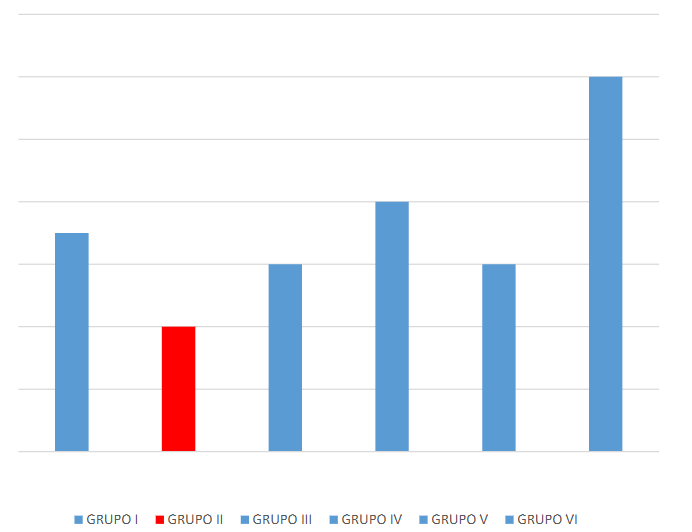
Now, for practical purposes, it will be necessary to point out what advanced skills consist of, which specifically consist of:
- Asking for help
- Participating in group activities
- Giving instructions
- Following instructions
- Ability to apologize
- Convincing others.
The Goldstein Social Skills Test establishes that social skills are behaviors adopted in the family and the first school and social incursions; these skills facilitate the possibility of relating efficiently and satisfactorily. This skill’s preeminence is that it favors being competent in society. Not being socially competent is related to alterations in mental health, which manifests itself in depressive tendencies and behaviors of Low self-acceptance, social isolation, School problems, and youth maladjustment: Low levels of school performance, school dropout, and juvenile delinquency. Personal issues: low self-esteem, Psychological imbalances, helplessness. Alcoholism, suicide, drugs, etc.
Discussion and analysis
From the humanistic perspective, it is considered that the individual is capable of developing different social skills and behaviors throughout his existence that imply a relationship with others. Education, which shapes human beings, can be seen in only two ways: education aims to develop socially acceptable skills that facilitate behaviors by social, legal, and moral norms that promote harmonious interactions. Or unacceptable education where people adopt inappropriate behaviors capable of violating social criteria. Education then becomes the leading manager of interpersonal behavior.
These skills involve very complex mental processes since, in their execution, the human being makes use of his proprioceptive capacities since it requires decoding all the information that he can perceive through phonetic, semantic, syntactical, and pragmatic codes, which arise at the moment of establishing a dialogical relationship necessary for a conversation to take place, a resource required to establish a relationship with another person. In this sense, the participants must continuously interpret all verbal or corporal signals every time a dialogue begins. Once the messages received have been decoded and understood, the participants can do so, depending on their understanding.
Experience a great diversity of sensations, manifesting themselves in behaviors of openness or closure due to discursive activity. For this reason, it is possible to point out that language is critical for beginning social skills since they are part of the individual’s needs (Wiemman, 2011).
Throughout life, humans establish numerous relationships through which they exchange their way of seeing and feeling life and share needs, affection, and interests. Social skills are considered the constant and permanent search for positive coexistence between individuals, regardless of age, religion, race, or culture.
Interpersonal skills refer to a pattern of responses that provides the subject who emits them with personal recognition with sufficient effectiveness to control impulses and thus allow the person and others to use socially acceptable communication resources.
However, as has been mentioned, throughout their existence, human beings maintain different types of relationships in which they develop bonds. The family of origin is the first link where people acquire the first resources immersed in communication. In this nucleus, one learns to express and develop the ability to communicate with others. This is a vital process for human development since the individual grows in an environment that promotes freedom of verbal, corporal, and emotional expression from an early age. However, suppose an environment prevails in the environment that violates such possibilities. In that case, it is very likely that as the child evolves both physically and mentally, he will probably show signs of insecurity that will become evident in how he relates and communicates with the people around him, which could translate into hesitant, fearful, and even aggressive behaviors. On the other hand, if behaviors that model and promote warmth, respect, and the teaching of positive values prevail in the environment, it is very likely that in that environment, the child will feel free to express what he thinks and feels.
With the above described, it can be concluded that learning to control and regulate emotions is usually an essential task because adverse events, which are inevitable in every human being, tend to influence the thoughts that one has towards others; therefore, it is necessary to learn to confront the negative feelings that one might experience since in this way good relationships between people can be built and the possibilities of socializing with others can be expanded.
The Goldstein Social Skills Test establishes that social skills are behaviors adopted in the family and the first school and social incursions; these skills facilitate the possibility of relating efficiently and satisfactorily. The preeminence of this skill consists in that it favors being competent in any social environment; the decrease in the development of social skills is linked to psychosomatic alterations because a vital link is established in the mind-body relationship, which gives rise to the appearance of alexithymic pictures.
The etymological origin of alexithymia means “absence of words to express feelings.” Sifneos (1967, 1973) defined alexithymia as an inability to identify and express emotions. Thus, the person who presents this condition will remain in a constant state of repression or probably feel self-devaluation for not allowing themselves to express their internal feelings genuinely.
According to Nehemiah (1978), alexithymic personality is characterized by:
- Inability to describe emotions verbally.
- Significant absence of fantasy.
- Failure to make substantial psychological changes in the course of psychotherapeutic treatment.
It is assumed that this emotional disturbance is the leading cause of psychosomatic disorders (Sivak & Wiater, 1997).
This limitation to recognizing and expressing emotions in words encourages people to focus on and exaggerate the somatic component in all emotional experiences. This explains a tendency towards functional somatic complaints in alexithymic individuals and their increased susceptibility to physical illness (Taylor, 1984).
In this same sense, and according to Kristal et al. (1998), this trait can be conceptualized as an alteration of the personality in which three types of disorders are differentiated: cognitive, affective, and interpersonal relationships. The first type refers to an operational, pragmatic, and detailed style of thinking, difficulties in symbolizing, and the use of symbols as signs. The second type refers to difficulty verbalizing emotions and differentiating them from bodily sensations and impulsive actions. The third type is interpersonal relationships, and the disorder implies an alteration of empathy.
From a neuropsychological perspective, alexithymia could imply a limbic-neocortical disconnection, a supposition complemented by the hypothesis of a possible interhemispheric disconnection. There are cognitive similarities between individuals who suffer from lesions in the corpus callosum and alexithymic (Tenhouten, Hoope, et al., 1987). Possible alterations in the dopaminergic bundles have been indicated as a cause of this disorder (Sifneos, 1988).
References
- Acevedo, F. (1994). Sociology of Education. Mexico: Fondo de Cultura Económica.
- Anonymous. (2013). Definition of thousands of terms explained. Obtained from: http://definición.mx/profesionalismo/
- Barón, R., & Byrne, D. (2005). Social psychology 10th edition. Madrid, Pearson Education, S.A.
- Berger, P. (2001). Introduction to sociology. Mexico: LIMUSA.
- Bettelheim, B., & Morris, J. (1975). Social changes and prejudice. Mexico: Fondo de Cultura Económica.
- Bruner, J. S., Skinner, B. F., Thorndike, R. L., et al. (1997). School Learning and Assessment. Paidós Educador, Mexico.
- Caballo V. (2008) Manual of therapy and behavior modification techniques.
- Castanedo C. Mungia G. Diagnostic, Intervention, and Research in Humanistic Psychology (2010) Herder, Madrid, Spain.
- Chóliz, M. (2004). Psychology of social motives. Valencia: University of Valencia.
- Clay, H. (1972). Introduction to social psychology. Mexico: Trillas.
- Cortada, K. N. (2008). The teacher and vocational guidance. Mexico: Trillas.
- Erikson, E. (1963). Childhood and Society. New York: Norton.
- Fadiman, J., Frager, R. (2001). Personality theories. Mexico: Oxford.
- García, E. & M.A. (2001). Mental illness and monomania. Journal of the History of Pedagogy, Page 336.
- García, J. (2004). Tutorial action program for compulsory secondary education. Madrid.
- Garrido, M., Reyes, M. (2012). Interpersonal relationships in education. Madrid: Ediciones Pirámide.
- Goslin, D. A. (1971). The school in contemporary society. Paidós, Buenos Aires, Argentina.
- Hogg, M. & Vaughan, G. (2010). Social psychology. Madrid: Médica Panamericana.
- Holland, J. G. (1970). Behavior analysis, programmed text. Mexico: Trillas.
- Irigoyen, J. J., Cabrera, F., Jiménez, M. Y., Martínez, H., Acuña, K. F. (2013). Studies.
- Klinberg, O. (1963). Social Psychology. Mexico: Fondo de Cultura Económica.
- Makarenko, A. (1973). His life and pedagogical work. Moscow: Progreso.
- Mann, L. (1972). Elements of social psychology. Mexico: LIMUSA.
- Oblitas (2006) Health Psychology and Quality of Life: E. Thompson, Mexico City.
- Ogburn, W. F. & Nimkoff, M. F. (1964). Sociology. Madrid: Aguilar.
- Ortega, F., García, E. G., Guerrero, A. & Sánchez, M. E. (1989). Manual of Sociology of Education. Madrid: VISOR.
- Pantoja, C. (1992). On the concept of vocation. Education and science, p. 17–20.
- Papalia, D., Wendkos, S., Duskin, R. (2010) Human Development. Mexico: McGraw-Hill Interamericana.
- Pestalozzi, J. (2006). Letter on early childhood education. Mexico: Tecnos.
- Pelechano, https://www.bing.com/search =dialnet familia, estres y enfermedad, 70864486.
- Piaget, J. (1976). The awareness. Madrid: Morata.
- Procél, G. (2012). Importance of interpersonal relationships in Ecuador.
- Reidl, L., Cueli, J. (1972). Personality theory. Mexico: Trillas.
- Ribes, I.E. (1984). Behavior modification techniques: their application in development. Mexico: Trillas.
- Rice, F. (1997). Human development: a study of the life cycle. Mexico: Prentice-Hall, Hispanoamericana.
- Rogers, C. (1980). Carl Rogers, the power of the person. Mexico: The Modern Manual.
- Rogers, C. (1997). Client-centered psychotherapy: Practice, implications, and theory, Buenos Aires: Paidós.
- Ruiz, M. (2000). What children say with their attitudes. Mexico: Pax Mexico.
- Sánchez, E. P. A., Valdés, C. A. A. (2003). Theory and practice of guidance in school. Manual Moderno.
- Taberner, J. G. (1999). Sociology and education. Madrid: TECNOS.
- Tubert, S. (1999). Sigmund Freud. Madrid: EDAF.
- Ulrich, R., Stachnik, T., Mabry, J. (1972). Control of human behavior. Mexico: Trillas.
- Wiemman (2011) Communication in Interpersonal Relations, Editorial UOC.
- Wrench, D. F. (1971). Psychology is a social approach. Argentina: Regional Center for Technologic Aid.
- Wood, D. (2000). How children think and learn. Mexico: Siglo XXI.