






Improper Curing in 3D Printed Dental Restorations
Improper Curing of 3D Printed Restorations and Intraoral Degradation
Adam Brian Nulty1 and Markus Zachrisson2
- International Digital Dental Academy *[email protected]
OPEN ACCESS
PUBLISHED: 31 July 2025
CITATION: Nulty, A. B. and Zachrisson, P. M., 2025. Improper Curing of 3D Printed Restorations and Intraoral Degradation: Microplastic Release Health Risks and the Role of Oxygen-Free Polymerisation. Medical Research Archives, [online] 13(7).
https://doi.org/10.18103/mra.v13i7.6684
COPYRIGHT:© 2025 European Society of Medicine. This is an open-access article distributed under the terms of the Creative Commons Attribution License, which permits unrestricted use, distribution, and reproduction in any medium, provided the original author and source are credited.
DOI https://doi.org/10.18103/mra.v13i7.6684
ISSN 2375-1924
ABSTRACT
Three-dimensional (3D) printing technology has significantly revolutionised the field of restorative dentistry by facilitating the remarkably swift and highly accurate production of customised dental restorations tailored to meet individual patient needs and specifications. Nevertheless, a growing body of evidence increasingly underscores the presence of substantial health risks that are associated with the intraoral degradation of resin-based materials that have not been appropriately cured during the manufacturing process. The phenomenon of incomplete polymerisation—often a consequence of factors such as oxygen inhibition, insufficient exposure to light, or the implementation of suboptimal curing protocols—results in the release of residual monomers and microplastics into the oral cavity, thereby raising serious concerns. These released substances are progressively being recognised as biologically active contaminants that possess the potential to induce a variety of adverse effects, including cytotoxicity, oxidative stress, endocrine disruption, and inflammatory responses that can impact both local tissues within the oral cavity and systemic tissues throughout the body. This comprehensive review aims to synthesise the most current research regarding the chemical and mechanical consequences that arise from inadequate curing processes, the biological pathways that are affected by the ingestion of microplastics and the leaching of monomers, and the broader implications this has for the long-term safety and well-being of patients undergoing such dental procedures. Various strategies that have been proposed—including oxygen-free polymerisation techniques, the use of optimised curing wavelengths (for example, at 385 nm), and the development of modified resin formulations—are discussed as potential means to effectively mitigate these significant health risks associated with dental materials. The findings presented in this review emphasise the pressing necessity for the establishment of standardised protocols and the pursuit of further research endeavours aimed at addressing the concealed health burden that is posed by the degradation of 3D printed dental restorations in the context of clinical dentistry. Ultimately, addressing these challenges will require a collaborative effort among researchers, clinicians, and manufacturers to enhance the safety and efficacy of dental materials in restorative practices.
Keywords: 3D printing in dentistry; resin-based restorations; improper curing; oxygen inhibition; microplastic release; intraoral degradation; polymerisation; biocompatibility; endocrine disruption; dental material safety
1. Introduction
The integration of three-dimensional (3D) printing into restorative dentistry has fundamentally reshaped clinical workflows, enabling the fabrication of patient-specific prostheses, surgical guides, and orthodontic devices with unprecedented precision and efficiency.³ This additive manufacturing technology—often referred to as rapid prototyping—offers distinct advantages over traditional subtractive techniques, including reduced material waste, lower production costs, and the ability to reproduce complex geometries.⁴˒⁵ Among the various materials used in dental 3D printing, resin-based photopolymers are favoured for their fine resolution, ease of post-processing, and suitability for a range of intraoral applications. The ongoing advancements in 3D printing technology are expected to further enhance the mechanical properties and clinical applications of resin materials in restorative dentistry. These innovations will likely lead to improved patient outcomes and expanded treatment options, ultimately transforming the landscape of dental care in the coming years.
Despite its transformative potential, resin-based 3D printing raises significant concerns related to material stability, biocompatibility, and long-term intraoral performance. A growing body of evidence suggests that improper curing during the printing and post-processing stages can result in incomplete polymerisation of the resin matrix, leading to the persistence of unreacted monomers and oligomers.⁶–⁹ These residual compounds may leach into the oral cavity over time, posing potential risks including mucosal irritation, allergic reactions, and systemic toxicity—especially in vulnerable or immunocompromised patients.¹⁰–¹⁴ To address these challenges, ongoing research is essential to develop improved curing techniques and biocompatible materials that ensure safety and efficacy in dental applications. These advancements will facilitate the broader adoption of 3D printing in restorative dentistry, ultimately benefiting patient care and outcomes. Furthermore, the integration of regulatory standards and material safety assessments will be crucial in addressing these concerns and ensuring the sustainable use of 3D printing in restorative dentistry. The future of 3D printing in dentistry will likely hinge on overcoming these challenges, enabling the technology to reach its full potential in enhancing personalised patient care and treatment efficiency.¹⁵–¹⁸
Moreover, degraded or incompletely cured 3D-printed restorations have been implicated in the release of microplastics—minute plastic particles generated through wear, hydrolysis, and enzymatic degradation in the oral environment. These microplastics may be ingested, inhaled, or absorbed, and their presence has been associated with inflammation, oxidative stress, endocrine disruption, and bioaccumulation in various tissues.¹⁹–²³ The potential for these particles to carry additional toxicants such as phthalates or heavy metals further heightens concerns regarding their long-term health effects.²¹˒²²˒²³ Therefore, comprehensive studies are needed to evaluate the long-term impacts of microplastics and their associated risks on dental patients’ health and overall well-being.
A key contributor to the degradation pathway is oxygen inhibition, a well-documented phenomenon wherein atmospheric oxygen interferes with free radical polymerisation at the surface of photopolymerised materials, forming a non-polymerised, tacky inhibition layer.¹⁰˒¹¹ This layer not only weakens the surface integrity of the restoration but also acts as a reservoir for unreacted monomers and a nidus for bacterial colonisation. Addressing oxygen inhibition through oxygen-free polymerisation protocols—such as curing in nitrogen-filled chambers—has been shown to enhance the degree of conversion and reduce residual toxicity.¹⁵–¹⁸ Research into innovative curing techniques, such as nitrogen-filled chambers, may significantly mitigate the risks associated with oxygen inhibition and improve the overall safety of 3D-printed dental restorations. Implementing these advanced curing protocols could lead to safer, more effective resin-based restorations, ultimately enhancing patient care and reducing health risks associated with 3D printing in dentistry.
Given the widespread adoption of 3D printing in clinical dentistry, it is imperative to critically evaluate the biological and mechanical consequences of improper curing and intraoral degradation. This review synthesises current literature on the chemical and biological implications of sub-optimally cured 3D-printed dental restorations, with particular focus on the release and systemic effects of microplastics. In doing so, it highlights the urgent need for improved polymerisation protocols, material reformulation, and standardisation to safeguard patient health in the era of digital dentistry. Addressing these challenges will not only enhance the safety and efficacy of dental materials but also foster greater trust in the adoption of innovative technologies within the field.
This review aims to provide a comprehensive understanding of the risks associated with resin-based 3D printing in dentistry and propose actionable strategies for mitigating these concerns.
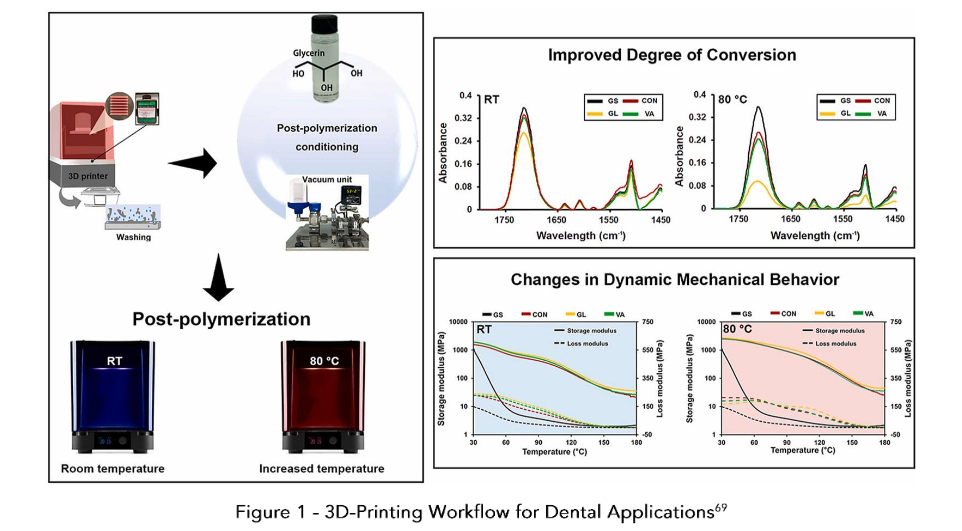
Figure 1 – 3D-Printing Workflow for Dental Applications⁶⁹
2. Curing and Polymerisation
The mechanical performance and long-term stability of 3D-printed dental restorations are intrinsically linked to the degree of polymer conversion achieved during the curing process. Inadequate polymerization—often due to insufficient post-curing, light attenuation, or improper exposure settings—results in residual monomers and oligomers embedded within the polymer matrix.⁶˒⁷ These incompletely cured components can leach into the oral cavity, leading to diminished mechanical properties, increased susceptibility to hydrolytic degradation, and heightened biocompatibility concerns. The findings underscore the pressing need for enhanced curing techniques and regulatory frameworks to ensure the safety and efficacy of 3D-printed dental materials in clinical practice.
Photo-polymerisation, which stands as the predominant method employed in the realm of dental 3D printing, is fundamentally reliant on the process of light-activated free radical polymerisation, a sophisticated chemical reaction that is initiated by exposure to light. Nevertheless, this intricate process exhibits a significant vulnerability to the presence of atmospheric oxygen, which possesses the ability to scavenge initiating free radicals,⁸˒¹⁰ thereby resulting in the formation of a superficial
layer that is inhibited by oxygen and is consequently rich in unreacted monomers that have not undergone polymerisation. This superficial layer, characterised by its compromised properties, not only diminishes the surface hardness and wear resistance of the printed material but also poses a considerable toxicological risk, particularly in settings that are intraoral, where the potential for adverse reactions is heightened due to the proximity to sensitive tissues.
Recent advancements in the field have been directed towards the development of polymerisation environments that are devoid of oxygen, utilising inert gases such as nitrogen or argon, which have been shown to significantly improve monomer conversion rates and enhance the overall performance of the material in question.⁹˒¹¹ The successful implementation of these innovative curing environments is of paramount importance for enhancing both the safety and efficacy of resin-based materials utilised within dental applications, which ultimately serves to improve the overall care and outcomes experienced by patients undergoing such treatments. In order to guarantee optimal performance and ensure the safety of patients, it is absolutely essential that ongoing research continues to focus on refining curing techniques and exploring alternative materials, as this is crucial in navigating the ever-evolving landscape of dental 3D printing technology.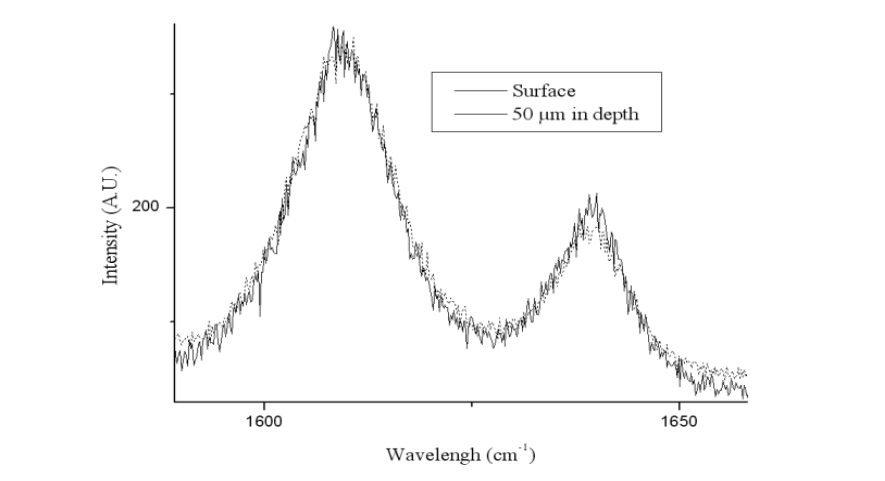
Figure 2 – Oxygen-Inhibited Surface Layer in Photopolymer Resins⁷⁰
3. Oxygen Inhibition
Oxygen inhibition remains a major barrier to achieving fully cured 3D-printed dental restorations. Molecular oxygen readily reacts with initiating free radicals to form peroxy radicals, which exhibit limited reactivity toward methacrylate monomers.¹⁰ This results in a superficial, under-polymerised layer that is mechanically weak and chemically unstable.¹¹
Although formulations containing multifunctional acrylates and higher photo-initiator concentrations may reduce the effects of oxygen inhibition, they do not eliminate it entirely.¹² This phenomenon underscores the importance of optimising post-curing processes to enhance the mechanical properties and biocompatibility of 3D-printed dental materials. The ongoing evolution of 3D printing technology is expected to address these challenges, further enhancing the mechanical properties and biocompatibility of resin materials used in restorative dentistry.
In the context of additive manufacturing, layer-by-layer fabrication further exacerbates the issue, as each new layer is deposited atop an incompletely cured interface. This can reduce interlayer bonding strength and jeopardise the mechanical cohesion of the restoration.¹³˒¹⁴ Strategies to mitigate oxygen inhibition include physical exclusion via Mylar strips, the use of oxygen-blocking coatings, or photo-initiator systems designed to function effectively in ambient conditions.¹⁵–¹⁷ Improving post-curing protocols is essential to enhance the mechanical properties and biocompatibility of 3D-printed dental materials, ultimately ensuring patient safety and effective treatment outcomes. The exploration of advanced polymer materials and innovative curing techniques will be vital in addressing the challenges posed by oxygen inhibition and enhancing the performance of 3D-printed dental restorations.
4. Microplastic Release and Health Implications
4.1 ENHANCED VENTILATION SYSTEMS
Improperly cured 3D-printed dental restorations undergo progressive intraoral degradation through hydrolysis, mechanical abrasion, and enzymatic activity. These processes result in the release of microplastics—particles typically <5 mm in size—and unreacted chemical residues into the oral environment.¹⁹˒²⁰ Once released, these microplastics may be ingested, inhaled, or absorbed into soft tissue, leading to local inflammation and potential systemic effects. The implications of microplastic release from dental restorations necessitate further investigation into their long-term health effects, particularly regarding inflammation and systemic toxicity.
Microplastics have been implicated in oxidative stress, immune dysregulation, endocrine disruption, and even carcinogenesis.²¹–²³ Their small size and high surface area allow them to adsorb environmental pollutants and heavy metals, acting as vectors for additional toxicants.²²˒²³ Importantly, microplastics have been found in human organs including the placenta, colon, liver, and spleen, suggesting systemic distribution and bioaccumulation.²⁸˒⁴² Addressing the implications of microplastic release from dental restorations is crucial, as it could significantly impact patient health and necessitate the development of safer materials and practices in dental care. The need for comprehensive risk assessments and regulatory oversight is paramount to ensure that innovations in dental 3D printing do not compromise patient safety and public health.
The potential for microplastics to enter the food chain and affect human health underscores the urgency for regulatory measures and public awareness regarding the implications of 3D printing in dentistry and the environment. As the field continues to evolve, it is essential to prioritise the development of safer materials and practices that minimise the risks associated with microplastic release in dental applications. The implementation of effective strategies, such as improved ventilation and advanced filtration systems, is essential to mitigate the health risks posed by airborne microplastics in dental settings and enhance the overall safety of dental practices. Implementing these measures will not only protect patients but also contribute to a more sustainable dental healthcare environment addressing the growing concerns surrounding microplastic pollution in oral care products.
The oral environment presents unique degradation challenges due to dynamic pH fluctuations, mechanical forces, and the presence of salivary enzymes and microbial biofilms.⁴³–⁴⁶ These factors accelerate fragmentation of resin materials and release nano- and micro-scale debris.⁴⁷˒⁴⁸ Once internalised, these particles may disrupt cellular function, compromise mucosal barriers, and interfere with endocrine pathways.⁴⁹–⁵²
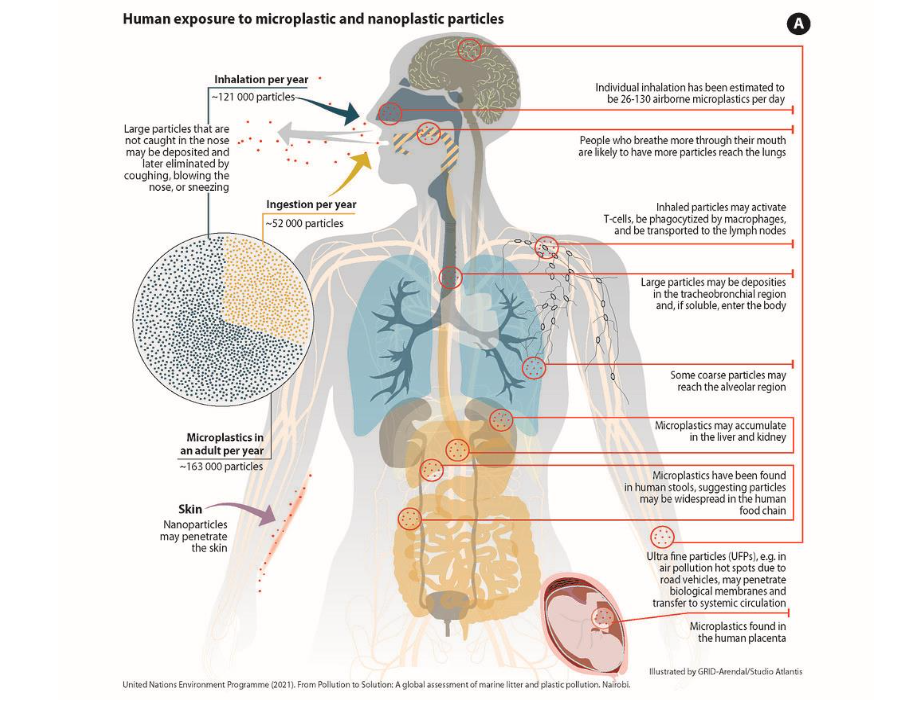
Figure 3 – Human Exposure Pathways for Ingested and Inhaled Microplastics⁷¹
The increasing prevalence of microplastics in dental materials necessitates immediate attention to their potential health impacts, urging both clinical and regulatory advancements to safeguard patient well-being. Given the significant health risks associated with microplastics, it is imperative for dental professionals to adopt best practices in material handling and implement effective risk mitigation strategies. This will not only enhance patient safety but also contribute to a more sustainable practice in the evolving landscape of digital dentistry.
5. Resin Composition and Printing Parameters
The chemical formulation of 3D printing resins plays a pivotal role in polymerisation kinetics, mechanical strength, and degradation potential. Common dental resins are composed of monomers (e.g., Bis-GMA, UDMA), photo-initiators, and fillers. Resins with high photo-initiator content or those specifically designed for short-wavelength curing tend to achieve greater monomer conversion and reduced residual toxicity.⁶²
Printing parameters—such as exposure time, light intensity, layer thickness, and print speed—significantly influence polymerisation efficiency and mechanical properties.⁶³ Optimised parameters reduce voids and porosity in the cured matrix, limiting the ingress of water and microbes that contribute to resin breakdown. Reinforcing agents, such as nano-fillers or glass fibres, can enhance fracture resistance and reduce surface wear, mitigating the likelihood of microplastic generation under masticatory forces.
The development of biodegradable alternatives to
current resin-based materials is essential to mitigate the environmental impact of microplastics generated from dental applications. By prioritising sustainable materials, the dental industry can reduce its contribution to plastic pollution and enhance patient safety. The transition to biodegradable resin alternatives is crucial for minimising the environmental footprint of dental practices and addressing the growing concerns surrounding microplastic pollution in oral care products. The exploration of these sustainable materials will not only benefit the environment but also align with the increasing demand for eco-friendly practices in healthcare.
6. Wavelength-Dependent Curing: 385 nm vs 405 nm
The wavelength of the curing light source plays a crucial and significant role in influencing not only the degree of conversion but also the residual monomer content found within the various types of 3D printed resins that are utilised in the additive manufacturing process. Digital Light Processing (DLP) and masked stereolithography (mSLA) printers, which are among the most commonly used technologies in this field, typically employ light-emitting diode (LED) arrays that operate at wavelengths of either 385 nm or 405 nm to effectively initiate the curing process. Resins that are specifically formulated with photo-initiators such as TPO or BAPO tend to exhibit their peak absorption characteristics in close proximity to the 385 nm wavelength, which consequently allows them to benefit significantly from an enhanced polymerisation process when they are cured using light at this particular wavelength.¹˒²
When comparing the wavelengths of 405 nm and 385 nm, it becomes evident that 385 nm light provides distinct advantages in various applications, particularly in the field of dental materials and photo-polymerisation processes. The shorter wavelength of 385 nm corresponds to higher photon energy, which is crucial for initiating and accelerating the curing process of light-sensitive resins. This increased photon energy not only enhances the efficiency of the curing reaction but also allows for a greater penetration depth into the material being cured. As a result, restorations cured with 385 nm light exhibit improved curing depth, ensuring that the material hardens more uniformly throughout its structure. This is particularly important in dental applications, where thorough curing is essential for the longevity and durability of restorations. Furthermore, the use of 385 nm light significantly reduces surface inhibition—a phenomenon where the outer layer of a material remains uncured due to exposure to oxygen. By minimising this inhibition, restorations achieve a more robust surface, leading to stronger bonds and enhanced resistance to wear and degradation over time. Consequently, the overall outcome is the creation of restorations that not only possess greater mechanical strength but also exhibit improved chemical stability. This translates to longer-lasting dental work that can withstand the rigours of daily use, ultimately benefiting both practitioners and patients alike.³˒⁴ Additionally, the use of 385 nm light can improve the accuracy and surface resolution of printed objects due to reduced scatter. However, mismatched resin-wavelength pairings can result in over-curing, yellowing, or brittleness, making adherence to manufacturer specifications critical.⁵
7. Mitigation Strategies for Microplastic Release
To effectively minimise the release of microplastics from dental restorations, a multifaceted approach is essential. This involves optimising the polymerisation process, which is crucial for ensuring that the materials used in dental restorations achieve the maximum strength and durability. By fine-tuning the conditions under which polymerisation occurs—such as light intensity, duration, and temperature—dentists and manufacturers can significantly enhance the integrity of the materials, reducing the likelihood of microplastic formation. Additionally, careful consideration of material formulation plays a vital role. Selecting high-quality polymers that are less prone to degradation
and incorporating additives that can improve wear resistance will contribute to a more stable restoration. This includes exploring biocompatible alternatives and innovative composites that not only meet aesthetic and functional requirements but also minimise environmental impact. Furthermore, implementing effective post-processing strategies is critical. This may involve techniques such as polishing and surface treatment to enhance the longevity of the restoration and reduce rough surfaces where microplastics can accumulate and be released. By combining these strategies—optimised polymerisation, advanced material formulation, and thorough post-processing—dental professionals can significantly reduce the environmental footprint of dental restorations while ensuring patient safety and satisfaction. Incorporating these strategies will not only mitigate the environmental impact of microplastics but also enhance the overall performance and safety of dental restorations, ultimately benefiting patient health and treatment outcomes.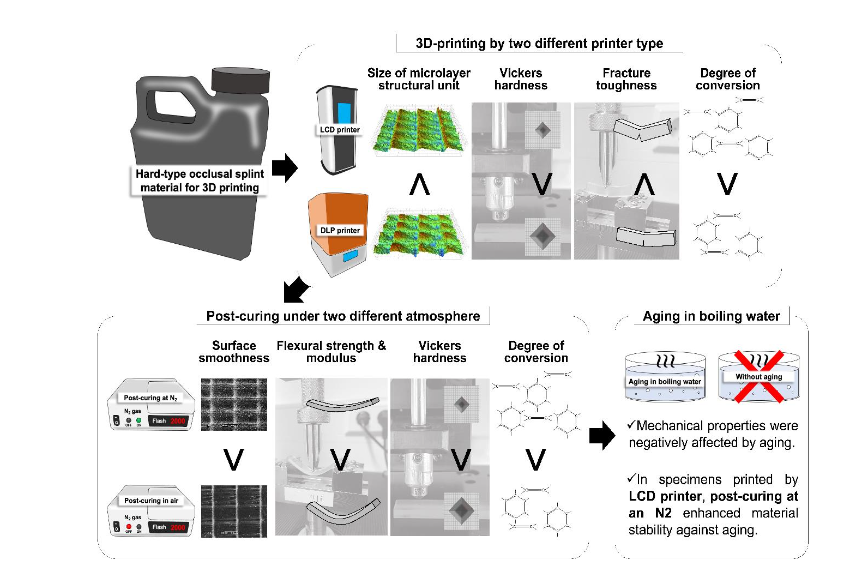
Figure 4 – Effect of Nitrogen Gas Post-Curing and Printer Type on the Mechanical Properties of 3D-Printed Materials⁷²
Mitigation strategies aimed at reducing the release of microplastics encompass a variety of advanced techniques and innovative materials. These include:
OXYGEN-FREE CURING USING INERT GAS CHAMBERS
One effective approach is the implementation of oxygen-free curing processes facilitated by inert gas chambers. This method not only prevents the inhibition of polymerisation reactions but also significantly enhances the overall conversion of monomers into polymers, thereby minimising the likelihood of microplastic formation during the curing phase.¹⁵–¹⁷
VACUUM-ASSISTED POST-CURING TO IMPROVE INTERNAL POLYMERISATION AND REDUCE VOIDS
Another promising strategy is vacuum-assisted post-curing, which serves to optimise the internal polymerisation process. By applying a vacuum, this
technique effectively reduces the presence of voids within the polymer matrix, leading to a denser and more stable final product. This increased density not only contributes to the mechanical integrity of the material but also plays a crucial role in limiting the potential for microplastic release.⁶⁸
THERMAL ANNEALING OR ADDITIONAL LIGHT CURING
Thermal annealing and supplementary light curing techniques are also employed to bolster cross-link density within the polymer structure. By enhancing the degree of cross-linking, these methods help to diminish the presence of residual monomers, which are often precursors to microplastic generation. This results in a more robust polymer that is less susceptible to degradation and fragmentation over time.⁶⁷
SURFACE FINISHING TECHNIQUES
In addition to these processing techniques, surface finishing methods such as polishing and coating are vital in reducing surface roughness and bacterial adhesion. A smoother surface finish not only improves the aesthetic qualities of the material but also minimises the likelihood of microbial colonisation, which can lead to further degradation and the eventual release of microplastics into the environment.
MATERIAL INNOVATION
Furthermore, material innovation plays a critical role in addressing the microplastic issue. The development of biocompatible resins with lower toxicity profiles and enhanced degradation resistance is paramount. These advanced materials are designed to break down more readily in natural environments, thus mitigating the long-term impacts associated with traditional plastics. By focusing on these innovative solutions, the industry can make significant strides in reducing the environmental burden posed by microplastics.⁶⁷
The integration of these advanced strategies will not only enhance the longevity and safety of dental restorations but also contribute to a more sustainable approach in the fight against microplastic pollution.
8. Conclusion
The adoption of resin-based 3D printing in restorative dentistry offers transformative clinical advantages, but it also presents under-appreciated health risks associated with improper curing and intraoral degradation. Incompletely polymerised restorations can release unreacted monomers and microplastics into the oral cavity, potentially leading to local inflammation, systemic exposure, and long-term toxicity. These concerns are heightened by the ability of microplastics to accumulate in human tissues and transport endocrine-disrupting chemicals.
Mitigating these risks requires a multifaceted approach: enhancing curing efficacy through wavelength-optimised protocols, eliminating oxygen inhibition during post-processing, refining resin formulations, and applying protective surface modifications. Furthermore, future research must prioritise long-term clinical studies, toxicity assessments, and the development of standardised guidelines for safe 3D printing practices in dentistry.
By recognising and addressing these challenges, clinicians and researchers can ensure that digital dentistry evolves not only in precision and efficiency but also in biocompatibility and safety.
Author Contributions
Conceptualisation, writing—original draft preparation, writing—review and editing, visualisation, A.B. Nulty. Additional writing and review, P.M. Zachrisson. The authors have read and agreed to the published version of the manuscript.
Funding
This research received no external funding.
Institutional Review Board Statement
Not applicable
Use of Artificial Intelligence
All AI-assisted tools were not used in drafting any aspect of this manuscript.
Conflicts of Interest
The author declares no conflicts of interest.
References
2. Ali SS, Elsamahy T, Al-Tohamy R, et al. Plastic wastes biodegradation: mechanisms, challenges and future prospects. Sci Total Environ. 2021;780: 146590. doi:10.1016/j.scitotenv.2021.146590.
3. Ali SS, Elsamahy T, Koutra E, et al. Degradation of conventional plastic wastes in the environment: a review on current status of knowledge and future perspectives of disposal. Sci Total Environ. 2021; 771:144719. doi:10.1016/j.scitotenv.2020.144719.
4. Alifui Segbaya F. Biomedical photopolymers in 3D printing. Rapid Prototyp J. 2019;26(2):437. doi:10.1108/rpj-10-2018-0268.
5. Alkaltham N, Aldhafiri R, Al Thobity AM, et al. Effect of denture disinfectants on the mechanical performance of 3D printed denture base materials. Polymers. 2023;15(5):1175. doi:10.3390/polym150 51175.
6. Amobonye A, Bhagwat P, Singh S, Pillai S. Plastic biodegradation: frontline microbes and their enzymes. Sci Total Environ. 2020;759:143536. doi:10.1016/j.scitotenv.2020.143536.
7. Beleges EM, Khurayzi TA, Dallak SA, et al. Applications of 3D printing in restorative dentistry: the present scenario. Saudi J Oral Dent Res. 2021; 6(1):15. doi:10.36348/sjodr.2021.v06i01.003.
8. Bona ÁD, Cantelli V, Britto VT, Collares K, Stansbury JW. 3D printing restorative materials using a stereolithographic technique: a systematic review. Dent Mater. 2021;37(2):336. doi:10.1016/j.de ntal.2020.11.030.
9. Bora SS, Gogoi R, Sharma MR, et al. Microplastics and human health: unveiling the gut microbiome disruption and chronic disease risks. Front Cell Infect Microbiol. 2024;14. doi:10.3389/fcimb.2024.1492759.
10. Borges MG, Silva GR da, Neves FT, et al. Oxygen inhibition of surface composites and its correlation with degree of conversion and color stability. Braz Dent J. 2021;32(1):91. doi:10.1590/0103-6440202103641.
11. Cai Z, Li M, Zhu Z, et al. Biological degradation of plastics and microplastics: a recent perspective on associated mechanisms and influencing factors. Microorganisms. 2023;11(7):1661. doi:10.3390/mi croorganisms11071661.
12. Carr CM, Clarke DJ, Dobson ADW. Microbial polyethylene terephthalate hydrolases: current and future perspectives. Front Microbiol. 2020;11. doi:10.3389/fmicb.2020.571265.
13. Chaturvedi S, Alqahtani NM, Addas MK, Alfarsi MA. Marginal and internal fit of provisional crowns fabricated using 3D printing technology. Technol Health Care. 2020;28(6):635. doi:10.3233/thc-191964.
14. Covernton GA, Davies HL, Cox K, et al. A Bayesian analysis of the factors determining microplastics ingestion in fishes. J Hazard Mater. 2021;413: 125405. doi:10.1016/j.jhazmat.2021.125405.
15. Dai X, Xu Z, Li Z, Sun Y, Zhang S, Han B. Improving flexural properties of polymethyl methacrylate denture filled by carbon nanofibers under low filling content. Mater Res Express. 2021; 8(1):15404. doi:10.1088/2053-1591/abdd4f.
16. Dall’Oca S, Papacchini F, Goracci C, et al. Effect of oxygen inhibition on composite repair strength over time. J Biomed Mater Res B Appl Biomater. 2006;(2):493. doi:10.1002/jbm.b.30689.
17. Dawood A, Marti BM, Sauret-Jackson V, Darwood A. 3D printing in dentistry. BDJ. 2015; 219(11):521. doi:10.1038/sj.bdj.2015.914.
18. Dhali SL, Parida D, Kumar B, Bala K. Recent trends in microbial and enzymatic plastic degradation: a solution for plastic pollution predicaments. Deleted J. 2024;1(1):[page number not available]. doi:10.118 6/s44316-024-00011-0.
19. Emenike EC, Okorie CJ, Ojeyemi T, et al. From oceans to dinner plates: the impact of microplastics on human health. Heliyon. 2023;9(10):e20440. doi:10.1016/j.heliyon.2023.e20440.
20. Feng L, Suh BI. Acrylic resins resisting oxygen inhibition during free radical photocuring. I. Formulation attributes. J Appl Polym Sci. 2009; 112(3):1565. doi:10.1002/app.29567.
21. Fugolin APP, Pfeifer CS. New resins for dental composites. J Dent Res. 2017;96(10):1085. doi:10.1177/0022034517720658.
22. Godoy V, Blázquez G, Calero M, Quesada L, Martín Lara MA. The potential of microplastics as carriers of metals. Environ Pollut. 2019;255:11 3363. doi:10.1016/j.envpol.2019.113363.
23. Gruber ES, Stadlbauer V, Pichler V, et al. To waste or not to waste: questioning potential health risks of micro- and nanoplastics with a focus on their ingestion and potential carcinogenicity. Exposure Health. 2022;15(1):33. doi:10.1007/s12403-022-00470-8.
24. Guzzetti E, Sureda A, Tejada S, Faggio C. Microplastic in marine organism: environmental and toxicological effects. Environ Toxicol Pharmacol. 2018;64:164. doi:10.1016/j.etap.2018.10.009.
25. Hajjaj MS, Alamoudi RAA, Babeer WA, et al. Flexural strength, flexural modulus and microhardness of milled vs. fused deposition modeling printed zirconia; effect of conventional vs. speed sintering. BMC Oral Health. 2024;24(1):[page number not available]. doi:10.1186/s12903-023-03829-8.
26. Heris YS. Bacterial biodegradation of synthetic plastics: a review. Bull Natl Res Cent. 2024;48(1): [page number not available]. doi:10.1186/s42269-024-01241-y.
27. Ilie N. Degradation of dental methacrylate based composites in simulated clinical immersion media. J Funct Biomater. 2022;13(1):25. doi:10.3390/jfb13 010025.
28. Jiang J. Occurrence of microplastics and its pollution in the environment: a review. Sustain Prod Consump. 2017;13:16. doi:10.1016/j.spc.20 17.11.003.
29. John N, Salim R. Biodegradation of plastics by microbes a review. AIP Conf Proc. 2020;2263: 20003. doi:10.1063/5.0016828.
30. Kumar R, Manna C, Padha S, et al. Micro(nano)plastics pollution and human health: how plastics can induce carcinogenesis to humans? Chemosphere. 2022;298:134267. doi:10.1016/j.ch emosphere.2022.134267.
31. Lee YJ, Cho J, Sohn J, Kim C. Health effects of microplastic exposures: current issues and perspectives in South Korea. Yonsei Med J. 2023; 64(5):301. doi:10.3349/ymj.2023.0048.
32 Leggat PA, Kedjarune U. Toxicity of methyl methacrylate in dentistry. Int Dent J. 2003;53 (3):126. doi:10.1111/j.1875-595x.2003.tb00736.x.
33. Li Y, Tao L, Wang Q, Wang F, Li G, Song M. Potential health impact of microplastics: a review of environmental distribution, human exposure, and toxic effects. Environ Health. 2023;1(4):249. doi:10.1021/envhealth.3c00052.
34. Mahran GA, El Banna A, El Korashy DI. Evaluation of a 3D printed nanohybrid resin composite versus a milled resin composite for flexural strength, wear and color stability. BMC Oral Health. 2025;25(1):[page number not available]. doi:10.1186/s12903-025-05861-2.
35. Marigo L, Nocca G, Fiorenzano G, et al. Influences of different air inhibition coatings on monomer release, microhardness, and color stability of two composite materials. Biomed Res Int. 2019; 2019:1. doi:10.1155/2019/4240264.
36. Martos J, Osinaga PWR, Oliveira E de, Castro LAS de. Hydrolytic degradation of composite resins: effects on the microhardness. Mater Res. 2003;6 (4):599. doi:10.1590/s1516-14392003000400029.
37. Microplastics are everywhere — we need to understand how they affect human health. Nat Med. 2024;30(4):913. doi:10.1038/s41591-024-02968-x.
38. Nisha M, Montazer Z, Sharma P, Levin DB. Microbial and enzymatic degradation of synthetic plastics. Front Microbiol. 2020;11. doi:10.3389/fmi cb.2020.580709.
39. Oberoi G, Nitsch S, Edelmayer M, Janjić K, Müller AS, Agis H. 3D printing—encompassing the facets of dentistry. Front Bioeng Biotechnol. 2018;6. doi:10.3389/fbioe.2018.00172.
40. Oliveira J, Belchior A, Silva VD da, et al. Marine environmental plastic pollution: mitigation by microorganism degradation and recycling valorization. Front Mar Sci. 2020;7. doi:10.3389/fm ars.2020.567126.
41. Panchal A, Asthana G. Oxygen inhibition layer: a dilemma to be solved. J Conserv Dent. 2020; 23(3):254. doi:10.4103/jcd.jcd_325_19.
42. Perea Lowery L, Gibreel M, Vallittu PK, Lassila L. 3D printed vs. heat polymerizing and autopolymerizing denture base acrylic resins. Materials. 2021;14(19):5781. doi:10.3390/ma1419 5781.
43. Pilapitiya PGCNT, Ratnayake AS. The world of plastic waste: a review. Cleaner Mater. 2024;11: 100220. doi:10.1016/j.clema.2024.100220.
44. Prata JC, Costa JP da, Lopes I, Andrady AL, Duarte AC, Rocha Santos T. A one health perspective of the impacts of microplastics on animal, human and environmental health. Sci Total Environ. 2021;777:146094. doi:10.1016/j.scitoten v.2021.146094.
45. Priya A, Dutta K, Daverey A. A comprehensive biotechnological and molecular insight into plastic degradation by microbial community. J Chem Technol Biotechnol. 2021;97(2):381. doi:10.1002/j ctb.6675.
46. Rahiotis C, Zinelis S, Eliades G, Eliades T. Setting characteristics of a resin infiltration system for incipient caries treatment. J Dent. 2015;43(6): 715. doi:10.1016/j.jdent.2015.03.010.
47. Raszewski Z, Chojnacka K, Kulbacka J, Mikulewicz M. Mechanical properties and biocompatibility of 3D printing acrylic material with bioactive components. J Funct Biomater. 2022; 14(1):13. doi:10.3390/jfb14010013.
48. Robertson L, Phaneuf M, Haimeur A, Pesun IJ, França R. Degree of conversion and oxygen inhibited layer effect of three dental adhesives. Dent J. 2016; 4(4):37. doi:10.3390/dj4040037.
49. Ru J, Huo Y, Yang Y. Microbial degradation and valorization of plastic wastes. Front Microbiol. 2020;11. doi:10.3389/fmicb.2020.00442.
50. Salinas J, Carpena V, Martínez Gallardo MR, et al. Development of plastic degrading microbial consortia by induced selection in microcosms. Front Microbiol. 2023;14. doi:10.3389/fmicb.202 3.1143769.
51. Sharma RK, Kumari U, Kumar H. Impact of microplastics on pregnancy and fetal development: a systematic review. Cureus. Published online May 20, 2024. doi:10.7759/cureus.60712.
52. Shembish FA, Tong H, Kaizer MR, et al. Fatigue resistance of CAD/CAM resin composite molar crowns. Dent Mater. 2016;32(4):499. doi:10.1016/j.de ntal.2015.12.005.
53. shmi R, Kumar R, Pathak D. Approaches for enhancing microbial degradation of synthetic plastics: a review. Int J Curr Microbiol Appl Sci. 2020;9(1):910. doi:10.20546/ijcmas.2020.901.101.
54. Silva D da, Kaduri M, Poley M, et al. Biocompatibility, biodegradation and excretion of polylactic acid (PLA) in medical implants and theranostic systems. Chem Eng J. 2018;340:9. doi:10.1016/j.cej.2018.01.010.
55. Sridhar J, Govindaraju B, Michael JR, Viswanathan B. Impacts of micro and nanoplastics on human health. Bull Natl Res Cent. 2024;48(1) :[page number not available]. doi:10.1186/s42269-024-01268-1.
56. Stewart CA, Finer Y. Biostable, antidegradative and antimicrobial restorative systems based on host biomaterials and microbial interactions. Dent Mater. 2018;35(1):36. doi:10.1016/j.dental.2018.0 9.013.
57. Taki K, HAYASHI R, Taniguchi T, Tsuneishi A. Enhancement of dark polymerization by oxygen quenching during network formation in ultraviolet light induced radical polymerization of multifunctional monomers and reactive polymer. J Photopol Sci Technol. 2020;33(3):251. doi:10.249 4/photopolymer.33.251.
58. Tokiwa Y, Calabia BP, Ugwu CU, Aiba S. Biodegradability of plastics. Int J Mol Sci. 2009; 10(9):3722. doi:10.3390/ijms10093722.
59. Upendra S, Kaur J. Microplastic pollution in seawater: a review study. Nat Environ Pollut Technol. 2023;22(3):1635. doi:10.46488/nept.202 3.v22i03.050.
60. Vázquez OA, Rahman MS. An ecotoxicological approach to microplastics on terrestrial and aquatic organisms: a systematic review in assessment, monitoring and biological impact. Environ Toxicol Pharmacol. 2021;84:103615. doi:10.1016/j.etap.2 021.103615.
61. Vethaak AD, Legler J. Microplastics and human health. Science. 2021;371(6530):672. doi:10.1126/s cience.abe5041.
62. Winiarska E, Jutel M, Zemelka Wiącek M. The potential impact of nano and microplastics on human health: understanding human health risks. Environ Res. 2024;251:118535. doi:10.1016/j.envr es.2024.118535.
63. Wu D, Lim BXH, Seah I, et al. Impact of microplastics on the ocular surface. Int J Mol Sci. 2023;24(4):3928. doi:10.3390/ijms24043928.
64. Xu S, Ma J, Ji R, Pan K, Miao A. Microplastics in aquatic environments: occurrence, accumulation, and biological effects. Sci Total Environ. 2019;703: 134699. doi:10.1016/j.scitotenv.2019.134699.
65. Zhang Y, Wang D, Yin K, et al. Endoplasmic reticulum stress controlled autophagic pathway promotes polystyrene microplastics induced myocardial dysplasia in birds. Environ Pollut. 2022; 311:119963. doi:10.1016/j.envpol.2022.119963.
66. Zhao Z, Mu X, Wu J, Qi HJ, Fang D. Effects of oxygen on interfacial strength of incremental forming of materials by photopolymerization. Extrem Mech Lett. 2016;9:108. doi:10.1016/j.eml.2016.05.012.
67. Ziani K, Ioniță Mîndrican CB, Mititelu M, et al. Microplastics: a real global threat for environment and food safety: a state of the art review. Nutrients. 2023;15(3):617. doi:10.3390/nu15030617.
68. Золотова НА, Косырева АМ, Dzhalilova DSh, Fokichev N, Макарова ОВ. Harmful effects of the microplastic pollution on animal health: a literature review. PeerJ. 2022;10. doi:10.7717/peerj.1350.
69. Lim JH, Lee SY, Gu HN, Jin G. Evaluating oxygen shielding effect using glycerin or vacuum with varying temperature on 3D printed photopolymer in post polymerization. J Mech Behav Biomed Mater. 2022;130:105170. doi:10.1016/j.jmbbm.2022.105170.
70. Robin JB, Durand J, Derely L, Jacquot B, Cuisinier FJ, Robin J. Observation of oxygen inhibited layer of organic dental resin by confocal Raman-microscopy. e Polymers. 2012;12.
71. GRID-Arendal/Studio Atlantis. Human exposure to microplastic and nanoplastic particles [online graphic]. 2021. Available at: https://www.grida.no/resources/15024. Accessed June 11, 2025.
72. Wada J, Wada K, Gibreel M, Wakabayashi N, Iwamoto T, Vallittu PK, Lassila L. Effect of nitrogen gas post curing and printer type on the mechanical properties of 3D printed hard occlusal splint material. Polymers. 2022;14(19):3971. doi:10.3390/polym14 193971.