





Revolutionizing Consciousness: Heart’s Role in Cognition
The Grand Revolutionary Renaissance of Human consciousness from the Skull to the Sky
Abdullah Alabdulgader, MD *¹; Rollin McCraty, PhD ²
- DCH(Dublin), DCH(Edinburgh), MRCP(UK), ABP(CAMH), FRCP(Edinburgh), Pacing &EP (University of Alberta-Canada) Senior Scientist, Congenital Cardiologist, interventional electrophysiologist and cardiac rhythm devices implanter, psychophysiologist, Philosopher, World Gold Medal Awardee (Wosco-2012). Scientific Advisory Board Member (Heart Math Institute-USA)
- Research Director HeartMath Institute: Psychophysiologist International pioneering authority in Psychophysiology, resilience, affective neuroscience, stress and emotion regulation.
*Correspondence:
[email protected]
OPEN ACCESS
PUBLISHED: 31 MAY 2026
CITATION: Alabdulgader, A., and McCraty, R., 2026. The Grand Revolutionary Renaissance of Human consciousness from the Skull to the Sky. Medical Research Archives, [online] 14(5).
COPYRIGHT: © 2026 European Society of Medicine. This is an open-access article distributed under the terms of the Creative Commons Attribution License, which permits unrestricted use, distribution, and reproduction in any medium, provided the original author and source are credited.
DOI: https://doi.org/10.18103/mra.v14i5.7432
ISSN 2375-1924
Abstract
Despite unprecedented advances in neuroscience, the fundamental nature, origin, and scope of human consciousness remain unresolved. The prevailing neurocentric paradigm, rooted in 20th century materialism, has failed to reconcile subjective awareness with purely cortical mechanisms. This manuscript undertakes the first comprehensive historical, scientific synthesis spanning ancient Greek philosophy, the Islamic Golden Age, the European scientific revolution, and modern neuroscience, revealing a consistent global intuition: consciousness cannot be fully explained by brain activity alone. From Aristotle, Lucretius, Galen, and Ibn Sīnā to al-Ghazālī and Ibn Rushd, major intellectual traditions viewed the heart as the axis of cognition, intuition, and spiritual awareness. Modern pioneers including Fechner, Broca, Cajal, Penfield, Sperry, and Gazzaniga further demonstrated the limits of reductionist models, showing that neural activity, even when mapped, does not account for volition, intellect, or unified inner experience. Building on these foundations, we present the Heart-Based Resonant Field (HBRF) Theory, a unifying, field dependent model grounded in contemporary neurocardiology, biophysics, and heliogeophysical physiology. High resolution, long duration datasets including a 96,000-hour HRV–space weather study published in Nature Scientific Reports, demonstrate robust coupling between human cardiac dynamics and multiscale electromagnetic fluctuations extending from the autonomic nervous system to the Earth’s magnetosphere, solar wind and galactic cosmic rays. Together, these findings establish the heart as a powerful neuro-electromagnetic organ that generates coherent fields capable of modulating brain function and participating in a larger planetary cosmic resonance network. The Heart-Based Resonant Field Theory synthesizes these insights into an experimentally anchored paradigm in which consciousness emerges from dynamic interactions between cardiac intrinsic activity, neural assemblies, electromagnetic coherence, and external cosmological fields. This “Grand Renaissance” reframes human consciousness not as a brain contained computation, but as a resonant, field embedded phenomenon bridging physiology, cosmology, and the deep intellectual history of humanity.
Keywords
consciousness, heart, neuroscience, HBRF Theory, electromagnetic fields
1. Introduction:
Human Consciousness is one of most elusive issues in scientific history. Understanding its ultimate source and nature has created major historical debates starting thousands of years ago and is still ongoing. Despite the explosive developments in the last century to explore the neural based aspects of consciousness, the knowledge about it is still deficient. The important advances in the twentieth and 21st centuries related to cerebral cortex dynamics fortified by the dominant materialistic philosophical approach of the era dictated that the sole source and generator of human consciousness is the brain. This paper is a call for a more holistic perception and understanding of human consciousness incorporating the ancient wisdom of the civilizations with the massive current advances in different disciplines of applied sciences such as biology, neurology, psychology, behavioral sciences as well as religion and spirituality. The twentieth century is known as the century of the brain as there was exaggerated materialistic inflation of brain role in human functions, mainly centered around consciousness. There is compelling scientific and rational evidence to convince scientific communities that the nature of human consciousness certainly involves dynamics inside the skull however, there is also evidence that a wider more holistic understanding is needed that ranges from the skull to the sky. The scientific arena is in critical demand to open channels for holistic perception and understanding of human consciousness incorporating other scientific disciplines like the central role of human heart contribution to consciousness, quantum physics, as well as astrobiological aspects of consciousness. It is time for a new revolutionary paradigm of consciousness to emerge where we re-explore its nature as requirement for the current era of scientific exploration. Here, we define human consciousness, in a way satisfying its holistic nature as: “The capacity for alertness, self-awareness, and awareness of one’s surroundings, coupled with volition and informed by memory and personal identity. This capacity has both intrinsic and extrinsic aspects, manifesting through the awareness provided by various sensory and perceptive organs of the body which is connected to structures or phenomena beyond the physical realm, which persist beyond bodily functions when soul leaves the body.”
2. Historical Foundations: Ancient Debates on Matter, Soul, and Mind
The historical discourse on the relationship between human consciousness and matter has long been shaped by profound tensions between scientific empiricism and philosophical or theological reflection. From antiquity to the modern era, competing frameworks have attempted to explain whether consciousness arises from material processes, transcends them, or exists in a dual relationship with physical reality. The longstanding intellectual divide between revelationists, who emphasize metaphysical, spiritual, or scriptural insights and experimentalists, who rely on observation, measurement, and mechanistic models has never reached a definitive consensus capable of integrating subjective experience with objective physiology. We propose a complementary approach that unites rigorous empirical investigation with the deeper insights offered by revelation, suggesting that such an integrative framework may yield a more profound understanding of both the material and spiritual dimensions of existence. The lineage of this debate stretches back to Alcmaeon of Croton in the 5th century B.C., who proposed that perception and thought emerge from the brain, initiating the first neurophysiological theories of mind.
2.1 EARLY GREEK FOUNDATIONS: ALCMAEON, PLATO, AND ARISTOTLE:
Subsequent thinkers such as Plato elevated the soul as the governing principle of life, while Aristotle from 384 to 322 B.C, advanced a hylomorphic synthesis in which the soul is the “form” of the living body, inseparable from its material substrate. Aristotle, is truly considered as one of history’s greatest philosophers. He described the mind as “the part of the soul by which it knows and understands,” while defining a living substance as a combination of matter and form. In his major work, “De Anima” (On the Soul), Aristotle discusses the intimate connection between the soul and the body, stating, “the soul does not exist without a body and yet is not itself a kind of body.” He further elaborates that humans possess a rational soul capable of reason and thought, with the mind containing the power for contemplation and understanding.
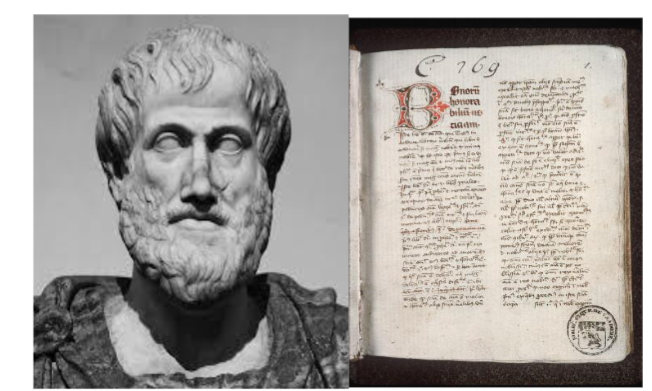
In our views the first call in history for the true nature of human consciousness originate from Aristotle concepts about human soul. The true scientific echo which mirror the “De Anima” is our Heart Base Resonant Field Theory of human consciousness.
2.2 ROMAN CONTRIBUTIONS, LUCRETIUS AND THE HEART AS THE SEAT OF INTELLECT:
Titus Lucretius Carus from 99 to 55 BC, was a Roman poet and philosopher who articulated the principles of atomism, the nature of the mind and soul, and provided interpretations of sensation and thought, as well as various celestial and terrestrial phenomena. In “On the Nature of Things,” Book III, he stated: “The dominant force in the whole body is that guiding principle which we term mind or intellect. This is firmly lodged in the midregion of the breast. Here is the place where fear and alarm pulsate. Here is felt the caressing touch of joy. Here, then, is the seat of the intellect and the mind.”
2.3 GALEN’S DISTRIBUTED MODEL OF THE SOUL:
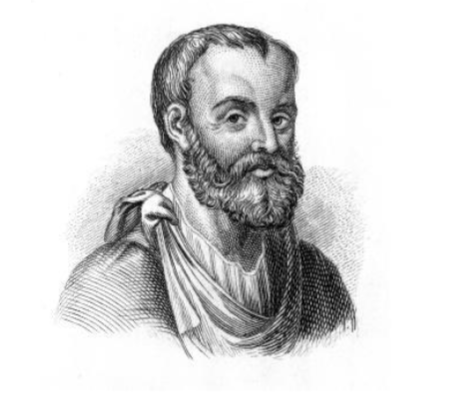
Aelius Galenus, or Claudius Galenus, from 129 to 216 AD, was a Greek physician, surgeon, and philosopher whose influence on the understanding of mind–body interaction shaped medical and philosophical thought for more than a millennium. Building upon Platonic and Aristotelian foundations, Galen articulated one of the most sophisticated ancient models of the soul, emphasizing its functional distribution across different bodily organs rather than its confinement to the skull. His tripartite conception of the soul, rational, spiritual, and appetitive, mirrored Plato’s structure but introduced a more anatomically grounded interpretation that aligned with his clinical observations as a practicing physician.
What distinguished Galen’s approach was his willingness to integrate empirical anatomical study with a philosophical understanding of human nature. Drawing on vivisection (anatomy), surgical experience, and comparative anatomy, he proposed that the brain housed the rational soul, responsible for reason, judgment, and rational deliberation (a believe which proved fault by the neurosurgeon, Wilder Pinfield and others in the 20th century). Yet, unlike later neuroscientific traditions that locate consciousness exclusively in the brain, Galen believed that other essential dimensions of human experience arise outside the cranial cavity. The spiritual soul, associated with emotions, courage, and spirited action, was situated in the heart, reflecting ancient intuitions about the heart as the center of affective and motivational life. The appetitive soul, governing desire, instinct, and basic drives, was placed in the liver, which Galen saw as the central organ of nourishment and metabolic vitality. This distributed model of mental and emotional life offered an early and markedly holistic framework for understanding human consciousness. For Galen, personality and emotion could not be reduced to neural mechanisms alone, as they were emergent properties of the body’s integrated physiological system. His assertion that the heart and liver participate in shaping human character and behavior stands in stark contrast to modern reductionist paradigms and resonates strongly with contemporary critiques of strict neurocentrism. Furthermore, Galen’s work reveals that the ancient world possessed a nuanced appreciation for the interplay between physiology, emotion, intellect, and what we now call consciousness. His model recognized that the body’s major organs form an interconnected network through which human experience arises, a perspective not entirely foreign to modern neurocardiology, psychoneuroimmunology, or quantum biological approaches to mind body interaction and collectively to our Heart Based Resonant Field Theory of human consciousness.
3. The Islamic Golden Age: A Civilization Centered Expansion of Consciousness Science:
During the Islamic Golden Era (7th to 15th century AD), intellectual inquiry into the nature of mind and human consciousness reached unprecedented philosophical, medical, and spiritual depth. Scholars across diverse disciplines, including medicine, kalām (theology), falsafa (philosophy), and Sufism, engaged in rigorous debates to articulate the relationships between rūḥ (spirit), nafs (self/soul), qalb (heart), and ʿaql (intellect or mind). Their work sought to reconcile empirical observations with Qur’ānic metaphysics, Aristotelian psychology, and insights from clinical practice, producing one of history’s most sophisticated discourses on human nature.
3.1 ABŪ BAKR AL-RĀZĪ: EXPERIMENTAL MEDICINE AND DUALIST PSYCHOLOGY:
Within this vibrant intellectual milieu, Abū Bakr al-Rāzī from 865 to 925 AD the father of experimental medicine, emerged as one of the era’s most influential and original thinkers. His medical writings, especially Kitāb al-Ḥāwī, reveal a remarkably advanced understanding of anatomy, physiology, and neurolocalization. Al-Rāzī provided detailed descriptions of cranial nerves, sensory pathways, reflexive responses, and the clinical consequences of localized brain injury—centuries before such concepts were formalized in European medicine. Great move in medicine created by al-Rāzī is the earthquake that he explode in medical history by changing Galens holy medical believes in Kitāb al-Ḥāwī. In this context he expressed his braveness mixed with his love humility and emotions to Galen in the following statement: “I prayed to Allah to direct and lead me to the truth in writing this book. It grieves me to oppose and criticize the man Galen from whose sea of knowledge I have drawn much. Indeed, he is the Master and I am the disciple. Although this reverence and appreciation will and should not prevent me from doubting, as I did, what is erroneous in his theories? I imagine and feel deeply in my heart that Galen has chosen me to undertake this task, and if he were alive, he would have congratulated me on what I am doing. I say this because Galen’s aim was to seek and find the truth and bring light out of darkness.” Despite his empirical rigor, al-Rāzī was philosophically committed to a robust dualism. He argued that the nafs is a non-material, self-subsisting entity that cannot be reduced to neural tissue or any physiological process. While he acknowledged that the brain plays a central role in processing sensory information and coordinating bodily movement, he refused to identify it as the seat of consciousness, self-awareness, or rationality. For al-Rāzī, the physical brain functioned as an instrument or interface, whereas the nafs was the true locus of agency, intentionality, and moral responsibility. This synthesis of clinical empiricism and metaphysical depth exemplifies the richness of Islamic psychology during this era. Scholars were able to describe neurological mechanisms with impressive accuracy while simultaneously affirming transcendent dimensions of human consciousness. Their approach stands in contrast to many modern reductionist frameworks and resonates deeply with contemporary holistic and field based theories, including our Heart-Based Resonant Field (HBRF) Theory, where consciousness is viewed not as a byproduct of neural computation alone, but as an emergent, multi-layered phenomenon grounded in physiology, metaphysics, and coherent systemic integration.
3.2 AL-GHAZĀLĪ AND THE HEART AS THE AXIS OF CONSCIOUSNESS:
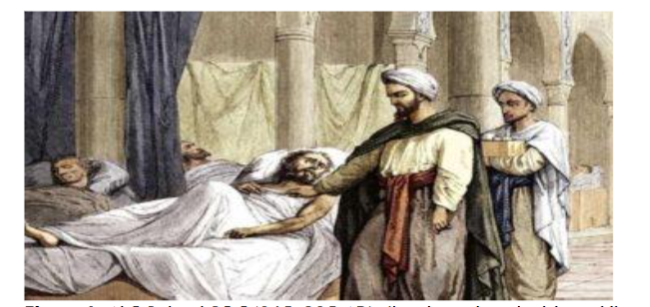
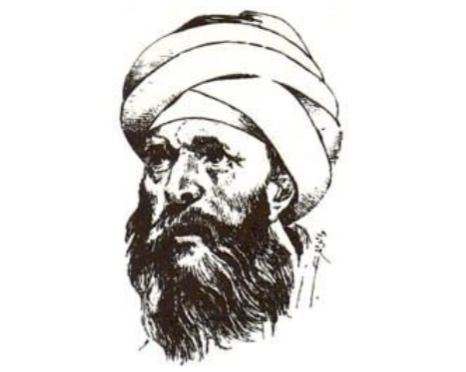
Abū Ḥāmid al-Ghazālī from 1058 to 1111 AD, one of the most influential philosophers, theologians, and mystics of the Islamic Golden Age, developed a profound and multilayered theory of the heart (qalb) that remains central to Islamic understandings of consciousness and spirituality. In his monumental Iḥyāʾ ʿUlūm al-Dīn (Revival of the Religious Sciences), especially in the celebrated section ʿAjāʾib al-Qalb (The Wonders of the Heart), al-Ghazālī presented a sophisticated model that integrates psychology, metaphysics, and spiritual epistemology. Through this work, he articulated a comprehensive conceptual framework for understanding the relationships among the rūḥ (spirit), nafs (self/soul), ʿaql (intellect), and qalb (heart), viewing the heart as the axis around which human consciousness and inner life operate. Landmark conceptual achievements of Abū Ḥāmid al-Ghazālī in consciousness sciences are, actually, historical turning points in consciousness understanding which deserve special emphasize, as follows:
- Central Role of the Heart: Al-Ghazālī placed the heart at the center of human identity, cognition, and spiritual transformation. He regarded the qalb as the ultimate reference point for the soul, spirit, and rational faculties, asserting that all inner states and modes of knowing flow through it. The heart, for al-Ghazālī, is not merely an organ but the locus where divine illumination, knowledge, and moral discernment converge.
- Dual Nature of the Heart: A defining feature of al-Ghazālī’s model is his clear distinction between the physical heart—the anatomical, muscular organ—and the spiritual heart, which he described as a subtle, immaterial essence. This “inner heart” functions as the seat of consciousness, intention, and spiritual perception. The physical and spiritual dimensions are intimately connected, but not identical; the physical heart supports the bodily life, while the spiritual heart sustains the higher, conscious life of the human being.
- Holistic and Metaphoric Description: To convey the relationship between the material and immaterial aspects of human nature, al-Ghazālī employed vivid metaphors. He famously described the heart as a “subtle spiritual reality attached to the bodily heart,” sometimes rendered as “a delicate spiritual essence linked to the physical heart.” Through this metaphorical language, he emphasized that the human being is simultaneously corporeal and transcendent, with the heart functioning as the bridge between these dimensions.
- Consciousness and Perception: Al-Ghazālī portrayed the spiritual heart as the true seat of awareness, describing it as “the conscious of the world around and the knowing faculty of the human being.” In his epistemological framework, perception, knowledge, and insight (maʿrifa) are not produced by the brain alone but emerge from the spiritual heart’s receptivity to both sensory information and divine illumination. This model anticipates later philosophical debates on the nature of consciousness as more than purely material or neurological.
- Spiritual and Moral Accountability: In al-Ghazālī’s theological psychology, the heart is the entity that is addressed by revelation, held accountable for its choices, and ultimately rewarded or punished. He described the heart as “the addressed, the responsible, the reproached, and the rewarded,” thereby grounding moral agency in the spiritual dimension of the human being. According to al-Ghazālī, the heart also serves as the repository of memory, intention, and moral disposition—elements essential for judgment in the afterlife.
- Interconnectedness with broader cosmic and energetic dimensions: Although writing centuries before modern discussions of energetics or field theories, al-Ghazālī articulated a worldview in which the heart is connected to the broader, unseen realm (ʿālam al-malakūt). He described the heart as capable of receiving subtle influences, inspirations, and illuminations from beyond the physical world. This suggests an early conceptualization of the heart as participating in a larger metaphysical field, aligning with his cosmology of interconnected spiritual realities. Collectively, al-Ghazālī’s work on the heart was pioneering for its time, offering a unified account that integrates physical embodiment, spiritual depth, consciousness, cognition, moral responsibility, and cosmic connectedness. His insights continue to influence contemporary discussions in heart–mind sciences, spiritual psychology, and interdisciplinary studies that explore the relationship between human consciousness and the wider energetic or cosmic structures of the universe.
3.3 IBN SĪNĀ (AVICENNA): THE FLYING MAN AND INNATE SELF-AWARENESS:
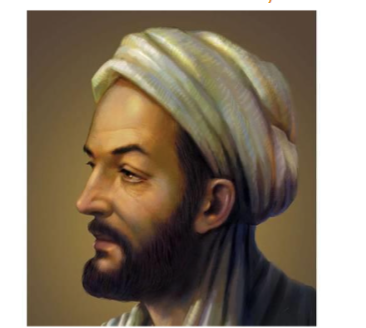
Ibn Sina from 980 to 1037 AD, known in the West as Avicenna, was a prominent figure of the Islamic Golden Age and is considered one of the most influential physicians, philosophers, and scientists in history. His contributions to medicine, particularly his work “Al-Qanun fi’t-Tibb” (The Canon of Medicine), served as a standard medical textbook in both the Islamic world and Europe until the 18th century. Ibn Sina’s philosophical ideas about the soul, spirit, and mind significantly impacted the understanding of self consciousness and its relation to the belief in a divine creator. His famous thought experiment, known as the “Flying Man,” explored the nature of self awareness and consciousness:
- Premise: A person is created suspended in a void, unable to perceive any sensory input (sight, sound, touch, smell, or taste).
- Conditions: The person has no memory of past experiences and no physical sensations, including those from their own body.
- Question: Would this person still possess self awareness?
- Conclusion: Ibn Sina argued that even in this state of complete sensory deprivation, the person would still be aware of their own existence.
This demonstrates the possibility of self awareness independent of sensory experience or bodily awareness and suggests the existence of an immaterial aspect of human consciousness (the soul). It also proposes that self awareness is fundamental and not derived from physical sensations or memories.
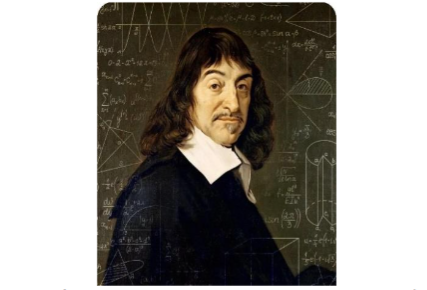
Ibn Sina’s “Flying Man” experiment is often compared to René Descartes Cartesian Cogito. René Descartes from 1596 to 1650, is considered in the west as the father of modern Western philosophy. Descartes was able to emancipate from Church doctrine and established the Cartesian dualism. The Aristotelian philosophy of Descartes’ days held that the universe was inherently purposeful or teleological. He insists on the absolute freedom of God’s act of creation and in the same time argued that mind could exist without the body, but the body could not exist without the mind. He is famed with his famous proposition “Cogito, ergo sum” (I think, therefore I am), which was formulated about 600 years after Avicenna “Flying Man,” preposition. Both philosophical arguments of Avicenna and Descartes aim to establish the certainty of one’s own existence through the act of thinking or self awareness. Avicennian psychology was deeply embedded in the medieval scholastic tradition that shaped Descartes’ education. Major figures such as Thomas Aquinas, Albertus Magnus, Henry of Ghent, and Duns Scotus critically engaged with Avicennian doctrines of the soul, and these scholastic authors were central components of the curriculum Descartes himself studied at La Flèche. Most scholars therefore view the Cogito not as an isolated discovery, but as a reformulation of an argument whose conceptual foundation was already established by Ibn Sīnā. Ibn Sina’s work in consciousness and self awareness, positioned him as a significant influencer on both Islamic and Western philosophy, bridging ancient Greek thought with later developments in cognitive science and philosophy of mind.
3.4 Ibn Rushd and Ibn ‘Arabī: Rational Versus Mystical Knowledge:
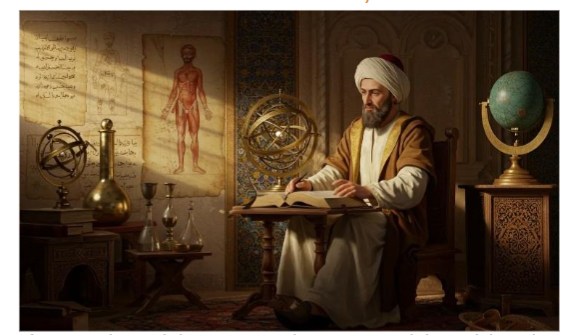
Ibn Rushd from 1126 to 1198 AD, known in the West as Averroes, was a prominent philosopher from Cordoba whose ideas sparked significant debate in Latin Christendom and led to the philosophical movement known as Averroism. His most controversial theory was “the unity of the intellect,” which proposed that all humans share a single, universal intellect. He aimed to explain how universal knowledge is possible within Aristotelian philosophy of mind and asserted that there is only one intellect shared by all humans. Ibn Rushd’s ideas were influential but controversial, leading to the development of Latin Averroism, which emphasized the superiority of reason and philosophy over faith and the potential for conflict between philosophical and theological truths. In a meeting between Ibn Rushd and the young Ibn Arabi, from 1164 to 1240 AD, represents a significant moment in the history of Islamic philosophy. Their famed encounter epitomizes the timeless tension between reason and spiritual intuition. Ibn Arabi, who became a highly influential mystic and philosopher, responded to Ibn Rushd’s question about the path to wisdom with a cryptic answer: “Yes and no, and between yes and no, souls depart from their material and necks from their bodies.” This exchange highlights the tension between rational, philosophical approaches to knowledge (represented by Ibn Rushd) and mystical, intuitive approaches to wisdom (represented by Ibn Arabi). Their dialogue encapsulates a fundamental debate in the history of philosophy and religion: whether true wisdom is attained through rational inquiry and logical reasoning, or through spiritual insight and mystical experience.
4. The European Scientific Revolution, From Phrenology to Experimental Physiology:
The late eighteenth century, nineteenth century and the early twentieth century witnessed sparring race between associationist with an eye on psychology and philosophy and phrenological faculties supporters with neurolocalization and pure physiological perspectives.
4.1 GALL, FLOURENS, MAGENDIE, MÜLLER: EARLY LOCALIZATION AND ITS LIMITS:
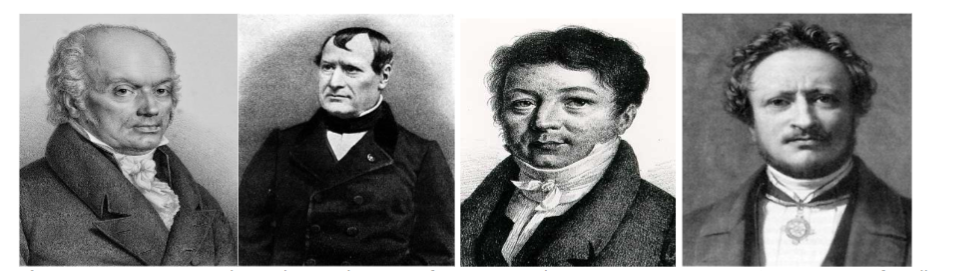
In 1808, Franz Josef Gall from 1758 to 1828 AD, was a German neuroanatomist, physiologist and pioneer in the study of the localization of mental functions in the brain- published an article about phrenology. Phrenology is a direction of thought that involves the measurement of bumps on the skull to predict mental traits. Those who could memorize better than he, had bulging eyes. Even Pierre Flourens, Gall’s arch opponent, granted this. He argued that there’s a specific area in the brain for each mental process and the brain was the physiological basis of all mental functions. Although Gall’s played an important role in transforming psychology from philosophy and placing it in biology, but he argues that neither the study of the physiology of the brain nor the introspective study of mind would alone provide adequate categories for interpreting experience and behavior. In the experimental work which began to give significant results in 1822, the most important early sensory-motor physiologists were Marie Jean Pierre Flourens, Francois Magendie, and Johannes Müller. Marie Jean Pierre Flourens is a French physiologist, the founder of experimental brain science, and a pioneer in ablation method. He is widely credited with pioneering experimental brain science by systematically studying the brain through lesion (ablation) experiments on animals. His method involved removing or destroying specific parts of the brain in birds and mammals and observing the resulting behavioral or functional deficits. Through these experiments, Flourens was able to make claims about localization of brain functions, such as: The cerebellum controls motor coordination, the cerebrum governs perception and voluntary movement, the medulla oblongata is vital for respiration and vital functions. Francois Magendie was a French physiologist and one of the founding figures of experimental physiology. He is credited with describing the foramen of Magendie, and the eponymous “Magendie sign,” characterized by downward and inward ocular deviation associated with cerebellar lesions. Magendie served on the faculty of the Collège de France, occupying the Chair of Medicine from 1830 to 1855, after which he was succeeded by his former assistant, Claude Bernard. The German physiologist Johannes Peter Müller made significant contributions to anatomy, physiology, embryology, and pathology. He first described the duct that forms part of the female internal genital tract, later named the “Müllerian duct.” Müller also advanced neurology and the study of consciousness by formulating the law of specific nerve energies, showing that sensation depends on the specific nerve activated rather than the stimulus itself. He further investigated how nerve fibers mediate voluntary action, exploring the interaction between the brain, spinal cord, and consciousness, laying foundational insights for modern neurophysiology and the philosophy of mind.
Flourens, Magendie and Müller methods and some of their findings were very elegant indeed. They rejected cerebral localization and the categories of Gall and separated the organs of mind from motor functions. In the period between 1822 and 1845 those three scientists were the leaders in establishing the experimental method in neurophysiology. Flourens concluded that the cortex acts as one organ and that all its supposed faculties are indivisible. Thus the lower centers were for sensation and motion, while the cortex was a unitary organ for a unitary mind. One of the most important statements of Flourens’ is that claims that the cortex is not the origin of any nerve. Neither Flourens, Magendie, nor Müller—despite their strong emphasis on observation and experimentation—made any attempt to delineate the categories of function. They reverted to such traditional ones as memory, reason, and will. Müller, like Flourens and Magendie, rejected cerebral localization and the categories of Gall and separated the organs of mind from motor functions. As he put it in his work Elements of Physiology 1842, vol. II: “The fibres of all the motor, cerebral and spinal nerves may be imagined as spread out in the medulla oblongata, and exposed to the influence of the will like the keys of a piano-forte” and “It was impossible to determine how an exertion of the will excites these fibres.” Although Flourens concluded that the cerebral hemispheres are responsible for higher cognitive functions, that the cerebellum regulates and integrates movements, and that the medulla controls vital functions, such as circulation, respiration and general bodily stability, But he was unable to find specific regions for memory and cognition, which led him to believe that they are represented in a diffuse form around the brain. So, different functions could indeed be ascribed to particular regions of the brain, but a finer localization was lacking.
4.2 THE BIRTH OF PSYCHOPHYSICS: FECHNER AND QUANTIFYING CONSCIOUSNESS:
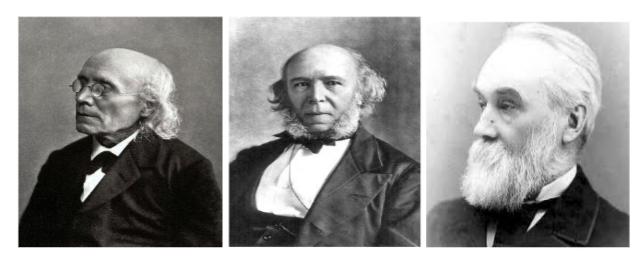
Gustav Theodor Fechner from 1801–1887, was a German physicist, philosopher, and pioneering experimental psychologist. As the founder of psychophysics—the discipline that developed methods for quantitatively measuring mental processes—he profoundly influenced modern psychology and philosophy. Fechner is best known for establishing the non-linear relationship between subjective sensation and the physical intensity of a stimulus, expressed in the formula S = K ln I, later known as the Weber–Fechner law. This work, published in the 1860 book Elemente der Psychophysik, established that the mind could be measured quantitatively and profoundly influenced modern psychology. Fechner proposed that severing the corpus callosum would result in two independent minds, a hypothesis he assumed would remain untestable. Decades later, neurosurgeons and neuroscientists such as Roger Sperry, and Michael Gazzaniga carried out callosotomy procedures on epileptic patients, in an attempt to generate the phenomenon Fechner had predicted. Although the traditional interpretation held that split brain patients possess two distinct spheres of consciousness, more recent studies suggest that a surprising degree of unity may persist despite the hemispheric disconnection.
4.3 HERBERT SPENCER AND JACKSON: EVOLUTIONARY AND NEUROLOGICAL PERSPECTIVES:
Herbert Spencer from 1820 to 1903, an influential English sociologist and philosopher, approached consciousness from a social perspective. In his work “The Synthetic Philosophy”1896, Spencer distinguished between animal and social organisms, stating that while an animal has a single consciousness for the whole, a social organism has consciousness in each individual member. Spencer’s work, particularly his “Principles of Biology,” was highly regarded during his time, which coincided with Darwin’s era. John Hughlings Jackson from 1835 to 1911, a British neurologist known for his studies on epilepsy and nervous system disorders, questioned the existence of a secret explanation for the mind in 1870. He proposed that all nervous centers must have a sensori-motor constitution if the doctrine of evolution is true. Jackson applied Spencer’s evolutionary associationism to the nervous system, using clinical evidence to support his theories. These three thinkers contributed significantly to the understanding of consciousness and the mind from different perspectives: Fechner through experimental psychology and psychophysics, Spencer through social and evolutionary philosophy, and Jackson through neurology and clinical observations.
5. The Dawn of Modern Neuroscience: Mapping the Brain Without Explaining the Mind:
The late 18th to early 20th centuries marked a transformative period in the study of the brain, as scientists began uncovering the biological foundations of human cognition. During this time, pioneering researchers made groundbreaking discoveries that shaped modern neuroscience.
5.1 BROCA, WERNICKE, AND THE DISCOVERY OF FUNCTIONAL LOCALIZATION:
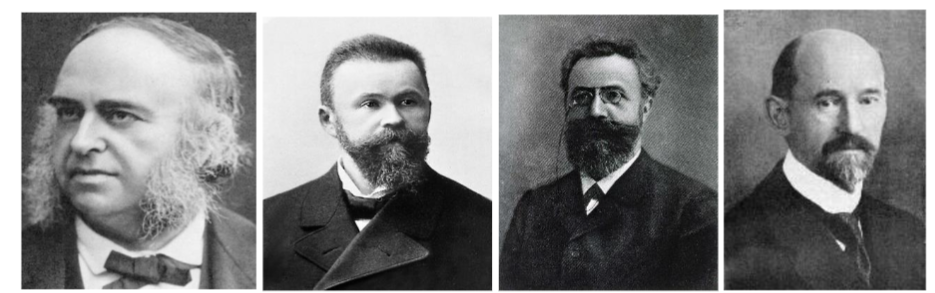
Pierre Paul Broca, from 1824 to 1880, a French physician, anatomist, and anthropologist, provided the first convincing evidence for cerebral localization. In 1861, he identified the motor center for oral speech, later named “Broca’s area,” by linking localized brain lesions to language expression. Broca argued that speech was an intellectual faculty rather than merely a motor function. In 1874, Carl Wernicke made a similar discovery with patients who could speak but not understand language, leading to the development of connectivism. This perspective suggested that only basic functions are localized in specific brain areas, while human intellect and abstract thinking extend beyond mere brain functions.
5.2 EBBINGHAUS AND THE EXPERIMENTAL STUDY OF MEMORY:
Hermann Ebbinghaus, from 1850 to 1909, a German psychologist, pioneered the experimental study of memory. He demonstrated that higher mental processes could be studied experimentally, challenging the prevailing view of his time. Ebbinghaus is known for his work on the forgetting curve and serial position effect, which he developed through meticulous self experimentation.
5.3 BRODMANN AND CORTICAL ARCHITECTURE:
Korbinian Brodmann from 1868 to 1918, mapped the cerebral cortex into 52 distinct regions, known as Brodmann areas, based on anatomical and histological characteristics. His work laid the foundation for understanding the functional specialization of different brain regions. The late 18th to early 20th centuries witnessed debates between associationists focused on psychological and philosophical approaches and proponents of neurolocalization with physiological perspectives. These discussions contributed to the evolving understanding of brain functions and their relation to human cognition and behavior.
5.4 RAMÓN Y CAJAL AND THE NEURON DOCTRINE:
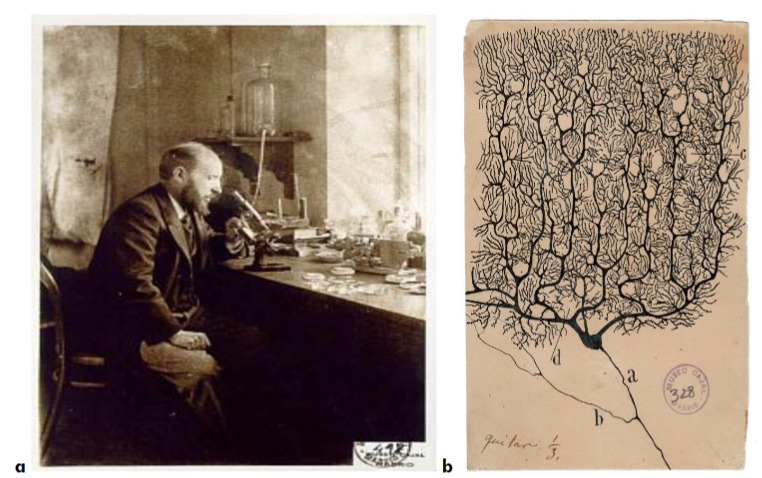
Santiago Ramón y Cajal from 1852 to 1934, was a Spanish neuroscientist, pathologist, and histologist who made groundbreaking contributions to the field of neuroanatomy. His work laid the foundation for modern neuroscience through two key concepts: The Neuron Doctrine which states that the nervous system is composed of individual cells called neurons, rather than a continuous network as previously believed. This theory, known as the neuron doctrine, established neurons as the structural and functional units of the nervous system. Using improved staining techniques and meticulous observations, Cajal provided evidence that neurons are discrete entities that communicate at specialized contact points, later termed synapses. Cajal also proposed that neurons are functionally polarized, with information flowing in a specific direction within the cell. He described that electrical impulses typically propagate from dendrites to the cell body and then to the axon. This principle helped explain how information is processed and transmitted through neural networks. Cajal’s work culminated in his masterpiece “Textura del sistema nervioso del hombre y de los vertebrados” (Texture of the Nervous System of Man and the Vertebrates), which provided a comprehensive histological description of the nervous system. His detailed drawings and observations revolutionized the understanding of brain structure and function. Cajal’s contributions earned him the Nobel Prize in Physiology or Medicine in 1906, shared with Camillo Golgi. His work not only established the cellular basis of the nervous system but also laid the groundwork for future research in neuroscience, including concepts of neuroplasticity and the potential for neuronal regeneration. In 1873, Italian researcher Camillo Golgi developed a revolutionary staining technique known as the “black reaction” or Golgi’s method, which allowed for the visualization of individual neurons. This breakthrough provided unprecedented clarity in studying the structure of nervous tissue and laid the groundwork for modern neuroanatomy. Camillo Golgi discovered what is now called the Golgi apparatus, a major cellular organelle. Santiago Ramón y Cajal, utilized Golgi’s method to advance his own research, leading to the formulation of the neuron doctrine. While Cajal is often regarded as a proponent of a purely materialistic view of consciousness, his writings indicate an openness to exploring the interplay between neurons and broader concepts like soul and mind. His pioneering work continues to impact consciousness studies and remains a cornerstone in understanding brain function and structure. Cajal was not strictly materialistic. He directly rejected the idea that the brain explains everything. He maintained that neuroscience could describe the structure and function of neurons but could not fully account for subjective experience, consciousness, or the soul. Cajal wrote that science “cannot explain the essence of the self” and that the mind “transcends the mechanisms through which it expresses itself.” He sometimes referred to the “spiritual nature” of humans and the “moral soul,” particularly in his philosophical essays (Charlas de café, “Cuentos de vacaciones”), reflecting his belief that not all aspects of mind could be scientifically dissected. From Cajal’s Recuerdos de mi vida 1901, autobiographical work, he wrote: “Like an entomologist pursuing brilliantly colored butterflies, my attention sought, within the garden of the brain’s gray matter, those nerve cells with their delicate and elegant shapes—those mysterious butterflies of the soul, whose fluttering wings may one day reveal the secret of mental life.”
5.5 WILDER PENFIELD AND THE FAILURE TO EVOKE THOUGHT BY BRAIN STIMULATION:
Wilder Penfield, from 1891 to 1976, was a pioneering neurosurgeon at the University of Montreal, known for his groundbreaking work in epilepsy surgery and cortical mapping. He developed the “Montreal Procedure,” which involved stimulating the brain’s surface while patients were awake to map sensory and motor functions accurately. This method helped identify and remove epileptogenic tissue while preserving crucial brain areas. Initially, Penfield held a materialistic view, believing that human consciousness was solely a product of the brain. However, after performing numerous surgeries and stimulating various brain regions, he found that he could not evoke intellectual thought, reason, or will through stimulation. This led him to conclude that these aspects of consciousness might not originate from the brain alone. Penfield’s observations contributed to the debate on mind brain dualism. Despite his extensive mapping of brain functions, he noted that free will and intellectual faculties could not be artificially induced, suggesting that they might reside beyond physical brain structures. His work provided significant insights into the relationship between brain activity and conscious experience, challenging purely materialistic interpretations of consciousness.
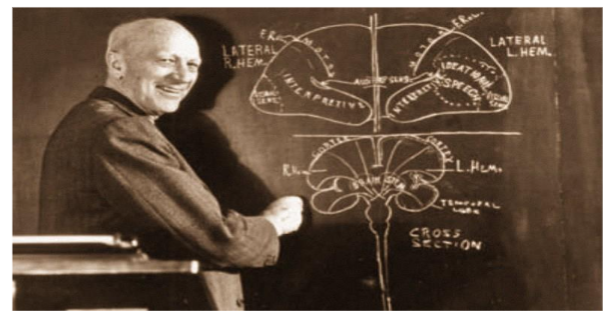
5.6 ROGER SPERRY, MICHAEL GAZZANIGA, AND SPLIT-BRAIN CONSCIOUSNESS:
Roger Wolcott Sperry, from 1913 to 1994, was an American neuropsychologist and neurobiologist whose pioneering work fundamentally reshaped our understanding of brain function and consciousness. His research on split brain patients—individuals who had undergone corpus callosotomy for medically intractable epilepsy, earned him the 1981 Nobel Prize in Physiology or Medicine (half), shared jointly with David Hubel and Torsten Wiesel (quarter for each). Although corpus callosotomy had been first introduced in the 1930s–1940s by the American neurosurgeon William P. Van Wagenen as a means of preventing the rapid interhemispheric spread of seizures, it was Sperry and his collaborators who revealed its profound implications for human cognition. Sperry’s experiments demonstrated several foundational principles:
- Hemispheric specialization: The left hemisphere showed dominance for language, analytic reasoning, and sequential processing, whereas the right hemisphere excelled in visuospatial, holistic, and creative tasks.
- Independent processing: Once the corpus callosum was severed, each hemisphere could process information independently, producing distinct perceptual and cognitive responses under controlled experimental conditions, what became known as the “split-brain” phenomenon.
- Dual yet integrated consciousness: While laboratory testing revealed two separate streams of awareness, each hemisphere possessing its own perceptions patients nonetheless experienced a single, unified personal identity in everyday life, with the left hemisphere often integrating or verbally rationalizing the actions of the right.
- Compensatory and cross-cueing strategies: Despite reduced interhemispheric communication, patients developed behavioral strategies to work around the disconnection, including cross-cueing, body movements, and other subtle mechanisms that allowed information to be indirectly shared between hemispheres.
- Challenging earlier views of brain–mind unity: Sperry’s findings demonstrated that consciousness is not a monolithic output of a single hemisphere but emerges from the dynamic interaction between specialized neural systems.
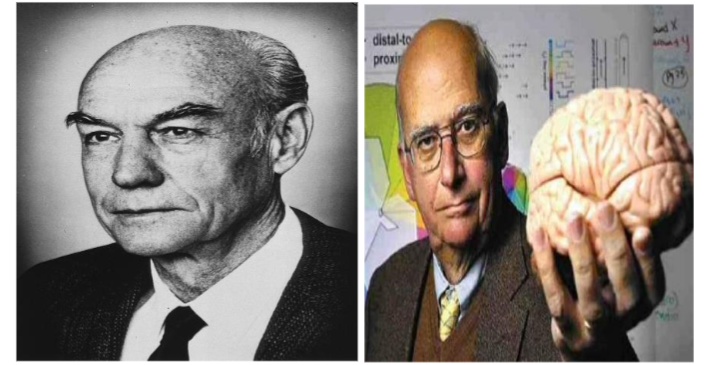
Beyond his split-brain studies, Sperry also formulated the influential Chemoaffinity Hypothesis, which proposed that growing neurons use specific molecular markers to locate and connect with their correct targets, a theory foundational to modern developmental neurobiology and neural plasticity. Michael S. Gazzaniga, the father of cognitive neuroscience and Sperry’s student, collaborator, and later a leading figure in cognitive neuroscience, expanded this work and confirmed that while callosotomy produces distinct hemispheric processing channels, it does not create two independent personalities. Instead, the human brain demonstrates remarkable integrative capacity, preserving a coherent sense of self even when the primary interhemispheric conduit is severed. Together, the work of Sperry and Gazzaniga transformed scientific understanding of brain lateralization, neural development, and the neurobiological foundations of consciousness.
6. A New Scientific Horizon: From Brain-Bound Models to Heart-Centered Paradigms:
For over a century, consciousness research has been dominated by a brain-centric model that explains awareness through neural computation and metabolism. While valuable, this paradigm has not resolved how consciousness originates or how it integrates information. A new heart-centered, field-oriented perspective is now emerging from the convergence of historical insight, neurocardiology, biophysics, and environmental physiology. Across ancient traditions, philosophy, and early medicine, the heart was regarded as the seat of intellect and intuitive knowing—views long dismissed but increasingly supported by modern science. Research now shows that the heart generates the body’s strongest electromagnetic field, possesses its own intrinsic nervous system, sends extensive information to the brain, and responds to geophysical and solar rhythms. Over the past three decades, the HeartMath Institute has been central to advancing this shift, providing empirical evidence for heart–brain interactions, psychophysiological coherence, and human sensitivity to planetary electromagnetic fields. My long collaboration with Dr. Rollin McCraty helped crystallize these insights into the Heart Based Resonant Field (HBRF) Theory, which proposes that consciousness arises through dynamic interactions among cardiac physiology, neural systems, and multiscale environmental fields. Recent neuroscience further reinforces this direction: fast electromagnetic synchrony—not slower metabolic signals—most directly tracks conscious awareness. Meanwhile, landmark long-term studies, including a 2018 Nature Scientific Reports paper, show that human cardiac dynamics correlate with solar and geomagnetic activity. Taken together, history, modern biophysics, and high-resolution data point to a transformative conclusion: the heart is a neuro-electromagnetic organ intricately linked with the body and the planetary environment. The HBRF Theory marks a scientific renaissance, reconnecting ancient wisdom with contemporary evidence and offering a unified, field-based model of human consciousness.
6.1 HEARTMATH INSTITUTE AND THE EMERGENCE OF HEART BRAIN RESEARCH OVER THE PAST FOUR DECADES:
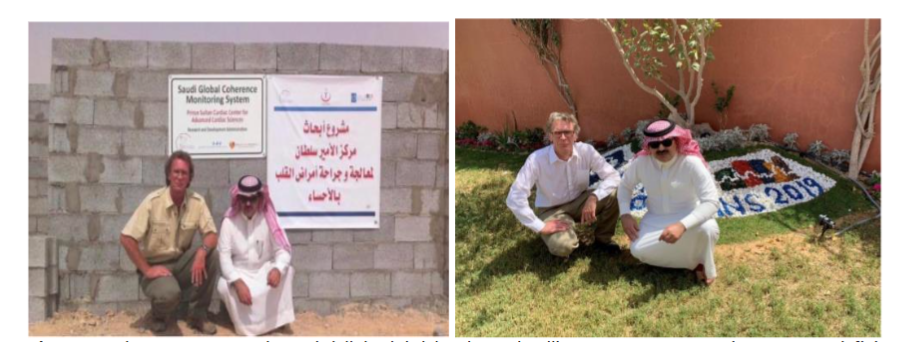
In the last decades, the HeartMath Institute has become a leading international center advancing rigorous inquiry into the heart’s neurophysiological, electromagnetic, and psychophysiological functions. Through pioneering work in heart–brain communication, heart rate variability (HRV), informational dynamics, and planetary electromagnetic coupling, the institute has contributed a substantial empirical foundation for an expanded model of human consciousness. My personal journey in the field started 2008 when I invited Rollin McCraty the chief scientist in HeartMath Institute to be my academic partner in the King of Organs International Congress for Advanced Cardiac Sciences, a series of high quality unique meetings with the central theme of discovering the undiscovered information processing role of human heart and its holy and scientific position as cradle of human consciousness and human being spirit. My long and scientifically generative collaboration with Dr. Rollin McCraty—a central figure whose leadership has shaped modern neurocardiology and biophysical coherence research—has played a decisive role in this evolution. This partnership, grounded in a shared scientific mission and a profound personal connection as “heart and spirit brothers,” has been instrumental in advancing this transformative perspective. Our joint efforts culminated in the development of an integrative synthesis that unifies diverse experimental findings into a coherent framework positioning the human heart as a pivotal organ in consciousness science. This unique collaborative work over two decades herald the conception of my Heart-Based Resonant Field (HBRF) Theory.
6.2 HISTORICAL TRAJECTORIES TOWARD A HEART CENTERED SCIENCE OF CONSCIOUSNESS
In light of the long historical arc traced from classical Greek philosophy to Islamic Golden Age psychology, and from early experimental neurology to contemporary biophysics, the re-emergence of a heart centered paradigm reflects not a departure from scientific progress but its natural maturation. Across centuries, seminal thinkers have independently pointed toward the limits of a brain exclusive model of consciousness. Aristotle’s “De Anima” discusses the intimate connection between the soul and the body, Galen’s distributed soul, and Lucretius’ localization of intellect within the chest inaugurated an intellectual tradition that viewed cognition as an organism wide phenomenon. Islamic scholars such as al-Rāzī, Ibn Sīnā, and al-Ghazālī deepened this trajectory, articulating a multilayered conception of the qalb as both physiological regulator and locus of inner awareness, an interpretation uniquely clarified today by the Heart-Based Resonant Field (HBRF) framework. Their insights anticipated modern findings that the heart possesses intrinsic neurocircuitry, exerts top down influence on the brain, and generates the body’s most powerful electromagnetic field. In the modern era, pioneering neuroscientists inadvertently reinforced these earlier intuitions by revealing the brain’s constraints. Fechner’s psychophysics, Jackson’s evolutionary neurology, and Broca and Wernicke’s localization studies showed that neural regions mediate functions without explaining the origin of subjective experience. Ramón y Cajal’s neuron doctrine mapped the architecture of cognition, yet he himself acknowledged the inability of material structures to account for the “mysterious butterflies of the soul.” Penfield’s failure to evoke thought or will through cortical stimulation, and later split-brain research by Sperry and Gazzaniga, exposed the brain’s remarkable functional complexity but also its fragmentation, suggesting that unity of consciousness requires integrative mechanisms beyond synaptic processing. The advent of neurocardiology, quantum biology, and bioelectromagnetics has now revealed what earlier traditions intuited but could not measure: that coherent electromagnetic fields, especially the cardiac field, play a central organizing and informational role within the human system.
7. The Heart-Based Resonant Field (HBRF) Theory Within a Historical Continuum
7.1 THE HBRF THEORY AS A SCIENTIFIC TURNING POINT
The appearance of high resolution, long duration experimental evidence linking human physiological coherence to fluctuations in electromagnetic fields, from the Earth’s surface to the heliosphere, marks a major scientific inflection point. It expands the study of consciousness beyond the confines of the skull and reveals a bidirectional, resonant relationship between the human organism and the planetary cosmic environment. This shift may validly be described as a “Grand Renaissance” in consciousness research, one that reconnects empirical science with ancient insights while grounding them in measurable biophysical mechanisms.
7.2 THE HBRF THEORY: TOWARD A UNIFIED, FIELD-DEPENDENT MODEL OF CONSCIOUSNESS
Building on these developments, the Heart-Based Resonant Field (HBRF) Theory integrates intrinsic cardiac neurophysiology, HRV and coherence research, geophysical and heliophysical resonance data, and quantum biological models of coherence and field interaction. Together, these domains form a comprehensive framework in which the heart operates as a central regulatory and informational node linking the body, the brain, the autonomic network, and the broader electromagnetic environment. Within this paradigm, consciousness is reconceived as a distributed, field-sensitive phenomenon shaped by the dynamic interplay between endogenous physiological organization and multiscale environmental fields.
7.3 THE HBRF PERSPECTIVE, EXTENDING, NOT REPLACING NEUROSCIENCE
The emerging heart centered paradigm does not negate the major achievements of modern neuroscience. Instead, it extends the scientific horizon, offering a more comprehensive explanatory architecture that encompasses: neural activity, cardiac and autonomic regulation, electromagnetic coupling, quantum coherence, and cosmological influences. For a field long constrained by brain centric assumptions, this expansion opens new conceptual space, perhaps for the first time in centuries—for a truly integrative science of consciousness grounded in empirical evidence, historical continuity, and a renewed appreciation of the heart’s central role.
7.4 TEMPORAL DISSOCIATION IN NEUROSCIENCE SUPPORTING FIELD BASED CONSCIOUSNESS:
Modern neurophysiology reveals a fundamental temporal dissociation between fast electrophysiological activity and slower metabolic responses in the brain, offering critical insights for field-based models of consciousness. While cortical neurons generate electrical and magnetic signals on the millisecond scale, captured with high fidelity by EEG and MEG, hemodynamic responses measured by fMRI lag behind neuronal firing by several seconds due to vascular and metabolic delays. This asymmetry highlights two distinct functional domains: a rapid electromagnetic domain in which coherent neural field dynamics integrate information and support real time awareness, and a slower metabolic domain that sustains and records the consequences of these fast processes. Converging evidence from simultaneous EEG–fMRI and MEG–fMRI studies shows that bursts of neural synchrony consistently precede hemodynamic changes, and that loss of consciousness is associated with disrupted long range electromagnetic coherence even when metabolic activity remains partly preserved. These findings reinforce the view, central to the Heart Based Resonant Field (HBRF) Theory, that consciousness is primarily an emergent property of coherent electromagnetic field interactions generated by synchronized neuronal assemblies, while metabolic processes serve as a supportive but temporally secondary substrate. This temporal hierarchy strengthens the conceptual shift from brain bound, metabolically inferred models toward a unified, field dependent understanding of consciousness. Transcendence of scientific power to this holistic prospect, will contribute to solve historical puzzles thought one day to be magic beyond scientific solid facts.
Conclusion
Across more than two millennia of inquiry, a striking pattern emerges: while the brain contributes crucial computational and perceptual functions, it has never adequately accounted for the origins of awareness, volition, or the persistent unity of the self. Historical testimonies, from Aristotle to al-Ghazālī and Ibn Sīnā, recognized the heart as the locus of insight, intention, and spiritual perception. Modern scientific evidence now provides an empirical foundation for these insights. Contemporary neurocardiology reveals the heart’s intrinsic nervous system, its dominant electromagnetic field, and its extensive afferent pathways to the brain. Long-term space physiology research demonstrates that human cardiac coherence is sensitive to geomagnetic and solar activity, challenging the long standing assumption that consciousness must be localized within cortical tissue. The Heart Based Resonant Field (HBRF) Theory integrates these threads into a unified, field-based model in which consciousness arises from the dynamic interplay of neuroelectromagnetic synchronization, cardiac coherent oscillations, and resonant coupling with geophysical and heliophysical structures. This paradigm extends, not opposes, modern neuroscience by placing neural mechanisms within a broader multi-organ, multi-field, and multi-scale energetic architecture. It also resolves long-standing philosophical impasses by demonstrating that consciousness operates both as an intrinsic biological phenomenon and as a system capable of participating in larger cosmic fields. By bridging ancient wisdom, classical medical philosophy, modern neurophysiology, and cutting-edge biophysical research, the HBRF Theory inaugurates a transformative scientific era, a Grand Renaissance of consciousness science. It positions the human heart not merely as a pump or metaphor, but as a central regulatory, perceptual, and resonant organ linked to the body, the brain, the Earth, and the wider cosmos. This work calls for a new research frontier in which consciousness is studied as a distributed, field sensitive, and cosmologically embedded phenomenon, opening the path for a deeply integrated science of the human being.
AI Statement
During the preparation of this work the author used [GPT 4 Plus] in order to summarize long sections, improve readability and rearrange references. After using this service, the author reviewed and edited the content as needed and take full responsibility for the originality and content of the publication.
References
- Alabdulgader A. The great debate toward conceiving the fundamental laws of the universe: revelation against experimentation. Eur J Appl Sci. 2025;13(2):1-15. doi:10.14738/aivp.1302.18403
- Aristotle. De Anima (On the Soul). In: Smith JA, trans. Barnes J, ed. The Complete Works of Aristotle. Princeton, NJ: Princeton University Press; 1984.
- Alabdulgader AA. Human consciousness: the universal heart-based resonant frequencies and the massive ecosystems hierarchy. Arch Neurol Neurosci. 2020;9(2):709.
- Lucretius. On the Nature of Things. Rouse WHD, trans. Smith MF, rev. Cambridge, MA: Harvard University Press; 1992.
- Freemon FR. Galen’s ideas on neurological function. J Hist Neurosci. 1994;3(4):263-271. doi:10.1080/09647049409525619
- Rosch PJ, Al Abdulgader A. Unappreciated contributions of Arabic physicians to cardiology and why the heart is truly the “king of organs.” Cardiol Vasc Res. 2021;5(1):1-12.
- Adamson P. Philosophy in the Islamic World: A History of Philosophy Without Any Gaps. Vol 3. Oxford, UK: Oxford University Press; 2016.
- Goodman LE. The soul and its powers: Razi’s psychology. J Am Orient Soc. 1992;112(1):1-12.
- Souayah N, Greenstein JI. Insights into neurologic localization by Rhazes, a medieval Islamic physician. Neurology. 2005;65(1):125-128. doi:10.1212/01.wnl.0000167603.94026.ee
- Al-Ghazali. Marvels of the Heart. Skellie WJ, trans. Cambridge, UK: Islamic Texts Society; 2010.
- Frank RM. Al-Ghazali and the Ash’arite School. Durham, NC: Duke University Press; 1994.
- Griffel F. Al-Ghazali’s Philosophical Theology. Oxford, UK: Oxford University Press; 2009.
- Treiger A. Inspired Knowledge in Islamic Thought: Al-Ghazālī’s Theory of Mystical Cognition. New York, NY: Routledge; 2011.
- Anzulewicz H, Rinotas A. Albert the Great on soul: some hermeneutical issues. Philosophies. 2025;10(5):108. doi:10.3390/philosophies10050108
- Young RM. The functions of the brain: Gall to Ferrier (1808-1886). Isis. 1968;59(3):250-268.
- Fechner GT. Elemente der Psychophysik. Leipzig, Germany: Breitkopf und Härtel; 1860.
- Heidelberger M, Klohr C. Nature From Within: Gustav Theodor Fechner and His Psychophysical Worldview. Pittsburgh, PA: University of Pittsburgh Press; 2004. doi:10.2307/jj.10984425
- Young GB, McLachlan RS, Seshia SS. Wilder Penfield and Herbert Jasper: epilepsy and the functional anatomy of the human brain. Can J Neurol Sci. 2024:1-2. doi:10.1017/cjn.2024.297
- Sasai S, Boly M, Mensen A, Tononi G. Functional split brain in a driving/listening paradigm. Proc Natl Acad Sci U S A. 2016;113(50):14444-14449. doi:10.1073/pnas.1613200113
- Morrison WD. Mind. Mind. 1897;6(22):241-245.
- Broca P. Remarques sur le siège de la faculté du langage articulé, suivies d’une observation d’aphémie. Bull Mem Soc Anat Paris. 1861;6:330-357.
- Wernicke C. Der aphasische Symptomencomplex. Breslau, Germany; 1874.
- Ebbinghaus H. Über das Gedächtnis. Leipzig, Germany; 1885.
- Zilles K. Brodmann: a pioneer of human brain mapping—his impact on concepts of cortical organization. Brain. 2018;141(11):3262-3278. doi:10.1093/brain/awy273
- Ramón y Cajal S. Histology of the Nervous System of Man and Vertebrates. New York, NY: Oxford University Press; 1995. doi:10.1093/oso/9780195074017.001.0001
- Penfield W, Symonds C. Mystery of the Mind: A Critical Study of Consciousness and the Human Brain. Princeton, NJ: Princeton University Press; 1975.
- Mathews MS, Linskey ME, Binder DK. William P. van Wagenen and the first corpus callosotomies for epilepsy. J Neurosurg. 2008;108(3):608-613. doi:10.3171/JNS/2008/108/3/0608
- Wolman D. The split brain: a tale of two halves. Nature. 2012;483:260-263. doi:10.1038/483260a
- Alabdulgader A, McCraty R, Atkinson M, et al. Long-term study of heart rate variability responses to changes in the solar and geomagnetic environment. Sci Rep. 2018;8:2663. doi:10.1038/s41598-018-20932-x
- Al Abdulgader AA. Quantum consciousness and the heart-based resonant frequencies theory. Arch Neurol Neurosci. 2021;9(4):719.
- Zhang X, Pan WJ, Keilholz SD. The relationship between BOLD and neural activity arises from temporally sparse events. Neuroimage. 2020;207:116390. doi:10.1016/j.neuroimage.2019.116390
- Bondi E, Ding Y, Zhang Y, Maggioni E, He B. Investigating neurovascular coupling across multiple motor execution and imagery conditions: a whole-brain EEG-informed fMRI analysis. Neuroimage. 2025;317:121311. doi:10.1016/j.neuroimage.2025.121311
- Alabdulgader A. The heart as a macroscopic coherence generator: a quantum biological theory of living awareness and the impossibility of artificial consciousness (Heart-Based Quantum Biophysical Consciousness Model). Med Res Arch. 2026;14(1). doi:10.18103/mra.v14i1.7159
- Alabdulgader A. Beethoven’s ninth symphony and non-auditory creative cognition: a neurocardiac biophysical framework resolving a 200-year-old scientific enigma based on the Alabdulgader Heart-Based Resonant Field Theory. Med Res Arch. 2026;14(3). doi:10.18103/mra.v14i3.7289