


Adolf Beck: Pioneer of Electroencephalography
Adolf Beck: A Forgotten Yet Prominent Pioneer in Electroencephalography
Anton Coenen Donders¹
- Centre for Cognition, Radboud University, Nijmegen, The Netherlands
OPEN ACCESS
PUBLISHED:31 March 2025
CITATION: Donders, AC., 2025. Adolf Beck: A Forgotten Yet Prominent Pioneer in Electroencephalography. Medical Research Archives, [online] 13 (3).
https://doi.org/10.18103/mra.v13i3.6286
COPYRIGHT: © 2025 European Society of Medicine. This is an open-access article distributed under the terms of the Creative Commons Attribution License, which permits unrestricted use, distribution, and reproduction in any medium, provided the original author and source are credited.
DOI https://doi.org/10.18103/mra.v13i3.6286
ISSN 2375-1924
ABSTRACT
Adolf Beck (1863-1942), affiliated to the Jagiellonian University in Kraków (Poland), worked under supervision of the famous Napoleon Cybulski at the Department of Physiology. Beck performed innovative studies in recording the electrical activity on the cerebral cortex of animals. He studied in detail the features and hallmarks of the electrical brain activity of animals. Therefore Beck can be regarded as a main although forgotten pioneer of electroencephalography and his work has greatly facilitated the development of electroencephalography, as a main tool for studying the brain. Much later Beck’s achievements provided the stepping stone for German Hans Berger working in a clinic in Jena (Germany), to replicate Beck’s recordings in humans. In 1928 Berger claimed that he was able to register the electroencephalographic activity of an intact human skull. He promoted Beck’s animal methodology to a non-invasive brain registration method for humans. Furthermore, it appeared that the electroencephalography had clinical perspectives. Adolf Beck and Hans Berger were the two greatest pioneers of electroencephalography: Beck described the principles of the registration methodology and analysed the main registration-features, while Berger noticed that the method could be used in humans having medical and clinical perspectives. Beck is the main pioneer of the principles of electroencephalography, whereas Berger, given the medical implications is commonly seen as the important inventor of the electroencephalogram. After his scientific work in Kraków, Beck was appointed professor in physiology at the nearby Jan Kazimierz University in Lemberg. Beck was a great teacher in physiology, but besides lecturing he performed many experiments in several topics of physiology, but studied in particular with his old professor Cybulski and new colleague Gustav Bikeles, the location of sensory cortical areas with electroencephalography. Soon Beck became Dean and served later the University as a Rector. In 1916 when the Russian army occupied Lemberg, Beck was imprisoned as a prominent citizen in Kyiv, but back in Lemberg he started again his work at the university. The year 1919 was a great year for Poland, because it obtained independency and Lemberg got back its Polish name Lwów. In the second World War life became dangerous for the Jewish Beck. Lwów was occupied by the Nazis but Beck decided to stay in his city. When it became too dangerous, he was brought to a hiding place, where he was betrayed. When the Nazis arrested him, his son Henryk succeeded to hand his father a capsule with cyanide. This gave him the opportunity to commit suicide before the Nazis could send him to the gas chamber. Beck’s life ended on August 7, 1942. A remarkable similarity can be seen between the two main pioneers of electroencephalography: Adolf Beck and Hans Berger. Initially, their work was not taken seriously, but later they became celebrities. Beck missed the Nobel Prize though he was nominated three times, while Berger could not travel to Stockholm to receive the Prize. For unknown reasons, Berger was forced by the Nazis even to give up his professor’s chair in 1938. This was a hard blow for Berger and he fell in a serious depression. Due to the actions of the Nazis, Berger committing suicide on June 1, 1941, while a year later the Jewish Beck took his life.
Keywords
Adolf Beck, electroencephalography, neuroscience, history of medicine, Hans Berger
Beck’s Place in Electroencephalography
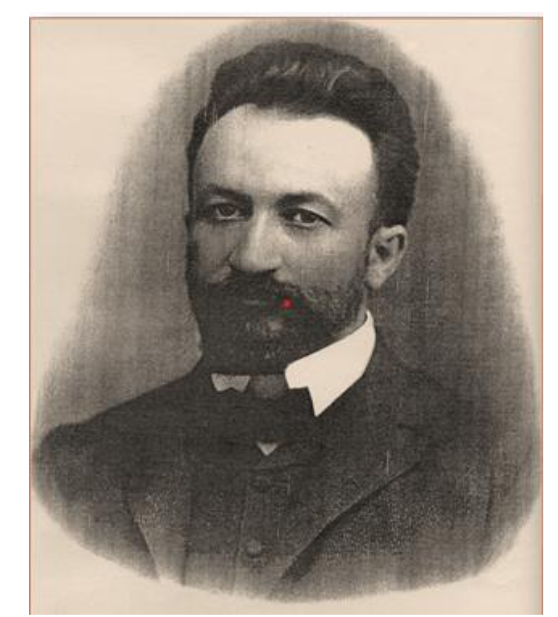
The history of electroencephalography starts in the year 1890, when a certain dr. A. Beck (1863 – 1942), affiliated to the Jagiellonian University in Kraków, published a short paper in the leading European physiology magazine ‘Centralblatt für Physiologie. The paper was entitled ‘Die Bestimmung der Localisation der Gehirn- und Rückenmarksfunctionen vermittelst der elektrischen Erscheinungen’. Surprisingly, the paper got an enormous attention. A beginning physiologist, Adolf Beck, an assistant of the famous physiologist Napoleon Cybulski, described the spontaneous and evoked electrical activities in the brain of dogs and rabbits. The young Polish physiologist was able to localise the sensory modalities of the cerebral cortex by electrical recordings evoked by sensory stimulation. Doing this, Beck found not only the evoked electrical responses, but also the spontaneous fluctuations of the brain potentials and showed further that these oscillations had to be regarded as genuine electrical brain activities. Moreover, Beck brought up the decrease in the amplitude of these potentials upon sensory stimulation, and a cessation in the fluctuations of the electrical waves as a consequence of afferent stimulation. Therefore, he had three essential elements in the electric activity described: the spontaneous fluctuations in the amplitude of the waves, the ‘evoked potentials’ after sensory stimulation and the ‘desynchronisation’ in the electrical waves after stimulation. Consequently, it was understandable that the 27-years old Beck claimed to be the discoverer of the electrical brain activity, later indicated as the electroencephalogram.
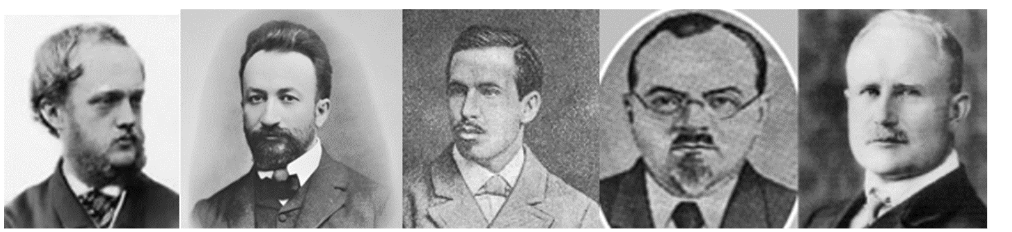
Seldom has a publication evoked such a polemic in the world of physiology. A spate of claims followed for priority of finding the electrical brain activity. The first one was from Ernst Fleischl von Marxow (1846-1891), a famous physiology professor of the University of Vienna (Austria). He wrote that he had already, seven years earlier, deposited a covert letter at the Imperial Academy of Sciences in Vienna, containing claims on the electrical brain activity. Indeed, in that sealed letter indications of electrical brain activity were given, but Fleischl’s observations missed crucial points. It must be noticed that Fleischl at that time already suffered from chronic pains and he was treated with morphine and cocaine by his friend Sigmund Freud. Fleischl became addicted and died soon. Another remarkable response came from Vasiliy Y. Danilevsky (1852-1939), an Ukrainian-born Russian scientist working at the University of Charkov (Ukraine). In his letter to the ‘Centralblatt für Physiologie’, Danilewsky mentioned his doctoral thesis ‘Investigations in the physiology of the brain’, written in the Russian language at an age of 25 years. In that thesis, he described his research on the electrical activity of a dog’s brain, and gave a description of the fluctuating brain potentials which he had registered. He briefly mentioned the desynchronisation process as well. Unfortunately, Danilevsky did not publish his thesis in 1877, but presented only a summary of his thesis in the ‘Centralblatt für Physiologie’ as a response-publication to Beck but not earlier than 1891. Englishmen Francis Gotch (1853-1913) and Victor Horsley (1257-1916) also responded. Gotch, the descriptor of the refractory phase after a nerve impulse, performed experiments showing the electrical responses of the spinal cord to cortical stimulation. He did this together with his brother-in-law, the famous Horsley, the designer of the stereotactic apparatus. Just as Fleischl, however, Gotch and Horsley overlooked essential elements, such as the spontaneous oscillations and the cessation of these fluctuations after stimulation.
The discussion concerning the claim on the discovery of the electrical brain activity was abruptly ended by a letter of Richard Caton (1842-1926) of the School of Medicine in Liverpool. Caton, a young medical physiologist from Bradford (England), referred to a brief abstract of about 10 sentences, which appeared 15 years earlier, in 1875. In this abstract in the British Medical Journal, Caton described the spontaneous waxing and waning of the electrical activity recorded from the brain of rabbits and monkeys. The abstract appeared on the occasion of a meeting of the British Medical Association in February 1875. Nowadays, it is generally accepted that Caton’s abstract published in 1875 contains the first description of the electroencephalogram. Regrettable for Caton was that his findings ‘produced no single ripple in the pool of physiologists’ and was overlooked completely. Later, Caton resigned from physiology and became Lord Mayor of Liverpool. His family and colleagues were unaware of his discovery, since he took deliberate steps to hide the fact that he had worked on the brain of animals.
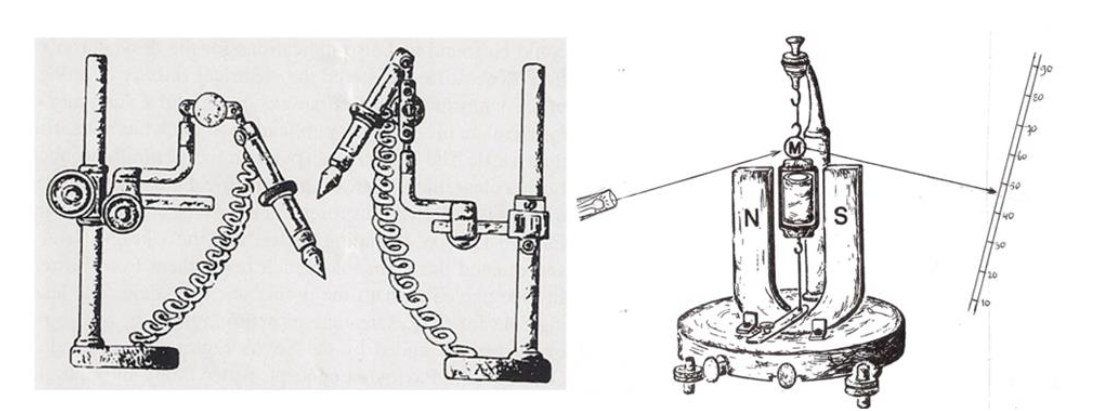
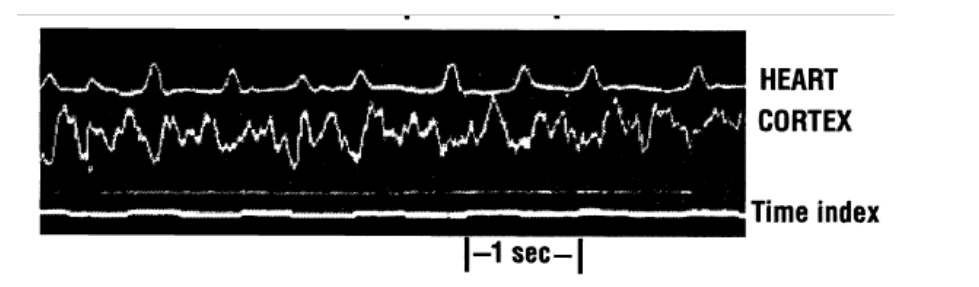
Beck was, as all physiologists, not aware of Caton’s work, but he explored the electrical brain activity much more extensively than Caton did. Beck delivered important contributions to the nature of electrical brain activity. He accurately described the localization of sensory modalities on the cerebral cortex by electrical and sensory stimulation, followed by recording the electrical activities. He did this with clay electrodes and a mirror galvanometer. The abstract he sent to the ‘Centralblatt für Physiologie’ in 1890 was a summary of his extensive thesis which was published one year later in the Polish language. This thesis was later, in 1973, on the initiative of the expert in the history of neuroscience, Mary Brazier, translated into English. Beck explored, in frogs, as well as in dogs and rabbits, the parts of the cortex which reacted upon stimulation with electronegativity. This was tested for several sensory modalities, and in fact this was the first description of ‘evoked potentials’. Doing this, Beck has also found the spontaneous oscillations of brain potentials and showed that these fluctuations were not related to heart and breathing rhythms. Caton had already noticed the spontaneous fluctuations of the waves. But Beck brought up new elements: the event-related potentials and the potential decrease upon sensory stimulation. He observed a cessation in the fluctuations of the electrical waves as a consequence of afferent stimulation. Thus, he was the first who described the desynchronisation in the electroencephalogram following stimulation.
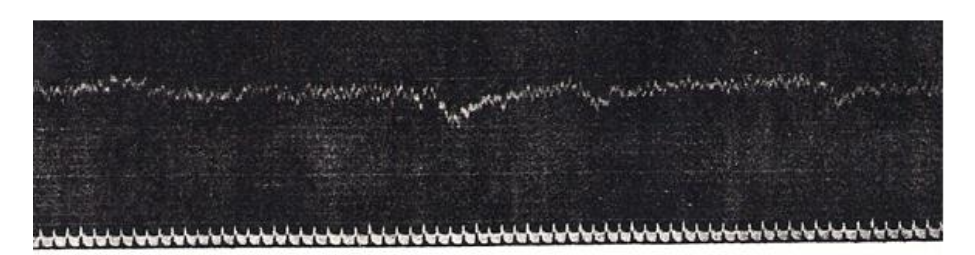
A typical experiment of Beck carried out on an immobilized rabbit, is reported in detail in his thesis. In a rabbit the right hemisphere was exposed and both electrodes were three mm apart placed on the occipital region, parallel to the sagittal suture. The oscillations were weak and slowly varying. Beck mentioned the deflections of the galvanometer, which were amplified by a light beam falling on a small mirror fixed on the galvanometer wire. He noticed by hand the deflections of the beam which were directed to a metric scale, although with an unknown sample rate. In the figure the original data of his experiment are used, plotted as a DC registration and filtered with a bandwidth between 1 and 30 Hz. The spontaneous oscillations are visible and Beck observed the visual evoked potential after the flash. Most probably the stimulation of the eye with light activated the centers of the visual area of the cerebral cortex, and as a result an electronegative potential appeared in that region of the cortex. The evoked potential recorded over the occipital cortex is followed by a desynchronisation, while after the hand clap only a desynchronisation is visible in the visual part of the cortex. This blocking phenomenon, firstly noticed by Beck, is in essence a counter-intuitive finding: the consequence of stimulation is that the electrical activity decreases in amplitude instead of an expected increase. As can be supposed, Beck had problems with the interpretation of this strange phenomenon of desynchronization. Since small amplitude, high frequency waves could not be registered as such with Beck’s insensitive equipment, a desynchronisation is expressed in a flat line.

From Animal to Human Electroencephalography
It was already forty years later that the German Hans Berger (1873-1941) published his first paper about recordings of the electrical activity from the surface of the human brain. Although he had earlier started with dogs in 1902, he switched to human studies in 1924. His children, son Klaus and daughter Ilse, were main, obedient, but often unwilling, subjects. On October 14th, 1927, Berger exclaimed: ‘Eureka! The waves of Klaus are identical to the intracerebral recorded waves. I am able to record the electroencephalogram of an intact skull!’. Berger was the first who recorded the electrical activity of the human brain, and promoted so the technique as a non-invasive registration with obvious clinical perspectives. Moreover, it appeared from his publication from 1929 that Berger was aware of studies published earlier. In an interesting historical introduction of his lengthy paper, he gave full credit to all researchers, even to Caton and Beck. Indeed, already described were the main phenomena, such as the spontaneous fluctuations, the blocking after sensory stimulation, as well as the existence of two pattern rhythms. These rhythms were first distinguished in dogs by Wladimir Práwdicz-Neminski (1879-1952) in 1913, and were initially denoted as ‘waves of the first order’ and ‘waves of the second order. These were later called A-waves and B-waves, and nowadays: alpha- and beta-waves. Práwdicz-Neminski, who worked at the Kiev University of St. Vladimir and later at the Ukrainian Academy of Sciences, was also the researcher who coined the German term ‘Elektrocerebrogramm’. For linguistic reasons, Berger changed it to ‘Elektrenkephalogramm’, which in English was translated as ‘electroencephalogram’, abbreviated as ‘EEG’.
Hans Berger was a neuropsychiatrist at the hospital of Jena (Germany), and was strongly interested in clinical applications of the electrical brain activity. Berger had a more sensitive galvanometer than his predecessors, while at the same time amplifiers came on the scene. He described the conditions under which alpha- and beta-waves appeared in humans, and these waves placed Berger with an analogous problem as Beck. He noticed that the small beta-waves arose in higher mental brain states than the larger alpha waves, appearing under low-active states. Berger discussed this only in vague statements, since he was not focused on theory and had a pragmatic attitude. He described changes in the electrical brain waves during sleep and narcosis, and recorded aberrant activities during epileptic attacks in humans. Berger came to the conclusion that the electroencephalogram was not only a major breakthrough in neurophysiology, but also saw that this technology was of outstanding importance as a diagnostic tool. Also important for Berger was that recognized neurophysiologists of that time, who recorded action potentials from large squid nerves, became less sceptical to this work. Till that time they considered the strange and global brain activity as an artefact. Edgar Adrian (1889-1977) and Bryan Matthews (1906-1985), recognized neurophysiologists at the University of Cambridge (UK), even started to replicate Berger’s findings. After their positive replications, his results were considered seriously. In this way Berger could slowly convince scientists of the value of the new method and was able to promote this technique for recording the human brain activity as a clinical tool. Since that time, the electroencephalographic methodology is indispensable in clinical neurophysiology. For all these reasons, Beck’s valuable data provided the stepping stone for Berger trying to record the electric activity in humans.
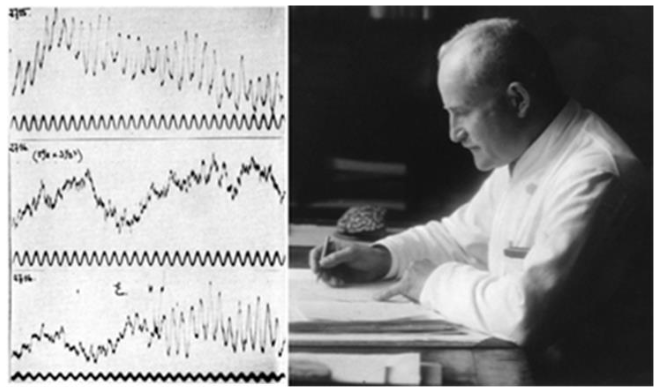
Berger got the honor to be regarded as the grandfather of electroencephalography since he applied the technology, which was developed for animals, to humans. Secondly, and even more importantly, the time was ripe to see the importance of electroencephalography. Caton and Beck were nearly half-a-century ahead in their views about the meaning of this technology for the studies of the brain functions. However, in the course of research into the origins of electroencephalography, interest must also be focused on the two earliest discoverers: Richard Caton, whose first announcement of the ‘Electric currents of the brain’ appeared in 1875, and the independent detailed discovery of these currents by Adolf Beck, during his work for the doctoral thesis in 1890. As already recounted, none of these forerunners of what became a field of world-wide scientific importance in Europe and the USA got any honour. In case of Caton, the inattention for the shortness and the inaccessibility of the abstracts played a role, while in case of Beck the world war with all the problems for Poland with the disappearance beyond the iron curtain and the death of Beck undoubtedly contributed to the lack of recognition. While looking back, it seems that the best notion is to attribute the discovery of electroencephalography to the trio of Richard Caton (for his first brief description of brain waves), Adolf Beck (for his extensive brain work in animals), and Hans Berger (for making the recording technique of these waves applicable for humans).
Life and Work of Adolf Beck in Kraków
Adolf Abraham Beck (originally Abraham Chaim Beck) was born at the corner of Gazowa street and Bocheńska street in the Kazimierz quarter of Kraków on January 1st, 1863 in a Yiddish-speaking sober living family of a Jewish baker. His father was Szaja Dawid Beck, and his mother Gustawa (Bluma Golda) Müller. The ancestors of the Beck family came from a wealthy family of diamond cutters that for centuries had lived in Amsterdam. The parents of Beck moved to Kraków in the 18th century. Although the descent of the Beck family was once mentioned by Aleksander Zakrzewski, a friend of Beck’s son Henryk, and a brother of Jadwiga’s husband Kazimiercz, this was only once noted by him and could not be convinced in the Jewish archives of Kraków and Amsterdam. Kraków was in 1863 a main city in Polish Galicia, the Austrian sector of partitioned Poland. Beck visited the elementary Kraków Jewish School, and since the young Beck displayed a natural talent for studies, he went to the gymnasium (Św. Jacka) in Kraków. This led to his graduation in 1884, and the acceptance as a medical student to the Medical Faculty of the Jagiellonian University, where he studied medicine from 1884 through 1889. His interests were in natural sciences, so he began to work in 1889 as an assistant under the leadership of the well-known physiologist, Napoleon Cybulski (1854-1919). His initial interest was the electrophysiology of the nervous system, and in particular the electrical response of a nerve evoked by sensory stimulation. This was suggested to him by Cybulski, since a hot topic in that time was the excitability of the nerve at all points over its pathway. Beck began to measure the excitability on two points of the spinal cord in frogs following stimulation of the sciatic nerve. One electrode was placed on a point of the spinal cord and the other over the cerebral hemispheres. It indeed appeared that electronegative variation following stimulation was substantially changing on the cortical level.
It is important to mention here that the scientific activity of Beck was not limited to electrophysiology. Beck’s scientific interest was widely ranging, and he extended his research to other fields, such as to general and visceral physiology. Beck had a great talent for innovative research. Together with Cybulski he published papers on diverging topics, such as taste perception, the characteristics of blood circulation, and the properties of urine. In 1894 Beck got his ‘venia legendi’ (habilitation) in physiology with a thesis titled ‘Changes of blood pressure in vessels’.
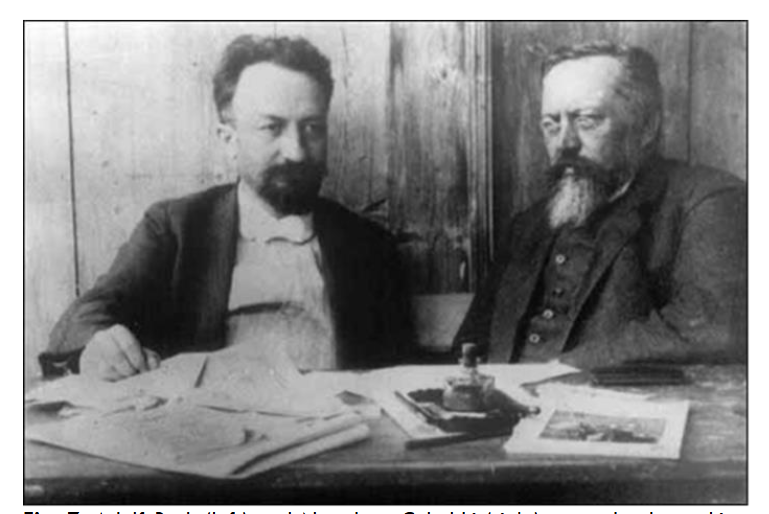
Cybulski, initially Beck’s supervisor and professor but later a colleague and friend, soon realised as the head of the department that especially their electrophysiological work had opened a new field of research. He began to equip his laboratory more effectively for such studies. Although the university had a limited budget, Cybulski, as a prominent citizen of Kraków, succeeded in this endeavour. Cybulski and Beck were able to pursue their electrophysiological studies and extended the work on brain potentials from rabbits and dogs to monkeys. This formed the subject for a report they made for the Third International Physiological Congress in Berne (Switzerland) in 1895. This was their last joint experimental work, as Beck was offered a professorship at the University of Lemberg. Around that time Beck married Regina Mandelbaum, and they lived together until 1938, when she died. The couple got three children: daughter Zofia who passed away at a relatively young age in 1939, son Henryk born in 1896, and the second daughter Jadwiga born in 1901. The last two came to earth in Lemberg.
Life and Work of Adolf Beck in Lwów
In May 1895, at the age of 32, Beck accepted the offer to be appointed professor in physiology at the Jan Kazimierz University in Lemberg. He worked there till 1935, and spent the rest of his life in this city. At that time Lemberg was closely connected to Kraków in the region of Galicia, a relatively-independent province of the Austrian-Hungarian Habsburg empire. Lemberg was a multinational city with a mixture of Polish, Ukrainian and German-Austrian inhabitants, as well as with a large population of Jews. After World War I, Lemberg, renamed according to its original Polish name into Lwów, belonged to the independent Polish Republic, but became under Soviet rule in 1939 and changed name in Lviv. Since the partition of the Soviet Union in 1991 is Lviv a city in the west of the Ukraine. The University of Lemberg was named the Jan Kazimierz University, and now it is known as the Lviv National Medical University. Beck started with energy and enthusiasm building up the new Department of Physiology at the Medical Faculty. He organised this department in a similar style as his Alma Mater, and provided it with modern equipment. Beside the main direction of electrophysiology and neuroscience, Beck’s interests spread also to other aspects of physiology. To create a broad department of physiology, Beck was able to form a staff with expertise in diverging aspects of physiology. In October 1895, Beck gave his inaugural address in Lemberg with a lecture ‘The phenomena of life and the ways of investigating it’, which was particularly intended to his medical students. The contact with students was important for Beck, and he propagated teaching of physiology by experimental demonstrations. Besides an eminent researcher, Beck was also a gifted teacher and he invested energy in educating young scientists. In his role as teacher and researcher, Beck created the famous ‘School of Physiology’ at the University of Lemberg, which delivered various prominent physiologists. In the years following his appointment, Beck had to give a great part of his time to the organisation and building up his new department, but, despite of this, several of his scientific publications stem from this period. Beck’s research on the electrical potentials of the brain did not cease but was extended, including an attempt to locate the sensation of pain in the brain. He continued research on the nervous system, and he did several investigations to the cerebellum with his proximal colleague, Gustav Bikeles (1861-1918). Due to the creative research of Beck and Bikeles, the Department of Physiology got, just as that of Kraków, attention as a centre for expertise in electrophysiology.
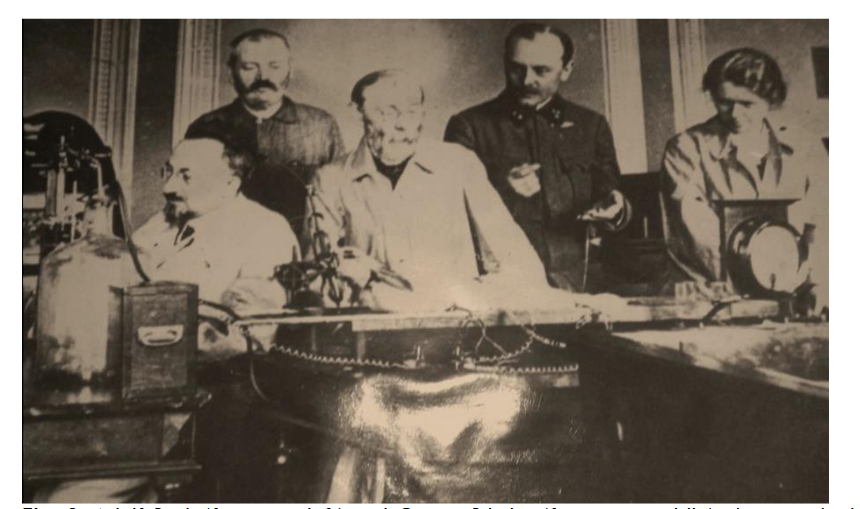
In 1896 Beck published together with Cybulski a paper on ‘Further Investigations of the Electrical Processes in the Brain’. This work contained four years of cooperative investigations carried out on dogs and monkeys. Besides replication of the previous results of Beck, they obtained some new facts. They showed that with the occurrence of an active state expressed in electronegativity in a cortical area, simultaneously electropositivity in homologue places appeared. Beck and Cybulski specified further on which areas electronegative and electropositive changes were expressed, and were even able to map these areas. With this method, the researchers figured out the existence of cortical localisations, emphasising that specific cortical areas are not clearly demarcated and overlap each other. In this way Beck and Cybulski explored the cortical functional locations, showing that Beck’s methodology was adequate and appropriate to uncover the functional processes of the cerebral cortex. They have also concluded that conscious states are accompanied by physiological changes in the cerebral cortex. In a next work, published in 1906, Beck pointed out that places in the cerebral cortex were evidently associated with pain sensations.
In 1910, Beck took part in the organisation of the International Congress of Physiology in Vienna, where he closely collaborated with his previous teacher, Napoleon Cybulski. With his old professor and with Kraków colleague, Sabina Jeleńska-Macieszyna (1879-1942), he continued common electrophysiological work. The group was able to publish one of the first pictures of electroencephalographic potentials, and even succeeded to photograph the tracings of a dog showing an epileptic seizure. Around that time, Beck and Cybulski were writing together the first textbook titled ‘Fizjologia czŀowieka’ (‘Human Physiology’), which was published in 1915. This became the standard and popular teaching text for medical students at Polish universities for a long time.
Beck served the university as a Dean in 1904-1905 and in 1916-1917, and as a Rector in the period of 1912-1913. All activities of Beck were abruptly interrupted in 1914 with the outbreak of the First World War. Lemberg was taken by the Russians in their advance against the Habsburg state. Beck, who was again asked to act as the Rector of the university in 1914-1915, came in an extraordinary situation. Regardless of his prominence as a renowned scientist and rector, he was arrested by the Russian army on June 19th, 1915. Together with other Lemberg dignitaries, he was transported to a regional criminal court, and imprisoned in temporary living barracks in Kyiv. At the end of 1916 he was released by the intervention of the famous Russian scientist and Nobel Prize laureate, Ivan Pavlov (1849-1935), working in St. Petersburg, and a friend of Cybulski. Beck was able to return to Lemberg, but even on Beck’s return in 1916, Lwów was still not a peaceful city. However, even in this time the scientific drive of Beck was expressed by the appearance of a paper on nerve physiology. The data were gathered by his son Henryk, a medical doctor, in the period of his absence. The year 1919 was a great year in the history of Poland, because a free and independent country came into being for the first time since 1795. In this year Beck lost his friend, Napoleon Cybulski. In a moving eulogy of his old teacher, Beck paid tribute to him as a scientist, a colleague, a friend of the university, and a great human being. At the age of 67, Beck retired with the title of ‘Professor honoris causa’, one of his many distinctions. As a professor at the Medical Faculty, he produced 180 publications, and he was three times nominated for the Nobel Prize in physiology, once in 1905, then in 1908, and finally in 1911, but he never gained this high honor.
During the Second World War, life became even more troubled and dangerous for Beck as during the First World War. The city was occupied by the Nazis, and Beck, who was of Jewish origin, remained in the town and suffered many indignities and humiliations. When a friend of his son Henryk, Aleksander Zakrzewski met him once at Zielona street, Beck was emotional ‘Have a look! I have to wear a supposedly disgraced David star on my sleeve!’ The evil came over the entire Beck family. Kazimierz Zakrzewski, the husband of Beck’s daughter Jadwiga, a leading specialist in history, was actively involved in the underground movement against the occupying forces. But at the beginning of 1941 he was already arrested by the Gestapo and two months later he was murdered by the Nazis in a mass execution by a firing squad at Palmiry. Given this tragic event in the Beck family, it was not surprising that Beck’s son Henryk, born in 1906, a medical doctor specialized in gynaecology and with artistic talents, joined the Warsaw Uprising movement. Henryk with a military background in the Polish army, became one of the leaders of the Warsaw Uprising. However, the Uprising did not get support from the Red Army, and after the final capitulation in 1944, he went into hiding in the ruins of Warsaw. Henryk Beck became one of the Robinson Crusoe’s of Warsaw. The life in the cellars, in suffocating air, heat and darkness, and continuous under extreme danger, was a genuine torture. Nevertheless, Henryk Beck provided medical assistance to the wounded, and, moreover, managed to create a huge series of documentary drawings and watercolors. Several are taken up in the book ‘Henryka Becka: Bunkier 1944 roku’, edited by Janina Jaworska.
Tragic Death of the Electroencephalographic Pioneers
Adolf Beck as an old man, rather to go into hiding, had chosen to stay in his house at Asnyka street number 4, in the shadow of the university, to which he had given so many years of his life. But it soon became too dangerous, while many Jews were already murdered in the Janowska and Bełżec Concentration Camps. Moreover, several Lwów professors were killed on the Wuleckie Hills near the city. The physiologist and medical doctor, Zdzisław Bieliński (1908-1945), the head of the Department of Physiology, started to take care of his old teacher. Together with Beck’s son Henryk, he found a hiding place for Beck at the ’Aryan side’. Bieliński recalled this trip: ‘I decided to take him in a cab. I realised that it increased the danger, but there was no other way. Adolf Beck, a man with classical Semitic features and a patriarchal beard is sitting there, next to me. These few kilometers seemed to me the longest and most dangerous in my life. If someone stopped us, it would surely mean a torturous death’. Soon thereafter, Beck was betrayed. Just before his 80th birthday, he became unwell, and Henryk and Bieliński brought him to the hospital for an ailment. There, the Nazis were waiting for the almost 80-years-old Beck. At the last moment, Beck’s son, Henryk, could hand his father a capsule with cyanide, giving him the opportunity to commit suicide just before the Nazis could take him. Beck was arrested and was directly brought to the Janowska concentration camp. There succeeded Beck to take the poison he got from his son. He committed suicide in the Janowska Nazi camp at 7 August 1942 and escaped so to the gas chamber. In the chaos eye-witnesses Bieliński and Henryk Beck could escape under great danger, but both died shortly thereafter. In 1944, Bieliński was killed at home by unwrapping a package containing a bomb, and Henryk Beck died on a heart failure in 1946 after his life-threatening struggle in the Warsaw Uprising. It is not known where Adolf Beck is buried or has a grave.
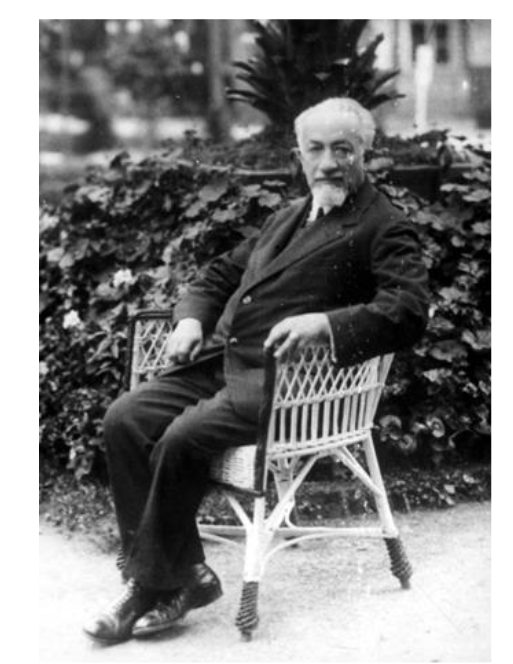
A remarkable similarity can be seen in the lives of the two main pioneers of electroencephalography: Adolf Beck and Hans Berger. Initially, just as in the case of Beck, the findings of Berger were not taken too seriously by the scientific community. Nevertheless, their international reputation was slowly growing. Both started to attend conferences. This brought the modest Berger to the International Congress in Psychology in Paris in 1938, where he was almost recognised as a celebrity. Back in Germany, he found, however, only humiliation by the Nazi regime, who distrusted his work. For unknown reasons the Nazis also forced him to give up his Chair at the Psychiatry Clinic in Jena in 1938, and closed down his laboratory. They even did not allow him to receive the Nobel Prize in Stockholm for which he was selected. Berger fell into a severe and long depression, and on June 1st, 1941 he took his life by hanging. Berger’s wife, Freiin Ursula von Bülow, had a hard time, also since their son Klaus fell on the battlefield in Russia half a year later. Electrophysiology was finished as a topic of research in Germany, and other West-European countries, mainly due to the war. Also in Poland and East-European countries such as Russia and the Ukraine came electrophysiology to an end. This had a different reason as in the West, because the Soviet regime broke off the main role of electrophysiological research. The dogmatic, communistic regime made a choice for the Pavlovian concept, better fitting into its concepts and ideas. This led to an ongoing negation of leading electrophysiologists, and this is also one of the reasons for the fact that Beck’s value for electroencephalography is currently overlooked and underestimated, certainly with the death of Beck and the disappearance of Poland and surrounding countries behind the iron curtain. Electroencephalography was taken over by the United States of America.
References
- Beck, A.: Die Bestimmung der Localisation der Gehirn- und Rückenmarksfunctionen vermittelst der elektrischen Erscheinungen. Centralblatt für Physiologie 4: 473–476, 1890
- Bilski, R., Kaulbersz, J.: Napoleon Cybulski 1854-1919. Acta Physiologica Polonica 38: 74-90, 1987
- Fleischl von Marxow, E.: Mittheilung, betreffend die Physiologie der Hirnrinde. Centralblatt für Physiologie 4: 537–540, 1890
- Danilewsky, V.: Zür Frage über die elektromotorischen Vorgänge im Gehirn als Ausdruck seines Thätigkeitszustandes. Centralblatt für Physiologie 4: 473–476, 1891
- Danilewsky V.: Investigations into the physiology of the brain (in Russian). Thesis Uniwersytet Charkowski, 1877
- Gotch, F., Horsley, V.: Ũber den Gebrauch der Electricität für die Lokalisirung der Erregungserscheinungen im Centralnervensystem. Centralblatt für Physiol. 4: 649-651, 1891
- Caton, R.: The electric currents of the brain. Brit. Med. J. 2: 278, 1875
- Coenen, A., Zayachkivska, O., Konturek, S., Pawlik, W.: Adolf Beck, Co-Founder of the EEG, An Essay in Honour of his 150th Birthday. Digitalis-Biblioscope, Utrecht, 2013.
- Beck, A.: Oznaczenie lokalizacyi w mózgu I rdzeniu za pomoczjawisk elektrycznych (Thesis in Polish). Rozpr. Wydz. mat.-przr. Akad. Um. Ser. II, 1: 187-232, 1891
- Beck, A.: The determination of localizations in the brain and spinal cord with the aid of electrical phenomena. Acta Neurobiologiae Experimentalis (Thesis by Beck, edited by Mary Brazier), Suppl. 3: 7-55, 1973
- Coenen, A., Zayachkivska, O., Bilski, R.: In the footsteps of Beck: the desynchronization of the electroencephalogram. Electroenceph. Clin. Neurophysiol. 106: 330 – 335, 1998
- Berger H.: Ũber das Elektrenkephalogramm des Menschen. [I Mitteilung]. Archiv für Psychiatrie 87: 527-570, 1929
- Práwdicz-Neminski: W.: Ein Versuch der Registrierung der Elektrischen Gehirnerscheinungen. Zentralbl. f. Physiol. 27 Nr.18, S. 951, 1913
- Práwdicz-Neminski, W.: Zur Kenntnis der elektrischen und der Innerventionsvorgänge in den funktionelllen Elementen und Geweben des tierischen Organismus. Elektrocerebrogramm der Säugetiere. Pfügers Archiv f. d. ges. Physiol. 209, 362-382, 1925
- Adrian, E., Matthews, B.: Berger rhythm: Potential changes from the occipital lobes in man. Brain 57: 355-385, 1934
- Borck, C.: Hirnströme. Eine Kulturgeschichte der Elektroenzephalographie. Wallstein Verlag, Göttingen, 2005
- Zakrzewski, A.: Sanatorium Mariowka i medicina, Wrocław, pp. S.170-S.171, 1975
- Zayachkivska, O., Gzegotsky, M., Coenen, A.: Impact on electroencephalography of Adolf Beck, a prominent Polish scientist and founder of the Lviv School of Physiology. Int. J. Psychophysiol. 85: 3-6, 2012
- Cybulski, N., Jeleńska-Macieszyna, S.: Aktionsstrome der Grosshirnrinde. Bull. int. de l’acad. Sc. Cracovie Cl. Math-Nath. Ser. B: 776-781, 1914
- Żernicki, B.: Adolf Beck (1863 -1942). Acta Physiologica Polonica. 38: 114-122, 1987
- Pietrzak, K., Grzybowski, A., Kaczmarczyk, J.: Adolf Beck (1863-1942): A Pioneer of Electroencephalography. Eur. Neurol. 71: 32-34, 2014
- Adrian, E.: Hans Berger Biography (1873-1941). Journal of the History of Medicine and Allied Sciences. IV, 361-371, 1949