





B-Cell Lymphoma in Dogs: Injectable Viscum album Therapy
Treatment and Survival of a Dog Diagnosed With B-Cell Lymphoma Using Injectable Viscum album Therapy: A Case Report
Ana Catarina Viana Valle1,2*; Maria Luiza Pereira Viana Valle2
- Doctor Izao Soares Institute – IDIS, Ribeirao Preto, Brazil; Natural Veterinary Medicine Institute – IMVN, Brasilia,
- Brasilia University – UnB, Brasilia, Brazil.
Email: [email protected]
OPEN ACCESS
PUBLISHED: 28 February 2025
CITATION: Valle, ACV., Valle, MLP., et al., 2025. Treatment and Survival of a Dog Diagnosed With B-Cell Lymphoma Using Injectable Viscum album Therapy: A Case Report. Medical Research Archives, [online] 13(2). https://doi.org/10.18103/mra.v13i2.6360
COPYRIGHT: © 2025 European Society of Medicine. This is an open-access article distributed under the terms of the Creative Commons Attribution License, which permits unrestricted use, distribution, and reproduction in any medium, provided the original author and source are credited.
DOI https://doi.org/10.18103/mra.v13i2.6360
ISSN 2375-1924
ABSTRACT
B-cell lymphoma is a common hematopoietic neoplasm in dogs, characterized by aggressive behavior and a guarded prognosis. This case report describes the treatment of an elderly dog diagnosed with B-cell lymphoma, which initially failed to respond to conventional therapy. Due and the priority of preserving quality of life, an integrative therapeutic approach was adopted. Following four years of treatment, the patient was discharged without signs of relapse and remains alive at the remarkable age of 18. Injectable Viscum album, known for its immunomodulatory and cytotoxic properties, was employed as part of the therapeutic regimen, potentially contributing to antitumor responses and disease control. This case underscores the potential efficacy and safety of injectable Viscum album as a complementary therapy for lymphoma in dogs, offering a promising alternative for managing hematopoietic neoplasms in geriatric patients. The absence of significant adverse effects and the prolonged survival observed in this patient further support the value of integrative approaches in veterinary oncology.
Keywords: type B lymphoma; dog; Viscum album; integrative therapy; veterinary oncology.
Introduction
Canine lymphoma is one of the most common neoplasms in dogs, accounting for approximately 7-24% of all canine cancers and about 83% of hematopoietic neoplasms. This tumor type is characterized by the abnormal proliferation of lymphocytes and can be classified into subtypes, such as B-cell and T-cell lymphoma. Among these, B-cell lymphoma tends to have a higher incidence and often demonstrates a favorable response to treatment protocols. However, conventional therapies, particularly chemotherapy, are associated with several adverse effects and variable rates of disease remission and relapse.
Integrative therapy has gained prominence in veterinary medicine as a complementary approach to conventional treatment, particularly in patients who poorly tolerate chemotherapy. In certain cases, integrative therapies can be proposed as the primary treatment, particularly when patients experience severe adverse reactions or intolerance to chemotherapy. This multimodal strategy combines various therapeutic modalities to mitigate side effects, and potentially enhancing treatment responses. Among the options for integrative therapy, herbal medicines have been studied for their immunomodulatory and antioxidant properties. These properties can support the body in managing oxidative stress and inflammation induced by neoplasia and its treatment.
Viscum album, commonly known as mistletoe, is widely used in integrative oncology, especially in Europe, for complementary cancer treatments in humans and animals. Its extracts contain bioactive compounds such as lectins and viscotoxins, which exhibit immunomodulatory and cytotoxic properties by inducing apoptosis in tumor cells and enhancing the immune response. Studies indicate that mistletoe’s therapeutic effects may vary depending on the host tree, influencing its lectin concentration and cytotoxic activity against lymphoma cells. Additionally, research suggests that Viscum album contains other anti-cancer components beyond lectins, highlighting its complex mechanism of action.
These findings support the potential of Viscum album as a promising complementary therapy for hematopoietic malignancies, including lymphoma. A systematic review highlighted that Viscum album extracts have been investigated in various neoplastic diseases in companion animals, including dogs. The review found that Viscum album extract treatment showed pronounced efficacy in cases of melanomas, sarcomas, and mammary carcinomas. Studies suggest that Viscum album treatment may provide immunomodulatory benefits and improve overall survival in veterinary patients. However, limitations in the number of controlled studies emphasize the need for further research to elucidate Viscum album efficacy in cancer treatment for these animals and confirm its efficacy in canine lymphoma.
The potential role of Viscum album in lymphoma treatment has also been demonstrated in both experimental and clinical studies. An in vitro study showed that Viscum album Quercus extract (VA Qu) exerts cytostatic and cytocidal effects on B-cell lymphoma human cells by inhibiting proliferation and inducing apoptosis or necrosis, with a significant reduction in tumor cell viability. Clinically, a case report described a complete remission in a human patient with diffuse large B-cell lymphoma (DLBCL) after resistance to R-CHOP therapy, following continued treatment with Viscum album extracts. The patient, who had aggressive disease progression and initially showed only slight tumor regression with chemotherapy, experienced full remission and remained disease-free 17 years post-diagnosis under Viscum album therapy. This highlights the potential of Viscum album as a complementary treatment in lymphoproliferative disorders and supports further investigation into its role in lymphoma management.
In this context, the present case report aims to describe the treatment and survival of a dog diagnosed with B-cell lymphoma using an integrative therapeutic approach. The report discusses the methods employed, clinical progression, and therapeutic responses, contributing to the understanding of complementary therapies in veterinary oncology and evaluating their potential benefits in managing canine lymphoma.
Case Report
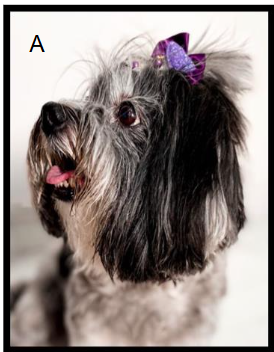
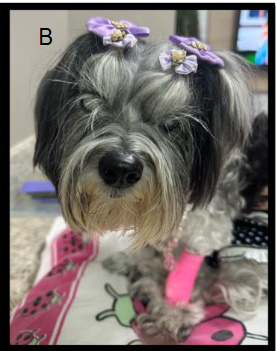
A 14-year-old neutered female Shih Tzu (Figure I), weighing 6.5 kg, was presented to NaturalPet in Brasilia, Brazil, with a history of splenomegaly for 60 days. The diagnosis of lymphoma was confirmed via immunohistochemistry, revealing a B-cell immunophenotype with negative CD3 and positive CD20 and Ki67 markers (approximately 40% of neoplastic cells). The patient had previously undergone conventional chemotherapy using the CHOP protocol but did not respond successfully. The owners reported that after the third chemotherapy session, the patient experienced severe side effects, including significant leukopenia and acute gastrointestinal symptoms such as inappetence and recurrent emesis. These complications necessitated multiple hospitalizations, making stabilization of her condition challenging. The conventional oncologist discontinued chemotherapy, and in this context, the owners sought treatment through Integrative Veterinary Medicine at NaturalPet.
Following a detailed anamnesis and blood tests for a current evaluation, the patient was found to be slightly dehydrated due to persistent emetic episodes. Despite prior hospitalization and daily administration of conventional medications, the patient exhibited selective appetite and fatigue. On physical examination, the patient demonstrated fatigue but maintained a good demeanor and overall condition, with normochromic mucous membranes, a capillary refill time (CRT) of 2 seconds, a respiratory rate (RR) of 60 breaths per minute, a heart rate (HR) of 90 beats per minute, a temperature (T) of 37.5°C, and enlarged lymph nodes. The initial treatment plan included the following oral prescriptions: Platina 200CH X/5; Phosphorus 30CH Hamamelis 30CH alcohol 10%, 30mL, three drops, and SID for 30 days. Additionally, a probiotic, Omega-3, and Vitamin C were prescribed. For injectable therapy, subcutaneous Viscum album was administered in combinations of potencies D3, D6, D9, D12, and D30, SID, three times a week for 60 days. Fermented Viscum P D2 was also prescribed, and administered SID, three times a week for 60 days.
Results
The blood test results (Table 1) were performed from March/21 to December/24. At that date, the animal was still alive.
FOLLOW-UP ON APR/21: The owners reported that the animal had an excellent overall condition, was animated, resumed her normal behavior, presented only one emetic episode, and demonstrated a selective appetite. The natural diet was instituted only in one meal, and dog food was offered in the second meal of the day, as the patient did not accept the natural diet twice a day, according to the owners. All medication was maintained for another 60 days, totaling 90 days of treatment.
EVALUATION ON JUL/21: The owners reported that the patient was fine, but she presented with otitis, which was already a common clinical sign demonstrated throughout her life. She was eating better, without emetic episodes, with her normal vital functions, without noteworthy changes. Given this, the oral protocol was changed to the following prescriptions, which were administered for 90 days: Hamamelis 30CH + Phosphorus 30CH 30mL, 10% alcohol, three drops, SID; Chamomilla 30CH + Belladonna 30CH, 30mL, 10% alcohol, SID; Omega 3 1000mg, 1cps, SID. For injectable therapy, subcutaneous Viscum album was administered in combinations of potencies the D3, D6, D9, D12, and D30, SID, three times a week. Fermented Viscum P D3 was also prescribed, administered 1 ampoule, SID, three times a week, for 120 days. Blood was collected for blood count and biochemical measurements.
FOLLOW-UP ON SEP/21: The patient was within normal limits for age and species, without noteworthy changes. The protocol was maintained for another 90 days. Blood was collected for blood count and biochemical measurements.
EVALUATION ON DEC/21: The owners reported that the animal was well, without major changes, and was stable, but with recurrent bilateral otitis. The patient was then subjected to an otological cytology exam that was conclusive for Malassezia. Blood was collected for new exams. The following medications were orally prescribed: Platina 30CH, 10% alcohol, 30mL, three drops, SID for 60 days; Omega 3 1000mg, 1cps, SID for 90 days; Hamamelis 30CH + Phosphorus 30CH, 10% alcohol, 30mL, three drops, SID for 90 days. For injectable therapy, a subcutaneous Viscum album was administered in combinations of the potencies D3, D6, D9, D12, and D30 in combinations of potencies, SID, three times a week, for 12 weeks. Fermented Viscum P D3 was also prescribed, administered 1 ampoule, SID, three times a week, for 12 weeks.
EVALUATION ON MAR/22: The owners reported that the animal was fine and stable, without major changes. However, she is more anxious and with a selective appetite. Blood was collected for new exams. The following medications were orally prescribed for 60 days: Platina 30CH, 10% alcohol, 30mL, three drops, SID; Lachesis 30CH + Hamamelis 30CH + Ora pro nobis 30CH, 10% alcohol, 30mL, three drops, SID; Curcumin 90mg + Piperina 40mcg/cps, 1 cps, SID. Additionally, Omega 3 1000mg, 1cps, SID for 90 days was prescribed. For injectable therapy, the following medicines were administered subcutaneously: Viscum album in combinations of the potencies D3, D6, D9, D12, and D30, SID, three times a week, for 12 weeks; Hamamelis D12, 1 ampoule, SID, three times a week, for 12 weeks; fermented Viscum P D2, 1 ampoule, SID, three times a week, for 60 days.
EVALUATION ON JAN/23: The owners reported that the animal continued well, but started sporadic emetic episodes, on average one vomiting every 15 days. Therefore, the following medications were orally prescribed for 60 days: Lycopodium 30CH, 10% alcohol, three drops, SID for 60 days; Nux vomica 30CH + Berberis 30CH + Cantharis 30CH, 10% alcohol, 30mL, three drops, SID for 60 days. The entire injectable protocol was maintained for an additional 120 days. For injectable therapy, the following medicines were administered subcutaneously for 60 days: Cantharis D35, 1 ampoule, SID; fermented Viscum P D3, 1 ampoule, SID, three times a week.
FOLLOW-UP ON NOV/23: The owners reported that the animal was still well, but had started episodes of dementia, triggering anxiety attacks. The following medications were orally prescribed for 60 days: Lycopodium 30CH, 10% alcohol, 30mL, three drops, SID for 60 days; Nux vomica 30CH + Berberis 30CH + Cantharis 30CH, 10% alcohol, 30mL, three drops, SID for 60 days. The entire injectable protocol was maintained for another 120 days.
From January 24 onwards, reports from the owners remained consistent, indicating no significant changes. Despite a progressive monthly increase in creatinine levels, the animal continued to exhibit excellent clinical condition. The patient transitioned to a medication-weaning protocol, retaining only injectable homeopathic Viscum album in combination with therapies, administered three times a week. This treatment aimed to support and improve renal function.
| Mar/21 | Jun/21 | Sep/21 | Dec/21 | Mar/22 | Jul/22 | Jan/23 | Jun/23 | Nov/23 | Jan/24 | Jun/24 | Oct/24 | Nov/24 |
|---|---|---|---|---|---|---|---|---|---|---|---|---|
| 5,640,000 | 5,590,000 | 5,920,000 | 6,110,000 | 6,440,000 | 6,110,000 | 5,880,000 | 5,130,000 | 5,530,000 | 5,200,000 | 5,500,000 | 4,100,000 | 4,300,000 |
| 12 | 12.3 | 13.6 | 14 | 14 | 14.1 | 13.3 | 12.5 | 12.4 | 12 | 12.3 | 9.3 | 9.8 |
| 34.9 | 34.4 | 40.3 | 40.6 | 40.2 | 42.1 | 39.6 | 35.1 | 35.2 | 37 | 38 | 28 | 28.4 |
| 285,000 | 134,500 | 102,200 | 94,400 | 60,100 | 62,800 | 49,700 | 37,000 | 36,500 | 17,000 | 17,900 | 9,800 | 12,500 |
| 14,285 | 10,760 | 13,286 | 9,440 | 9,616 | 9,420 | 8,449 | 8,880 | 7,665 | 9,860 | 5,728 | 6,315 | 6,125 |
| 271,415 | 123,740 | 85,848 | 83,072 | 50,484 | 50,868 | 40,257 | 25,529 | 36,600 | 6,630 | 11,277 | 3,038 | 5,371 |
| **** | **** | **** | **** | 1,888 | 2,859 | 497 | **** | 730 | **** | 895 | 196 | 875 |
| 455,000 | 496,500 | 456,000 | 383,000 | 120,000 | 130,000 | 713,000 | 150,000 | 258,000 | 900,000 | 840,000 | 273,000 | 152,000 |
| 55 | 156 | 126 | 82 | 123 | 150 | 160 | 143 | **** | 154 | 337 | 171 | 265 |
| 0.9 | 1.01 | 1.21 | 1.32 | 0.91 | 1.32 | 1.83 | 1.86 | 2.25 | 3.3 | 3.8 | 4.02 | 4.86 |
| 118 | 251 | 108 | 122 | 192 | 239 | 179 | 510 | **** | 333 | 259 | 215 | 200 |
| 55 | 39 | 42 | 40 | 43 | 70 | 69 | 82 | 113 | 77 | 143 | 222 | 261 |
Discussion
Conventional therapy for canine lymphoma typically involves chemotherapy protocols, such as the CHOP protocol, which have demonstrated efficacy in controlling the disease and prolonging survival in many cases. However, these therapies are often accompanied by significant adverse effects, including immunosuppression and systemic toxicity, with variable efficacy depending on the patient’s age and overall condition. In this context, complementary therapies, such as the injectable Viscum album therapy, have gained attention for their immunomodulatory potential and antitumor properties, offering favorable clinical responses with reduced side effects.
A study investigating the effects of Viscum album on cancer cells reported its ability to induce apoptosis and modulate immune responses, supporting its use as a complementary oncology treatment. Further evidence suggests that mistletoe extract efficacy varies depending on the host tree, which influences lectin concentrations and cytotoxic activity. These variations may contribute to differences in tumor response rates observed in both preclinical and clinical studies. Although direct studies on canine lymphoma are limited, previous findings suggest that Viscum album may enhance apoptosis pathways in malignant cells while preserving normal cellular function. Further research is warranted to determine its specific mechanisms of action in veterinary oncology.
In the present case, the CHOP protocol was discontinued due to severe adverse reactions, including leukopenia and acute gastrointestinal symptoms. Transitioning to an integrative approach with Viscum album therapy led to remarkable clinical improvements and prolonged survival, demonstrating monthly regression of lymphoma and improved clinical condition directly related to the treatment. After four years of treatment, the patient remains in good health, an outcome that is notable given that the average survival for dogs with lymphoma treated conventionally ranges from six months to two years, depending on the disease stage and treatment response.
These findings align with preclinical studies demonstrating the cytostatic and cytocidal effects of Viscum album Quercus extract (VA Qu) on B-cell lymphoma cells. In vitro, VA Qu was found to inhibit tumor cell proliferation and induce apoptosis, leading to a significant reduction in lymphoma cell viability. This supports the hypothesis that mistletoe therapy may exert direct anti-tumor effects in hematopoietic malignancies, in addition to its immunomodulatory properties. Additionally, clinical studies with Viscum album reported improved overall well-being and reduced tumor progression rates, suggesting that mistletoe therapy may serve as a viable adjunct to conventional oncological treatments in human and veterinary medicines. Moreover, a case report in human oncology described a patient with diffuse large B-cell lymphoma (DLBCL) who achieved complete remission following resistance to R-CHOP chemotherapy, after the introduction of Viscum album extracts. The patient remained disease-free for 17 years post-diagnosis, highlighting the potential of mistletoe therapy in managing refractory lymphomas. These findings support further exploration of integrative treatment options in veterinary oncology.
Studies suggest that Viscum album extracts possess antineoplastic properties attributed to lectins and viscotoxins, which can induce apoptosis in tumor cells and enhance immune activity. The anti-inflammatory and antioxidant effects may reduce oxidative stress, a factor closely associated with cancer progression. The benefits of the Viscum album therapy have been documented in human and veterinary medicine, demonstrating improvements in quality of life and survival rates.
The patient’s current age of 18 years underscores the efficacy of Viscum album in lymphoma remission and highlights the importance of integrative therapy in promoting overall well-being. Combining complementary therapies likely contributed to enhanced immune response, sustained health, and potential lymphoma remission.
This report aligns with findings from recent studies that underscore the relevance of integrative approaches in oncology, particularly in refractory cases or as a complementary alternative to conventional treatments. For instance, Carvalho & Valle (2021) reported complete remission of B-cell gastric lymphoma in a cat treated with an injectable Viscum album. Similarly, Valle & Carvalho (2021) documented lymphoma remission in FeLV-positive cats using the same therapy. These cases further reinforce the potential of Viscum album as a viable treatment option for hematopoietic cancers. The prolonged survival and maintained quality of life observed in this case suggest that the Viscum album therapy, when integrated with complementary care, offers a less invasive and effective strategy for managing lymphoma, particularly in elderly patients.
The complete remission observed after three years of treatment and continued survival at four years post-diagnosis, with the patient now 18 years old, represents a remarkable outcome, especially considering the typically guarded prognosis for canine lymphoma treated with conventional chemotherapy alone.
This report emphasizes the value of integrating complementary treatments, such as herbal medicine, acupuncture, and nutritional support, in managing neoplasms in geriatric or chemotherapy-intolerant patients. In this case, integrative therapy not only delivered an effective therapeutic response but also significantly contributed to extended survival.
Despite these promising results, further controlled clinical trials are necessary to establish standardized dosing regimens and long-term efficacy of Viscum album in veterinary oncology. The need for larger-scale studies is essential to validate its therapeutic potential and define guidelines for its clinical application.
Conclusion
This case supports growing evidence for using integrative therapies in veterinary oncology, indicating that Viscum album therapy may represent a viable and effective alternative for managing canine lymphoma in selected cases. However, further studies are necessary to deepen the understanding of its efficacy and mechanisms of action across different stages of the disease and other neoplasms.
Conflict of Interest:
None.
Funding Statement:
None.
Acknowledgements:
None.
ORCID ID:
Ana Catarina Viana Valle: https://orcid.org/0000-0002-5892-0278
Maria Luiza P. Viana Valle: https://orcid.org/0009-0003-5313-8695
References:
- Biegel U, Mevissen M, Schuller S, Ruess K, Christen O, Ayrle H, Koch C, Walkenhorst M. Viscum album L., a Therapeutic Option for Neoplastic Diseases in Companion Animals? A Systematic Review. Complement Med Res. 2022;29(6):465-482. English. doi: 10.1159/000525035.
- Carvalho AC, Valle ACV. Treatment of alimentary lymphoma in a cat (Felis catus) by injectable homeopathy case report. Integr J Vet Biosci. 2021;5(2):1-6.
- Gutsch J, Werthmann PG, Rosenwald A, Kienle GS. Complete remission and long-term survival of a patient with a diffuse large B-cell lymphoma under Viscum album extracts after resistance to R-CHOP: A case report. Anticancer Res. 2018;38(9):5363-5369. doi:10.21873/anticanres.12865.
- Kim I, Yoon TJ, Park CH, et al. Studies on the Content of Lectin in Korean Mistletoe according to the Host Tree Species and Characterization for Its Application to the Quality Control. Korean J Food Nutr. 2015;31;28(6):1090-1097. doi.org/10.9799/KSFAN.2015.28.6.1090
- Kienle GS, Kiene H. Complementary cancer therapy: a systematic review of prospective clinical trials on anthroposophic mistletoe extracts. Eur J Med Res 2007;12:103-109.
- Kienle GS, Kiene H. Review article: Influence of Viscum album L (European mistletoe) extracts on quality of life in cancer patients: a systematic review of controlled clinical studies. Integr Cancer Ther. 2010;9(2):142-157. doi:10.1177/1534735410369673
- Kienle GS, Grugel R, Kiene H. Safety of higher dosages of Viscum album L. in animals and humans–systematic review of immune changes and safety parameters. BMC Complement Altern Med. 2011;11:72. Published 2011 Aug 28. doi:10.1186/1472-6882-11-72
- Kovacs E, Link S, Toffol-Schmidt U. Cytostatic and cytocidal effects of mistletoe (Viscum album L.) Quercus extract Iscador. Arzneimittelforschung. 2006;56(6):467-473. doi:10.1055/s-0031-1296814.
- Monteiro CRA, Schoueri JHM, Turke KC, et al. Use of phytotherapy in cancer patients. Clin Oncol Lett. 2020; Ahead of Print. doi:10.4322/col.2019.001
- Nicoletti M. The anti-inflammatory activity of Viscum album. Plants (Basel). 2023;12(7):1460. doi:10.3390/plants12071460
- Rebhun RB, Kent MS, Borrofka SA, et al. CHOP chemotherapy for the treatment of canine multicentric T-cell lymphoma. Vet Comp Oncol. 2011;9(1):38-44.
- Horneber MA, Bueschel G, Huber R, Linde K, Rostock M. Mistletoe therapy in oncology. Cochrane Database Syst Rev. 2008;2008(2):CD003297. Published 2008 Apr 16. doi:10.1002/14651858.CD003297.pub2
- Pryme IF, Bardocz S, Pusztai A, et al. Suppresion of growth of tumour cell lines in vitro and tumours in vivo by mistletoe lectins. Histol Histopathol. 2006; 21:285-299.
- Vail DM, MacEwen EG. Spontaneously occurring tumors of companion animals as models for human cancer. Cancer Invest. 2000;18(8):781-792. doi:10.3109/07357900009012210.
- Valle ACV, Carvalho AC. Viscum album therapy for treating lymphoma in an FIV and FeLV positive cat (Felis catus) case report. Integr J Vet Biosci. 2021;5(2):1-5.
- Valle ACV, Carvalho AC. Integrative oncology using the Viscum album therapy improves quality of life in a dog diagnosed with oral fibrosarcoma: case report. Braz J Dev. 2022;8(3). doi:10.34117/bjdv8n3-149
- Valle ACV, Carvalho ACC. Long-term survival of a dog with hepatocellular carcinoma under treatment with Viscum album case report. Med Res Arch. 2023;11(7.2). doi:10.18103/mra.v11i7.2.4090.
- Valle ACV, Lima L, Bonamin L, et al. Use of Viscum album in the integrative treatment of cholangiocarcinoma in a dog (Canis familiaris) – case report. Adv Complement Alt Med. 2020; 5(4):476-481.
- Valle ACV, Valle MLPV, Carvalho AC de. Terapia Viscum album injetável no tratamento e sobrevida de paciente diagnosticado com carcinoma hepatóide: Relato de caso. Pubvet. 2024;18(03):e1560. doi:10.31533/pubvet.v18n03e1560
- Zandvliet M. Canine lymphoma: a review. Vet Q. 2016;36(2):76-104. doi:10.1080/01652176.2016.1188333