

Fathers’ Role in Breastfeeding Policies: A Global Analysis
Fathers’/male partner’s representation in breastfeeding policies: A content analysis of Australian and global infant feeding policies
Albert Apotele Nyaaba ¹, Emily Hansen ¹, Jennifer Ayton ²
¹ School of Social Sciences, University of Tasmania, Tasmania, Private Bag 22, Hobart, TAS 7001, Australia.
Albert: https://orcid.org/0000-0003-0063-2393
Emily: https://orcid.org/0000-0003-4733-3411
² Tasmanian School of Medicine, College of Health and Medicine, University of Tasmania, Private Bag 35 Hobart, TAS, 7000, Australia.
Jennifer: https://orcid.org/0000-0003-0092-437X
OPEN ACCESS
PUBLISHED: 28 February 2025
CITATION Nyaaba, AA., et al., 2025. breastfeeding policies: A content analysis of Australian and global infant feeding policies. Medical Research Archives, [online] 13(2). https://doi.org/10.18103/mra.v13i2.6316
COPYRIGHT © 2025 European Society of Medicine. This is an open-access article distributed under the terms of the Creative Commons Attribution License, which permits unrestricted use, distribution, and reproduction in any medium, provided the original author and source are credited.
DOI: https://doi.org/10.18103/mra.v13i2.6316
ISSN 2375-1924
ABSTRACT
Background: Fathers/male partners are known to be increasingly involved in caring for babies and young children and to be a valuable source of support for mothers in establishing and maintaining breastfeeding. Despite this, interventions and policies aimed at increasing breastfeeding rates have historically downplayed or even ignored the role of men.
Objective: To investigate how and in what context fathers/male partners are represented through text and images in Australian and global breastfeeding and infant and young child feeding (IYCF) policy documents.
Methods: Content analysis was used to evaluate and analyse publicly available breastfeeding and IYCF policies sourced from the World Health Organisation database and a Google search. Excel, GPT 3.5 and NVivo version 20.0 were utilised for data extraction, management, and analysis.
Results: A total of 24 policies were analysed. The terms father and or husband were used in three quarters (71%) of the policies. Breastfeeding only policies had the highest number of mentions of father and or husband (68%) compared to IYCF policies (32%). However, in IYCF policies, 69.0% of terms describing parents/caregivers were gender inclusive, compared to only 31.0% in breastfeeding policies. Father and or husband were mentioned the highest number of times in the Australian breastfeeding policy (34.7%), followed by New Zealand (18.4%). Gendered representations of breast and infant and young child feeding dominated all policies. Five themes related to the ways that fathers/male partners were represented were identified; recognition of fathers in policy, fathers and breastfeeding decisions, strategies to involve fathers, gender inclusion, and representation of fathers in images.
Conclusions and implications: While fathers/male partners are mentioned in breastfeeding and IYCF policies, many policies used gender inclusive terms to refer to parents/carers, only a small number of policies explicitly acknowledge the importance of fathers for breastfeeding and infant feeding more broadly. The absence of clear strategies related to fathers/male partners in the majority of policies may represent a missed opportunity to make breastfeeding support strategies more inclusive for fathers/male partners and to potentially improve exclusive breastfeeding rates.
Keywords
Breastfeeding, fathers, male partners, policy, infant feeding, content analysis
Introduction
Exclusive breastfeeding is the practice of feeding infants only breastmilk for the first six months of life, except for vitamins, minerals, and medications. The health benefits of exclusive breastfeeding are well documented for infants and mothers (WHO-UNICEF 2021). These include short-term and long-term health, and psychological and economic benefits (Horta et al. 2023). As a result, the World Health Organization (WHO) and Fund (UNICEF) recommend 6 months of exclusive breastfeeding with appropriate complementary feeding and continued breastfeeding for up to 1 to 2 years (WHO-UNICEF 2003). However, in the last two decades, globally, it is estimated that 2 out of 3 infants are not exclusively breastfed for the first 6 months of life and the situation is not improving (WHO 2022).
Factors that influence exclusive breastfeeding rates can be categorised into individual factors such as characteristics of infants, mother and moth dyad, group-level factors which include hospital and health services, family and home space, work, and community environment and societal factors i.e., traditions, culture, economy (Patil et al. 2020). Fathers have a significant role in breastfeeding decisions in many cultural settings (Rempel, Rempel & Moore 2017). Paternal infant feeding intention (Ayton et al. 2015) and actions can positively or negatively affect breastfeeding outcomes i.e., initiation, duration, and exclusivity (Koksal, Acikgoz & Cakirli 2022). In recognition of this, global and national policy settings such as flexible workplace arrangements and paternity leave in line with International Labour Organisation (ILO) law and practices (ILO 2014) and breastfeeding and IYCF policies consistent with the WHO global strategy for IYCF (WHO-UNICEF 2003) have been introduced by many countries to support increased paternal involvement in childcare. However, despite growing awareness that fathers have an important role in infant feeding practices it is unclear how they are represented in existing breastfeeding and infant feeding policies (Bhairo & Elliott 2018).
In this paper we present findings from a content analysis of breastfeeding and infant and young child feeding (IYCF) policies that aimed to investigate how and in what context fathers and male partners are represented through text and visual images in Australian and global policy documents. We also reflect on the implications of the ways that fathers/male partners are represented in these documents for breastfeeding promotion. We are not aware of any other studies focused on fathers/male partners representation in these policy documents.
Materials and Method
STUDY DESIGN AND CONTENT ANALYSIS APPROACH
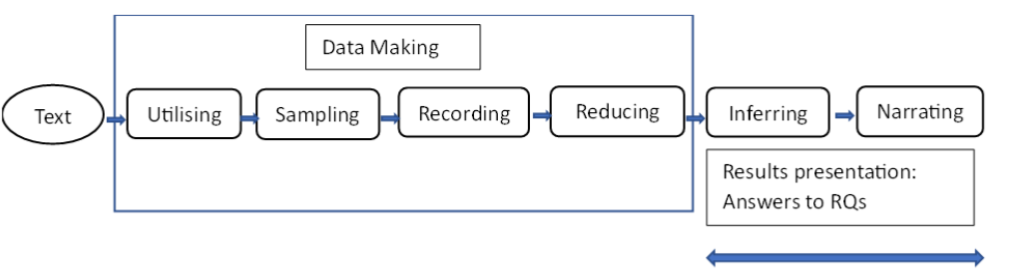
Content analysis is a research technique used to analyse written or visual data. Its purpose is to identify and interpret the meaning, trends, patterns and frequency of words or images, as well as their connections to wider social, political, or cultural contexts (Krippendorff 2004). For this study, we applied both enumerative and thematic content analysis (Grbich 2013) six steps (Utilising, Sampling, Recording, Coding, Reducing, Inferring, and Narrating) (Krippendorff 2004) to evaluate and analyse global breastfeeding and IYCF policies from countries with policies available online. The aim of the analysis was to explore how and in what context fathers/male partners are represented. Data generation was the focus of the first four steps in the analysis while the last two steps were focused on results presentation (see Figure 1). After extractions (recording, coding), data were presented in tables and diagrams (reducing data). We then reflected on the data and inferred the meaning and implication of the data (inferring). Lastly, we described the results in a narrative. At this stage we also considered the implications of the ways that fathers/male partners are represented or absent from policies for health promotion efforts focused on increasing rates of breastfeeding.
Policy Selection: Inclusion and exclusion criteria
Breastfeeding policies in this context include any national or global public health and nutritional regularity guidelines or principles that aim to support, promote and protect the health and wellbeing of mothers and children through breastfeeding. IYCF policies include national policies that are in line with the WHO and UNICEF recommendations for feeding infants and young children (6-23 months) strategy (WHO-UNICEF 2003). All policies included in the studies are published in English and were publicly available between (1st January 1991 to 31st December 2022). This time period was chosen because breastfeeding and infant feeding policies were introduced between 1991 and 2005 by WHO and UNICEF (UNICEF 2007). Exclusion criteria included provincial, regional, and state policies, duplicated policies and policies written in languages other than English. For this study, we adopted the WHO and UNICEF breastfeeding and infant and young child feeding definitions (WHO-UNICEF 2021).
Search Strategy
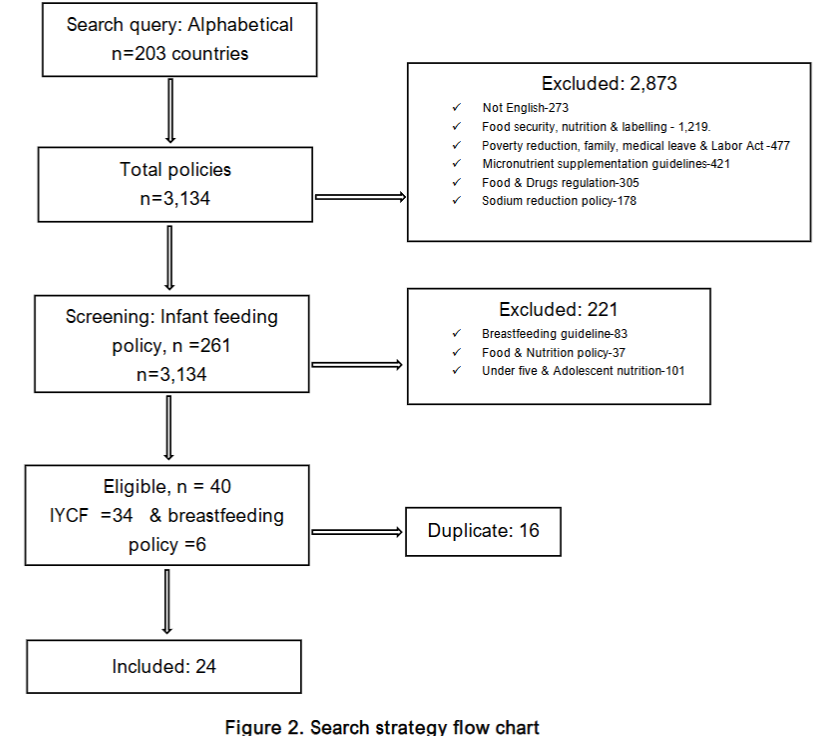
The search strategy followed the Preferred Reporting Items for Systematic review and Meta-Analysis (PRISMA) guidelines (Page et al. 2021) as seen in figure 2. Two databases were used. The WHO global database and a Google search. The WHO database is a repository for all policies on global implementation of nutrition action (GINA) found at: Policies by country | Global Database on the Implementation of Nutrition Action (GINA) (who.int). First, author 1 from October 2022 to April 2023 searched for national breastfeeding and IYCF policies from the WHO database. The database had data (policies) on 203 countries organized alphabetically. As of April 12th, 2023, it had 3134 policies on nutrition-related policies. We searched alphabetically for the defined policies from one country to the next. This yielded four national breastfeeding policies and 15 IYCF policies. We obtained two additional national breastfeeding policies and three IYCFs using a Google search, bringing the analysis sample to 24 policies as shown in Figure 2 below.
Data extraction
A Microsoft Excel data extraction form was developed by the research team and then used to extract and enter information for each policy including country of origin, policy type, author, year of publication and whether it mentions father and or husband term (see Table 1). Eligible policies (n=40) were obtained. During validation, 16 policies were removed due to duplication bringing the total included policies to 24 (see Figure 2). For data making, in line with these policies in PDF was opened on the computer and we applied the search function, (CTRL + F) and entered each of the key terms one after the other recording the frequency/occurrence. The key terms (father/husband/parent/partner/spouse/caregiver/caretaker/carer) were identified through a literature review (Bhairo & Elliott 2018). We colour coded and clustered text around the key terms. The purpose of the highlight was to avoid missing any key terms and relevant pieces of data when uploaded into the software program NVivo for thematic coding. We replicated this process for each key term and policy. To ensure data credibility, we employed GPT 3.5 as previously used (Atkinson 2023; Kung et al. 2023) and recommended for data extraction (Atkinson 2023). GPT 3.5 is an autoregressive language model that has been trained on internet data to be deductive (Lin et al. 2023). Among other functions it enables users to communicate with PDF files. The application and instructions for using GPT 3.5 in this way can be found at https://github.com/dotvignesh/PDFChat. Each of the 24 included policies in PDF files were imported into GPT 3.5, and specific questions were inputted via the built-in interface. The program allowed us to extract data by asking specific queries we find the term caregiver in the pdf. It also provided context for the key terms and page number(s). These pieces of detail were highlighted in yellow for easy comparison. We repeated this process for each key term and PDF file. All three authors reached a consensus by comparing the results of the manual method (CTRL + F) and the GPT 3.5 approach. The use of GPT application is novel in content analysis but likely to become widely used as in other reviews (Davies et al. 2023).
Data Analysis
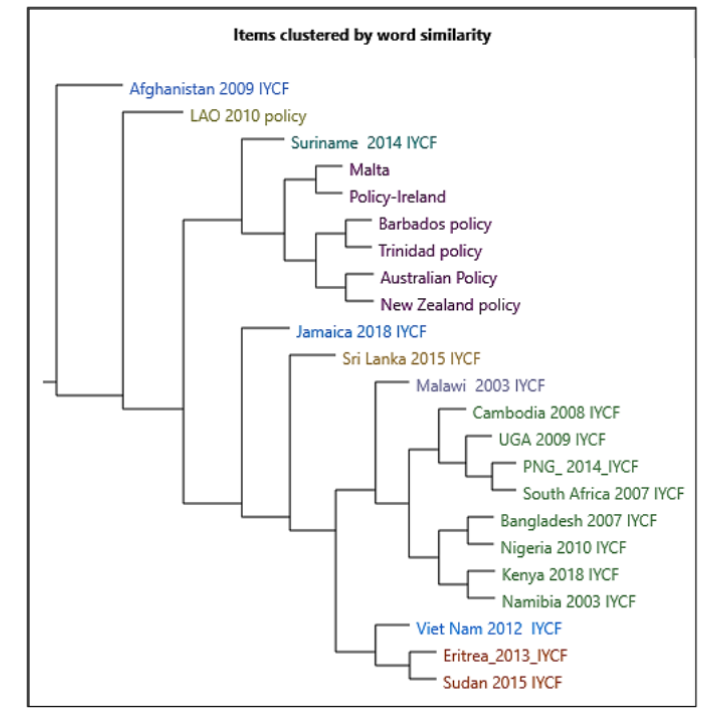
We used Microsoft Excel to obtain frequencies and percentages of the key terms: father and or husband and the gender-neutral terms partner/parent/spouse/caregiver/caretaker/carer. The 24 included policies were uploaded into NVivo (version 20.0) software for data management and a thematic analysis focused on how fathers/male partners are represented. A coding frame (themes for coding) was developed. As noted earlier, areas where the key terms appeared in the policy text were highlighted in yellow during extraction. The coding followed the Key Words in Context (KWIC) principle to provide contextual analysis of the text (Grbich 2013). As such, wherever the key terms appeared in the transcripts several lines before and after the key terms were coded to provide meaning and context. Common codes were grouped into common themes. After the coding, the data was analysed using a comprehensive thematic matrix. Inferences and narratives were written on the main themes supported by quotes for easy understanding as the final steps in content analysis as by Krippendorf (2004) (Krippendorff 2004). To ensure trustworthiness, Lincoln and Guba criteria were applied to ensure accuracy and credibility (Lincoln & Guba 1985). Furthermore, the data analysis protocol, as well as the extracted codes and themes, were checked and validated by members of the research team (EH and JA) who were not involved in data extraction or analysis. Cluster analysis was employed as a useful method for detecting hidden structures and patterns in dataset (Macia 2015). It was used to explore the identification of associations and patterns within the dataset by grouping words similarity using the Pearson correlation coefficient. A diagram that graphically represent the similarity or dissimilarity of the items compared using colour and positioning of the items relative to each other and understanding the patterns was generated (see Figure 3). Similar items were close together and dissimilar items were apart. In this study, we used the words similarities and differences across the policies to compare policy documents.
Results of enumerative content analysis
Table 1 presents the results obtained from the Microsoft Excel data extraction form as previously mentioned. Out of the 20 policies, 17 mentioned father and or husband. All six breastfeeding policies cited father and or husband.
A total of 24 policies comprising 6 national breastfeeding and 18 IYCF policies were included in the analysis (see Figure 2). The terms father and or husband were included most often in the breastfeeding policy of Australia at a rate of 34.7%, followed by New Zealand at 18.4%. The IYCF policies of Bangladesh, Suriname, and the national breastfeeding policies of Malta, and Ireland each accounted for 6.1% of the total mentions. The breastfeeding policies of Barbados and Trinidad & Tobago included 2% references to father and or husband. The IYCF policies for Afghanistan, Sri Lanka, South Africa, Viet Nam, Eritrea, and Jamaica, had no mention of father and or husband. While the Suriname IYCF and the Australian breastfeeding policy had nearly the same number of mentions (20%) of gender inclusive terms such as partner. Gender-inclusive terms were cited by 10.5% of Uganda IYCF. Conversely, there were only a few, more than 6% references of Malawi and New Zealand. About four policies including those of Afghanistan, Sudan, South Africa, and Vietnam applied gender-neutral terms only (see Table 2).
| Country published | Policy title | Author | Publication year | Includes (father/husband) |
|---|---|---|---|---|
| Trinidad and Tobago | National Breastfeeding Policy | Ministry of Health | 2020 | Yes |
| Australia | National Breastfeeding Policy | Council of Australian Government (COAG) | 2019 | Yes |
| Malta | National Breastfeeding Policy and Action | Parliament secretariat for health | 2015 | Yes |
| New Zealand | National Strategic Plan of Action for Breastfeeding | National Breastfeeding Advisory committee | 2008 | Yes |
| Ireland | A national Breastfeeding policy | Department of Health | 1994 | Yes |
| Barbados | National Policy on Breastfeeding | Ministry of Health | 2016 | Yes |
| Afghanistan | Infant and Young Child Feeding (IYCF) | Ministry of Public Health | 2009 | No |
| Malawi | IYCF | Ministry of Health and Population | 2003 | Yes |
| Namibia | IYCF | Ministry of Health and Social services | 2003 | Yes |
| Sri Lanka | IYCF | Ministry of Health, Nutrition and Indigenous medicine | 2015 | No |
| Nigeria | IYCF | Department of Family Health | 2010 | Yes |
| Papua New Guinea | IYCF | Department of Health | 2014 | Yes |
| Somalia | IYCF | Nutrition cluster Partners | 2013 | Yes |
| Sudan | IYCF | Federal Ministry of Health | 2014 | No |
| Suriname | IYCF | Office of Public Health | 2014 | Yes |
| Uganda | IYCF | Ministry of Health | 2009 | Yes |
| South Africa | IYCF | Department of Health | 2007 | No |
| Viet Nam | IYCF | Ministry of Health | 2012 | No |
| Kenya | IYCF | Ministry of Health | 2013 | Yes |
| Ethiopia | IYCF | Federal Ministry of Health | 2004 | Yes |
| Bangladesh | IYCF | Ministry of Health and Family Welfare | 2007 | Yes |
| Cambodia | IYCF | Ministry of Health | 2008 | Yes |
| Eritrea | IYCF | Ministry of Health | 2013 | No |
| Jamaica | IYCF | Ministry of Health and Wellness | 2018 | No |
Results of thematic analysis
The thematic analysis produced five themes all which are related to how and why father/male partners were represented in policy documents. These are: recognition of fathers in policy, fathers and breastfeeding decisions, strategies to involve fathers in policies, gender inclusion and representation of fathers in images.
Recognition of Fathers in policy
Eight policies explicitly acknowledged the father and/or husband and other family members in infant feeding practices. Fathers contributions to infant feeding were frequently described as playing a role but how they participate in the practice of breastfeeding, and infant and young child feeding is not described in detail. For example, The Australian National Breastfeeding strategy: 2019 and Beyond (the strategy) is intended to support and value mothers as the usual caregivers and food providers for infants and young children but also recognises the pivotal role of fathers, partners and other family members. The strategy seeks to build a society in which systems and settings support and value breastfeeding as the normal way to feed infant and young children (Australian National Breastfeeding Strategy 2019 and beyond. Page 10)
Fathers and breastfeeding decisions
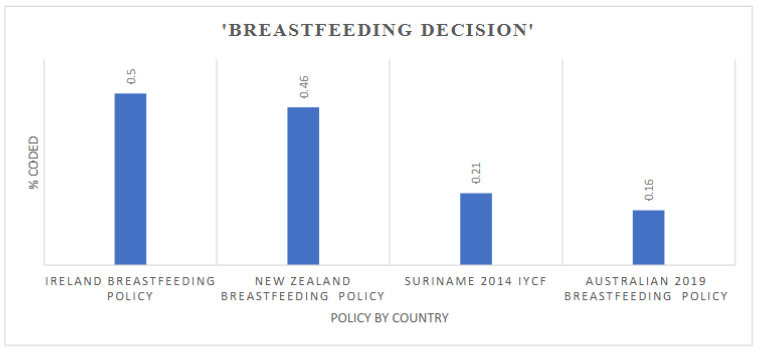
In figure 4 the bar chart shows the policies and decisions. This indicates how much information is available within each policy regarding the involvement of fathers and/or husbands in breastfeeding decisions. Only 4 of 24 policies included in the analysis making by parents about breastfeeding. High income countries, such as Ireland had the highest (0.5%) coding, followed by New Zealand (0.46%) compared to the low-income country Suriname (0.21%). However, Suriname had high coding compared to Australia (0.16). Similarly, a small number (8) policies drew attention to the role of fathers and or husbands, or other family members in breastfeeding decisions. Some indicated that fathers could impact women’s/mothers’ decisions to breastfeed or the type of infant feeding: choice of infant feeding method was if he had a definite preference. (A National Breastfeeding policy for Ireland, 1994. Page 46). Fathers, partners, family/and the community play an important role in supporting a woman’s decision to breastfeed. (National Strategic Plan of Action for Breastfeeding, 2008-2012. Page 7, New Zealand).
Strategies to involve fathers outlined in breastfeeding policies
Just over half (15) of the policies included mention of the desirability of involving fathers in breastfeeding. Frequently, the policies that did not include the terms ‘father’ and or ‘husband’ or include strategies that include fathers/male partners are from low-income countries. Possibly the culture, religion, and social structures in these countries support a view of family life where caring for infants and young children is seen as the exclusive concern of women, mainly mothers. Only 4 of the policies that include mention of the importance of having strategies that include fathers (Australia, New Zealand, Malta, and Suriname) provide detailed descriptions of how they intend to increase father involvement. These breastfeeding specific policies provide strategies on how to make breastfeeding inclusive of fathers. The policies explicitly urge breastfeeding program designers to consider fathers and use terms such as partners and grandmothers in descriptions of who may be involved in feeding young children. Many also provide direction on how healthcare workers should involve, include, and support fathers and others in both clinical and community settings thus overtly acknowledging their importance in breastfeeding: Strategies should be developed for the promotion and support of breastfeeding in the community, by involving fathers and family, the wider community and employer (National Breastfeeding Policy and Action Plan 2015-2020. Page 5, Malta).
The common strategies in these policies included providing factual, comprehensive, and consistent breastfeeding education to fathers and other family members, such as grandmothers, and recommending that fathers have opportunities to participate in antenatal and postnatal activities to equip them to offer breastfeeding support to mothers: Mothers, fathers and other caregivers should have access to objective, consistent and complete information about appropriate feeding practices, free from commercial influence (National Infant and Young Child Feeding Strategy 2015-2024, Sudan). All pregnant women should be encouraged to bring partners or a family member for antenatal education (National Infant and Young Child Feeding Policy, 2018 Page 23, Jamaica).
Additionally, the policies recommended implementing strategies that include fathers as active participants in the promotion and protection of breast and infant feeding. These include granting paid leave for working fathers to participate in childcare, utilising peer support from other fathers, providing educational courses for fathers, establishing clear and consistent hospital policies on breastfeeding that are regularly communicated to mothers, fathers, and families, and lastly, addressing any concerns fathers may have about breastfeeding: Dad and Partner Pay is a payment for working fathers or partners who are on leave to care for a child born or adopted from 1 January 2013. An eligible working father or partner will receive up to two weeks of government-funded pay based on the National Minimum Wage (Australian National Breastfeeding Strategy 2019 and beyond. Page 19). Ensure fathers are involved in family briefings on breastfeeding and that fathers concerns are addressed in public communication materials (Infant and Young Child Feeding and Essential Care in Suriname, 2014. Page 26).
Gender inclusion
Gender inclusion in this context include the use of language such as parent, partner, spouse, caregiver, caretaker, instead of the gender binary terms such as mothers/father or husband/wife (NIH 2024). It appears that most policies use gender inclusive terms in addition to gender normative terms such as father. Half (12) of the combined breastfeeding and IYCF policies, used gender-inclusive terms to care to infants (i.e., Afghanistan, Cambodia, Eritrea, Jamaica, Kenya, Malawi, Malta, Namibia, Papua New Guinea, South Africa, Suriname & Vietnam). The his context may or may not be family or in those policies. Almost all policies reviewed adopted a gender inclusive perspective to describe caregivers in addition to mothers except three (Nigeria, Barbados, and Trinidad and Tobago): Breastfeeding should be promoted to mothers and other caregivers as the normal way of feeding all babies (Eritrean Policy Infant and Young Child Feeding, 2013. Page 10). To empower health workers with knowledge, facts and skills, and support to enable them to provide quality care for mothers, children and caretakers (National Policy on Infant and Young Child Feeding, 2003. Page 9 Namibia).
Representation of fathers in images
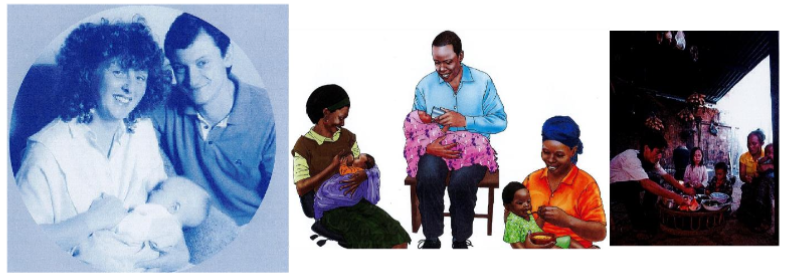
Here, we investigated how fathers are depicted in policies using visual images in relation to breastfeeding and infant feeding. Almost half (11) of the breastfeeding and IYCF policies included visual images. Gendered and cultural stereotypical representation of breast and infant and young child feeding dominated all policies. Women were portrayed as having central role in infant and young child feeding, either physically breastfeeding, smiling and seated either directly feeding or preparing food. Only five (5) policies included visual images of a male- either as a passive bystander, actively feeding a child or serving family food as seen in figure 5. These six policies come from Eritrea, South Africa, Sri Lanka, Uganda, & LAO Democratic Republic.
Discussion and Implications for Breastfeeding Promotion
This content analysis investigated how and in what context fathers and male partners are represented through text and images in Australia and Global breastfeeding and IYCF policy documents. The findings show that more than 70% of the policies included the terms despite the inclusion of these terms the significant role of the father and or husband as key supports and contributors to feeding decisions and practices is under recognised in policies. This is consistent with other studies that found fathers/male partners importance for breastfeeding is often under recognised (Bhairo & Elliott 2018; Sherriff & Hall 2014). Our findings suggest that there are, however, contextual variations between policies. In high income settings such as Australian, New Zealand and Ireland breastfeeding policies appear to be more inclusive of father and/or husbands when compared to low income setting such as Afghanistan, South Africa, Jamaica, Sri Lanka, Vietnam and Sudan. This perhaps reflect the cultural norms around feeding babies present in different contexts and differing expectations about gender and language that are now the norm in government policy settings in many higher income countries. Similar to the study by Caporali et al., which demonstrated that culture, and socioeconomic contexts in which people reside affects their perspectives and behaviour (Caporali et al. 2016) and by extensions policies. Breastfeeding is fundamental to appropriate infant and young child feeding, offering benefits for the infant, mother, household and society (Horta, Loret de Mola & Victora 2015). Nonetheless, global breastfeeding protection, promotion and support programmes and policies targets mothers (Ogbo et al. 2020).
This study has shown that strategies aiming to support breastfeeding persons to succeed and achieve their goals are more successful if they incorporate the family/kin network. This network for some will include fathers and or husbands. Overall, gender-inclusive terms were more commonly used in the policies compared to the gender normative terms and. Australia, New Zealand and Ireland are high income settings, however, in low- and middle-income settings the inclusion of male gendered terms father and or husband and how they influence decisions is almost similar to Australia. While the use of gender-inclusive terms does make the policies more inclusive and welcoming to parents and diverse family types, if these are the only terms used to capture non breastfeeding parents and family members opportunities for tailor-made strategies that explicitly address the role of the father in breastfeeding and infant feeding may be reduced. This is consistent with findings of a study that suggest that using both gendered and non-gendered terms such as father, husband/spouse/parent/caregivers and partner consistently across all policies may support inclusion and gender diversity (Baldwin, Bick & Spiro 2021). Contrary to a study that propose that we should not inadvertently include gender into feeding without examining how it influences and restricts infant feeding behaviours and practices otherwise, it may perpetuate harm to infant feeding practices (Sussex 2021). Other scholars suggest that the concept of gender in the context of feeding is that people may and should be considered equal, even if their average contribution to infant feeding may be very different (Jeynes 2016), hence its essential to deliberately include fathers and family members to contribute to infant feeding differently in a significant way.
While the use of images has several benefits, including enhanced persuasion, emotional stimulation, prompt reactions (Ireland & Van Teijlingen 2010), improved memory retention, user engagement, and increased comprehension for individuals with inadequate reading skills (Iddrisu 2024). Overall, when images of parents in the policies were analysed we found images of fathers/male partners largely absent from policies. Our view is that making fathers more visible through images is a simple way to acknowledge the involvement of fathers with breastfeeding and infant feeding. Hence, greater use of such images in policy documents and support literature may promote greater understanding and help to draw attention to fathers, make fathers/male partners feel included in breastfeeding support structures and infant feeding (Locatelli 2017).
Among the included policies, only a small number captured explicitly strategies on how breastfeeding supports can be made inclusive of fathers such policies urge breastfeeding program coordinators/designers to consider the various roles played by kin network or family members including fathers/partners and grandmothers and similarly, indicated the need for health workers to make deliberate efforts to include fathers and significant others when designing services and programs in both clinical and community settings. The strategies seem to make male partners and family or kin network an integral part of breastfeeding promotion. Recognising that making breastfeeding inclusive of male partners, family or kin networks may incentivise mothers achieve breastfeeding goals. This approach is aligned with the recommendation from Balwin et al. to provide fathers/partners with appropriate breastfeeding education, address breastfeeding uncertainties and anxieties of fathers and the need for health workers to involve fathers in breastfeeding campaigns and programmes (Baldwin, Bick & Spiro 2021). The above approaches may address two significant issues: first, fathers’ often reported feelings of being excluded from breastfeeding (Ngoenthong et al. 2020), and second, father and guilt in the face of breastfeeding problems because of the inadequacy of their breastfeeding information, knowledge, and skills (Demontigny et al. 2018) are allayed, and their concerns are better addressed, their capacities and confidence will be enhanced, and they will be more involved. Again, the findings reveal that the policies implicitly and explicitly represented fathers and other family members as peripheral carers with regards to feeding infants and young children, entrenching the notion that fathers meaning is consistent with previous research, the father’s function is supplementary to the mother’s, which is described as limited and disposable (Brown & Davies 2014; Burnod et al. 2022; Stubley, Rojas & McCroy 2015). This may be attributed to the deep-rooted social norms regarding the acceptable roles of men and women. However, there exists a substantial body of evidence indicating that a significant number of families have fathers as the primary carers for various reasons (Hunter, Riggs & Augoustinos 2017, 2020; West et al. 2009), which should be considered in the context of policy. We suggest that a critical strategy to involve fathers in breastfeeding is to explicitly acknowledge fathers as players in promoting, protecting, and supporting breastfeeding. This approach is consistent with the recommendation of the WHO framework for action, establishing a conducive environment through policy and legislation (WHO-UNICEF 2014).
Strengths and limitations
We employed triangulation (enumerative and thematic content analysis) to ensure data validity. A thorough and systematic content analysis of the policies provided insight into how fathers are positioned in infant feeding and breastfeeding policies. The use of GPT 3.5 enhanced the data credibility. In addition, the use of KWIC allowed a more comprehensive analysis of the data in its proper context. However, this study’s limitations should be considered when considering our results. The analysis sample of the policy documents used was small due to our reliance on publicly available policy documents. This may have induced bias and has reduced representation. As a result, our findings may not be generalizable.
Conclusion
There are contextual variations between the two types of policies and between policies from different countries. Overall, fathers/male partners are represented as periphery caregivers in the way they included or not included the policies-the significant contribution of fathers/male partners are under-recognised. While fathers/male partners are represented in both breastfeeding and IYCF policies, few provide detailed strategies of how fathers could be better supported themselves in their infant feeding and mobilised to support increased rates of exclusive and any breastfeeding among infants and young children. The use of gender inclusive language in policy documents is apparent. However, in relation to mothers. Additionally, if gender inclusive terms are only used this may reduce the development of strategies that are directly aimed at fathers. The use of images is a potentially tool for supporting and promoting inclusivity and diversity in policy documents.
Conflict of interest
None to declare
Contributions
AAN conceived and designed the study with substantial input from EH and JA. AAN conducted the formal analysis and interpreted the results. AAN drafted the manuscripts with critical revisions from EH and JA. All authors reviewed the draft manuscript and provided important intellectual content. All authors approved the final version of the manuscript.
Funding
None
Ethical approval received
Not applicable
Data management and sharing
The data can be obtained from the corresponding author upon reasonable request.
Acknowledgement
We are grateful to Cameron F Atkinson who provided GPT 3.5 support for data extraction.
Declaration of Generative AI and AI-assisted technology
During the preparation of this work, the authors used GPT 3.5 to extract data to compare the results with the manual extraction to enhance data credibility.
References:
Atkinson, CF 2023, ‘Cheap, quick, and rigorous: artificial intelligence and the systematic literature review’, Social Science Computer Review, p. 08944393231196281.
Ayton, J, van der Mei, I, Wills, K, Hansen, E & Nelson, M 2015, ‘Cumulative risks and cessation of exclusive breast feeding: Australian cross-sectional survey’, Archives of disease in childhood, vol. 100, no. 9, pp. 863-868.
Baldwin, S, Bick, D & Spiro, A 2021, ‘Translating support for breastfeeding into practice’, Primary Health Care Research & Development, vol. 22.
Bhairo, RL & Elliott, H 2018, ‘Encouraging breastfeeding: the role of fathers’, Journal of Health Visiting, vol. 6, no. 6, pp. 290-301.
Brown, A & Davies, R 2014, ‘Fathers’ experiences of supporting breastfeeding: challenges for breastfeeding promotion and education’, Maternal & child nutrition, vol. 10, no. 4, pp. 510-526.
Burnod, L, Patterson, K, Dickinson, K & Coveney, J 2022, ‘Sharing the load: A qualitative exploration of should be in food provisioning’, Appetite, vol. 176, p. 106101.
Caporali, A, Kluesener, S, Neyer, G, Krapf, S, Grigorieva, O & Kostova, D 2016, ‘The Contextual Database of the Generations and Gender Programme: Concept, content, and research examples’, Demographic Research, vol. 35, pp. 229-252.
Davies, EL, Bulto, LN, Walsh, A, Pollock, D, Langton, VM, Laing, RE, Graham, A, Arnold‐Chamney, M & Kelly, J 2023, ‘Reporting and conducting patient journey mapping research in healthcare: a scoping review’, Journal of advanced nursing, vol. 79, no. 1, pp. 83-100.
Demontigny, F, Gervais, C, Larivière-Bastien, D & St-Arneault, K 2018, ‘The role of fathers during breastfeeding’, Midwifery, vol. 58, pp. 6-12.
Grbich, C 2013, Qualitative Data Analysis An Introduction, second edn, Sage publications
Horta, BL, Loret de Mola, C & Victora, CG 2015, ‘Long‐term consequences of breastfeeding on cholesterol, obesity, systolic blood pressure and type 2 diabetes: a systematic review and meta‐analysis’, Acta paediatrica, vol. 104, pp. 30-37.
Horta, BL, Rollins, N, Dias, MS, Garcez, V & Pérez‐Escamilla, R 2023, ‘Systematic review and meta‐analysis of breastfeeding and later overweight or obesity expands on previous study for World Health Organization’, Acta paediatrica, vol. 112, no. 1, pp. 34-41.
Hunter, SC, Riggs, DW & Augoustinos, M 2017, ‘Hegemonic masculinity versus a caring masculinity: Implications for understanding primary caregiving fathers’, Social and Personality Psychology Compass, vol. 11, no. 3, p. e12307.
Hunter, SC, Riggs, DW & Augoustinos, M 2020, ‘Constructions of primary caregiving fathers in popular parenting texts’, Men and Masculinities, vol. 23, no. 1, pp. 150-169.
Iddrisu, N 2024, ‘Health Infographics: An Examination of Breastfeeding Infographics from the World Health Organization’.
ILO 2014, Maternity and paternity at work: Law and practice across the world, International Labour Organisation.
Ireland, J & Van Teijlingen, E 2010, ‘Persuasion with pictures: piloting a breastfeeding image aimed at children’, British Journal of Midwifery, vol. 18, no. 4, pp. 212-217.
Jeynes, WH 2016, ‘Meta-analysis on the roles of fathers in parenting: Are they unique?’, Marriage & Family Review, vol. 52, no. 7, pp. 665-688.
Koksal, I, Acikgoz, A & Cakirli, M 2022, ‘The effect of a father’s support on breastfeeding: a systematic review’, Breastfeeding Medicine, vol. 17, no. 9, pp. 711-722.
Krippendorff, K 2004, ‘Content analysis: An introduction to its methodology. Thousand Oaks: SAGE Publications, Inc’.
Kung, TH, Cheatham, M, Medenilla, A, Sillos, C, De Leon, L, Elepaño, C, Madriaga, M, Aggabao, R, Diaz-Candido, G & Maningo, J 2023, ‘Performance of ChatGPT on USMLE: Potential for AI-assisted medical education using large language models’, PLoS digital health, vol. 2, no. 2, p. e0000198.
Lin, JC, Younessi, DN, Kurapati, SS, Tang, OY & Scott, IU 2023, ‘Comparison of GPT-3.5, GPT-4, and human user performance on a practice ophthalmology written examination’, Eye, pp. 1-2.
Lincoln, YS & Guba, EG 1985, Naturalistic inquiry, sage.
Locatelli, E 2017, ‘Images of breastfeeding on Instagram: Self-representation, publicness, and privacy management’, Social Media+ Society, vol. 3, no. 2, p. 2056305117707190.
Macia, L 2015, ‘Using Clustering as a Tool: Mixed Methods in Qualitative Data Analysis’, Qualitative Report, vol. 20, no. 7.
Ngoenthong, P, Sansiriphun, N, Fongkaew, W & Chaloumsuk, N 2020, ‘Integrative Review of Fathers’ Perspectives on Breastfeeding Support’, Journal of obstetric, gynecologic, and neonatal nursing : JOGNN, vol. 49, no. 1, pp. 16-26.
NIH 2024, Inclusive and Gender-Neutral Language, U.S Department of Health & Health Services viewed 31st May 2024, https://www.nih.gov/nih-style-guide/inclusive-gender-neutral-language.
Ogbo, FA, Akombi, BJ, Ahmed, KY, Rwabilimbo, AG, Ogbo, AO, Uwaibi, NE, Ezeh, OK & Agho, KE 2020, ‘Breastfeeding in the community how can partners/fathers help? A systematic review’, International journal of environmental research and public health, vol. 17, no. 2, p. 413.
Page, MJ, McKenzie, JE, Bossuyt, PM, Boutron, I, Hoffmann, TC, Mulrow, CD, Shamseer, L, Tetzlaff, JM, Akl, EA & Brennan, SE 2021, ‘The PRISMA 2020 statement: an updated guideline for reporting systematic reviews’, Bmj, vol. 372.
Patil, DS, Pundir, P, Dhyani, VS, Krishnan, JB, Parsekar, Renjith, V 2020, ‘A mixed-methods systematic review on barriers to exclusive breastfeeding’, Nutrition and Health, vol. 26, no. 4, pp. 323-346.
Rempel, LA, Rempel, JK & Moore, KCJ 2017, ‘Relationships between types of father breastfeeding support and breastfeeding outcomes’, Maternal & child nutrition, vol. 13, no. 3.
Sherriff, N & Hall, V 2014, ‘Rhetoric or reality? Father support in promoting breastfeeding’, International Journal of Birth and Parent Education, vol. 1, no. 4, pp. 19-22.
Stubley, TL, Rojas, M & McCroy, C 2015, ‘Father’s perceptions about their fathering role’, Journal of Arts and Humanities, vol. 4, no. 4, pp. 33-39.
Sussex, J 2021, ‘Gender” inclusive” language and breastfeeding’, World Nutrition, vol. 12, no. 3, pp. 119-122.
UNICEF 2007, Celebrating Innocenti Declaration on the protection, promotion and support of breastfeeding, United Nation Children’s Fund, Florence, Italy, https://www.unicefirc.org/publications/434-1990-2005-celebrating-the-innocenti-declaration-on-the-protection-promotion-and-support.html.
West, AF, Lewis, S, Ram, B, Barnes, J, Leach, P, Sylva, K, Stein, A & team, Fp 2009, ‘Why do some fathers become primary caregivers for their infants? A qualitative study’, Child: care, health and development, vol. 35, no. 2, pp. 208-216.
WHO-UNICEF 2003, Global strategy for infant and young child feeding, World Health Organization.
WHO-UNICEF 2014, Global Nutrition Targets 2025. Breastfeeding Policy Brief, World Health Organisation, Geneva 27, Switzerland, https://apps.who.int/iris/bitstream/handle/10665/149022/WHO_NMH_NHD_14.7_eng.pdf?sequence=1&isAllowed=y.
WHO-UNICEF 2021, Indicators for assessing infant and young child feeding practices: definitions and measurement methods, World Health Organisation and United Nations Children Fund, Geneva, Switzerland Indicators for assessing infant and young child feeding practices: definitions and measurement methods (who.int).
WHO 2022, Child mortality (Under 5 years). Key Facts, viewed 20th Oct 2023, Child mortality (under 5 years) (who.int).