





Labyrinths for Self-Care in Health Professional Training
The Use of Labyrinths in the University Preparation of Health Professionals
Valerie A. Ubbes1, PhD, MCHES
- Professor Emerita, Miami University, Oxford, Ohio, USA
OPEN ACCESS
PUBLISHED: 31 March 2025
CITATION:Ubbes, V. A., 2025. The Use of Labyrinths in the University Preparation of Health Professionals. Medical Research Archives, [online] 13(3). https://doi.org/10.18103/mra.v13i3.6461
COPYRIGHT: © 2025 European Society of Medicine. This is an open-access article distributed under the terms of the Creative Commons Attribution License, which permits unrestricted use, distribution, and reproduction in any medium, provided the original author and source are credited.
DOI https://doi.org/10.18103/mra.v13i3.6461
ISSN 2375-1924
ABSTRACT
Background: This research outlines the rationale and purpose for using labyrinths as an intervention in the university preparation of health professionals. Labyrinths are circuitous paths that health professionals can use for walking alone or with others on an indoor canvas installation or an outdoor turf installation. Labyrinths can also be traced by a finger on a three-dimensional grooved surface or a two-dimensional paper surface. Usually, a person has an intention for contemplation and self-care when using a labyrinth. The primary research purpose was to empower university students with future careers in the health professions (e.g., medical, dental, nursing, public health) to use two types of labyrinths during their professional coursework. The aim of the research was: 1) to implement a pilot study with students in the health professions who were assessed on a Labyrinth Survey before and after tracing a finger labyrinth, and 2) to reflect on and organize the written intentions of students who wrote about labyrinth walking in preparation for a career in healthcare.
Methods: A mixed-methods research design was employed. Students (n= 27) completed a pretest Labyrinth Survey before tracing a finger labyrinth, followed by the completion of a posttest Labyrinth Survey two weeks later. Students also wrote their intentions prior to walking an indoor labyrinth. Narrative responses from students could be organized by stress management, life purpose, emotional regulation, and contemplative practices.
Results: Pilot results showed that a majority of students supported finger labyrinths for overall health, stress management, clearing the mind, and therapeutic movement whereas written intentions for labyrinth walking supported their stress management, life purpose, emotional regulation, and contemplative practices.
Conclusion: Labyrinths are a contemplative pedagogy that faculty can use in medical education to support students in their career development. The use of labyrinths by health professionals offers opportunities for self-care when working in health care.
Keywords
Labyrinths, health professionals, self-care, education, contemplative practices
INTRODUCTION
Labyrinths have been designed and used for 5000 years as visual, embodied, and cognitive modes of reflection and as patterned places for people to walk when they lacked the ability or the funds to go on a pilgrimage. More recently, hospitals, clinics, schools, and nonprofits have used labyrinths with individuals and groups as a contemplative activity for rest, recovery, and renewal. Although hospitals, retreat centers, prisons, community centers, and municipalities have installed labyrinths as quiet contemplative environments for well-being, universities in the United States and the United Kingdom are increasing labyrinth installations on their campuses to help equip faculty and students with new teaching and learning spaces, rites of passages, and dedication memorials. Nursing schools have used labyrinths for preparing nurses for the life and death realities of medicine, including ways that labyrinths can help professionals to release losses experienced during the daily care of patients and to gain increasing self-awareness and reflection. Labyrinths can also be implemented in undergraduate and graduate courses as a pedagogy for identity formation, transformative learning, and career development. For example, students in the health professions can transition from premedical education into professional practice by using labyrinths as a way to designate a defining life event. Educational institutions can also consider the potential of labyrinths for improving a culture of caring.
Labyrinth walking can be done in an indoor location on a canvas pattern or in an outdoor natural environment on stone, grass, brick, or paved surfaces. Labyrinths can be perceived as a place for exploring one’s life course by walking a circuitous path. A labyrinth’s winding path to a designated center and back out again offers a safe space for transformational changes that are informed by “head knowledge…foot knowledge, breath knowledge, heart knowledge”. The brief journey from outside to inside the circle to release and then return to the opening can afford dynamic possibilities for “womb to tomb” experiences of self and others. Owing to the one-way, unicursal pathway that is walked toward a center point, individuals learn to take incremental steps “in the moment” as they experience the continuous passageway which returns them back to the starting point without attention to time keeping or schedule checking. Individuals regulate their own walking pace as they move into and out of the labyrinth. Some people elect to walk a labyrinth once or twice in a lifetime whereas others may establish a daily, weekly, or random routine for contemplation.
The main research question to be investigated was “How can students use labyrinth walking as an opportunity for their self-care before a career in health care?” For the purposes of this study, self-care refers to the promotion of one’s optimal health through self-regulation. Self-regulation involves the use of cognitive-behavioral strategies to attain a goal. Through the agency of human movement, students can combine cognitive thinking and behavioral movements when walking a labyrinth using body language without the need for spoken language. The use of labyrinth walking is recognized as a movement practice that increases the kinesthetic, tactile, and enacted release of stress and tension by employing calming or quieting techniques to regulate emotions during life changes in one’s personal or professional life.
The primary purpose of our research was to empower faculty to use labyrinth walking for stress management and emotional regulation with their students pursuing future careers in the helping professions (e.g., medical, dental, nursing, public health). Ideally, the intent was to support student “self-care before health care” on a personal and professional level as they traversed their vocational journey during their professional preparation coursework. This seemed necessary so students in the health professions could learn to use labyrinth walking or finger labyrinths for compassionate care of themselves, which might hypothetically benefit others when interacting with the public and their colleagues in their future healthcare careers. The specific aims of the research were twofold: 1) to implement a pilot study using the Labyrinth Survey to assess students before and after they traced a finger labyrinth; and 2) to instruct students to write an intention about the value of labyrinth walking in preparation for a career in healthcare.
METHODOLOGY
A mixed-methods research design was employed. Students with future careers in the health professions (e.g., premedical (n = 17), predental (n = 3), prenursing (n = 3), public health (n = 4) participated in the study. Students (n = 27) completed the pretest Labyrinth Survey before tracing the finger labyrinth, followed by 26 students who completed the posttest Labyrinth Survey. Cronbach alphas were computed on the Labyrinth Survey from Time 1 to Time 2 with a two-week interval. Students took the Labyrinth Survey as a pretest before using a finger labyrinth, followed by a posttest two weeks later. Students also walked a labyrinth in class and provided a written narrative on the value of walking a labyrinth in preparation for a career in healthcare. Later, students wrote their intentions prior to walking an indoor labyrinth. Narrative responses on the value of labyrinth walking were later organized thematically by stress management, life purpose, emotional regulation, and contemplative practices.
PROCEDURES
After approval was given by the Institutional Review Board from the referent university, students gave their assent to participate. Next, each student was provided a three-dimensional finger labyrinth known as an E.S.C.A.P.E. Path™. After they were instructed on how to use the finger labyrinth, students traced the finger labyrinth at their own pace. Students completed the Labyrinth Survey on their computers or mobile phones through a link to a Qualtrics platform. After two weeks, students repeated the same protocol. Phase 2 of the study involved students walking a canvas labyrinth once a week at the end of class. At the end of week five, students were prompted to write an answer to the following question prompt: “Could you please reflect honestly on the value of walking a labyrinth in preparing you for a healthcare profession?”
INSTRUMENT
The Labyrinth Survey (Table 1) contained 27 statements organized by eight themes: Body Awareness; Contemplation & Mindfulness; Feelings & Emotions; Health, Healing & Well Being; Life Changes; Peace; Personal & Social Skills; and Spiritual. Students responded to each statement based on a 5-point Likert Scale from Strongly Agree to Strongly Disagree.
RESULTS
The first research goal was to implement a pilot study using the Labyrinth Survey to assess students before and after they traced a finger labyrinth. A picture of a finger labyrinth is shown in Figure 1. To use the finger labyrinth called the E.S.C.A.P.E. Path™, each student traced a finger along the grooved path while moving slowly and reflectively from outside to inside the center of the labyrinth and back out. The research question was “What was the effect of a finger labyrinth intervention on students from time 1 to time 2?”
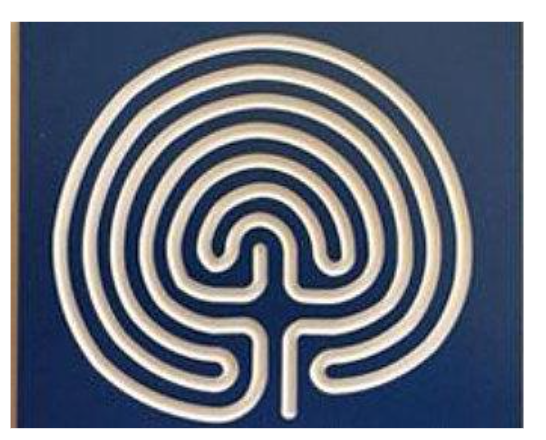
TABLE 1. Time 1 to Time 2 Responses with a Finger Labyrinth Intervention
| The Labyrinth Survey | First Time (N = 27) | Second Time (N = 26) | |
|---|---|---|---|
| Labyrinths will… | SA % A% N % D % SD % | SA % A% N% D% SD% | |
| Body Awareness | improve my sensory awareness and observations. | 11.1 59.3 22.2 07.4 0.0 | 23.1 38.5 30.8 07.7 0.0 |
| improve how I read my nonverbal communication and body language. | 07.7 38.5 34.6 19.2 0.0 | 11.5 34.6 34.6 19.2 0.0 | |
| Contemplation & Mindfulness | help me to solve a problem. | 11.5 46.1 38.5 03.9 0.0 | 12.0 44.0 32.0 12.0 0.0 |
| help me to regulate my thoughts. | 14.8 51.9 29.6 03.7 0.0 | 19.2 50.0 26.9 03.9 0.0 | |
| help me make thoughtful decisions. | 03.9 57.7 34.6 03.9 0.0 | 15.4 65.4 11.5 07.7 0.0 | |
| help me set goals for health and healing. | 07.4 48.2 37.0 07.4 0.0 | 15.4 38.5 42.3 03.9 0.0 | |
| Feelings & Emotions | help me to regulate my emotions. | 11.1 66.7 22.2 00.0 0.0 | 19.2 46.1 26.9 07.7 0.0 |
| help me to regulate my feelings. | 11.1 37.0 44.4 07.4 0.0 | 16.0 44.0 36.0 4.00 0.0 | |
| Health, Healing & Well-being | be an exercise for my mind and my body. | 22.2 70.4 03.7 03.7 0.0 | 26.9 57.7 15.4 00.0 0.0 |
| improve my overall health and well-being. | 03.7 37.0 51.9 07.4 0.0 | 11.5 46.1 34.6 07.7 0.0 | |
| help me heal from a painful or traumatic event. | 11.1 22.2 40.7 22.2 3.7 | 07.7 30.8 34.6 26.9 0.0 | |
| help me be more self-aware. | 19.2 46.2 23.1 11.5 0.0 | 19.2 43.3 30.8 07.7 0.0 | |
| be a therapeutic movement for me. | 14.8 48.1 25.9 07.4 3.7 | 26.9 50.0 11.5 11.5 0.0 | |
| Life Change | be a way to celebrate a change in my life. | 03.7 29.6 40.7 25.9 0.0 | 11.5 30.8 34.6 23.1 0.0 |
| help me cope with a change in my life. | 07.4 44.4 14.8 33.3 0.0 | 15.4 34.6 38.5 11.5 0.0 | |
| be a place for releasing a loss or change in my life. | 07.4 44.4 33.3 14.8 0.0 | 15.4 38.5 26.9 19.2 0.0 | |
| reduce stress in my life. | 14.8 66.7 14.8 03.7 0.0 | 15.4 65.4 15.4 03.9 0.0 | |
| help me think about my life purpose. | 11.1 37.0 37.0 14.8 0.0 | 15.4 34.6 42.3 07.7 0.0 | |
| Peace | enhance my inner sense of peace and tranquility. | 22.2 55.6 11.1 11.1 0.0 | 11.5 76.9 07.7 03.9 0.0 |
| help me clear my mind. | 34.6 53.9 11.5 00.0 0.0 | 30.8 53.9 11.5 03.9 0.0 | |
| have a calming effect on me. | 29.6 63.0 07.4 00.0 0.0 | 26.9 53.9 19.2 00.0 0.0 | |
| help me interact with nature. | 03.7 22.2 44.4 25.9 3.7 | 23.1 19.2 26.9 30.8 0.0 | |
| Personal and Social Skills | heighten my sense of creativity. | 07.4 40.7 48.1 03.7 0.0 | 15.4 26.9 42.3 15.4 0.0 |
| help me resolve a conflict with a person. | 03.7 29.6 37.0 29.6 0.0 | 11.5 19.2 42.3 26.9 0.0 | |
| Spiritual | help me to feel inspired. | 14.8 48.1 29.6 07.4 0.0 | 19.2 34.6 34.6 11.5 0.0 |
| be a spiritual experience. | 29.6 44.4 14.8 07.4 3.7 | 19.2 53.9 19.2 07.7 0.0 | |
| give me insight and wisdom. | 07.4 55.6 33.3 03.7 0.0 | 19.2 30.8 34.6 15.4 0.0 |
Red = highest percentage of students responding to a Likert scale for that question
Key: SA=Strongly Agree; A=Agree; N=Neutral; D=Disagree; and SD=Strongly Disagree
Students used the E.S.C.A.P.E. Path™ labyrinths in the classroom and provided feedback on the perceived benefits of using a finger labyrinth per the eight themes listed in the Labyrinth Survey. The results of the pilot survey demonstrated the effectiveness of using a finger labyrinth for all of the themes.
Table 1 shows the highest student percentages (in red) which depict how students responded to 19 statements on the Labyrinth Survey from the first time to the second time that they took it. Percentages increased toward the positive in seven statements which represented improvement in student responses. No students chose Strongly Disagree during the second time.
The Cronbach alphas of the Labyrinth Survey were 0.713 for Strongly Agree, 0.817 for Agree, 0.777 Neutral, 0.837 Disagree, and 0.000 for Strongly Disagree statements. Results for Strongly Agree stayed the same or increased after using the finger labyrinth. In the survey theme called Life Change, 5 questions moved to higher percentages for Strongly Agree responses from Time 1 to Time 2.
FIGURE 2. Labyrinth Walking
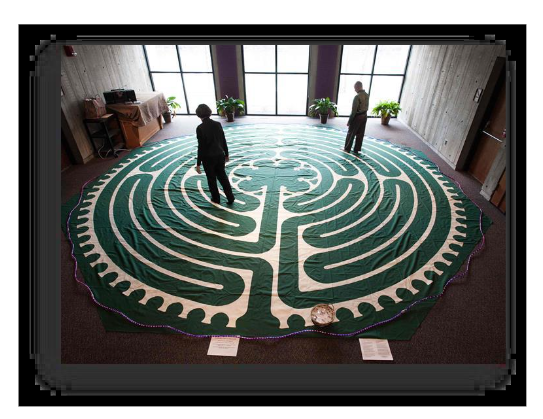
TABLE 2. Narrative Intentions on the Value of Walking a Labyrinth for Stress Management
| Stress Management Content of Journal Writing After Walking the Labyrinth |
|---|
| Labyrinths as a way to reduce stress in my life. (n = 3) |
| Walking the labyrinth will help us relieve stress and relax. This could prepare us for our health professions because we will likely encounter situations where we will become overwhelmed or stressed. It is also likely that we will get so involved with our work that we feel like we can never part our minds from work, and we may feel as if work is carrying over into the other parts of our lives. Walking the labyrinth is the time to put our minds at ease, and just focus on that moment without thinking about anything else. After all, we do have to take care of ourselves before we can take care of anyone else. |
| I utilized the time we spent walking the labyrinth to let my mind calm, let the brain relax, to let everything be stress-free and to overall appreciate life. Walking the labyrinth has meant many things for me. It is so easy to get insanely stressed and worked up over the smallest things. It is important to regroup and relax. I have learned it is not worth stressing because it all works out at the end. |
| I think walking a labyrinth allows for a person to feel calm and to contemplate allowing for your mind to become quiet. This is very important when preparing for a health care profession because it allows for you to relieve stress and open your mind allowing for focus. Health care professions can be very stressful and overwhelming and it’s nearly impossible to successfully complete the job while under too much stress and chaos in your head. |
TABLE 3. Narrative Intentions on the Value of Walking a Labyrinth for Life Purpose
| Life Purpose Content of Journal Writing After Walking the Labyrinth |
|---|
| Labyrinths as a way to think about my life purpose. (n = 4) |
| There is so much value to walking a labyrinth. In preparing for my career in the health care profession, walking the labyrinth has taught me how I can educate others. I have been passionate about behavioral and mental health which inspires me to guide others in living a healthy and stable lifestyle. Someday, I hope to create this experience for individuals I am working with. Finally, walking the labyrinth has increased my appreciation for gratitude savoring in which I encourage others to seek as well. Those are key benefits for me! |
| Labyrinth walking also acts as a pathway to think and reflect upon the day’s work and goals. Within a health care profession, it is critical to ensure our own mental and physical health prior to educating or working to ensure the health of others. The labyrinth provides us with a tool to do just that – and in a short amount of time! The benefits of using this tool is that it allows us to walk the same path, while still providing each individual the opportunity to create their own mindset and goals for the duration of the exercise. |
| I think the labyrinth has the potential to play an important role in self-actualization, which is something everyone has to go through. The labyrinth gives you a chance to dedicate time to this process. Before we as people can help one another, we must understand how to help ourselves. Walking the labyrinth is a form of meditation, which is one of the most common self-care activities. Being in the health care profession is almost entirely about helping others. The labyrinth assists in allowing us to know ourselves and help ourselves, so that we can prepare to help others in our profession. |
| I think that in preparing for a healthcare profession, it is important to have a lot of time for reflection. As it pertains to healthcare, it is inevitable that things will not go the way we want them to. We could be dealing with things such as general care, advocacy, all the way up to being responsible for individuals’ lives. Something like a Labyrinth walk allows you to reflect, reframe your focus, adapt, and keep moving forward. |
TABLE 4. Narrative Intentions on the Value of Walking a Labyrinth for Contemplation
| Contemplative Practices Content of Journal Writing After Walking the Labyrinth |
|---|
| Labyrinths as a way to enhance my inner peace. (n = 4) |
| I had never been exposed to labyrinth walking. I can honestly say that I felt at peace while walking it even in the midst of the crazy life that I live. I felt like I just had to focus on the “now” when I was walking. After walking, I always felt clear minded, and I was better off after walking it! I really enjoyed it, and I hate that we will not get to physically walk it together as a class. |
| Walking the labyrinth is a way to find peace in the midst of the maze of life, a skill that I know I’ll need as a community health worker. It will be imperative in health crises, similar to the one we are in now, for my ability to find peace within myself so that I can make decisions for the community’s health with a level-headed mind. |
| Walking the labyrinth was a cleansing ritual for me and a perfect tool to help center myself. It gave me peace and time to really reflect on the intentions I set for myself. I was able to think about my intentions with a clear mind, not influenced by any other factors, but only a real attempt to better myself and honor the moment I was in. |
| Labyrinth walking for me has meant that I can also be in prayer and find peace and mindfulness. I feel when I walk the labyrinth it gives me a chance to focus on one thing, and not everything at once, because that can cause overload. It reminds me that I do not have all the answers but when I am in prayer, I can seek guidance for the unanswered questions and how to approach those situations in a way that will help others and find rewarding experiences spiritually. |
TABLE 5. Narrative Intentions on the Value of Walking a Labyrinth for Emotional Regulation
| Emotional Regulation Content of Journal Writing After Walking the Labyrinth |
|---|
| Labyrinths as a way to help regulate my emotions. (n = 2) |
| The value of walking through the labyrinth, for me, is to gather my feelings and emotions together in one place and put them into perspective. As I walk around, I focus on my intention and home in on why that is my intention and what I hope that intention will grow into. This benefits me because it allows me to feel in control of my thoughts and feelings, and prioritizes what is most important to me as far as those feelings go. So far, the labyrinth walking has done all of these things for me and allows me to leave class feeling emotionally in control. It is important for me to feel in control when it comes to constantly being under stress at school. It also allows me to figure out what my true intentions are and how I can pursue those intentions to be actions. |
| The labyrinth at first seemed a little quirky, but after time it provided a quiet, peaceful outlet for me to escape the stressors of the day. After walking the labyrinth, I always felt slightly less anxious and preoccupied with all the tasks I had in the back of my mind. |
| Labyrinths as a way to help regulate my feelings. (n = 2) |
| The labyrinth walking has been a new experience for me. Having a portion of class dedicated to self-actualization and mindfulness is very meaningful to me, because I have a great interest in mental wellness. Labyrinth walking in class has allowed me to take a moment from my busy schedule to focus only on myself, which was honestly needed almost every time. It allowed me to center myself and finish off the day strong. |
| Labyrinth walking, for me, has given me the opportunity to reflect, come in with specific intentions, and address them, either by not letting them to weigh me down or evaluate how different things in my life contribute to everyday feelings or problems. |
DISCUSSION
The university preparation of health professionals (e.g., medical, dental, nursing, public health) requires personal development and professional skill practice to enable quality patient care. Personal skill development in releasing tension, managing stress, resolving conflicts, and regulating emotions can be cultivated through the use of labyrinths. Such problem-solving skills need time to develop before health professionals interact with a demanding public. By institutionalizing a culture of caring in educational settings and modeling unique pedagogical approaches during university coursework (e.g., labyrinths), faculty can support the personal AND professional development of the healthcare workforce which is under greater demands and expectations.
The use of labyrinths in professional coursework can help students reflect on whether they have the ability to model resiliency and human flourishing day-in-and-day-out as they interact with patients and clients who present with psychological and physiological pain, including dysregulated circadian rhythms, feelings, and emotions. Over time, these interactions can weigh heavily on health professionals who have extensive workloads, concerns with job morale, and burnout. Therefore, faculty can use labyrinths as a way to counter the pressures, oppressions, and microaggressions that are part of the clinical environment so health professionals can be afforded brief moments of time to integrate contemplative activities into their professional practice. Fredrickson stated that “Whereas negative emotions heighten one’s sympathetic activity and narrow one’s attention to support specific action tendencies (e.g., attack, escape), positive emotions have the potential to quell autonomic arousal generated by negative emotions and broaden one’s attention, thinking, and behavioral repertoires.” As such, labyrinths can be used as a pedagogy to support reflective and contemplative practices, invite physiological and psychological benefits, and establish a culture of caring in educational settings. A school’s climate emerges as a key component of an organization’s culture, shaped by the subjective perceptions of individuals who teach and learn there.
Most health and healing therapies emerge from behavioral intentions, a construct of the Theory of Reasoned Action, which is described as a person’s readiness to perform a given behavior and is “assumed to be the immediate antecedent of behavior”. In the context of health and healing, the individual must decide to seek support from a therapist and engage in a therapeutic practice mentioned above. Self-regulated behavior, including self-efficacy, has been studied in depth. Individuals who are highly self-regulating will initiate and direct their own knowledge and skill development rather than depend on others.
The current research investigated labyrinths as a mind-body contemplative practice for health care professionals, who experienced two different types of labyrinth activities. The first part of the labyrinth research involved the use of finger labyrinths. A finger labyrinth is constructed on a square platform so that the individual can manually trace a finger along a circuitous grooved path so as to regulate their thoughts and feelings. Students need to experience how a finger labyrinth can quiet the mind to free up space for executive functioning and emotional expression while engaging both hemispheres of the brain. Finger labyrinths may help students to counteract confusing, random thoughts with more calming in-the-moment thinking in the middle of a busy life. In the current research, student health professionals increased a majority of their Strongly Agree and Agree statements after their use of a finger labyrinth. In another finger labyrinth research study, Johnson suggests that “By training the mind and body to perceive sensations fully in each moment, the interior mental chatter that often plagues the mind becomes quiet. If we are present, the mind is not ruminating on thoughts or emotions from the past; nor is it rehearsing thoughts or emotions for the future.” Results showed that students reported reduced anxiety when they used a finger labyrinth for one to two minutes on three to four days per week. Eleven students reported reduced anxiety, and 10 students reported improved concentration. As one student wrote about finger labyrinths: “It takes the emotions out of the situation after using the labyrinth; you see the bigger picture.”
Faculty can assist students in building emotional self-efficacy by providing interventions like finger labyrinths to counteract extensive use of social media platforms and screen-based activities. Finger labyrinths can help students to “plan courses of actions and gauge their capacity to act” giving them needed opportunities to self-regulate their experiences and actions using a “psychology of human strengths” model rather than deficit models that do not build self-efficacy. Bandura conceptualized personality as an “agentic self-regulatory system”.
The second part of the current research involved walking a labyrinth as a form of inquiry and interpersonal (identity) formation, then “writing through journaling”. The intersection of “journaling by hand and journeying by foot” was hypothesized as a way to help students explore daily decisions related to their personal and professional development. By using written language and body language as integral ways to communicate during a labyrinth walk, students would be able to maximize and even rest from their oral communications since health professionals continually interact with clients, patients, and colleagues on a daily basis. Bronson stated that “Behavioral theorists focus on the power of the environment to shape behavior”. Therefore, we posited that journaling one’s intention before labyrinth walking would afford students time to reflect in the moment on an immediate need or concern before stepping onto the labyrinth path, which provided movement and rhythmical potential for students to “walk it out” – whatever ‘it’ is for them.
Faculty can provide students with time to express their thoughts and feelings through the kinesthetic benefits of handwriting or typing their ideas into a journal before walking a labyrinth (or tracing a finger labyrinth). When journal writing is included as an extension of labyrinth meditations, new insights may emerge about self-identity and personal agency among novice to experienced health professionals. The intersection of “journaling by hand and journeying by foot” can help students combine both written language and body language as interwoven forms of communication. When faculty interact with students before and after labyrinth walking, oral language becomes a third form of communication or multimodal storytelling. Results from the current research indicated a variety of student responses regarding their self-knowledge and intentions for labyrinth walking. Their narrative intentions reflected students’ constructivist meaning making about labyrinths for four themes: stress management, life purpose, contemplation, and emotional regulation. In Tables 2 and 3 for the themes called stress management and life purpose respectively, three students journaled about “labyrinths as a way to reduce stress in my life”, and four students journaled about “labyrinths as a way to think about my life purpose”. In Table 4 for the theme called contemplation, four students wrote about “labyrinths as a way to enhance my inner peace”; one student wrote about “labyrinths as a way to clear my mind”; and one student wrote about “labyrinths as a calming effect on me”. In Table 5 for the theme called emotional regulation, 2 students wrote about “labyrinths as a way to help regulate my emotions”, and 2 students wrote about “labyrinths as way to help regulate my feelings”. All students wrote freely without prompts from the faculty.
RESEARCH RECOMMENDATIONS
According to labyrinth research in higher education, there is increased value when using experimental-control group designs with randomized assignment of participants into groups. Unfortunately, the current research did not follow this recommendation when piloting the Labyrinth Survey with students, thus increasing the probability for Type I errors. Instead, the current pilot study determined the reliability of the “Labyrinth Survey” with more psychometrics needed so the field can use the survey for repeat studies. A future line of inquiry could include the use of the Labyrinth Survey in tandem with a valid and reliable Stress Management Inventory or an Emotional Regulation Survey to identify the psychological impact of labyrinths on students. Physiological impact of labyrinths on students is also warranted. Labyrinth walking is gender neutral, but research indicates that women choose careers in the helping professions at higher rates than men. Research also indicates that heart disease is the number one cause of mortality in women worldwide with women often having more capacity for interoceptive accuracy and emotion regulation. However, women have also exhibited poorer interoceptive accuracy across a range of cardiac, respiratory, and gastric awareness of body sensations and detrimental connections between depression and subsequent cardiovascular incidents. Future research should see how labyrinth walking as a contemplative practice can help with interoceptive accuracy among clinicians and patients alike. Other research has highlighted the importance of walking as an exercise to reduce the burden of all-cause mortality among adults with healthcare workers showing low engagement in moderate physical activity and poor lifestyle habits during work. Labyrinth walking for stress management could extend previous research that showed immediate physiological arousal and heightened physiological and self-reported relaxation during and after a labyrinth walk with youth and families at a pediatric hospital. Although a majority of labyrinth studies lack a control group or control conditions, it would be prescient to build a robust labyrinth profile for preservice professionals who elect careers in healthcare in light of the National Academy of Sciences campaign to reduce burnout and promote clinician wellbeing to improve patient care. Also, helping preservice professionals to understand the value of self-care self-efficacy remains an important future direction so that university students leave the academy with heightened cognitive awareness about setting aside time for contemplative practices in their personal and professional lives.
CONCLUSION
When using finger or walking labyrinths, people move from outside the labyrinth circle to inside the circle, then they return to the original starting point via the same path. As such, the labyrinth entrance and exit serve as a common unicursal pathway leading to and from a turn-around point in the middle of the labyrinth. Individuals enter the path using the movement themes of “releasing”, followed by a pause in the center for “receiving”. Then, individuals embrace “returning” home at the end of the labyrinth with a changing sense of purpose and rhythm that is uniquely their own. This twofold project focused on piloting a labyrinth survey and implementing labyrinth practices in a university course for health professionals. Faculty used finger labyrinths and walking labyrinths as a contemplative pedagogy for the personal and professional development of students. Phase 1 of the study involved students completing the Labyrinth Survey before and after using a finger labyrinth. The survey was organized by eight themes which included perceived benefits of using a labyrinth for body awareness; contemplation and mindfulness; feelings and emotions; health, healing, and well-being; life change; peace; personal and social skills; and spiritual. Phase 2 of the study involved students walking a labyrinth. Labyrinth walking engaged students in a corporeal body language which was prefaced by the writing of narrative intentions to describe the value that they placed on labyrinth walking in preparation for their healthcare careers. The narrative responses from students described the ways that labyrinth walking supported the benefits of stress management, life purpose, emotional regulation, and contemplative practices. The use of labyrinths for “self-care in health care” (e.g., medical, dental, nursing, public health) was supported.
CONFLICT OF INTEREST STATEMENT:
The author has no conflicts of interest to declare.
FUNDING STATEMENT:
This project received $3000.00 funding from the Center for Teaching Excellence at Miami University, Oxford, Ohio to purchase 35 E.S.C.A.P.E. Path™ Finger Labyrinths for phase 1 of the study. A Ford Foundation matching grant of $500.00 helped to fund one-half of the canvas labyrinth used indoors during Phase 2 of the study.
ACKNOWLEDGEMENTS:
The principal investigator attended a five-day research workshop on Religion, Spirituality, and Health at Duke University in Durham, North Carolina to give impetus to an academic research project on labyrinth walking. A special acknowledgement is given to Dr. Harold G. Koenig, MD, MHSc, who led the workshop and offered the PI encouragement in developing a line of research in labyrinth walking. Later, the PI presented a paper entitled “Conceptualization of labyrinth training and research for professional development of health education specialists, medical professionals, and therapists” at the 6th European Conference on Religion, Spirituality, and Health at the University of Coventry where Dr. Koenig was a keynote speaker.
REFERENCES:
- Kern, H. Through the labyrinth: designs and meanings over 5000 years. Prestel; 2000.
- Conty P. The genesis and geometry of the labyrinth: architecture, hidden language, myths, and rituals. Simon and Schuster; 2002 Dec 1.
- Barbezat DP, Bush M. Contemplative practices in higher education: Powerful methods to transform teaching and learning. John Wiley & Sons; 2013 Oct 30.
- Sellers J, Moss B. Learning with the labyrinth: Creating reflective space in higher education. (Macmillan Education – Palgrave Teaching and Learning; 2016 Apr 15.
- Sandor MK, Froman RD. Exploring the effects of walking the labyrinth. Journal of Holistic Nursing. 2006 Jun;24(2):103-10.
- Sandor, MK. The labyrinth: A walking meditation for healing and self-care. Explore: The Journal of Science and Healing, 2005; 1(6): 480-483. doi:10.1016/J.EXPLORE.2005.08.013
- Dalley-Hewer J, Opie, J. Introducing reflection to health care students: curriculum development and the labyrinth. In Sellers J, Moss B. Learning with the labyrinth: creating reflective space in higher education. (Macmillan Education – Palgrave Teaching and Learning; 2016 Apr 15:86-93.
- West, MG. Exploring the labyrinth: a guide for healing and spiritual growth. New York: Broadway Books. 2000:20.
- Clark NM, Zimmerman BJ. A social cognitive view of self-regulated learning about health. Health Education & Behavior. 2014 Oct;41(5):485-91.
- Zimmerman BJ. A social cognitive view of self-regulated academic learning. Journal of Educational Psychology. 1989 Sep;81(3):329.
- Bandura A. Social cognitive theory: an agentic perspective. Annual Review of Psychology. 2001 Feb;52(1):1-26.
- Sands HRS. The healing labyrinth: finding your path to inner peace. New York: Barron’s Educational Series, Inc. 2001:19
- Golan L, Levi Y, Ben-Yair Y. “It’s like a beneficial bacterium”: a positive spin on an educational vision for institutionalizing a culture of caring. Teaching and Teacher Education. 2025 May 1;158:104954. doi: 10.1016/j.tate.2025.104954
- Huhtala M, Geurts S, Mauno S, Feldt T. Intensified job demands in healthcare and their consequences for employee well‐being and patient satisfaction: A multilevel approach. Journal of advanced nursing. 2021 Sep;77(9):3718-32.
- Sabitova A, McGranahan R, Altamore F, Jovanovic N, Windle E, Priebe S. Indicators associated with job morale among physicians and dentists in low-income and middle-income countries: a systematic review and meta-analysis. JAMA Network Open. 2020 Jan 3;3(1). doi: 10.1001/jamanetworkopen.2019.13202
- Archuleta S, Ibrahim H, Pereira TL, Shorey S. Microaggression interactions among healthcare professionals, trainees and students in the clinical environment: a mixed-studies review. Trauma, Violence, & Abuse. 2024 Dec;25(5):3843-71. doi: 10.1177/15248380241265380
- Fredrickson BL. The role of positive emotions in positive psychology: the broaden-and-build theory of positive emotions. American Psychologist. 2001 Mar;56(3):218.
- Behman PJ, Rash JA, Bagshawe M, Giesbrecht GF. Short-term autonomic nervous system and experiential responses during a labyrinth walk. Cogent Psychology. 2018 Dec 31;5(1). doi: 1495036.
- Zullig KJ, Koopman TM, Patton JM, Ubbes VA. School climate: Historical review, instrument development, and school assessment. Journal of psychoeducational assessment. 2010 Apr;28(2):139-52. doi: 10.1177/0734282909344205
- Ajzen I. Perceived behavioral control, self‐efficacy, locus of control, and the theory of planned behavior 1. Journal of Applied Social Psychology. 2002 Apr;32(4):665-83.
- Johnson, N. Finger labyrinth research: tracing a path to resilience, concentration, and creativity. In Sellers J, Moss B. Learning with the labyrinth: Creating reflective space in higher education. (Macmillan Education – Palgrave Teaching and Learning; 2016 Apr 15:128-137.
- Valois RF, Zullig KJ. Psychometrics of a brief measure of emotional self‐efficacy among adolescents from the United States. Journal of School Health. 2013 Oct;83(10):704-11.
- Caprara GV, Cervone D. Personality: determinants, dynamics, and potentials. Cambridge University Press; 2000 Aug 15.
- Rhodes JW. Research and the labyrinth in higher education. In Sellers J, Moss B. Learning with the labyrinth: Creating reflective space in higher education. (Macmillan Education – Palgrave Teaching and Learning; 2016 Apr 15:72-85.
- Nathani M, Vogel B, Mehran R. Closing the gap: cardiovascular disease in women. Climacteric. 2024 Jan 2;27(1):16-21. doi: 10.1080/13697137.2023.2281935
- Lischke A, Pahnke R, Mau-Moeller A, Jacksteit R, Weippert M. Sex-specific relationships between interoceptive accuracy and emotion regulation. Frontiers in Behavioral Neuroscience. 2020 Jun 23;14:67. doi: 10.3389/fnbeh.2020.00067
- Prentice F, Murphy J. Sex differences in interoceptive accuracy: a meta-analysis. Neuroscience & Biobehavioral Reviews. 2022 Jan 1;132:497-518. doi: 10.1016/j.neubiorev.2021.11.030
- Senoo K, Kaneko H, Ueno K, Suzuki Y, Okada A, Fujiu K, et al. Sex differences in the association between depression and incident cardiovascular disease. JACC: Asia. 2024 Apr 1;4(4):279-88. doi:10.1016/j.jacasi.2023.11.015
- Paluch AE, Gabriel KP, Fulton JE, Lewis CE, Schreiner PJ, Sternfeld B, et al. Steps per day and all-cause mortality in middle-aged adults in the coronary artery risk development in young adults study. JAMA Network Open. 2021 Sep 1;4(9):e2124516-. doi: 10.1001/jamanetworkopen.2021.24516
- Mashita AL, Mphasha MH, Skaal L. Physical activity patterns and lifestyle habits among primary healthcare workers: a cross-sectional study. International Journal of Environmental Research and Public Health. 2025 Mar;22(3):323. doi: 10.3390/ijerph22030323
- National Academies of Sciences, National Academy of Medicine, Committee on Systems Approaches to Improve Patient Care by Supporting Clinician Well-Being. Taking action against clinician burnout: a systems approach to professional well-being. 2019.
- Cutler DM. Challenges for the beleaguered health care workforce during COVID-19. JAMA Health Forum. 2022 Jan 4 (Vol. 3, No. 1, pp. e220143-e220143). American Medical Association. doi: 10.1001/jamahealthforum.2022.0143