





Neuroplasticity and Addiction: A Promising Treatment Approach
Bridging Neuroplasticity and Addiction: Examining Awareness Integration Theory as a Promising Treatment Approach
Foojan Zeine¹˒²* and Nicole Jafari³˒⁴
- International Awareness Integration Institute, San Clemente, CA., USA
- California State University, College of Public Health, Long Beach, CA., USA
- The Chicago School of Professional Psychology, College of Applied Clinical Psychology, Los Angeles, CA., USA
- Global Growth Institute, Inc., Human Development Department, San Clemente, CA., USA
OPEN ACCESS
PUBLISHED:31 May 2026
CITATION: Zeine, F., and Jafari, N., et al., 2026. Bridging Neuroplasticity and Addiction: Examining Awareness Integration Theory as a Promising Treatment Approach. Medical Research Archives, [online] 14(5).
COPYRIGHT: © 2026 European Society of Medicine. This is an open-access article distributed under the terms of the Creative Commons Attribution License, which permits unrestricted use, distribution, and reproduction in any medium, provided the original author and source are credited.
ISSN 2375-1924
ABSTRACT
Substance use and behavioral addictions are escalating on a global scale. The Global Burden of Disease Study underscores a rising impact on disability-adjusted life years attributable to substance use. This challenge influences families, communities, healthcare infrastructure, and legal systems; nevertheless, the majority of individuals suffering from substance use disorders face challenges in seeking and finding a sustainable treatment methodology that can leave a long-lasting imprint on the process of recovery. The human brain possesses a remarkable capacity for change and adaptation throughout an individual’s lifespan, a phenomenon referred to as neuroplasticity. This capability is essential for processes such as learning, memory, and recovery from injuries. Notably, the brain retains its ability to adapt during adulthood. Consequently, addiction is not solely attributable to diminished willpower but also involves significant, maladaptive alterations in neural circuits. Practices like mindfulness boost mental well-being by increasing cortical thickness, reducing amygdala reactivity, and improving brain connectivity and neurotransmitter levels. This enhances emotional regulation, cognition, and stress resilience. Research shows mindfulness induces neuroplasticity. For example, Mindfulness-Based Stress Reduction (MBSR) improves emotional processing and sensory perception and lowers anxiety and depression. Evidence supports the psychological model, such as Awareness Integration Theory (AIT), in promoting neurogenesis and neuroplasticity in adults. Studies indicate AIT’s influence on the autonomic nervous system (ANS) could help those with depression and anxiety through an integrative approach using mindfulness and cognitive, emotional, behavioral, and trauma-informed approaches, aiming to reframe negative thoughts and reduce amygdala activity. This review examines adult neuroplasticity research, emphasizing its potential and encouraging further study.
Keywords
substance use disorders, mindfulness, neuroplasticity, neurorehabilitation, Awareness Integration Institute
1. Introduction
As a significant ongoing global public health concern, individuals with substance use disorder (SUDs) are repeatedly exposed to psychoactive drugs. These drugs cause lasting alterations in the brain that impact cognition and emotional regulation, meaning SUD mainly results from maladaptive neuroplasticity induced by repeated drug use and related behaviors. This exposure modifies synaptic structures, reorganizes large neural networks, and biases learning toward drug-related cues, ultimately impairing the brain’s ability to make adaptive decisions. Research increasingly views SUD as a disorder rooted in maladaptive neuroplasticity rather than a failure of willpower or moral judgment. Long-term substance use alters neural circuits involved in reward, stress response, learning, and memory, especially in the hippocampus, amygdala, prefrontal cortex, and dopaminergic reward pathways.
The structural brain damage seen in SUD patients and chronic drug exposure induces glutamatergic neuroadaptations in dopamine cortical pathways, particularly in prefrontal regions such as the orbitofrontal and anterior cingulate cortex, and in limbic pathways such as the amygdala and hippocampus. In vulnerable individuals, these changes can lead to addiction. The neuroadaptations constitute a recurring cycle comprising distinct phases: the intoxication or binge phase, the withdrawal or negative-affect phase, and the preoccupation or anticipation phase. Each phase is delineated by the activation of specific brain regions, accompanied by subsequent modifications in neurotransmitter activity.
These drug-induced alterations manifest across various levels of neural organization, including epigenetic regulation, synaptic strengthening and pruning, corticostriatal connectivity, and the neuromodulatory systems that govern reward, salience, and executive functions. Overall, these findings suggest that the brain affected by SUD is not only structurally and functionally altered but also dysregulated in the prefrontal cortex, a region responsible for complex decision-making that is continually reshaped through experience-dependent plasticity.
2. Discussion
Dysregulation of the prefrontal cortex (PFC), amygdala, hippocampus, and nucleus accumbens (NAc) is particularly crucial in the transition from controlled substance use to compulsive drug seeking. Neuroimaging studies consistently suggest reduced prefrontal control, impaired inhibitory processing, and pathological strengthening of drug-associated memories, factors that predispose individuals to craving and relapse even after prolonged abstinence.
2.1. ADDICTION AND NEUROPLASTICITY PHENOMENA
Addiction impairs the brain’s reward sensitivity, heightened stress reactivity, compulsive behavioral loops, and diminished self-regulation. These patterns exemplify hyperactivation of the amygdala and dysregulation of hippocampal and prefrontal networks. Consequently, interventions that attenuate amygdala reactivity while reestablishing hippocampal and cortical integration are vital for achieving sustainable recovery. Addiction-related neuroadaptations reflect learned patterns encoded within neural circuitry; therefore, recovery depends on unlearning maladaptive pathways while cultivating new, adaptive ones. Adult hippocampal neurogenesis and functional plasticity provide a biological foundation for this transformation. Deficits in hippocampal functioning are associated with impaired learning, emotional rigidity, and heightened relapse risk, whereas interventions that enhance hippocampal plasticity support mood stabilization, cognitive flexibility, and resilience. However, hippocampal neurogenesis supports learning; deficits are linked to impaired spatial learning and memory. Therefore, factors increasing hippocampal neurogenesis might help treat mental health deficits.
2.2. STRUCTURAL VERSUS FUNCTIONAL NEUROPLASTICITY
Neuroplasticity is the brain’s ability to change and reorganize itself, which explains the modifiability of human nature in growth and continuity. It can be categorized into structural and functional plasticity. Structural changes in the hippocampus are foundational to various neurodegenerative diseases that display cognitive and emotional dysregulation. Neuroplasticity is classically defined at the cellular level as structural changes in neurons, thus excluding early synaptic plasticity and neurogenesis. In the context of brain imaging, the term neuroplasticity is applied to persistent or stable changes in brain functional activity (functional connectivity) or structure (grey matter volume) that are thought to result from cellular neuroplasticity.
2.3. THE NEUROPLASTICITY DEBATE
The debate has persisted regarding whether the adult human brain possesses sufficient plasticity to reverse its deeply rooted neural changes. While initial skepticism questioned the existence of adult neurogenesis in humans, growing evidence from both animal and human studies now indicates that the brain remains capable of functional reorganization in adulthood, particularly in the dentate gyrus of the hippocampus. This region is vital for learning, emotional regulation, contextual memory, and behavioral flexibility functions that are notably impaired in substance use disorders (SUDs). The dentate gyrus is a key hippocampal structure involved in processing information, forming new episodic memories, and aiding spatial navigation as an input region. It performs pattern separation, transforming similar inputs into distinct outputs, and is among the few adult brain areas where neurogenesis occurs.
2.4. THE ADULT NEUROGENESIS
An early clinical research study on rodents demonstrated their capacity for “adult neurogenesis” (ANG), providing the first anatomical evidence of newly generated dentate granule cells in the postnatal rat hippocampus. Altman’s early work on neuroplasticity inspired Eriksson to conduct a small study in adult humans, which suggested that new neurons are produced in the dentate gyrus, indicating the vital role the hippocampus plays in learning and memory, particularly in declarative (i.e., explicit) and spatial memory. The dentate gyrus is essential for adult neuroplasticity in the hippocampal region of the brain, specifically through adult hippocampal neurogenesis, which involves the generation of new neurons from stem cells. This neuronal regeneration is incorporated into brain circuits, thereby supporting cognitive functions such as learning and memory.
3. Materials and Methods
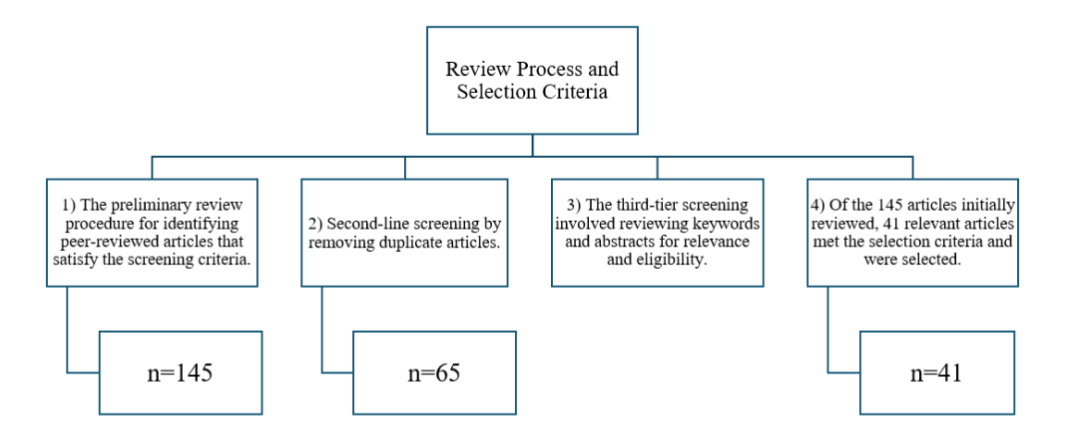
For this qualitative research methodology, the authors thoroughly reviewed peer-reviewed literature and current knowledge. To ensure thorough screening, even though this is not a systematic review, the authors chose the Preferred Reporting Items for Systematic Reviews and Meta-Analyses (PRISMA) screening format to ensure a) transparency of the search strategy for replication and validity, b) a holistic approach to inclusion criteria and essential details for the literature search, and c) simplifying the compatibility of screened literature and data.
3.1. THE METHODOLOGICAL INSTRUMENT
The initial screening involved PubMed and Scopus, following the PRISMA framework, using keywords such as neurogenesis, adult neuroplasticity, mindfulness, Cognitive Behavioral Therapy (CBT), and Awareness Integration Theory. References were also reviewed to find additional relevant studies. The last search was on March 17, 2026, with no restrictions on article type or publication date. This search yielded 65 articles on the topic, which were then screened based on inclusion and exclusion criteria. Ultimately, 41 articles were selected as aligned with the research objectives and purpose of investigating the impact of addiction on the brain’s neuroplasticity.
Articles were selected for inclusion based on specific keywords grouped into two main categories: (1) studies examining addiction and neuroplasticity, focusing on structural and functional brain plasticity; (2) articles highlighting multifactorial and extraneous variables, such as primary and secondary harms of addictive substances on brain plasticity. Articles primarily addressing addiction treatment or the negative effects of addiction on various aspects of addictive behavior were excluded. Likewise, studies focusing on other brain regions affected by drugs were omitted, as the review concentrated exclusively on neuroplasticity and addiction. The authors screened for duplicates to avoid double-counting, reviewed abstracts for eligibility, and excluded case reports, non-English publications, and studies involving neurological patients.
3.2. THE QUALITY OF METHODOLOGICAL DESIGN
The screening of journal articles did not include validation based on methodology or scientific rigor, as the standard criteria for selecting articles were that they be peer-reviewed and published in high-impact scientific journals. Moreover, articles varied in experimental and correlational designs, sample sizes, the validity of neuroplasticity measures and biomarkers, and the clarity of intervention reporting; these factors were considered when interpreting and weighting the evidence in the synthesis. Emphasis was on controlled experimental studies, clinical trials, neuroimaging or transcriptomic investigations, and systematic reviews that aided understanding of context and methodology.
3.3. ETHICAL CONSIDERATIONS
The authors did not seek approval from an Institutional Review Board (IRB) or an Ethics Committee, as the research, in its entirety, did not involve the collection of new data or direct engagement with human or animal subjects. All referenced sources are publicly available or obtainable through institutional academic subscriptions or open access.
4. Results
Numerous studies have shown that mindfulness encourages the brain to form new neural connections, essentially creating new pathways for thoughts and reactions. Consistent practice can help weaken old, habitual pathways, especially those tied to stress, and induce functional plasticity; however, data on structural neuroplasticity with anxiety-reducing psychopharmacological agents are limited at best.
4.1 EYE MOVEMENT DESENSITIZATION AND REPROCESSING INTERVENTIONS AND NEUROPLASTICITY EFFICACY
Recent studies show that memory-based therapies such as Eye Movement Desensitization and Reprocessing (EMDR) influence frontolimbic networks by reducing the emotional intensity of maladaptive memories, supporting memory reconsolidation, and reorganizing neural circuits involved in emotion regulation, attention, and threat response. Within the structure of Awareness Integration Theory (AIT), EMDR may be utilized as a targeted intervention during the deeper memory-processing phases of treatment, particularly when emotionally charged memories, limiting beliefs, or unresolved traumatic imprints are identified as contributing to present-day symptoms and behavioral patterns.
The overarching AIT therapeutic framework guides individuals through a structured process of awareness, exploration, emotional processing, integration, and intentional action. Within this framework, EMDR can be incorporated to support the reprocessing of distressing memories. At the same time, the client remains connected to present-moment awareness, bodily sensations, emotions, cognitions, and emerging adaptive meanings. Through bilateral stimulation and dual-attention processing, EMDR helps reduce physiological activation and emotional reactivity associated with past experiences. At the same time, AIT organizes the therapeutic work by linking these memories to current beliefs, relational patterns, self-perception, behaviors, and life choices. In this integrated application, EMDR is not used as a separate or isolated modality, but as a clinical tool embedded within the AIT process to deepen memory reconsolidation and accelerate emotional integration. AIT expands the work beyond desensitization by helping individuals identify how unresolved experiences have shaped their thoughts, emotions, body responses, behaviors, and identity. As the memory material is reprocessed, AIT supports the client in integrating new awareness, strengthening adaptive beliefs, and translating insight into intentional behavioral change. By enhancing attention, emotional regulation, somatic awareness, and meaning-making, the AIT framework underscores the significance of awareness and integration in promoting self-directed neuroplasticity. When EMDR is used within AIT’s structured phases, it contributes to transforming maladaptively stored memories into integrated self-understanding, allowing individuals to create new neural, emotional, and behavioral patterns that support resilience, fulfillment, and intentional living.
4.2. NEUROPLASTICITY, MINDFULNESS, AND ADDICTION RECOVERY
The dentate gyrus is one of the few regions in the adult brain where new neurons are continuously generated through adult neurogenesis, a process thought to contribute to learning, memory, mood regulation, and the control of emotional behaviors. Mindfulness enhances neuroplasticity in the hippocampus’s dentate gyrus, a region crucial for memory and emotion regulation, primarily through stress reduction. Practices such as mindfulness also boost mental well-being by increasing cortical thickness, reducing amygdala reactivity, and improving brain connectivity and neurotransmitter levels, thereby enhancing emotional regulation, cognition, and stress resilience, and inducing neuroplasticity, as shown in research on neurobiological changes related to mindfulness and meditation. In particular, Mindfulness-Based Stress Reduction (MBSR) has been shown to improve emotional processing and sensory perception while reducing anxiety and depressive symptoms.
Within the structure of Awareness Integration Theory (AIT), mindfulness is used as an intentional awareness-building process rather than a stand-alone intervention. AIT organizes mindfulness practices within a broader therapeutic framework that guides individuals to observe their thoughts, emotions, bodily sensations, cravings, impulses, and behavioral patterns with clarity and present-moment awareness. This mindful observation allows clients to identify how automatic reactions, addictive patterns, and emotional triggers are connected to unresolved experiences, limiting beliefs, and dysregulated nervous-system responses. In this way, mindfulness within AIT becomes the entry point for deeper emotional processing, cognitive reframing, somatic recognition, and behavioral integration. The correlational cascade of evidence supports psychological models, such as AIT, as potentially instrumental in enhancing neuroplasticity in the adult brain by integrating awareness, emotional regulation, cognitive restructuring, and intentional behavioral change. Earlier research has also investigated the practical application of AIT, including its immediate effects on the autonomic nervous system (ANS). These findings suggest that AIT may offer a promising pathway for helping individuals with depression, anxiety, and addiction-related emotional dysregulation respond positively to mindfulness-based awareness practices and cognitive-behavioral reframing. By integrating mindfulness within its structured methodology, AIT supports the reduction of negative thought patterns and the emotional charge of amygdala-driven neural activity, helping individuals move from automatic reactivity toward self-directed regulation, resilience, and recovery.
4.3. AWARENESS INTEGRATION THEORY (AIT) IN ADDICTION TREATMENT VIA NEUROPLASTICITY
Research indicates that AIT exerts an immediate effect on the autonomic nervous system (ANS), aiding in the reduction of sympathetic overactivity, which is frequently associated with craving, withdrawal symptoms, and relapse risk. The ANS comprises neural pathways that regulate various internal organ functions through diverse chemicals and signals, maintaining the stability of the body’s internal environment. It is subdivided into the sympathetic and parasympathetic systems. Like many other areas of the nervous system, the autonomic nervous system forms through the migration of neural crest cells. Migration occurs primarily in dorsolateral and ventromedial directions. The ventromedial migration gives rise to the cells that will become the ANS. Growth factors orchestrate axon migration and growth, stimulating neurotransmitter release, which in turn triggers further growth factor release.
Awareness Integration Therapy targets core beliefs, emotions, and bodily sensations to access formative memories and support the integration of neural networks. It emphasizes awareness and integration as pathways for promoting self-directed neuroplasticity by helping individuals become conscious of their thoughts, emotions, behaviors, obstacles, and resistance to change. Through guided examination and integration of these psychological and somatic patterns, AIT supports greater clarity, emotional regulation, and neuroplastic adaptation, which may contribute to decreased amygdala reactivity and improved hippocampal functioning. Awareness Integration Theory (AIT) offers a structured, integrative framework uniquely suited to addiction recovery by addressing the psychological and neurobiological roots of compulsive behavior. AIT systematically guides individuals to observe and integrate thoughts, emotions, bodily sensations, core beliefs, and behavioral patterns, the fragmented domains often disrupted in addiction. In addition, AIT supports recovery by helping individuals live intentionally in line with their values, strengthen workable beliefs, and translate insights into consistent action through structured goal-setting, accountability systems, and value-aligned behavioral commitments. In this way, AIT moves beyond symptom reduction by supporting a recovery path grounded in self-awareness, emotional integration, intentional living, and sustained personal responsibility. By integrating mindfulness practices with cognitive restructuring and embodied emotional processing, AIT may facilitate reduced amygdala reactivity while supporting hippocampal and cortical reintegration of formerly unprocessed or trauma-related memories, which are often associated with emotional dysregulation and substance-use vulnerability. Through repeated AIT-based interventions, individuals learn to interrupt habitual reward-seeking loops, reframe maladaptive beliefs, and develop self-directed neuroplasticity. This process strengthens self-efficacy, emotional regulation, and intentional action, which are critical protective factors in addiction recovery.
5. Conclusion
Addiction is a reversible condition at the level of brain function when interventions intentionally harness the brain’s inherent plasticity. While adult neurogenesis in humans may be limited, functional neuroplasticity remains robust and clinically actionable. The evidence reviewed supports the conclusion that targeted psychological interventions, particularly those integrating mindfulness, cognitive restructuring, emotional processing, and somatic awareness, can meaningfully repair addiction-related neural dysregulation. Awareness Integration Theory provides a coherent, evidence-informed framework for facilitating self-directed neuroplasticity in addiction recovery. By reducing limbic reactivity, restoring hippocampal integration, and strengthening executive control, AIT supports sustainable recovery outcomes, including reduced relapse risk, improved self-regulation, and enhanced psychological well-being. Overall, AIT provides a comprehensive method for fostering positive changes in the brain and personal growth. Through practices that boost awareness, self-compassion, and intentional actions, individuals can influence neuroplasticity to enhance their well-being. Neurotechnology tools such as qEEG and fNIRS monitor neurobiological shifts during AIT. Participants often report life-changing experiences in cognitive, emotional, behavioral, and physical domains, along with improved relationships and intrapersonal satisfaction, fueled by an increased sense of self-determination. Future studies employing neuroimaging and biomarkers are vital to validate and refine neuroplasticity-based addiction therapies. Although medication assists with immediate stabilization, its contribution to long-term brain development is limited.
In contrast, psychotherapeutic approaches integrating mindfulness, cognitive-behavioral principles, and somatic awareness, such as AIT, show promise in restoring neural connectivity and emotional regulation while reducing the risk of dependence. AIT’s capacity to reduce amygdala reactivity, restructure reward-driven schemas, and foster intentional behavior positions it as a powerful adjunct or alternative within comprehensive addiction treatment models. In addiction recovery, these neuroplastic effects result in improved distress tolerance, reduced craving intensity, and enhanced capacity for reflective decision-making rather than compulsive actions. In contrast to pharmacological approaches that predominantly aim to suppress symptoms, mindfulness-based neuroplastic strategies promote enduring structural and functional modifications within the brain, thereby supporting sustained long-term recovery. This comprehensive review shows that recovery in the SUD-affected brain requires an active, dynamic process of neurobiological reorganization that can be facilitated by targeted, evidence-based interventions such as AIT. To better understand the process of neural plasticity, it is vital to clarify the connections among molecular, synaptic, and network mechanisms, thereby facilitating the development of more effective, precise, and sustainable therapies for substance use disorders.
Declaration of Conflict of Interest:
The author(s) declared no potential conflicts of interest with respect to the research, authorship, and/or publication of this article. Foojan Zeine is the originator of the Awareness Integration Therapy.
Funding:
The author(s) received no financial support for the research, authorship, and/or publication of this article.
ORCID:
Foojan Zeine 0009-0006-7709-5580
Nicole Jafari 0000-0001-7762-9673
References:
- Falade J, Ajiboye O, Olaogun D, Anadu V, Momodu I, Ola O. Neuroanatomical basis of addiction: a narrative review. East Afr J Neurol Sci. 2025;4:63-79. doi:10.4314/eajns.v4i1.8
- Raj K, Verdejo-García A. From impulses to compulsions. In: Cognition and Addiction: A Researcher’s Guide From Mechanisms Towards Interventions. Academic Press; 2020:9-15. doi:10.1016/B978-0-12-815298-0.00002-2
- Sugden S, Merlo G, Manger S. Strengthening neuroplasticity in substance use recovery through lifestyle intervention. Am J Lifestyle Med. 2024; 18(6). doi:10.1177/15598276241242016
- Volkow ND, Michaelides M, Baler R. The neuroscience of drug reward and addiction. Physiol Rev. 2019;99(4):2115-2140. doi:10.1152/physrev.00014.2018
- Semaan A, Khan MK. Neurobiology of addiction. In: StatPearls. StatPearls Publishing; updated November 2, 2023.
- He L, Liao Y, Wu Q, Liu T. Association between brain-derived neurotrophic factor Val66Met polymorphism and methamphetamine use disorder: a meta-analysis. Front Psychiatry. 2020;11:585852. doi:10.3389/fpsyt.2020.585852
- Wani SN, Grewal AK, Khan H, Singh TG. Elucidating the molecular symphony: unweaving the transcriptional and epigenetic pathways underlying neuroplasticity in opioid dependence and withdrawal. Psychopharmacology. 2024;241:1955-1981. doi:10.1007/s00213-024-06684-9
- Zhang R, Dang W, Zhang J, et al. Methylation quantitative locus rs3758653 in the DRD4 gene is associated with duration from first heroin exposure to addiction. Brain Res. 2022;1775:147746. doi:10.1016/j.brainres.2021.147746
- Lu J, Tjia M, Mullen B, Cao B, Lukasiewicz K, Shah-Morales S, et al. An analog of psychedelics restores functional neural circuits disrupted by unpredictable stress. Mol Psychiatry. 2021;26:6237-6252. doi:10.1038/s41380-021-01159-1
- Moliner R, Girych M, Brunello CA, et al. Psychedelics promote plasticity by directly binding to the BDNF receptor TrkB. Nat Neurosci. 2023; 26:1032-1041. doi:10.1038/s41593-023-01316-5
- Le TM, Potvin S, Zhornitsky S, Li CSR. Distinct patterns of prefrontal cortical disengagement during inhibitory control in addiction: a meta-analysis based on population characteristics. Neurosci Biobehav Rev. 2021;127:255-269. doi:10.1016/j.neubiorev.2021.04.028
- Cole RD, Zimmerman M, Matchanova A, Kutlu MG, Gould TJ, Parikh V. Cognitive rigidity and BDNF-mediated frontostriatal glutamate neuroadaptations during spontaneous nicotine withdrawal. Neuropsychopharmacology. 2020;45:866-876. doi:10.1038/s41386-019-0574-6
- Koob G, Le Moal M. Drug addiction, dysregulation of reward, and allostasis. Neuropsychopharmacology. 2001;24:97-129. doi:10.1016/S0893-133X(00)00195-0
- McHugh R, McBride O. Self-medicating low mood with alcohol use: examining the role of frequency of alcohol use, quantity consumed, and context of drinking. Addict Behav. 2020;111:106557.
- Dokter M, von Bohlen und Halbach O. Neurogenesis within the adult hippocampus under physiological conditions and in depression. Neural Regen Res. 2012;7(7):552-559. doi:10.3969/j.issn.1673-5374.2012.07.013
- Weerasinghe-Mudiyanselage PDE, Ang MJ, Kang S, Kim JS, Moon C. Structural plasticity of the hippocampus in neurodegenerative diseases. Int J Mol Sci. 2022;23(6):3349. doi:10.3390/ijms23063349
- Albert PR. Adult neuroplasticity: a new cure for major depression? J Psychiatry Neurosci. 2019;44(3):147-150. doi:10.1503/jpn.190072
- Boldrini M, Fulmore CA, Tartt AN, et al. Human hippocampal neurogenesis persists throughout aging. Cell Stem Cell. 2018;22(4):589-599.e5. doi:10.1016/j.stem.2018.03.015
- Amaral DG, Scharfman HE, Lavenex P. The dentate gyrus: fundamental neuroanatomical organization. Prog Brain Res. 2007;163:3-22. doi:10.1016/S0079-6123(07)63001-5
- Altman J. Autoradiographic investigation of cell proliferation in the brains of rats and cats. Anat Rec. 1963;145(4):573-591.
- Eriksson PS, Perfilieva E, Björk-Eriksson T, et al. Neurogenesis in the adult human hippocampus. Nat Med. 1998;4(11):1313-1317. doi:10.1038/3305
- Anderson P, Morris R, Amaral D, Bliss T, O’Keefe J, eds. The Hippocampus Book. Oxford University Press; 2007.
- Cassimjee N, Fouche JP, Burnett M, Lochner C, Warwick J, Dupont P, et al. Changes in regional brain volumes in social anxiety disorder following 12 weeks of treatment with escitalopram. Metab Brain Dis. 2010;25:369-374.
- Landin-Romero R, Moreno-Alcazar A, Pagani M, Amann BL. How does eye movement desensitization and reprocessing therapy work? A systematic review on suggested mechanisms of action. Front Psychol. 2018;9:1395. doi:10.3389/fpsyg.2018.01395
- Zeine F, Jafari N, Nami M, Blum K. Awareness integration theory: a psychological and genetic path to self-directed neuroplasticity. Health Sci Rev. 2024;11:100169. doi:10.1016/j.hsr.2024.100169
- de Voogd LD, Kanen JW, Neville DA, Roelofs K, Fernández G, Hermans EJ. Eye-movement intervention enhances extinction via amygdala deactivation. J Neurosci. 2018;38(40):8694-8706. doi:10.1523/JNEUROSCI.0703-18.2018
- Zeine F. Awareness Integration Therapy: Clear the Past, Create a New Future, and Live a Fulfilled Life Now. Cambridge Scholars Publishing; 2021.
- Zeine F, Qatanany B, Sahinoglu S, Nami M. Multimodal neurofunctional assessment of a single-session Awareness Integration Therapy outcomes: a case study. Appl Psychophysiol Biofeedback. Published online 2026. doi:10.1007/s10484-026-09775-9.
- Lomas C. Neurobiology, psychotherapeutic interventions, and emerging therapies in addiction: a systematic review. J Addict Dis. Published online 2024. doi:10.1080/10550887.2024.2440184
- Martínez-Fernández DE, Fernández-Quezada D, Garzón-Partida AP, Aguilar-García IG, García-Estrada J, Luquín S. The effect of eye movement desensitization and reprocessing therapy on reducing craving in populations with substance use disorder: a meta-analysis. Brain Sci. 2024;14:1110. doi:10.3390/brainsci1411111
- Gage FH. Adult neurogenesis in the human dentate gyrus. Hippocampus. 2025;35(1):e23655. doi:10.1002/hipo.23655
- Kitchigina VF, Shubina LV, Popova IY. The role of the dentate gyrus in mediating hippocampal functions: the healthy brain. Neurosci Behav Physiol. 2022;52:1401-1417. doi:10.1007/s11055-023-01372-1
- Albadawi EA. Structural and functional changes in the hippocampus induced by environmental exposures. Neurosciences Journal. 2025;30(1):5-19. doi:10.17712/nsj.2025.1.20240052
- Calderone A, Latella D, Impellizzeri F, et al. Neurobiological changes induced by mindfulness and meditation: a systematic review. Biomedicines. 2024;12(11):2613. doi:10.3390/biomedicines12112613
- Zeine F, Jafari N. Awareness Integration Theory: a comprehensive telehealth and virtual psychotherapy tool for the treatment of anxiety and depression. Annu Rev Cyberther Telemed. 2023;239.
- McCorry LK. Physiology of the autonomic nervous system. Am J Pharm Educ. 2007;71(4):78.
- Gisquet-Verrier P, Le Dorze C. Post-traumatic stress disorder and substance use disorder as two pathologies affecting memory reactivation: implications for new therapeutic approaches. Front Behav Neurosci. 2019;13:26. doi:10.3389/fnbeh.2019.00026
- Garland EL, Howard MO. Mindfulness-based treatment of addiction: current state of the field and envisioning the next wave of research. Addict Sci Clin Pract. 2018;13(1):14. doi:10.1186/s13722-018-0115-3
- McHugh RK, Hearon BA, Otto MW. Cognitive behavioral therapy for substance use disorders. Psychiatr Clin North Am. 2010;33(3):511-525. doi:10.1016/j.psc.2010.04.012
- Kadden RM, Litt MD. The role of self-efficacy in the treatment of substance use disorders. Addict Behav. 2011;36(12):1120-1126. doi:10.1016/j.addbeh.2011.07.032
- Stellern J, Xiao KB, Grennell E, Sanches M, Gowin JL, Sloan ME. Emotion regulation in substance use disorders: a systematic review and meta-analysis. Addiction. 2023;118(1):30-47. doi:10.1111/add.16001