





Outpatient Monitoring in High-Risk Pregnancies
Outpatient Monitoring of High Risks Pregnancies: An Update of Management in a Tertiary Obstetric Center and Review of the Literature
Joanna I Choi-Kier1, Stephanie M Masters1, Daniel S Lewis1, Hari Eswaran2, Nirvana Manning2, Evert F Magann1,2*
- Departments of Obstetrics and Gynecology, Virginia Tech Carilion School of Medicine, Roanoke, Virginia
- Departments of Obstetrics and Gynecology, University of Arkansas for Medical Sciences, Little Rock, Arkansas
OPEN ACCESS
PUBLISHED: 30 November 2024
CITATION: CHOI-KLIER, Joanna I et al. Outpatient Monitoring of High Risks Pregnancies: An Update of Management in a Tertiary Obstetric Center and Review of the Literature. Medical Research Archives, [S.l.], v. 12, n. 12, dec. 2024. Available at: <https://esmed.org/MRA/mra/article/view/6086>.
COPYRIGHT: © 2025 European Society of Medicine. This is an open-access article distributed under the terms of the Creative Commons Attribution License, which permits unrestricted use, distribution, and reproduction in any medium, provided the original author and source are credited.
DOI: https://doi.org/10.18103/mra.v12i12.6086
ISSN 2375-1924
ABSTRACT
Importance: Hospital closures and the increasing lack of maternity care providers in rural hospitals is problematic and concerning. The distances that must be traveled by patients for obstetric care also is increasing.
Objective: The aim of this study was to update management of high-risk pregnancies in a tertiary obstetric center.
Design: A review of the literature was conducted to identify outpatient management strategies for high-risk pregnancies.
Setting: Tertiary obstetric center.
Participants: High-risk pregnancies.
Results: The review identified several outpatient management strategies for high-risk pregnancies. The use of remote patient monitoring and the establishment of community-based maternal health networks were highlighted as effective strategies.
Conclusions and Relevance: Outpatient management of high-risk pregnancies can improve maternal and fetal outcomes and reduce the need for hospital admissions.
Keywords
High-risk pregnancies, outpatient management, maternal health, remote patient monitoring, community-based care
Introduction
The management of pregnancies at risk for adverse pregnancy outcomes referred to tertiary obstetric centers from rural hospitals is problematic and increasing. The distances that must be traveled by patients for obstetric care also is increasing. A recent report from Becker Hospital Review revealed that 703 United States hospitals are at risk for closure. In our state, 25 hospitals are at risk of closure in the next 6–7 years and 13 are at immediate risk of closure in the next 2–3 years.
These closures will result in greater distances traveled for obstetric care and delivery. A recent report from the March of Dimes titled “Do you live in a maternity care desert?” emphasizes the increasing lack of maternity care in parts of the US with over 35% of counties not having birth hospitals, birth centers offering obstetric care, or obstetric providers.
High risk pregnancies referred for obstetric management and/or delivery, if not delivered soon after arrival but the reason for referral persists, may need to be monitored and managed at a tertiary center. Likewise, even low-risk patients who travel long distances for obstetric care may have obstetrical complications occurring during the pregnancy that necessitate the patients be managed either in the hospital or as an outpatient near the hospital rather than traveling back and forth over long distances to their homes.
A study found that overall, 8.7% of women were hospitalized during their pregnancy. Of these, 5.7% were hospitalized and discharged while pregnant, 0.8% experienced extended stays before a live birth. Women in both groups, if they can be managed as outpatients near the referral hospital, can then be managed safely and cost effectively within a structured antenatal management program.
Antenatal day care units were introduced in the 1980s as an alternative to inpatient care for women with pregnancy complications such as mild and moderate hypertension and preterm prelabor rupture of membranes. These units offer comprehensive care with medical support staff on site and women undergo the same testing as they would as an inpatient with the thought to reduce overnight hospital stays and costs.
A Cochrane review comparing these units and hospital admission for women with pregnancy complications showed a reduction in length of antenatal hospital stays for women in the day care units with similar maternity and perinatal outcomes and overall satisfaction in quality of care; however, women preferred antepartum units to hospital admissions. Similarly, the Maternal Fetal Medicine service at Albany Medical Center Hospital lodged 41 selected antepartum patients at Ronald McDonald House (RMH) to avoid costs of hospitalization and provide a more home-like environment as an alternative to inpatient care and found no adverse perinatal outcomes and was a cost-effective alternative.
The purpose of the review is to update our program for the outpatient monitoring of high-risk pregnancies in the state’s only tertiary obstetric center. This study will also do a comprehensive review on the management of high-risk pregnancies on an outpatient basis versus in-patient monitoring of at-risk pregnancies.
Materials and Methods
A literature search was undertaken by our university librarian using the search engines Medline, OVID, and EMBASE. Search terms used included “Antenatal management (Mother’s house and Ronald McDonald house)” OR “Antenatal care” OR “Obstetric” OR “Day care” OR “Antenatal hospitalization” OR “Residence” OR “Residential facilities” AND “Pregnancy, High Risk” OR “Eclampsia” OR “Labor, premature” OR “Childbirth” OR “Management of labor” OR “Pregnancy complications” OR “Fetal abnormalities” OR “Congenital, hereditary, and Neonatal Diseases and Abnormalities” OR “Polyhydramnios” OR “Oligohydramnios” OR “Abruptio Placenta.”
The years searched were 1990 – 9/2024. The only limitation was that the articles had to be in English. There were 282 articles identified.
The authors (JCK, EFM) reviewed the abstracts for relevance to monitoring high-risk patients on an outpatient basis or in the hospital. Full articles of the identified relevant abstracts were read. Inclusion criteria for this review included articles that discussed high-risk pregnancies and compared outpatient versus inpatient management. The references of the selected articles were reviewed for additional applicable articles. There were 28 articles selected as the basis for this review. (Figure 1)
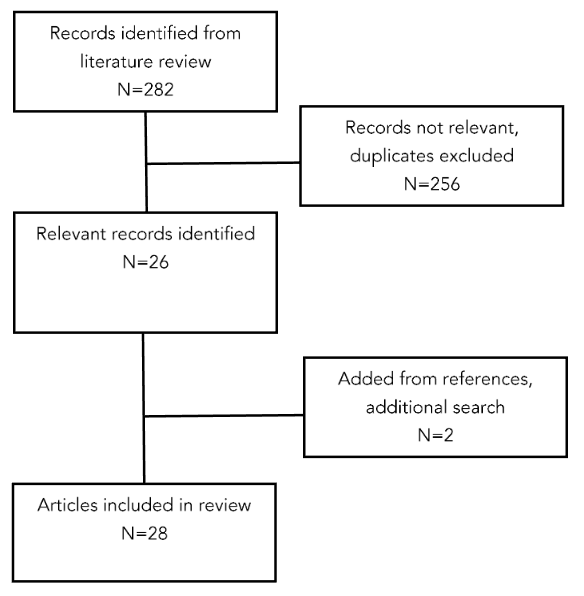 Figure 1: Records identified from literature review.
The Continuing Antenatal Management Program (CAMP)
We first reported on the first four years of our program, September 2007 through December 2012, in 2015. This program continues and has evolved since our publication in December of 2015, and we now report that progression.
Basic Services Provided at CAMP (Continuing Antenatal Management Program)
Several hotels have been used for our CAMP services. These hotels agree to provide 24-hour transportation to the University Hospital and to weekly or bi-weekly visits to our maternal-fetal medicine (MFM) clinics. All patients receive their care through our MFM clinic while a patient is at CAMP.All the hotels we have used are within 3 km of the University hospital and clinics. There is daily contact with one of our outreach nurses to monitor the patient’s progress and for any concerns of the patient. The patients are also given a nurse contact number that they can call 24 hours a day.In the beginning, patients could only have one adult stay with her in CAMP. This has now been modified to allow the patient’s children to visit, but there must always be another adult to care for the children if the patient must urgently go to the hospital.
Admitting Diagnosis
The admitting diagnoses in the original study were preterm labor, fetal anomalies, maternal cardiac disease, autoimmune disorders, genetic conditions, preterm premature rupture of the membranes, fetal growth restriction, monochorionic monoamniotic twin pregnancy, and oligohydramnios.
Since the original study, additional admitting diagnoses include twin and triplet pregnancies, gestational hypertension with superimposed preeclampsia, rule out preeclampsia, and placental abnormalities. The number of women who are admitted with pregnancies that have fetal anomalies has increased considerably.The State’s children’s hospital is not located on the same campus as the University Hospital but is only a few miles away, and both hospitals are linked by a specialized neonatal transportation system. The children’s hospital does not do deliveries, and those pregnancies with anomalies or those who will need immediate care in a specialized children’s hospital are delivered at the University hospital and subsequently transferred to the children’s hospital.
Many of these pregnancies with anomalies may need immediate surgery or specialized care after delivery that cannot be offered at smaller hospitals. To ensure that these deliveries occur in the University hospital when the patient may live many hours away, these patients are housed in CAMP during their final days or weeks of their pregnancies.
Costs
The average daily cost at CAMP from 2007 through December of 2012 was $92 per day (cost of the hotel and 3 meals), which has changed minimally since 2012. The cost in September 2024 was a hotel cost of $71 per day, and the cost of meals was $25 per day.
If the patient is diabetic, the cost increases to $30 per day. There is also a delivery fee of $25 per day no matter how many meals are delivered. All costs for CAMP are paid by the University, and there are no costs to the patient for meals and lodging.The in-hospital cost in our original study averaged $1,782 per day. The current cost estimates for inpatient hospital care at our hospital range from $3,537.33 to $5,157.72 per day.If we calculate the cost of CAMP versus inpatient management, the differences are substantial. Since December of 2012, there were 1,023 women housed in CAMP for an average of 34.5 days (about 1 month and 8 days).The comparison of cost between CAMP (housing and meals) for 35,293.5 days is $3,529,300, including the $5 diabetes surcharge but excluding the $25 meal delivery charge.
A calculation of 35,293 hospital patient days using the lowest hospital cost would be $124,831,341, a difference in savings of over $121,000,000.
Maternal Fetal Outcomes
In the initial CAMP assessment of 426 pregnant women housed in CAMP, there were no adverse maternal or perinatal outcomes, no intrauterine fetal demises, and no events requiring emergency transport back to the hospital.
In our follow-up evaluation of an additional 1,023 pregnant women, we again found no adverse maternal or perinatal outcomes, no intrauterine fetal demises, and no emergency transport events.
Benefits to the Patient
For patients whose pregnancy is complicated by diabetes and/or hypertension, they receive additional training and information about their disease process as they are counseled daily.
This reinforces positive steps toward better control and reduces stress compared to hospitalization. Patients also have easy and quick access to transportation to and from the hospital and clinic appointments, which decreases overall travel time and expenses for food and lodging.
Drawbacks to Patient and Family
The primary drawback occurs if the patient has other children who cannot stay with their mother. Other children may visit, but there must always be another adult present who can take care of the children if the patient must urgently go to the hospital.
The children must stay home if the mother has to go to the hospital at a moment’s notice. Additionally, the mother is not there for household management and/or help with her children’s activities, cannot work (unless she can work remotely), and is not near her family and support groups, which could cause sleep issues or stress.
What is new in CAMP? (Continuing Antenatal Management Program)
Remote Patient Monitoring (RPM) is well-suited for a CAMP-based program. With several devices available, including remote blood pressure, glucose, and NST (non-stress test) monitoring, it is possible to provide continuous monitoring and care in a location outside of the hospital setting.
The data from most of the RPM devices are aggregated in a single portal and are accessible in the electronic health record (EPIC in our case). This provides seamless monitoring of the patient by the clinical staff or the call center, where alarms and alerts are received if there are any adverse conditions.
We believe this model, backed up by our 24/7 nurse call center, would help improve patient safety and satisfaction. We have implemented a small pilot in CAMP and are working on optimizing this approach.
Patient Satisfaction Survey Data
In our last survey of satisfaction with CAMP in July 2023, all 109 surveys gave the program a 100% satisfaction score.
Table 1: CAMP Services (Continuing Antenatal Management Program)
| Category | Description |
|---|---|
| Basic Services | Hotel room, 24-hour transportation, meals, daily nurse contact, 24-hour nurse call center |
| Admitting Diagnosis | Preterm labor, fetal anomalies, maternal cardiac disease, PPROM, fetal growth restriction, twins, triplets, GHTN, rule out preeclampsia, placental abnormalities (placenta previa, placenta accreta, vasa previa) |
| Costs | Outpatient – $100/day, Inpatient – $3,537/day |
| Outcomes | No adverse maternal or perinatal outcomes |
| Satisfaction | 100% satisfied |
PPROM = preterm premature rupture of membranes
GHTN = gestational hypertension
Discussion
High-risk antepartum care is critical yet costly. Antenatal day care units are an alternative to inpatient management without compromising maternal or fetal well-being. Some facilities have adopted this concept to reduce overall health care costs but it should be considered at other tertiary care systems as well. Implementation of this concept can help contribute toward solving the maternity care desert issue.
These antenatal day care facilities are not limited to the United States. Countries that have a high maternal mortality rate have implemented this concept through maternity waiting homes as a strategy to decrease maternal mortality.Important causes of perinatal deaths in developing countries include obstructed labor, prematurity, and antepartum hemorrhage. Additionally, many barriers exist in countries such as Cuba, Haiti, Zambia, and Zimbabwe in accessing care.The World Health Organization (WHO) considers Maternity Waiting Homes (MWH) an essential element of maternity care. These homes have been suggested in rural areas where women live far from health facilities and transportation is poor or impossible when complications occur. The implementation of a maternity waiting home in Zambia showed that in higher-risk pregnancies, the outcomes were not worse compared to the non-waiter group, and perinatal mortality was similar.Both groups. A study based in Milot, Haiti has shown that the discrepancy between prenatal care use (94%) and hospital delivery (54%) is driven by financial concerns and inability to get to the hospital in a timely manner.Women in Haiti were supportive of maternity waiting home use for future high-risk pregnancies. Cuba has instituted 327 community-based maternity home networks in collaboration with UNICEF. These programs are home-like environments where selected high-risk women are admitted to these units, where a multidisciplinary team exists to provide comprehensive health care.These programs facilitate access to care and have been found to be cost-effective and, more importantly, contribute to significantly reducing maternal and infant mortality while improving overall outcomes such as the incidence of low-birth-weight newborns.In Zimbabwe, a significant 50% reduction in the risk of perinatal death of women who stayed in maternity waiting homes was seen compared to women who came from home during labor. However, this study showed that for the maternity waiting home to be effective, there must be an effective screening and referral system in place. Additionally, mothers must be willing to deliver in a hospital.
This model of an antenatal day care unit has proven to be a cost-effective method in carefully selected patients. For example, the Mother’s House was implemented by Memorial Health University Medical Center. Over a 3-year period, the estimated total cost for continued inpatient management of all patients who stayed at the Mother’s House was $2.3 million, while the total cost of usage of the Mother’s House was calculated at $176,000, resulting in a total three-year cost savings of $2.1 million.
Placenta Previa and Preterm Labor
Other studies have specifically examined the cost of outpatient treatment for specific conditions such as placenta previa. Droste and his colleagues conducted a retrospective cost-benefit analysis in a community hospital setting that compared outpatient expectant management with primary hospitalization in the management of second- and third-trimester complete placenta previa.
They found that patients in the outpatient treatment group had significantly more separate admissions (p < 0.01), whereas inpatients remained hospitalized longer overall (p < 0.01) with proportionally increased hospital cost.The reduction in overall hospital cost for mother-infant pairs in the outpatient group was statistically significant (p < 0.05). This resulted in an average 39.9% reduction of hospital cost for mother-infant pairs, for a cost savings of over $7,500 per pregnancy.Other studies specifically examining placenta previa, such as the randomized control trial conducted by Wing et al., found that there was no significant difference in the maternal or neonatal outcome of patients who had placenta previa with bleeding between 24- and 36-weeks’ gestation whether treated as inpatients or outpatients.Outpatient management of preterm labor has also been examined. Ambrose and his colleagues compared pregnancy and economic outcomes of inpatient versus outpatient management of women with stabilized preterm labor treated with low-dose continuous subcutaneous terbutaline (SQT).
They found that SQT usage in the home for patients at risk for premature delivery offered an advantage when compared to prolonged hospitalization for tocolytic therapy. They found that SQT usage in the home increased gestational age at delivery and led to fewer low-birth-weight infants, so there were significantly lower costs associated with the care of these women compared to those managed in the hospital.
Hypertensive Disorders of Pregnancy
A Dutch study evaluated hospital care versus telemonitoring in high-risk pregnancies at 6 Dutch perinatal centers, including 2 university hospitals. The aim of this study was to compare, in a multicenter non-inferiority randomized controlled trial, monitoring of high-risk pregnancies in the hospital versus on an outpatient basis.
Outpatient assessments included using a validated automated BP measuring device and a portable cardiotocography (CTG) system.The trial showed that outpatient monitoring might be as safe as a hospital admission.The most recent Cochrane Systematic Review compared antenatal day care units with hospital admissions for women with high blood pressure and those with preterm pre-labor rupture of the membranes. Only three trials with 504 participants were identified that met the review criteria.
The review found that women receiving daycare had to make more visits to the hospital but were less likely to stay in the hospital overnight. Overall, maternal and neonatal outcomes were similar among groups, suggesting no major differences in clinical outcomes between groups. Evidence about cost was mixed. Although hospital stay length was reduced in the daycare group, this did not translate into reduced healthcare costs.
Similar findings have been reported in patients with pregnancy-related hypertensive disorders. Twaddle compared the efficiency of managing hypertension in pregnancy between a daycare model and traditional inpatient management. They found no difference between groups for gestation at delivery, mode of delivery, birthweight, Apgar scores, and admission to the special care baby unit.Giannubilo et al. found that patients with gestational hypertension managed in ambulatory day centers had:
-
higher gestational age at delivery (38 ± 1.7 vs. 35.5 ± 2.3 weeks; p < 0.001),
-
higher birth weight (3251 ± 389 vs. 2271 ± 759.1 g; p < 0.001),
-
longer time to delivery (62.0 ± 4.8 vs. 31.3 ± 5.4 days; p < 0.001), and
-
lower NICU admission (21.3% vs. 0%; p < 0.001)
than patients with the same medical conditions managed inpatient.Outcomes were noted to be similar for patients with mild preeclampsia managed outpatient compared to those managed inpatient for:
-
gestational age at delivery (37 ± 1.2 vs. 34.4 ± 1.7 weeks),
-
birth weight (3168 ± 363 vs. 2196 ± 685.17 g),
-
time to delivery (55.4 ± 6.9 vs. 35.3 ± 4.5 days),
-
and lower NICU admission (15.6% vs. 35.5%).
Cost and Benefit Considerations
Another consideration in assessing the benefit of outpatient centers is cost, in comparison to traditional inpatient management for antenatal care.A study by Barton et al. compared differences in cost for patients with pregnancy-related hypertension managed outpatient versus inpatient. Of those included in the study, 14.3% of patients had progression to severe preeclampsia and 24.8% required eventual antenatal hospital admission.When comparing patients with similar clinical status, inpatient antepartum charges averaged $10,327 vs. $5,439 for patients in the antenatal outpatient program.Similarly, an Australian retrospective analysis was conducted to compare outcomes and cost-effectiveness between patients with hypertension who received surveillance and assessment in a day-stay facility versus those who had inpatient stays.Since the development of the outpatient facility, the Day Care Centre, the authors found a reduction in the number of antenatal ward admissions. They also noted reduced total cost in the outpatient group, with the average cost being $684.85 less than inpatient antenatal admission.A survey reported that the majority of patients in the outpatient group preferred short day care, as it was less disruptive to their personal lives than inpatient stay. This supports the idea that outpatient centers provide not only monetary relief but also reduce disruption of patients’ personal lives.
Diabetes
Hyperglycemia has also been studied in inpatient versus outpatient settings. Cavassini et al. examined the cost-benefit relationship and social profitability ratio of hospitalization compared with outpatient management for pregnant women with pregestational and gestational diabetes or mild hyperglycemia.Treatment success was assessed based on maternal and perinatal parameters:
-
mean glycemia < 120 mg/dl,
-
vaginal delivery,
-
gestational age at birth ≥ 37 weeks,
-
weight adequate for gestational age (AGA),
-
ponderal index < 2.5,
-
infant rooming-in, and no complications.The study reported no maternal or perinatal mortality. The mean maternal glycemia, cesarean delivery rate, and ponderal index in infants born to mothers with diabetes or hyperglycemia were higher among inpatients than among outpatients.The analyses on both the inpatient and outpatient care provided to pregnant women with diabetes or mild hyperglycemia revealed that the benefits in monetary units were greater than the investment costs. The cost-benefit analysis indicated that managing diabetic pregnant women on an outpatient basis was economically more advantageous than hospitalization and should be encouraged.
Hyperemesis Gravidarum
Day management of nausea and vomiting was introduced at a London hospital in 2003. This small prospective study discharged all patients within 24 hours with no readmissions. The satisfaction rate was 88% on a satisfaction survey. The authors suggested that day management was feasible and should be encouraged.A randomized controlled trial compared day care versus inpatient care for treatment of nausea and vomiting of pregnancy. In the day care arm, compared to the inpatient arm:
-
the time of resolution of nausea and vomiting was significantly shorter (p < 0.001),
-
the total number of inpatient admissions was less (p < 0.001), and
-
there was no difference in the women’s satisfaction with their treatment (p = 0.7).
A third trial, a cost-effectiveness study of day care compared with inpatient management of nausea and vomiting in Ireland, determined that day care was 70% more cost-effective than inpatient management.
Psychosocial Impact
Overall, the overwhelming view of day care is positive. A study carried out at Glasgow Royal Maternity Hospital examined women’s perceptions of the care they received for hypertension during pregnancy at a day care unit. The report indicated that none of the women would rather be hospitalized, with the majority (57%) stating that they were prepared to attend day care five times a week to avoid admission.Women expressed reassurance and monitoring as a main benefit of attending day care. Similarly, a study investigating perceptions of bed rest by women with high-risk pregnancies showed that a predominant concern among hospitalized women was separation from home and family, lack of privacy, negative experiences with roommates, emotional distress such as depression and loneliness, and difficulties in partner relationships.Although women at home enjoyed spending more time with their children, they expressed frustration with letting other caregivers take over home responsibilities, role reversals, and the temptation to do more than recommended by their doctor.Although inpatient versus outpatient treatment each has its advantages and disadvantages, bed rest in the hospital appeared to be associated with more sources of stress.
Tumbull et al. StudyTumbull et al. examined the psychosocial outcomes of antenatal day care for three medical complications of pregnancy — non-proteinuric hypertension, proteinuric hypertension, and preterm premature rupture of membranes (PPROM) — where participants were randomly assigned in a 2:1 ratio between day care and antenatal ward.The study found no significant differences in maternal or perinatal outcomes. The cost per episode of care and cost per day were similar across groups, providing evidence that day care was at least as cost-effective and often more so than standard care.Given that outcomes were similar or better in the day-care group, the study concluded that day care can reduce antenatal and overall hospital stay without sacrificing reassurance or increasing stress. -
Table 2: Review of Pregnancy Outcomes Evaluated – Outpatient vs. Inpatient
| Outcomes | Reference number of studies |
|---|---|
| Hypertension | #5, #15, #16, #17, #18, #19, #20 |
| PPROM | #5 |
| Placenta previa | #13 |
| Preterm labor | #14 |
| Diabetes | #21 |
| Hyperemesis gravidarum | #22, #23 |
| Cost | #4, #11, #12, #24 |
| Psychological impact | #17, #25, #26 |
| Satisfaction | #4 |
PPROM = preterm premature rupture of membranes
Conclusion
In summary, day care units provide access to intensive monitoring for high-risk obstetric patients. Multiple studies have shown this concept of antenatal day care units to be a safe and effective alternative.
These units can serve as a safety net facility for community-based services; however, they require senior obstetrical supervision and regular review.
Similarly, maternity waiting homes seen in developing countries are appropriate in certain settings but require a high degree of coordination between peripheral prenatal care services and second- and third-level healthcare facilities.
The impact of this outpatient antenatal care model is reflected in better maternal and neonatal outcomes, lower costs, and overall better patient satisfaction in the current literature when compared to traditional inpatient management.
Conflict of Interest
The authors have no conflicts of interest to declare.
Funding Statement
There was no funding for this work.
Acknowledgements
We would like to thank Donna Eastham, BA, for her help in gathering information, editing, and submission.
We would also like to thank Susan H. “Beth” Fogleman and Wanda L. Standridge for their work in compiling data.
References
1. Gamble, M. (2024, August 5). 703 hospitals at risk of closure, state by state. Becker’s Hospital CFO Report. https://www.beckershospitalreview.com/finance/703-hospitals-at-risk-of-closure-state-by-state.html
2. Stoneburner A, Lucas R, Fontenot J, Brigance C, Jones E, DeMaria AL. Nowhere to Go: Maternity Care Deserts Across the US. (Report No 4). March of Dimes. 2024. https://www.marchofdimes.org/ maternity-care-deserts-report
3. Gazmararian, J. A., Petersen, R., Jamieson, D. J., Schild, L., Adams, M. M., Deshpande, A. D., & Franks, A. L. (2002). Hospitalizations during pregnancy among managed care enrollees. Obstetrics and gynecology, 100(1), 94–100. https://doi.org/10.1016/s0029-7844(02)02024-0
4. Hughes, D. S., Ussery, D. J., Woodruff, D. L., Sandlin, A. T., Kinder, S. R., & Magann, E. F. (2015). The continuing antenatal management program (CAMP): Outpatient monitoring of high-risk pregnancies. Keeps patients safe, costs low and care nearby. Sexual & reproductive healthcare: official journal of the Swedish Association of Midwives, 6(2), 108–109. https://doi.org/10.1016/j.srhc.2015.01.001
5. Dowswell, T., Middleton, P., & Weeks, A. (2009). Antenatal day care units versus hospital admission for women with complicated pregnancy. The Cochrane database of systematic reviews, 2009(4), CD001803. https://doi.org/10.1002/14651858.CD001803.pub2
6. Dexter, S. C., Klein, K. A., Clark, D. A., Ross, S. L., & Veille, J. C. (2004). The Ronald McDonald House as an alternative to antepartum hospitalization. Journal of perinatology : official journal of the California Perinatal Association, 24(10), 623–625. https://doi.org/10.1038/sj.jp.7211166
7. van Lonkhuijzen, L., Stegeman, M., Nyirongo, R., & van Roosmalen, J. (2003). Use of maternity waiting home in rural Zambia. African journal of reproductive health, 7(1), 32–36.
8. Hossain, Semonti K. BS; Porter, Emily L. BA; Redden, Lisa M. BA; Pearlmutter, Mark D. MD. Maternity Waiting Home Use and Maternal Mortality in Milot, Haiti. Obstetrics & Gynecology 123():p 149S, May 2014. | DOI: 10.1097/01.AOG. 0000447136.92802.2a
9. Gorry C. (2011). Cuban maternity homes: a model to address at-risk pregnancy. MEDICC review, 13(3), 12–15. https://doi.org/10.37757/MR2011V13.N3.4
10. Chandramohan, D., Cutts, F., & Millard, P. (1995). The effect of stay in a maternity waiting home on perinatal mortality in rural Zimbabwe. The Journal of tropical medicine and hygiene, 98(4), 261–267.
11. Bivins, H. A., Jr, McCallum, O. J., & Roegge, D. D. (2007). The Mother’s House: a new concept in antepartum care. American journal of obstetrics and gynecology, 197(2), 201.e1–201.e201004. https://doi.org/10.1016/j.ajog.2007.04.045
12. Droste, S., & Keil, K. (1994). Expectant management of placenta previa: cost-benefit analysis of outpatient treatment. American journal of obstetrics and gynecology, 170(5 Pt 1), 1254–1257. https://doi.org/10.1016/s0002-9378(94)70136-9
13. Wing, D. A., Paul, R. H., & Millar, L. K. (1996). Management of the symptomatic placenta previa: a randomized, controlled trial of inpatient versus outpatient expectant management. American journal of obstetrics and gynecology, 175(4 Pt 1), 806–811. https://doi.org/10.1016/s0002-9378(96)80003-2
14. Ambrose, S., Rhea, D. J., Istwan, N. B., Collins, A., & Stanziano, G. (2004). Clinical and economic outcomes of preterm labor management: inpatient vs outpatient. Journal of perinatology : official journal of the California Perinatal Association, 24(8), 515–519. https://doi.org/10.1038/sj.jp.7211139
15. Bekker, M. N., Koster, M. P. H., Keusters, W. R., Ganzevoort, W., de Haan-Jebbink, J. M., Deurloo, K. L., Seeber, L., van der Ham, D. P., Zuithoff, N. P. A., Frederix, G. W. J., van den Heuvel, J. F. M., & Franx, A. (2023). Home telemonitoring versus hospital care in complicated pregnancies in the Netherlands: a randomised, controlled non-inferiority trial (HoTeL). The Lancet. Digital health, 5(3), e116–e124. https://doi.org/10.1016/S2589-7500(22)00231-X
16. Dowswell, T., Middleton, P., & Weeks, A. (2009). Antenatal day care units versus hospital admission for women with complicated pregnancy. The Cochrane database of systematic reviews, 2009(4), CD001803. https://doi.org/10.1002/14651858.CD001803.pub2
17. Twaddle S. (1995). Day care for women with high-risk pregnancies. Nursing times, 91(4), 46–47.
18. Giannubilo, S. R., Bezzeccheri, V., Landi, B., Battistoni, G. I., Stortoni, P., Vitali, P., & Tranquilli, A. L. (2012). PP047. Outpatient management of pregnancy complicated by mild hypertensive disorders. Pregnancy hypertension, 2(3), 267. https://doi.org/10.1016/j.preghy.2012.04.158
19. Barton, J. R., Istwan, N. B., Rhea, D., Collins, A., & Stanziano, G. J. (2006). Cost-savings analysis of an outpatient management program for women with pregnancy-related hypertensive conditions. Disease management: DM, 9(4), 236–241. https://doi.org/10.1089/dis.2006.9.236
20. Dunlop, L., Umstad, M., McGrath, G., Reidy, K., & Brennecke, S. (2003). Cost-effectiveness and patient satisfaction with pregnancy day care for hypertensive disorders of pregnancy. The Australian & New Zealand journal of obstetrics & gynaecology, 43(3), 207–212. https://doi.org/10.1046/j.0004-8666.2003.00061.x
21. Cavassini, A. C., Lima, S. A., Calderon, I. M., & Rudge, M. V. (2012). Cost-benefit of hospitalization compared with outpatient care for pregnant women with pregestational and gestational diabetes or with mild hyperglycemia, in Brazil. Sao Paulo medical journal = Revista paulista de medicina, 130(1), 17–26. https://doi.org/10.1590/s1516-31802012000100004
22. Alalade, A. O., Khan, R., & Dawlatly, B. (2007). Day-case management of hyperemesis gravidarum: Feasibility and clinical efficacy. Journal of obstetrics and gynaecology : the journal of the Institute of Obstetrics and Gynaecology, 27(4), 363–364. https://doi.org/10.1080/01443610701327396
23. McCarthy, F. P., Murphy, A., Khashan, A. S., McElroy, B., Spillane, N., Marchocki, Z., Sarkar, R., & Higgins, J. R. (2014). Day care compared with inpatient management of nausea and vomiting of pregnancy: a randomized controlled trial. Obstetrics and gynecology, 124(4), 743–748. https://doi.org/10.1097/AOG.0000000000000449
24. Murphy, A., McCarthy, F. P., McElroy, B., Khashan, A. S., Spillane, N., Marchocki, Z., Sarkar, R. K., & Higgins, J. R. (2016). Day care versus inpatient management of nausea and vomiting of pregnancy: cost utility analysis of a randomised controlled trial. European journal of obstetrics, gynecology, and reproductive biology, 197, 78–82. https://doi.org/10.1016/j.ejogrb.2015.10.022
25. Heaman, M., & Gupton, A. (1998). Perceptions of bed rest by women with high-risk pregnancies: A comparison between home and hospital. Birth (Berkeley, Calif.), 25(4), 252–258. https://doi.org/10.1046/j.1523-536x.1998.00252.x
26. Turnbull, D. A., Wilkinson, C., Gerard, K., Shanahan, M., Ryan, P., Griffith, E. C., Kruzins, G., & Stamp, G. E. (2004). Clinical, psychosocial, and economic effects of antenatal day care for three medical complications of pregnancy: a randomised controlled trial of 395 women. Lancet (London, England), 363(9415), 1104–1109. https://doi.org/10.1016/S0140-6736(04)15893-5
27. Walker J. J. (1993). Day care obstetrics. British journal of hospital medicine, 50(5), 225–226.
28. Figà-Talamanca I. (1996). Maternal mortality and the problem of accessibility to obstetric care; the strategy of maternity waiting homes. Social science & medicine (1982), 42(10), 1381–1390. https://doi.org/10.1016/0277-9536(95)00286-3