


Psychopathy Subgroups: Restricted vs. Unrestricted Samples
Comparing Psychopathy Subgroups Based on Restricted and Unrestricted Offender Samples
Emily E. Graupman1*, Steven A. Miller1, and David S. Kosson1
- Department of Psychology, Rosalind Franklin University of Medicine and Science, 3333 N Green Bay Road, North Chicago, IL, USA, 60064
OPEN ACCESS
PUBLISHED: 31 October 2025
CITATION:Graupman, EE., Miller, SA., and Kosson DS., 2025. Comparing Psychopathy Subgroups Based on Restricted and Unrestricted Offender Samples. Medical Research Archives, [online] 13(10). https://doi.org/10.18103/mra.v13i10.7012
COPYRIGHT:© 2025 European Society of Medicine. This is an open-access article distributed under the terms of the Creative Commons Attribution License, which permits unrestricted use, distribution, and reproduction in any medium, provided the original author and source are credited.
DOI: https://doi.org/10.18103/mra.v13i10.7012
ISSN 2375-1924
ABSTRACT
Despite general agreement that people with psychopathic traits comprise a heterogeneous group, there is little agreement about the nature of psychopathy subtypes. Moreover, methodological differences across prior studies of this heterogeneity limit the generalizability of past findings. We addressed the impact of using different sampling techniques on the subgroups that emerge by conducting two latent profile analyses of psychopathy facet ratings. Analysis One included all eligible inmates who participated in the study; Analysis Two was restricted to a subset of eligible inmates with PCL-R scores of 27 and higher. Analysis One yielded four profiles, comparable to subtypes identified in prior research with representative offender samples. Analysis Two yielded three profiles closely resembling subtypes identified previously among studies using more restricted samples. In both analyses, specific latent class profiles were differentially associated with psychopathological and criminal outcomes. Comparisons revealed important similarities and differences between the subgroups emerging from the two analyses. First, subgroups consistent with accounts of manipulative and explosive psychopathy appear to provide more precise descriptions of the most prominent subgroups of offenders with psychopathic traits in this forensic sample than some labels used in prior studies. In addition, the explosive psychopathy subgroup may be easier to identify at higher levels of psychopathy than in a fully representative sample of offenders.
Keywords:
psychopathy, latent class analysis, criminal behavior, violence, inmates.
Comparing Psychopathy Subgroups Based on Restricted and Unrestricted Offender Samples
Although psychopathy is one of the most reliable predictors of violent crime and criminal recidivism (Hare, 2003), individuals high in psychopathy are a heterogenous group of individuals who differ not only in their interpersonal and behavioral presentations but also in the mechanisms by which these traits develop (Sass & Felthous, 2014; Wong & Burt, 2007; Yildirim & Derksen, 2015). A better understanding of this heterogeneity would improve our ability to understand the etiological factors underlying the development of psychopathy, predict important criminal justice outcomes, and develop treatments tailored to more homogeneous subsets of individuals. Because prior studies have yielded discrepancies in the nature and number of psychopathy subtypes, the current study was designed to examine one specific methodological difference among prior studies: the impact of using different sampling techniques (for a review, see Mokros et al., 2021).
More concretely, we explored similarities and differences between the psychopathy subgroups identified in person-centered analyses of relatively representative samples of offenders versus analyses of samples restricted to high-psychopathy offenders. We also conducted external validation analyses of the subgroups to better understand the nature of the subgroups identified using both sampling techniques.
Karpman and others (Hervé, 2003; Karpman, 1941, 1948a, 1955; Porter, 1996) have highlighted heterogeneity within the psychopathic personality. They have suggested a distinction between primary and secondary clinical types, each with similar behavior patterns on the surface but unique etiologies (i.e., secondary psychopathy was proposed to be attributable to another form of pathophysiology).
Karpman additionally argued that only primary psychopathy was characterized by an incapacity for love and guilt (Karpman, 1948b; 1955), which led some to propose that primary and secondary subtypes of psychopathy differ not only in their comorbid features but also in their levels of specific components of psychopathy. For example, Mealey (1995) argued that primary psychopathy is characterized by elevated levels of the interpersonal and affective components of psychopathy, whereas secondary psychopathy is not. Based on this proposal, some have further suggested that, compared to primary psychopathy, secondary psychopathy reflects greater levels of the lifestyle and antisocial components of psychopathy and lower levels of the interpersonal and affective components (Levenson et al., 1995).
Karpman (1946, 1955) further suggested primary psychopathy itself can be subdivided into two distinct clinical subtypes: aggressive-predatory and passive-parasitic. Individuals classified as aggressive-predatory psychopaths were suggested to exhibit an active, aggressive pursuit of simple and primitive urges. Those classified as passive-parasitic psychopaths, although self-centered, unappreciative of genuine emotion, and unable to defer pleasure, were not considered actively predatory. Rather, they were described as parasitic and opportunistic in nature, taking advantage of others to meet their needs, and only acting aggressively when hosts were unavailable and only as necessary to satisfy their needs (Karpman, 1946).
There have been several other clinically-based proposals for psychopathy subtypes, and most of these include subgroups that closely resemble those identified by Karpman. Henderson (1942), Schneider (1923/1958), and Arieti (1963) each proposed psychopathy subtypes, some of which appear inconsistent with Karpman’s subgroups and with modern psychopathy subtype proposals. However, each account also included subgroups closely resembling Karpman’s subtypes. For example, Arieti’s simple and complex psychopaths appear similar to Karpman’s aggressive-predatory and passive-parasitic subtypes of primary psychopathy. Similarly, Schneider’s explosive psychopaths and the epileptoid variant within Henderson’s predominantly aggressive psychopaths share features with Karpman’s aggressive-predatory subtype, and Henderson’s predominantly passive/inadequate psychopaths appear largely similar to Karpman’s passive-parasitic subtype (Henderson, 1942; Horley, 2014).
Attempting to integrate the primary psychopathy subtypes proposed by these theorists, Hervé (2007) asserted that most previously proposed subtypes can be understood as reflecting one of three constellations of psychopathic features: classic or prototypical psychopathy, manipulative psychopathy, and explosive or aggressive psychopathy. Although he argued that all three of these subtypes demonstrate elevated levels of all four validated components of psychopathy, Hervé (2007, p. 434) proposed that the primary manifestations of psychopathic traits differ. Classic, or prototypical, psychopathy was characterized by high levels of all four components of psychopathy; manipulative psychopathy, by prominent use of deception and a self-serving interpersonal style; and explosive (or aggressive) psychopathy, by prominent antisocial, aggressive, and impulsive behavior. To our knowledge, there are no proposals regarding potential subtypes of secondary psychopathy. In summary, most contemporary proposals for primary psychopathy subtypes emphasize two or three subtypes consistent with the accounts of Karpman (1941, 1948) or Hervé (2007).
Studies of Psychopathy Subtypes
Person-centered analyses investigate whether there are distinct subgroups of individuals within a sample who perform similarly on available measures. Several different person-centered methods have been used to identify variants of psychopathy (e.g., cluster analyses, model-based cluster analyses). In recent years, latent profile analysis (LPA) has increased in popularity for person-centered research (Magidson & Vermunt, 2002). LPAs are model-based and estimated with maximum-likelihood methods designed to minimize variability within groups while maximizing variability between groups. LPAs, unlike traditional cluster analyses, also provide rigorous statistical diagnostic values which reduce the need for subjectivity in determining the number of distinct profiles.
One important methodological distinction between prior studies lies in the nature of the sampling technique employed. Several studies have sought explicitly to identify subtypes within subsets of offenders characterized by high levels of psychopathic traits. Others have examined heterogeneity among samples of participants who span the full range of scores on measures of psychopathic traits. However, these two approaches have yielded somewhat disparate findings. Based on a review of these findings, we argue for the value of directly examining both approaches within a single population of offenders.
Several differences in the methods used in prior studies may have contributed to the discrepant findings of prior studies. First, different studies have used different measures to operationalize psychopathic traits. Hare’s Psychopathy Checklist-Revised (PCL-R; Hare, 2003), a 20-item checklist designed to assess different dispositions associated with psychopathy, is the most widely utilized clinical measure of psychopathic traits in clinical, forensic, and research settings (Cunha et al., 2020; Hare, 2020). Previous studies have provided evidence for three- (Cooke & Michie, 2001) and four-factor models (Hare, 2003; Hare & Neumann, 2008) underlying the shared variance in PCL-R features. In research on subtypes, the model most commonly employed has been the four-factor model (Neumann et al., 2016) consisting of interpersonal (INT; e.g., superficial charm, grandiosity), affective (AFF; e.g., lack of remorse, shallow affect), lifestyle (LIF; e.g., impulsivity, irresponsibility), and antisocial (ANT; e.g., poor behavioral control, criminal versatility) components.
Reflecting the growing popularity of self-report measures, several prior studies of subtypes have employed self-report measures of psychopathic traits (Boduszek et al., 2017; Hicks et al., 2004). However, the modest correlations between scores on self-report versus clinical indices of the core interpersonal and affective features (e.g., Benning et al., 2005; Copestake et al., 2011) suggest differences in the nomological networks surrounding self-report versus clinical psychopathy on some measures (for a review, see Sellbom et al., 2018; cf. Eisenbarth et al., 2025). Therefore, we review here only studies of offender samples using PCL-R ratings to identify subtypes.
Second, subtyping studies have differed with respect to whether they have included only measures of psychopathic traits (often ratings on the facets of the PCL-R) to explore subgroups or have included additional measures (e.g., negative affectivity, substance use, measures of other forms of psychopathology) in the variate. Studies including measures of other forms of psychopathology in the variate have commonly identified a subgroup resembling secondary psychopathy (Hicks et al., 2004; Skeem et al., 2007; Swogger & Kosson, 2007; Vassileva et al., 2005). In contrast, studies employing only indices of psychopathic traits have often failed to identify such a subgroup (Krstic et al., 2017; Mokros et al., 2015, 2020; Neumann et al., 2016). Because the majority of studies using LPA methodologies have used this latter approach, we review here only studies relying exclusively on PCL-R facet scores to identify subgroups.
Studies Examining Subtypes Among Representative Samples of Offenders
Several studies have examined psychopathy subgroups in samples of offenders that include the full range of psychopathic traits. Some conducted LPAs with general offender samples (Neumann et al., 2016); others, with samples of offenders charged with sexual crimes (Krstic et al., 2017). Mokros and colleagues (2020) conducted both a latent class factor analysis and a factor mixture model in a sample of general offenders but with an oversampling of offenders with sexual offenses. All three studies identified four (or five) relatively similar subgroups. In all these studies, the authors identified one of the subgroups as especially high in psychopathic traits. They labeled the four subgroups offenders with prototypical psychopathy, callous-conning offenders, general offenders, and an additional class the authors labeled sociopathic offenders. Although statistical comparisons of facet scores across subgroups were not reported, the prototypical psychopathy subgroup demonstrated the highest mean ratings on all four facets, and general offenders had the lowest ratings. The callous-conning subgroup had the second-highest ratings on both INT and AFF across studies. This group also demonstrated relatively low levels of both LIF and ANT, comparable to those of the general offenders. Further, the sociopathy subgroups had relatively high LIF and ANT ratings, which appeared comparable to those of the prototypical psychopathy subgroup, and low levels of INT and AFF, comparable to those of the general offenders.
A variety of external validation analyses were conducted in these studies. Neumann et al. (2016) reported their prototypical psychopathy subgroup had lower levels of anxiety and higher levels of criminal risk, violence, and anger than the other three profiles. Similarly, Krstic et al. (2017) found, among sexual offenders, that the prototypical profile displayed more violence during their sexual offenses than the other three profiles, and Mokros et al. (2020) reported that the prototypical and sociopathy subgroups had higher recidivism rates than the other subgroups. To summarize, studies employing large representative samples of offenders commonly identify four (or five) subgroups, of which two or three often appear to have some or many psychopathic features.
Studies Examining Subtypes Among Offenders High in Psychopathic Traits
Hervé (2003, 2007) was one of the first to use person-centered analyses to identify psychopathy subtypes based exclusively on the four PCL-R facet ratings. His sample consisted of male correctional inmates with PCL-R total scores of 27 or greater. Using cluster analyses, he identified four profiles, which he labeled: classic or prototypical psychopathy, explosive psychopathy, manipulative psychopathy, and pseudopsychopathy (i.e., secondary psychopathy). Although Hervé (2003) did not compare the subgroups’ facet scores statistically, he reported the classic group had the highest overall PCL-R scores and demonstrated relatively elevated levels of all four components of psychopathy. The explosive subgroup was characterized by the lowest average levels of INT, but scores on the other three facets were comparable to those of the classic subgroup. The manipulative subgroup had the highest levels of INT and AFF and the lowest levels of LIF and ANT. Finally, the pseudopsychopathy group had the lowest mean PCL-R total score. Compared to the explosive and classic subgroups, the pseudopsychopathy subgroup had relatively low levels of INT and AFF and high levels of LIF and ANT. External validation analyses showed that individuals in the pseudopsychopathy and classic psychopathy subgroups had more criminal convictions and demonstrated higher levels of interpersonal violence than the explosive and manipulative subgroups. The criminal histories of the pseudopsychopathy and explosive psychopathy subgroups included more destructive crimes (e.g., arson, vandalism) than those of the classic and manipulative subgroups. The manipulative group had the greatest number of convictions for fraud.
Olver and colleagues (2015) performed a cluster analysis to identify subgroups in a sample of offenders with PCL-R scores of 25 or greater. They identified two subgroups they described as consistent with theoretical descriptions of primary and secondary psychopathy. Consistent with the Levenson and Mealey perspectives, the primary psychopathy subgroup had significantly higher levels of INT and AFF, whereas the secondary subgroup had higher levels of ANT. The two groups did not differ on LIF. External validation analyses demonstrated that the secondary subgroup was rated as significantly higher than the primary subgroup in violence risk. Further, the elevated risk associated with membership in the subgroup was reduced to a level comparable to that of the primary subgroup following a targeted intervention to reduce risk. The evidence that the intervention reduced the level of risk may, at first glance, appear to corroborate the view of secondary psychopathy (or pseudopsychopathy) as amenable to treatment; however, that the post-treatment violence risk for this subgroup was similar to that for the primary psychopathy subgroup argues against the optimism sometimes espoused regarding treatment for people with secondary psychopathy.
Mokros and colleagues (2015) used a similar strategy in performing LPAs in two independent samples of inmates with PCL-R scores of 27 or greater. In both samples, they identified three subgroups. They described two of their three identified profiles as consistent with previous conceptualizations of the manipulative variant and the aggressive (or explosive) variant of primary psychopathy. Their third group, closely resembling Hervé’s pseudopsychopathy cluster, they labeled sociopathy. Although they did not report the significance of differences between subgroups, they reported, across both samples, the manipulative psychopathy subgroup received the highest mean INT ratings and lowest ANT ratings. Their AFF levels were comparable to those of the aggressive subgroup and substantially higher than those of the sociopathy subgroup. In both samples, the aggressive subgroup demonstrated lower levels of INT than the manipulative subgroup. The aggressive subgroup demonstrated relatively high levels of AFF, LIF, and ANT. Finally, the sociopathy subgroup’s INT and AFF ratings were relatively low, and their ANT ratings were nearly as high as those of the aggressive subgroup. External validation analyses were reported for one of the two samples. Compared with the manipulative group, the aggressive group endorsed a larger number of antisocial personality disorder (ASPD) symptoms and criminal tendencies. The sociopathy subgroup endorsed higher levels of negative affectivity than did the aggressive and manipulative subgroups. In summary, studies of heterogeneity that have relied on high-psychopathy samples have yielded evidence for between two and four subgroups, of which two or three appear to fit with Karpman’s or Hervé’s taxonomy.
A Study Examining Restricted and Unrestricted Offenders
One recent study compared the psychopathy subgroups that emerged from analyses of both restricted and unrestricted samples of persons with a history of sexual violence (McCallum et al., 2022). Similar to previous research, their unrestricted sample analyses yielded evidence of four subgroups which they labeled prototypic psychopathy, callous-conning, sociopathic, and general offenders. Their restricted-sample analyses, including individuals with PCL-R total scores of 25 or greater yielded only two subgroups, which they labeled primary and secondary psychopathy (although they acknowledged these subgroups also resembled manipulative and aggressive subtypes, respectively). Although the researchers did not have access to the full offending histories of participants, they reported that, across both samples, the two subgroups differed from one another in externalizing symptoms, potential treatment responsiveness, and antisocial features, and risk for future violence. Unrestricted sample subgroups differed from one another on several additional criteria: internalizing symptoms, suicide risk, and borderline features. We are aware of no prior studies that have explored the generalizability of these findings to more general samples of offenders.
Summary of Prior Studies
Several trends become clear when integrating findings of studies using these two sampling techniques. First, studies of unrestricted samples have typically identified four subgroups. In three cases, only one of these subgroups was clearly recognized as a psychopathy subgroup, a group that appeared to fit the characteristics of a prototypical psychopathy group. Two of the other subgroups displayed relatively consistent elevations on some components of psychopathy across studies. In contrast, studies limited to offenders high in psychopathy have identified subgroups more consistent with prior clinical conceptualizations of psychopathy subtypes. Two studies identified subgroups reflecting previously proposed primary psychopathy subtypes (i.e., aggressive, manipulative, and, in one case, prototypical psychopathy). In both studies, the authors identified an additional subgroup as sociopathy, which has not typically been identified as a subtype of psychopathy. Alternatively, two studies identified only two subgroups: primary and secondary psychopathy (McCallum et al., 2022; Olver et al., 2015). Even so, each of these subgroups appeared broadly consistent with previously proposed psychopathy subtypes.
The Current Study
With one exception, prior studies of psychopathy subgroups have examined either only an unrestricted or a highly restricted sample of offenders. To our knowledge, no prior studies have directly compared the subtype profiles identified in these two kinds of samples of offenders within the same population. As a result, it is not clear whether psychopathy subtypes are robust across different sampling approaches. The current study attempted to investigate the impact of different sampling techniques by employing these two sampling approaches to examine psychopathy subtypes based on PCL-R facet ratings within a single, large representative sample of jail inmates. By examining both approaches, we hoped to determine whether apparent discrepancies in the subgroups emerging from prior person-centered studies reflect differences in sampling method. This study was also designed to discover how the profiles obtained through these two approaches were associated with external criteria in two domains: symptoms of psychopathology and criminal behaviors. Finally, we analyzed individuals’ profile membership across the two sampling methods by exploring the extent of similarity in the profiles assigned for those participants retained in both sets of analyses.
Analysis One included the complete sample of 1,438 adult male offenders assessed for psychopathy using the PCL-R (Sample One). Analysis Two utilized the subset of the full sample (N = 574) with PCL-R total scores greater than or equal to 27 (Sample Two). To aid in distinguishing between the subgroups identified in the two analyses, latent profiles (LPs) identified in Analysis One are referenced by numbers (e.g., LP1, LP2), whereas those in Analysis Two are referenced by letters (e.g., LPa, LPb).
Methods
Participants and Procedure
Data were collected on 1,438 adult male offenders as part of a larger study assessing personality and behavioral differences among offenders conducted between 1995 and 2020. Prospective participants at a local Midwestern county jail were provided a description of the study and were informed they would be paid for their time and participation. The initial rate at which participants were compensated was designed to average between the usual rate of compensation available at the correctional facility and local minimum wage. During the course of the study, the payment rate for participation was increased to approximate minimum wage rates. Participation was voluntary, and participants were told they could terminate their involvement at any point during the study and would receive compensation for the amount of time that they participated. Inmates were excluded if they indicated that they could not read or write in English, were currently taking psychotropic medications, or had a history of traumatic brain injury. All study procedures were approved by the Institutional Review Board at Rosalind Franklin University of Medicine and Science.
Measures
Psychopathy Checklist-Revised (PCL-R; Hare, 2003)
The PCL-R was used to assess psychopathic traits. PCL-R facet ratings, as outlined by the four-factor model, were used as indicator variables for LPAs. The PCL-R is a rating scale completed based on an in-depth semi-structured interview and a review of available collateral information. For this study, collateral information consisted of criminal records and files provided by a local county probation office. Each of the 20 items was scored by trained raters on a scale of 0-2 and summed to yield total scores between 0 and 40. Ratings on 18 of the 20 items were used to calculate the four facet scores, as two PCL-R items (Promiscuous Sexual Behavior and Many Short-term Marital Relationships) do not load on any of the four facets. In 271 (19%) of the interviews, two raters were present and completed independent PCL-R ratings in order to assess inter-rater reliability. Two ratings on the PCL-R were available for 271 participants in Sample One and 116 participants in Sample Two. Intraclass correlations (ICCs) based on one-way random effects models using single ratings indicated excellent interrater agreement for PCL-R total scores in Sample One (N = 264; ICC = .91) and adequate interrater agreement in Sample Two (N = 106; ICC = .75). Interrater agreement was also calculated for the four facets in both samples. In Sample One, interrater agreement was good for the interpersonal (ICC = .76) and antisocial (ICC = .87) facets and moderate for the affective (ICC = .63) and lifestyle facets (ICC = .72; Koo & Li, 2016). In Sample Two, there was good interrater agreement for the antisocial facet (ICC = .81), moderate agreement for the interpersonal (ICC = .66) and lifestyle (ICC = .51) facets, and weak or poor interrater agreement for the affective facet (ICC = .45).
Interpersonal Measure of Psychopathy (IM-P; Kosson et al., 1997)
The IM-P was employed to evaluate whether psychopathy subgroups differed on a separate measure of the interpersonal behaviors associated with psychopathy. Raters, trained by one of the measure’s developers, scored participants on the frequency with which they exhibited 21 interpersonal behaviors associated with psychopathy during PCL-R interviews. Prior research has demonstrated high reliability and validity of IM-P ratings in a variety of samples, including inmate samples (Kosson et al., 1997; Zolondek et al., 2006). There was high inter-rater reliability for IM-P ratings for the Analysis One sample (N = 294; ICC = .86) and moderate inter-rater reliability for Analysis Two (N = 125; ICC = .75).
Structured Clinical Interview for the American Psychiatric Association’s Diagnostic and Statistical Manual, Fourth Edition (DSM-IV) Axis I Disorders, Clinical Version (SCID-I; First et al., 1997)
The SCID-I was used to assess alcohol and drug abuse/dependence. The SCID-I interview assesses symptoms of abuse/dependence for all drug categories outlined by the DSM-IV (American Psychiatric Association [APA], 2000). Ratings on both the alcohol and drug abuse/dependence scales ranged from 0 (no abuse or dependence) to 3 (severe abuse) or 4 (dependence). When data collection for this sample began, the DSM-IV was the most recent edition of the DSM. As such, we continued to use this measure to ensure continuity across participants. Interrater agreement was high for alcohol and drug abuse/dependence in both Sample One (ICC = .96, .97) and Sample Two (ICC = .99, .98 respectively).
State-Trait Anxiety Inventory (STAI: Form Y; Spielberger, 1983)
The 20-item trait anxiety scale of the STAI was administered to assess trait levels of anxiety and negative affect. Trait anxiety scores have exhibited good internal consistency (alpha = .86 – .95; Spielberger, 1983) and good convergent validity with scores on other anxiety measures (Hale et al., 2004).
Symptoms of Antisocial Personality Disorder (ASPD) and Conduct Disorder (CD)
Trained interviewers rated participants’ numbers of ASPD and CD symptoms using criteria outlined by the DSM-IV (APA, 1994). Criteria for these diagnoses did not change from the DSM-IV to DSM-5 or DSM-5-TR (APA, 2013; 2022). Observer ratings were available for 68 Sample One participants but no Sample Two participants. In Sample One, interrater agreement was good for both CD symptoms (ICC = .93) and ASPD symptoms (ICC = .86).
Criminal Behavior
Criminal activity (operationalized by the numbers of violent and nonviolent charges) was coded by trained graduate students. Participants were asked to self-report their criminal activity (including charges and convictions) during the PCL-R interview. Additionally, available criminal records were reviewed. Charges reported by participants and those found in institutional files were recorded and included in analyses.
Statistical Analyses
Offender subgroups were identified using LPA, a person-centered variant of finite mixture modeling utilizing continuous dependent variables and maximum likelihood estimation to identify subgroups of individuals within a sample. LPA is a probabilistic or model-based alternative to conventional cluster analysis (Vermunt & Magidson, 2002). We first determined which of four possible models best fit each of the two samples. Profiles within a sample can be identified using four distinct models, reflecting whether relationships between scores on indicators may covary within classes or may not covary (i.e., unrestricted vs. diagonal models) and whether variance and covariance are constrained to be equal (vs. allowed to vary) across classes or profiles. Consequently, there are class-varying unrestricted models, class-invariant unrestricted models, class-varying diagonal models, and class-invariant diagonal models (for further information, see Masyn, 2013).
To determine which of these four models was the best fit for the data, we used the approximated Correct Model Probably (cmP; Masyn, 2013). CmP values provide an approximate probability that a model is correct by statistically comparing the Bayesian Information Criterion (BIC; Schwarz, 1978) values across each model considered. In both Analysis One and Two, the class-varying diagonal model provided the best fit for the data.
After determining the best fitting model for each sampling method, we used several indices to determine the number of latent profiles within each sample. Consistent with recommendations by Masyn (2013), we used the relevant cmP value (described below) and four additional indices to aid in determining the number of latent profiles for each of the two analyses. The approximated cmP was again used to ascertain, within the class-varying diagonal method, the correct number of profiles. However, here, cmP values were calculated to compare the BIC values of the (class-varying diagonal) models estimating different numbers of profiles. Likelihood Ratio Tests (LRTs) are also commonly used to directly compare such models, those with k and with k + 1 profiles. Nonsignificant LRTs indicate that introducing an additional profile does not significantly improve fit compared to the more parsimonious model, suggesting the simpler model should be chosen. We also used the adjusted Lo-Mendell-Rubin LRT (aLMR LRT; Lo et al., 2001) to judge whether the addition of a profile improved model fit. Finally, we considered three information criteria commonly used to evaluate and compare the fit of mixture models (Masyn, 2013): the BIC, the Consistent Akaike’s Information Criterion (CAIC; Bozdogan, 1987), and the Approximate Weight of Evidence Criterion (AWE; Banfield & Raftery, 1993). Models yielding lower information criterion values indicate better fit. To determine the correct number of profiles, we chose the solution favored by the majority of indicators (see Tables 2 and 3). A methods supplement contains information about model classification and the specific diagnostic indicators used to evaluate the best fitting models (see Supplementary Materials). Model classification diagnostic values are provided in supplementary materials (see Table S1).
Table 1 Sample Characteristics for Analysis One (Full Sample) and Analysis Two (Restricted Sample).
| Demographic Variable | Analysis One (N = 1438)a | Analysis Two (N = 574)a |
|---|---|---|
| Age | 26.23 | 26.49 |
| Education | 11.39 | 11.23 |
| Ethnicityb | ||
| African American | 674 (46.9) | 304 (53.0) |
| Caucasian | 612 (42.6) | 214 (37.3) |
| Latino | 118 (8.2) | 44 (7.7) |
| Other | 28 (1.9) | 9 (1.6) |
| Did not report | 6 (0.4) | 3 (0.5) |
Table 2 Model Fit of the Latent Profile Analyses for Analysis One (Full Sample)a
| Model Typeb | Number of latent profiles | Log-likelihood | Number of free parameters | AWEc | CAICd | BICe | Adjusted LMR LRTf | p-value | cm Pg | cm Ph |
|---|---|---|---|---|---|---|---|---|---|---|
| 1 | 1 | – 8,159.72 | 8 | 16,459.78 | 16,385.61 | 16,377.60 | – | < .01 | – | < .01 |
| 1 | 2 | – 7,541.98 | 17 | 15,382.17 | 15,224.57 | 15,207.57 | < .01 | < .01 | – | – |
| 1 | 3 | – 7,430.59 | 26 | 15,317.27 | 15,076.23 | 15,050.22 | < .01 | < .01 | – | – |
| 1 | 4 | – 7,374.40 | 35 | 15,362.77 | 15,038.29 | 15,003.29 | < .01 | .99 | >.99 | |
| 1 | 5 | – 7,349.15 | 44 | 15,470.15 | 15,062.22 | 15,018.22 | .07 | < .01 | – | – |
| 2 | 1 | – 8,159.72 | 8 | 16,459.78 | 16,385.61 | 16,377.60 | – | < .01 | – | – |
| 2 | 2 | – 7,582.70 | 13 | 15,393.45 | 15,272.92 | 15,259.92 | < .01 | < .01 | – | – |
| 2 | 3 | – 7,502.08 | 18 | 15,319.92 | 15,153.04 | 15,135.05 | < .01 | < .01 | – | – |
| 2 | 4 | – 7,468.54 | 23 | 15,340.55 | 15,127.31 | 15,104.32 | .04 | .31 | – | – |
| 2 | 5 | – 7,449.72 | 28 | 15,390.62 | 15,131.03 | 15,103.02 | .09 | .59 | <.01 | – |
| 3 | 1 | – 7,556.22 | 14 | 15,358.03 | 15,228.23 | 15,214.23 | – | < .01 | – | – |
| 3 | 2 | – 7,498.23 | 19 | 15,329.76 | 15,153.61 | 15,134.60 | < .01 | < .01 | – | – |
| 3 | 3 | – 7,471.05 | 24 | 15,363.11 | 15,140.60 | 15,116.60 | < .01 | < .01 | – | – |
| 3 | 4 | – 7,446.31 | 29 | 15,401.34 | 15,132.48 | 15,103.47 | .12 | .98 | <.01 | – |
| 3 | 5 | – 7,432.16 | 34 | 15.460.75 | 15,145.53 | 15,111.54 | .99 | .02 | – | – |
| 4 | 1 | – 7,556.22 | 14 | 15,358.03 | 15,228.23 | 15,214.23 | – | – | – | – |
| 4 | 2 | – 7,432.07 | 29 | 15,372.86 | 15,104.00 | 15,075.00 | .01 | .97 | <.01 | – |
| 4 | 3 | – 7,381.14 | 44 | 15,534.13 | 15,126.20 | 15,082.20 | .39 | .03 | – | – |
Table 3 Model Fit of the Latent Profile Analyses for Analysis Two (Restricted Sample)a
| Model Typeb | Number of latent profiles | Log-likelihood | Number of free parameters | AWEc | CAICd | BICe | Adjusted LMR LRTf | p-value | cm Pg | cm Ph |
|---|---|---|---|---|---|---|---|---|---|---|
| 1 | 1 | – 3,255.87 | 8 | 6,637.38 | 6,570.56 | 6,562.56 | – | < .01 | – | – |
| 1 | 2 | – 3,165.37 | 17 | 6,579.73 | 6,455.73 | 6,438.74 | < .01 | .25 | – | – |
| 1 | 3 | – 3,135.72 | 26 | 6,679.78 | 6,462.61 | 6,436.60 | .01 | .74 | >.99 | – |
| 1 | 4 | – 3,116.13 | 35 | 6,781.94 | 6,489.60 | 6,454.60 | .08 | < .01 | – | – |
| 2 | 1 | – 3,255.87 | 8 | 6,637.38 | 6,570.56 | 6,562.56 | – | < .01 | – | – |
| 2 | 2 | – 3,199.94 | 13 | 6,604.05 | 6,495.46 | 6,452.74 | < .01 | .25 | – | – |
| 2 | 3 | – 3,169.20 | 18 | 6,621.09 | 6,470.75 | 6,450.74 | .01 | .67 | <.01 | – |
| 2 | 4 | – 3,152.32 | 23 | 6,665.86 | 6,473.75 | 6,455.17 | .05 | .07 | – | – |
| 2 | 5 | – 3,138.65 | 28 | 6,717.05 | 6,483.17 | 6,460.50 | .02 | < .01 | – | – |
| 3 | 1 | – 3,231.02 | 14 | 6,681.91 | 6,564.98 | 6,550.98 | – | < .01 | – | – |
| 3 | 2 | – 3,188.96 | 19 | 6,676.32 | 6,517.62 | 6,498.61 | < .01 | < .01 | – | – |
| 3 | 3 | – 3,163.54 | 24 | 6,704.01 | 6,503.54 | 6,479.55 | < .01 | .09 | – | – |
| 3 | 4 | – 3,146.77 | 29 | 6,748.99 | 6,506.77 | 6,477.77 | .04 | .23 | – | – |
| 3 | 5 | – 3,129.81 | 34 | 6,793.60 | 6,509.61 | 6,475.61 | .44 | .68 | < .01 | – |
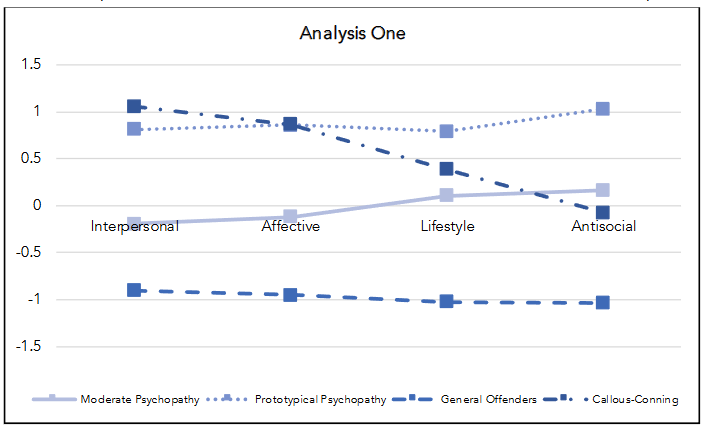
Figure 1 Mean Psychopathy Facet Ratings for Profiles Identified in Analysis One (Full Sample)
Latent Profile Descriptions
Here we summarize the features of the subgroups of men assigned to each profile. The LP1 subgroup demonstrated mean facet ratings relatively close to the sample means for all four facets. As shown in Table 4, mean ratings for LP1 on all four facets were substantially lower than those for LP2 and higher than those for LP3. Compared to LP4, members of LP1 were substantially lower in INT and AFF, but relatively similar in LIF and ANT (with only small differences). Given the moderate levels of psychopathy relative to other groups, we labeled LP1 a moderate psychopathy profile. A subgroup like this one has been identified in prior studies of unrestricted samples and has sometimes been labeled a sociopathy subgroup.
Participants in LP2 displayed high ratings on all four facets, including substantially higher ratings than all other classes on LIF and ANT. Members of LP2 also had INT and AFF ratings substantially higher than those of LP1 and LP3 but not substantially different from those of LP4. As a result, consistent with previous studies, LP2 was named a prototypical psychopathy profile.
The members of LP3 demonstrated the lowest ratings on all four facets (large effect sizes for differences between LP3 and all three other subgroups). As such, LP3 was identified as a general offenders subgroup, similar to the general offenders subgroup identified in previous studies. Finally, men in LP4 were high in both INT and AFF ratings compared to those in LP1 and LP3. However, their LIF and ANT ratings were substantially lower than the mean ratings for LP2 yet relatively comparable to those for LP1. Consequently, we named LP4 a callous-conning profile, consistent with previous studies of unrestricted samples.
Table 4 Means, Standard Deviations, and Effect Sizes for Differences in Indicator Variables between Latent Profiles for Analysis One (Full Sample)
| LP1b | LP2b | LP3b | LP4b | LP Pairwise Comparisonsa |
|---|---|---|---|---|
| M (SD) | M (SD) | M (SD) | M (SD) | 1 vs. 2 |
| INTc – 0.19 (0.59) | 0.81 (0.38) | – 0.90 (0.62) | 1.06 (0.33) | 1.88 |
| AFFc – 0.12 (0.66) | 0.86 (0.27) | – 0.95 (0.67) | 0.87 (0.24) | 1.73 |
| LIFc 0.11 (0.59) | 0.79 (0.32) | – 1.03 (0.79) | 0.39 (0.70) | 1.31 |
| ANTc 0.17 (0.56) | 1.03 (0.12) | – 1.03 (0.74) | – 0.07 (0.62) | 1.84 |
Table 5 External Validation Results for Analysis One (Full Sample): Mean (SD) Scores and Pairwise Comparisons for Latent Profiles
| External Variable | Means (Standard Deviations) | Pairwise Comparisonsa |
|---|---|---|
| PCL-R Totalc | 23.85 (0.14) | 1,943.66*** 1,564.71*** 548.24*** 5,274.59*** 171.84*** 2,697.12*** |
| IM-Pd | 6.34 (0.36) | 30.96*** 11.60** 32.70*** 55.12*** 0.10 57.31*** |
| Conduct Disorder Sxse | 4.36 (0.15) | 55.24*** 157.81*** 10.99*** 298.76*** 67.05*** 25.89*** |
| STAITf | 68.10 (1.36) | 2.29 15.20*** 1.81 25.56*** 4.65* 2.57 |
| Alcohol Abuse | 1.7 (0.1) | 4.92* 16.33*** 1.02 30.67*** 5.48* 3.44 |
| Drug Abuse | 2.25 (0.08) | 4.61* 30.67*** 0.08 46.09*** 2.90 14.86*** |
| Violent Charges | 3.28 (0.24) | 21.42*** 18.16*** 2.82 60.12*** 2.53 16.50*** |
| Non-Violent Charges | 13.49 (0.75) | 4.90* 14.60*** 0.02 10.78*** 4.53* 8.15** |
| ASPD Sxs | 3.79 (0.09) | 123.76*** 258.81*** 0.93 589.72*** 39.43*** 132.12*** |
When we attempted to run BCH analyses to predict PCL-R total scores from latent class membership, an error message indicated insufficient variance in PCL-R total scores within one or more of the latent classes (Muthén, 2017). As such, the 3-step approach was utilized to assess differences between scores on this external variable (for further information, see Asparouhov & Muthén, 2014, 2021).
ANALYSIS TWO
Participants in Analysis Two were 574 of the 1,438 adult male offenders examined in Analysis One; they were those participants in the above analyses with PCL-R total scores of 27 or greater. Participants in this sample ranged in age from 17-46 (M = 26.49, SD= 6.62). PCL-R scores ranged from 27 to 40, with a mean score of 31.12 (SD = 2.79). Mean scores for the four PCL-R facets were as follows: INT, 6.04 (SD = 1.48), AFF, 6.40 (SD = 1.23), LIF, 7.86 (SD = 1.36), and ANT, 8.21 (SD = 1.53).
Model Fit and Diagnostics
A three-profile model had the best fit for this subsample (see Table 3). Although the two-profile model had lower AWE and CAIC values, the three-profile model had the lowest BIC value. In addition, the aLMR LRT indicated adding a third class significantly improved model fit over the two-class model; adding a fourth class did not. The cmP value also favored a three-profile model. An elbow plot of information criteria is provided in Figure S2.
After assigning individuals to profiles, LPa contained 222 participants, LPb contained 212, and LPc contained 140.
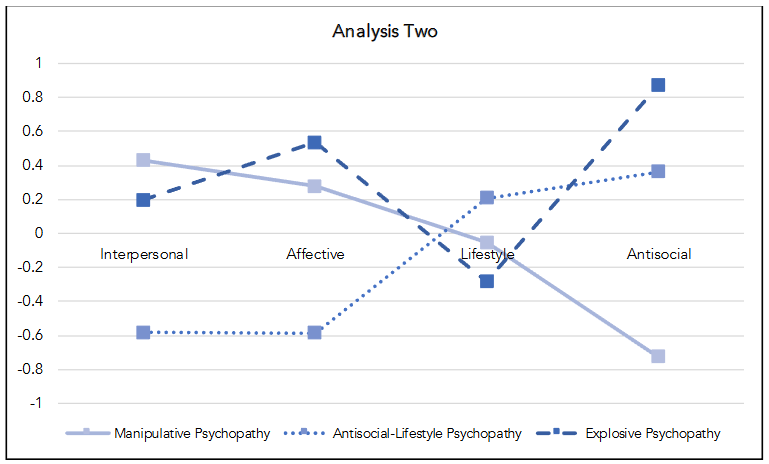
Figure 2 Mean Psychopathy Facet Ratings for Profiles Identified in Analysis Two (Restricted Sample)
Latent Profile Descriptions
INT ratings for individuals in LPa were substantially greater than those for the members of LPb and slightly higher than those in LPc. Further, men in LPa had AFF ratings substantially higher than those in LPb, though moderately lower than those for men in LPc. The LPa subgroup’s LIF ratings were only slightly different than those of LPb and LPc. Finally, men in LPa had substantially lower ANT ratings than men in LPb and LPc. Based on these facet ratings, the LPa profile appears to closely resemble the subtype previously labeled the manipulative variant of primary psychopathy.
LPb scored substantially lower than LPa and LPc on INT and AFF. LIF ratings for LPb were moderately higher than those of LPc and only slightly higher than those of LPa. The members of LPb had ANT ratings substantially higher than those of LPa and substantially lower than those of LPc. Given that Analysis Two was conducted to examine a high-psychopathy sample and the finding that the members of this subgroup were high in overall psychopathy, especially in the lifestyle and antisocial components, we suggest LPb be identified as antisocial-lifestyle psychopathy, a label that appears more straightforward, parsimonious, and precise than the sometimes-used label sociopathy.
Finally, compared to LPa, LPc exhibited INT ratings slightly lower and AFF levels moderately higher. LPc had INT and AFF ratings substantially higher than those of LPb. LPc demonstrated LIF ratings slightly lower than those of LPa and moderately lower than those of LPb. Finally, LPc had substantially higher ANT ratings than LPa and LPb. As such, we propose that LPc most closely resembles the explosive variant of primary psychopathy, consistent with prior studies of restricted samples.
These subgroups also differed in their total PCL-R and IM-P scores (see Table 7). The antisocial-lifestyle psychopathy group’s mean PCL-R and IM-P scores were reliably lower than those of the explosive and manipulative subgroups. The explosive subgroup had a higher mean PCL-R score than the manipulative subgroup; these two groups did not differ in IM-P total scores.
Table 7 External Validation Results for Analysis Two (Restricted Sample): Mean (SD) Scores Pairwise Comparisons for Latent Profiles
| External Variable | Means (Standard Deviations) | Pairwise Comparisonsa |
|---|---|---|
| PCL-R Totalc | 30.69 (0.20) | 17.22*** 81.24*** 139.22*** |
| IM-Pd | 13.10 (0.86) | 19.06*** 0.70 6.60** |
| Conduct Disorder Symptoms | 3.55 (0.22) | 52.40*** 48.19*** 2.86 |
| STAITe | 65.23 (2.44) | 4.24* 3.20 < 0.01 |
| Alcohol Abuse | 1.65 (0.14) | 3.03 1.24 0.04 |
| Drug Abuse | 2.40 (0.14) | 2.07 0.76 3.23 |
| Violent Charges | 5.01 (0.58) | 2.69 4.32* 11.02** |
| Non-Violent Charges | 14.54 (1.13) | 0.43 2.43 1.69 |
| Antisocial PDf Symptoms | 4.33 (0.15) | 6.33** 27.96*** 9.58** |
External Validation
Analysis Two subgroups demonstrated several differences in the psychopathology variables examined (see Table 6). Men in the manipulative subgroup had fewer childhood CD symptoms than those in both the explosive and antisocial-lifestyle subgroups, who did not differ from one another. Individuals in the manipulative subgroup additionally reported less negative affectivity than did individuals in the antisocial-lifestyle subgroup; men in the explosive subgroup did not differ from those in the other two subgroups in negative affectivity. None of these profiles differed in their levels of alcohol or drug misuse.
There were also differences between groups in their criminal histories. Compared to members of the manipulative and antisocial-lifestyle profiles, members of the explosive subgroup had more charges for violent offenses and exhibited more ASPD symptoms. Individuals in the antisocial-lifestyle subgroup had more ASPD symptoms, on average, than did men in the manipulative subgroup, although these subgroups did not differ in their numbers of violent charges. The three subgroups did not differ in numbers of nonviolent charges.
COMPARING CLASS MEMBERSHIP ACROSS THE TWO ANALYSES
For the 574 participants included in both analyses, analyses indicated a significant relationship between profile membership in Analysis One and profile membership in Analysis Two, McNemar’s Test (df = 3, N = 574) = 165.88, p < .001 (see Table 8). Of note, none of the individuals who fit best with the general offenders profile of Analysis One met criteria to be retained in Analysis Two; as such, only three classes from Analysis One were included in this chi-square analysis. In contrast, a substantial majority (75.0%, or 138/184) of members of the callous-conning subgroup were included in Analysis Two. Of these individuals, the vast majority (97.8%; N = 135) were placed in the manipulative psychopathy subgroup in Analysis Two.
| Analysis One Profile Assignment | Analysis Two Profile Assignment | Analysis One Profile Total | ||
|---|---|---|---|---|
| Manipulative Psychopathy | Antisocial-lifestyle Psychopathy | Explosive Psychopathy | Ns | |
| Moderate psychopathy | 35 | 98 | 10 | 143 |
| Prototypical psychopathy | 52 | 114 | 127 | 293 |
| Callous-conning | 135 | 0 | 3 | 138 |
| Analysis Two Profile Total | 222 | 212 | 140 | 574 |
Percentages of Participants in Analysis One Profiles Across Analysis Two Profilesb
| Analysis One Profile Assignment | Analysis Two Profile Assignment | Analysis One Profile Total | ||
|---|---|---|---|---|
| Moderate psychopathy | 24.5% | 68.5% | 7.0% | 100% |
| Prototypical psychopathy | 17.7% | 38.9% | 43.3% | 100% |
| Callous-conning | 97.8% | 0.0% | 2.2% | 100% |
| Analysis Two Profile Total | 38.7% | 36.9% | 24.4% | 100% |
Percentages of Participants in Analysis Two Profiles Across Analysis One Profilesb
| Analysis Two Profile Assignment | Analysis One Profile Assignment | Analysis Two Profile Total | ||
|---|---|---|---|---|
| Moderate psychopathy | 15.8% | 46.2% | 7.1% | 24.9% |
| Prototypical psychopathy | 23.4% | 53.8% | 90.7% | 51.0% |
| Callous-conning | 60.8% | 0.0% | 2.1% | 24.0% |
| Analysis Two Profile Total | 100% | 100% | 100% | 100% |
Only a minority (22.7% or 143/631) of individuals assigned to the moderate psychopathy subgroup of Analysis One were retained in Analysis Two. Of these, 24.5% (N = 35) were assigned to the manipulative psychopathy subgroup and most, 68.5% (N = 98), were assigned to the antisocial-lifestyle psychopathy subgroup.
Finally, all those assigned to the prototypical psychopathy subgroup in Analysis One were retained in Analysis Two. Although the largest share of these individuals (43.3%; N = 127) were assigned to the explosive psychopathy subgroup, a similar number (38.9%; N = 114) were assigned to the antisocial-lifestyle psychopathy group. A much smaller minority (17.7%; N = 52) were placed in the manipulative psychopathy subgroup.
Further, we examined the make-up of Analysis Two subgroups in terms of Analysis One profile membership. For two subgroups, a majority of the members had come from a single Analysis One subgroup. The majority (60.8%) of the manipulative psychopathy profile was comprised of individuals from the callous-conning profile in Analysis One. Likewise, the vast majority of those in the explosive psychopathy group (90.7%) had been assigned to the prototypical psychopathy profile. In contrast, of those in the antisocial-lifestyle psychopathy profile, roughly half (53.8%) had been assigned to the prototypical psychopathy group, with the rest (46.2%) previously assigned to the moderate psychopathy group. In short, these analyses reveal direct relationships between the manipulative psychopathy and callous-conning subgroups, between the antisocial-lifestyle psychopathy and moderate psychopathy groups, and, to some degree, between the prototypical psychopathy and the explosive psychopathy subgroups.
Discussion
The current study aimed to explore and directly compare, within one offender sample, the psychopathy subgroups that emerge when assessing a relatively unrestricted sample of offenders versus those that emerge when examining a sample restricted to high-psychopathy offenders. Results suggest that the choice of sampling method impacts the number and nature of the subgroups that are identified.
of psychopathy subgroups identified. In addition, the availability of analyses using both sampling methods in the same population and external validation analyses provides important insights into the stability of the subgroups that emerge. In fact, findings from facet profiles, external validation analyses, and comparisons of the individuals who comprise each subgroup demonstrate substantial continuities across sampling methods. Comparisons of these subgroups are discussed in further detail below.
THE APPEARANCE OF PROTOTYPICAL PSYCHOPATHY
First, the choice of sampling method dictates the number and nature of the subgroups identified. As may be expected, a group of general (low psychopathy) offenders emerges only in the analysis of an unrestricted sample. More importantly, a subgroup resembling prototypical psychopathy emerges only in the analysis of the unrestricted sample. Hervé had proposed that the prototypical, explosive, and manipulative subgroups would emerge alongside one another as distinct variants of primary psychopathy, and this view aligns well with other prior studies. The current findings suggest that a group resembling prototypical psychopathy is often identifiable within an unrestricted sample of offenders, alongside the callous-conning group (which appears similar to the manipulative psychopathy group; e.g., Krstic et al., 2017; Mokros et al., 2020; Neumann et al., 2016). Relatedly, consistent with most prior studies, current findings suggest that only explosive and manipulative variants of primary psychopathy (and perhaps an additional subgroup, discussed below) emerge in high-psychopathy samples (e.g., see McCallum et al., 2022; Mokros et al., 2015; Olver et al., 2015). As noted above, whereas a substantial minority of men in the prototypical psychopathy group in Analysis One were re-classified in the explosive psychopathy subgroup in Analysis Two, a relatively similar proportion were re-classified in the antisocial-lifestyle psychopathy subgroup. In short, current findings suggest that prototypical psychopathy may not be a true variant of primary psychopathy but, rather, a subgroup that appears only in person-centered analyses examining a broad sample of offenders. Once the noise of individuals with low levels of psychopathy is removed, this group appears to split into more specific subgroups.
SIMILARITIES BETWEEN THE PROTOTYPICAL AND EXPLOSIVE PSYCHOPATHY SUBGROUPS
Although only about half of the men in the prototypical psychopathy subgroup in Analysis One were reclassified in the explosive psychopathy subgroup in Analysis Two, these two subgroups demonstrated several important similarities across the two sampling methods. First, both the prototypical and explosive psychopathy subgroups were characterized by relatively high levels of INT, AFF, and ANT (compare Figures 1 and 2). Moreover, external validation analyses suggested that membership in both groups was associated with greater numbers of violent and nonviolent charges, greater numbers of ASPD and CD symptoms, and greater levels of negative affectivity than was membership in some or all other subgroups. Even so, the pattern of findings suggests that the characteristics of these two subgroups are partly inconsistent with clinical perspectives on these two psychopathy subtypes. Notably, both groups exhibited higher negative affectivity than the explosive subtype, where unexpected patterns prompted discussions of explosive and primary psychopathy.
Although differences in the expression of negative affectivity are often considered to be a cardinal distinction between primary and secondary psychopathy (Karpman, 1946; Skeem et al., 2003). Although explosive and prototypical psychopathy have been proposed as subtypes of primary psychopathy, current findings provide evidence that, in some samples, individuals with these profiles may be characterized by heightened negative affectivity. Consistent with this possibility, variable-centered studies of adult psychopathy consistently fail to identify a negative relationship between psychopathy and negative affectivity (Derefinko, 2014; Hale et al., 2004; Visser et al., 2011). Further, several studies suggest psychopathic traits are sometimes associated with reports of heightened negative affect among youth (Bauer et al., 2011; Kubak & Salekin, 2009) and adults (Hoppenbrouwers et al., 2016; Lishner et al., 2012). Assuming that different samples may differ in the proportions of individuals with explosive psychopathy, the possibility that only this subtype of primary psychopathy is characterized by heightened negative affectivity could explain these disparate findings.
In light of the prominence of negative affectivity in the clinical distinction between primary and secondary psychopathy, current findings indicate secondary psychopathy, several prior studies have included measures of personality and psychopathology in the variate alongside psychopathy facet ratings. These studies have often yielded different subgroups than studies including only PCL-R facet ratings. Notably, studies including negative affectivity have often identified a subgroup with psychopathic traits and high negative affectivity, commonly labeled a secondary psychopathy subgroup (e.g., Swogger & Kosson, 2007; Vassileva et al., 2005). Although it could be argued that the explosive psychopathy subgroup should be reconceptualized as exhibiting secondary psychopathy, the high levels of AFF and ANT and the high levels of criminal activity appear to fit better with considerations of explosive psychopathy. At the same time, the link between explosive psychopathy and heightened negative affectivity suggests the value of further research addressing the utility of including anxiety and other forms of psychopathology in the identification of psychopathy subgroups.
The relatively average LIF levels in the prototypical and explosive subgroups also appear at odds with psychopathy, which have highlighted traits such as irresponsibility and poor long-term planning (Arieti, 1963; Hervé, 2003). At the same time, consistent with some prior empirical studies (e.g., Mokros et al., 2015), current findings suggest that members of these subgroups may be more precisely characterized by relatively high levels of ANT traits (e.g., poor anger regulation) than by especially high levels of stimulation seeking and impulsivity. Additionally, although we are loath to accept the null hypothesis, we acknowledge that the relatively small effect sizes comparing levels of LIF traits across subgroups raise the possibility that the lifestyle facet may be less important than other facets to distinguishing different psychopathy subgroups. Further research with independent samples is needed to examine the robustness of these small differences in LIF traits across psychopathy subgroups. Overall, given that the preponderance of current findings for these two subgroups is consistent with clinical descriptions and previous empirical research on these two subgroups, we do not believe that the relatively low LIF levels raise difficulties with conceptualizing the Analysis Two profile as providing more fine-resolution information about the nature of the explosive psychopathy subgroup.
An asymmetric relationship was observed between the proportion of explosive psychopathy members who had been assigned to the prototypical psychopathy subgroup in Analysis One (91%) and the proportion of individuals in the prototypical subgroup who, in Analysis Two, were reclassified into the explosive psychopathy subgroup (43%). These findings suggest that the prototypical psychopathy subgroup represents a relatively heterogeneous group of individuals high in psychopathic traits and that the inclusion in Analysis One of a full range of offenders reduced our ability to distinguish between the three distinct subgroups we identified among high-psychopathy offenders. Given that the prototypical psychopathy group emerged only when examining offenders with a full range of psychopathic traits, current findings also suggest that prototypical psychopathy subgroups may be especially likely to emerge from analyses of community samples, as these are characterized by substantially lower levels of PCL-R-based psychopathology than correctional samples.
MANIPULATIVE AND CALLOUS-CONNING SUBGROUPS
The manipulative psychopathy and callous-conning subgroups demonstrated several important similarities, as well. Both groups exhibited high levels of INT and AFF, relatively lower levels of ANT, and LIF levels near the sample mean. Further, both were characterized by relatively few childhood CD symptoms and relatively low negative affectivity. Additionally, most of those placed in the manipulative psychopathy subgroup in Analysis Two had been placed within the callous-conning offenders subgroup in Analysis One; those overlapping individuals constituted 98% of the callous-conning group members retained in Analysis Two.
Both the profile of facet elevations and the pattern of external relationships of these two subgroups appear consistent with clinical characterizations of Karpman’s passive-parasitic, Arieti’s complex, and Hervé’s manipulative psychopaths. Their descriptions of these subtypes indicate such individuals are more likely to con and charm others to achieve their goals than to use aggression. Given the significant overlap and similarity between these subgroups, it appears this subgroup also demonstrates robustness across the sampling methods examined.
THE NATURE OF ANTISOCIAL-LIFESTYLE AND MODERATE PSYCHOPATHY
Additionally, we found several similarities between the moderate psychopathy subgroup (Analysis One) and the antisocial-lifestyle psychopathy subgroup (Analysis Two). INT and AFF ratings of both subgroups were near, although slightly below, the sample means, and LIF and ANT ratings were slightly above the sample means. Additionally, both subgroups had significantly lower PCL-R and IM-P total scores than the manipulative/callous-conning and explosive/prototypical psychopathy subgroups. Both subgroups had more childhood CD symptoms than the manipulative/callous conning subgroups (but not more than the explosive/prototypical psychopathy subgroups). Moreover, both the moderate and antisocial-lifestyle psychopathy subgroups had fewer violent charges than the explosive/prototypical psychopathy subgroups. Both subgroups were relatively similar to the manipulative/callous conning subgroups in non-violent charges and ASPD symptoms. Finally, although roughly half of the members of the antisocial-lifestyle subgroup in Analysis Two had come from each of two different Analysis One subgroups (moderate psychopathy and prototypical psychopathy), a substantial majority of those who had been classified in the moderate psychopathy profile in Analysis One who were retained for Analysis Two (69%) were classified into the antisocial-lifestyle psychopathy subgroup.
Although subgroups like these have appeared in various empirical studies of psychopathy subgroups, subgroups resembling antisocial-lifestyle psychopathy (or moderate psychopathy) have not emerged in clinical accounts of psychopathy subtypes. In some recent studies using both more and less restricted samples of offenders, researchers have labeled these subgroups a sociopathy subgroup (Krstic et al., 2017; Mokros et al., 2017; Neumann et al., 2016). However, given the high level of psychopathic traits for all the participants in Analysis Two and the findings of substantial elevations on validated dimensions of PCL-R psychopathy, it appears more parsimonious to conceptualize this subgroup as reflecting a subgroup of psychopathy rather than to suggest it reflects an entirely distinct syndrome.
At the same time, current findings suggest reasons for caution about the interpretation of these two subgroups. First, as noted above, this subgroup was characterized by levels of INT and AFF below the sample means (in both analyses). Second, regarding external validation, these profiles were characterized by lower levels of overall psychopathy than the manipulative and callous-conning groups. They also had fewer ASPD symptoms and violent charges than the prototypical and explosive groups. Of course, findings do not preclude the possibility of reliable observable differences between these and other subgroups on external variables not measured in this study.
Another reason for caution about the robustness of this subgroup is that Mokros et al. (2015) reported that their sociopathy subgroup no longer emerged when they reanalyzed their sample using a PCL-R cutoff of 30, rather than 27. Their findings are consistent with our observations that the antisocial-lifestyle and moderate psychopathy groups had lower overall psychopathy levels than the other subgroups. As such, only further research can resolve whether such individuals should be conceptualized as reflecting a distinct subtype of primary psychopathy or as a subgroup of offenders with some psychopathic features (but not the interpersonal and affective traits).
THE DIFFERENCE BETWEEN EXPLOSIVE AND MANIPULATIVE PSYCHOPATHY
Current findings help to disambiguate one additional controversy in prior subtyping research. Karpman (1946) and others (Arieti, 1963; Hervé, 2007) have proposed that the different variants of primary psychopathy are relatively similar in behavior, with the exception that they vary in the primary manifestations of their psychopathic traits. One key distinction that has been highlighted is the proposal that individuals in the explosive psychopathy subgroup rely heavily on anger and aggression, whereas those in the manipulative psychopathy subgroup rely less on threats and violence to achieve their goals.
Findings from the current study corroborate and expand this distinction. In Analysis Two, men in the manipulative psychopathy subgroup demonstrated fewer ASPD symptoms, fewer childhood CD symptoms, and fewer violent charges than those in the explosive psychopathy subgroup. the explosive psychopathy subgroup. Similarly, among the Analysis One subgroups, the callous-conning subgroup (comparable to the manipulative subgroup) demonstrated fewer ASPD and childhood CD symptoms than did the prototypical psychopathy subgroup. These findings are consistent with the proposal that men classified in subgroups which include people with explosive psychopathy are more likely to exhibit various externalizing behaviors, including violence, than are men classified in groups resembling manipulative psychopathy (or similar) subgroups, regardless of whether they are identified based on more or less restricted samples of offenders.
Limitations
The current study was characterized by several important limitations. First, many external validation indices relied on self-reports, introducing the possibility that biases or limited insight impacted participant responses. Furthermore, although our use of 27 as a cut-off score for the restricted sample was based on methods used in prior studies, the optimal cut-off score is arbitrary from the perspective of dimensional views of psychopathy. It is plausible findings would differ if another cut-off score were used. To limit the number of analyses, we did not evaluate other sampling cut-offs. However, exploring the differences that emerge with different sampling cut-offs appears worthwhile.
Analyses also revealed poorer fit statistics in analyses of the more restricted sample. Although the measures yielded generally acceptable psychometric statistics (i.e., Average Posterior Probabilities and Odds of Correct Classification), interrater agreement for AFF was relatively poor in the restricted sample. In addition, though Profile A and B demonstrated adequate fit, the average posterior probabilities for Profile C were less than what is usually accepted (i.e., .652 rather than .75). In addition, whereas the full sample demonstrated a moderate degree of entropy according to a gauge of classification certainty (0.67), the second sample demonstrated a low level of entropy (i.e., 0.55). These findings are not entirely unexpected for comparisons between smaller samples and larger samples. However, they provide another reason for caution with respect to generalizations about these findings until they are replicated. At the same time, the consistency of current findings with those of prior studies provides some basis for confidence in current findings.
Finally, as noted above, the current study was not designed to identify secondary psychopathy, as negative affectivity was not included in the variate in order to maintain continuity with most recent psychopathy subtyping studies (Hofmann et al., 2021). However, future studies would benefit from exploring whether similar subgroups emerge from full and restricted samples when LPAs include measures of other forms of psychopathology in the variate.
Conclusions
The current study aimed to highlight the implications of researchers’ decisions to examine the heterogeneity of psychopathy using more versus less restrictive sampling methods and to increase understanding of the consequences of using only one of these two methods. Findings indicate both sampling techniques have value, but they are not equally useful for identifying subtypes of primary psychopathy. Moreover, although the use of two sampling methods reveals the three subgroups identified with the two methods, analyses with a large proportion of individuals high in psychopathic traits appear superior for identifying distinct subgroups of offenders with psychopathic traits. In particular, analyses of high-psychopathy samples appear better for identifying the explosive psychopathy subgroup. Moreover, current findings suggest relationships between negative affectivity and prototypical and explosive psychopathy that, to our knowledge, have not previously been discussed. Further, current findings suggest substantial overlap between the manipulative and callous-conning subgroups identified in prior studies of restricted and unrestricted samples of offenders, respectively. Finally, current findings suggest the possibility of a third subgroup of individuals high in psychopathic traits: those with primarily the antisocial-lifestyle features of psychopathy. Only further research can determine whether this subgroup should be conceptualized as a psychopathy subtype or not.
Conflict of Interest Statement:
None.
Funding Statement:
The research and preparation of this article were supported in part by Grant MH57714 from the National Institute of Mental Health to David S. Kosson.
Acknowledgements:
We thank Patrick Firman, Rick Riddle, G. Mark McCorley, and the staff of the Lake County Jail in Waukegan, Illinois, for their consistent cooperation and support during the conduct of this research.
ORCID ID:
- Emily E. Graupman: https://orcid.org/0000-0001-9050-7603
- Steven A. Miller: https://orcid.org/0000-0001-6687-776X
- David S. Kosson: https://orcid.org/0000-0002-6193-0071
References
1. American Psychiatric Association. Diagnostic and Statistical Manual of Mental Disorders. 4th ed, text rev. Washington, DC: American Psychiatric Association; 2000. doi:10.1176/appi.books.9780890423349
2. American Psychiatric Association. Diagnostic and Statistical Manual of Mental Disorders. 5th ed. Washington, DC: American Psychiatric Association; 2013. doi:10.1176/appi.books.9780890425596
3. American Psychiatric Association. Diagnostic and Statistical Manual of Mental Disorders. 5th ed, text rev. Washington, DC: American Psychiatric Association; 2022. http://dx.doi.org/10.1176/appi.books.9780890425596
4. Arieti S. Psychopathic personality: Some views on its psychopathology and psychodynamics. Compr Psychiatry. 1963;4(5):301–312. https://doi.org/10.1016/S0010-440X(63)80056-5
5. Asparouhov T, Muthén B. Auxiliary variables in mixture modeling: Three-step approaches using Mplus. Struct Equ Modeling. 2014;21(3):329–341. https://doi.org/10.1080/10705511.2014.915181
6. Asparouhov T, Muthén B. Auxiliary variables in mixture modeling: Using the BCH method in Mplus to estimate a distal outcome model and an arbitrary secondary model. Mplus Web Notes. Published February 4, 2021. doi:www.statmodel.com/examples/webnotes/webnote21.pdf
7. Bakk Z, Vermunt JK. Robustness of stepwise latent class modeling with continuous distal outcomes. Struct Equ Modeling. 2015;23(1):20–31. https://doi.org/10.1080/10705511.2014.955104
8. Banfield JD, Raftery AE. Model-based Gaussian and non-Gaussian clustering. Biometrics. 1993;49 (3):803–821. https://doi.org/10.2307/2532201
9. Bauer DL, Whitman LA, Kosson DS. Reliability and construct validity of Psychopathy Checklist: Youth Version scores among incarcerated adolescent girls. Crim Justice Behav. 2011;38(10):965–987. https://doi.org/10.1177/0093854811418048
10. Benning SD, Patrick CJ, Blonigen DM, Hicks BM, Iacono WG. Estimating facets of psychopathy from normal personality traits: A step toward community epidemiological investigations. Assessment. 2005;12(1):3–18. https://doi.org/10.1177/1073191104271223
11. Boduszek D, Debowska A, Willmott D. Latent profile analysis of psychopathic traits among homicide, general violent, property, and white-collar offenders. J Crim Justice. 2017;51:17–23. https://doi.org/10.1016/j.jcrimjus.2017.06.001
12. Bolck A, Croon M, Hagenaars J. Estimating latent structure models with categorical variables: One-step versus three-step estimators. Polit Anal. 2004;12(1):3–27. https://doi.org/10.1093/pan/mph001
13. Bozdogan H. Model selection and Akaike’s Information Criterion (AIC): The general theory and its analytical extensions. Psychometrika. 1987;52(3 ):345–370. https://doi.org/10.1007/BF02294361
14. Cohen J. A power primer. Psychol Bull. 1992;1 12(1):155–159. https://doi.org/10.1037/0033-2909.112.1.155
15. Cooke DJ, Michie C. Refining the construct of psychopathy: Towards a hierarchical model. Psychol Assess. 2001;13(2):171–188. https://doi.org/10.1037/1040-3590.13.2.171
16. Copestake S, Gray NS, Snowden RJ. A comparison of a self-report measure of psychopathy with the psychopathy checklist-revised in a UK sample of offenders. J Forensic Psychiatry Psychol. 2011;22(2):169–182. https://doi.org/10.1080/14789949.2010.545134
17. Cunha O, Braga T, Gomes HS, Goncalves M, Concalves RA. Psychopathy Checklist-Revised (PCL-R) factor structure in male perpetrators of intimate partner violence. J Forensic Psychol Res Pract. 2020;20(3):241–263. https://doi.org/10.1080/24732850.2020.1717279
18. Derefinko KJ. Psychopathy and low anxiety: Meta-analytic evidence for the absence of inhibition, not affect. J Pers. 2014;83(6):693-709. doi:10.1111/jopy.12124
19. Edens JF, Marcus DK, Lilienfeld SO, Poythress NG. Psychopathic, not psychopath: Taxometric evidence for the dimensional structure of psychopathy. J Abnorm Psychol. 2006;115(1):131-144. doi:10.1037/0021-843X.115.1.131
20. Eisenbarth H, Carrington F, Shane MS, et al. Comparing the relationship between emotional responsiveness and psychopathy across assessment types: a systematic review and meta-analysis. CNS Spectr. 2025;30(1):e32. doi:10.1017/S109285292500015X
21. First MB, Gibbon M, Spitzer RL, Williams JB. Structured Clinical Interview for DSM-IV Axis I Disorders (SCID-I). American Psychiatric Press; 1997.
22. Hale LR, Goldstein DS, Abramowitz CS, Calamari JE, Kosson DS. Psychopathy is related to negative affectivity but not to anxiety sensitivity. Behav Res Ther. 2004;42(6):697-710. doi:10.1016/S0005-7967(03)00192-X
23. Hare RD. Hare Psychopathy Checklist–Revised. 2nd ed. Multi-Health Systems; 2003.
24. Hare RD. The PCL-R assessment of psychopathy. In: Felthous AR, Saß H, eds. The Wiley International Handbook on Psychopathic Disorders and the Law. 2nd ed. Wiley; 2020:63-106. doi:10.1002/97811191593222
25. Hare RD, Neumann CS. Psychopathy as a clinical and empirical construct. Annu Rev Clin Psychol. 2008;4:217-246. doi:10.1146/annurev.clinpsy.3.022806.091452
26. Henderson DK. Psychopathic states. Br J Psychiatry. 1942;88(373):485-490. doi:10.1192/bjp.88.373.485
27. Hervé H. The masks of sanity and psychopathy: A cluster analytical investigation of subtypes of criminal psychopathy [master’s thesis]. University of British Columbia; 2003. http://hdl.handle.net/2429/14885
28. Hervé H. Psychopathic subtypes: Historical and contemporary perspectives. In: Yuille JC, Hervé H, eds. The Psychopath: Theory, Research, and Practice. Lawrence Erlbaum Associates; 2007:431-460.
29. Hicks BM, Drislane LE. Variants (“subtypes”) of psychopathy. In: Patrick CJ, ed. Handbook of Psychopathy. 2nd ed. Guilford Press; 2019.
30. Hicks BM, Markon KE, Patrick CJ, Krueger RF, Newman JP. Identifying psychopathy subtypes on the basis of personality structure. Psychol Assess. 2004;16(3):276-288. doi:10.1037/1040-3590.16.3.276
31. Hofmann MJ, Schneider S, Mokros A. Fearless but anxious? A systematic review on the utility of fear and anxiety levels to classify subtypes of psychopathy. Behav Sci Law. 2021;39(5):512-540. doi:10.1002/bsl.2544
32. Hoppenbrouwers SS, Bulten BH, Brazil IA. Parsing fear: A reassessment of the evidence for fear deficits in psychopathy. Psychol Bull. 2016;142(6):573-600. doi:10.1037/bul0000040
33. Horley J. The emergence and development of psychopathy. Hist Human Sci. 2014;27(5): 91–110. https://doi.org/10.1177/0952695114541864
34. Humphrey JA. A study of the etiology of sociopathic behavior. Dis Nerv Syst. 1974;35(9):432-435.
35. Karpman B. On the need of separating psychopathy into two distinct clinical types: The symptomatic and the idiopathic. J Crim Psychopathol. 1941;3:112-137.
36. Karpman B. Psychopathy in the scheme of human typology. J Nerv Ment Dis. 1946;103:276-288. doi:10.1097/00005053-194603000-00007
37. Karpman B. The myth of the psychopathic personality. Am J Psychiatry. 1948;104:523-534. doi:10.1176/ajp.104.9.523
38. Karpman B. Conscience in the psychopath: Another version. Am J Orthopsychiatry. 1948;18(3): 455-491. doi:10.1111/j.1939-0025.1948.tb05109.x
39. Karpman B. Criminal psychodynamics: A platform. Arch Crim Psychodyn. 1955;1(1):3-100.
40. Kosson DS, Lorenz AR, Newman JP. Effects of comorbid psychopathy on criminal offending and emotion processing in male offenders with antisocial personality disorder. J Abnorm Psychol. 2006;115 (4):798-806. doi:10.1037/0021-843X.115.4.798
41. Kosson DS, Steuerwald BL, Forth AE, Kirkhart KJ. A new method for assessing the interpersonal behavior of psychopathic individuals: Preliminary validation studies. Psychol Assess. 1997;9(2):89-101. doi:10.1037/1040-3590.9.2.89
42. Kristic S, Neumann CS, Roy S, et al. Using latent variable- and person-centered approaches to examine the role of psychopathic traits in sex offenders. Pers Disord. 2017;9(3):207-216. doi:10.1 037/per0000249
43. Kubak FA, Salekin RT. Psychopathy and anxiety in children and adolescents: New insights on developmental pathways to offending. J Psychopathol Behav Assess. 2009;31(4):271-284. doi:10.1007/s10862-009-9144-2
44. Levenson MR, Kiehl KA, Fitzpatrick CM. Assessing psychopathic attributes in a noninstitutionalized population. J Pers Soc Psychol. 1995;68(1):151-158. doi:10.1037/0022-3514.68.1.151
45. Lishner DA, Vitacco MJ, Hong PY, et al. Evaluating the relation between psychopathy and affective empathy: Two preliminary studies. Int J Offender Ther Comp Criminol. 2012;56(8):1161-1181. doi:10.1177/0306624X11421891
46. Lo Y, Mendell NR, Rubin DB. Testing the number of components in a normal mixture. Biometrika. 2001;88(3):767-778. doi:10.1093/biomet/88.3.767
47. Masyn KE. Latent class analysis and finite mixture modeling. In: Little TD, ed. The Oxford Handbook of Quantitative Methods: Statistical Analysis. Oxford University Press; 2013:551-611.
48. McCallum KE, Boccaccini MT, Varela JG, Turner DB. Psychopathy profiles and Personality Assessment Inventory scores in a sex-offender risk assessment field setting. Assessment. 2022;29(7): 1458-1472. doi:10.1177/10731911211015312
49. Mealey L. The sociobiology of sociopathy: An integrated evolutionary model. Behav Brain Sci. 1995;18(3):523-599. doi:10.1017/S0140525X00039595
50. Mokros A, Hare RD, Neumann CS, Habermeyer E. Subtypes and variations of psychopathic disorders. In: Felthous AR, Sab H, eds. The Wiley International Handbook on Psychopathic Disorders and the Law: Volume I Diagnosis and Treatment. 2nd ed. John Wiley & Sons Ltd; 2021:107-143.
51. Mokros A, Hare RD, Neumann CS, Santtila P, Habermeyer E, Nitschke J. Variants of psychopathy in adult male offenders: A latent profile analysis. J Abnorm Psychol. 2015;124(2):372-386. doi:10.103 7/abn0000042
52. Mokros A, Hollerbach PS, Eher R. Offender subtypes based on psychopathic traits: Results from factor-mixture modeling. Eur J Psychol Assess. 2020;37(1):33-41. doi:10.1027/1015-5759/a000582
53. Muthén BO. No, except deleting the covariate or the class. I would investigate why and if it makes sense that the covariate [online forum post]. Statmodel. December 16, 2017. http://www.statmodel.com/discussion/messages/13/20479.html?1498169503
54. Nagin DS. Group-Based Modeling of Development. Harvard University Press; 2005. doi:10.4159/9780674041318
55. Neumann CS, Vitacco MJ, Mokros AS. Using both variable-centered and person-centered approaches to understanding psychopathic personality. In: Gacono CB, ed. The Clinical and Forensic Assessment of Psychopathy: A Practitioner’s Guide. Routledge/Taylor & Francis Group; 2016:14-31.
56. Olver ME, Sewall LA, Sarty GE, Lewis K, Wong SCP. A cluster analytic examination and external validation of psychopathic offender subtypes in a multisite sample of Canadian federal offenders. J Abnorm Psychol. 2015;124(2):355-371. doi:10.103 7/abn0000038
57. Partridge GE. Current conceptions of psychopathic personality. Am J Psychiatry. 1930;10:53-99. doi: 10.1176/ajp.87.1.53
58. Porter S. Without conscience or without active conscience? The etiology of psychopathy revisited. Aggress Violent Behav. 1996;1(2):179-189. doi:10. 1016/1359-1789(95)00010-0
59. Sass H, Felthous AR. The heterogeneous construct of psychopathy. In: Schramme T, ed. Being Amoral: Psychopathy and Moral Incapacity. MIT Press; 2014:41-68.
60. Schneider K. Psychopathic Personalities. 9th ed. Cassell; 1958. Originally published 1923.
61. Schwarz G. Estimating the dimensions of a model. Ann Stat. 1978;6(2):461-464. doi:10.1214/ aos/1176344136
62. Sellbom M, Lilienfeld SO, Fowler KA, McCrary KL. The self-report assessment of psychopathy: Challenges, pitfalls, and promises. In: Patrick CJ, ed. Handbook of Psychopathy. 2nd ed. Guilford Press; 2018:211-258.
63. Skeem JL, Poythress N, Edens JF, Lilienfeld SO, Cale EM. Psychopathic personality or personalities? Exploring potential variants of psychopathy and their implications for risk assessment. Aggress Violent Behav. 2003;8(5):513-546. doi:10.1016/S1359-1789(02)00098-8
64. Skeem J, Johanson P, Andershed H, Kerr M, Louden JE. Two subtypes of psychopathic violent offenders that parallel primary and secondary variants. J Abnorm Psychol. 2007;116(2):395-409. doi:10.1037/0021-843X.116.2.395
65. Spielberger CD. State-Trait Anxiety Inventory for Adults (STAI-AD) [database record]. APA PsycTests. 1983. doi:10.1037/t06496-000
66. Swogger MT, Kosson DS. Identifying subtypes of criminal psychopaths: A replication and extension. Crim Justice Behav. 2007;34(8):953-970. doi:10.1177/0093854807300758
67. Vaillant GE. Sociopathy as a human process: A viewpoint. Arch Gen Psychiatry. 1975;32(2):178-183. doi:10.1001/archpsyc.1975.01760200042003
68. Vassileva J, Kosson DS, Abramowitz C, Conrod P. Psychopathy versus psychopathies in classifying criminal offenders. Leg Criminol Psychol. 2005; 10(1):27-43. doi:10.1348/135532504X15376
69. Vermunt JK, Magidson J. Latent class cluster analysis. In: Hagenaars J, McCutcheon A, eds. Applied Latent Class Analysis. Cambridge University Press; 2002:89-106.
70. Visser BA, Ashton MC, Pozzebon JA. Is low anxiety part of the psychopathic construct? J Pers. 2011;80(3):725-747. doi:10.1111/j.1467-6494.2011.00745.x
71. Waldman ID, Rhee SH, LoParo D, Park Y. Genetic and environmental influences on psychopathy and antisocial behavior. In: Patrick CJ, ed. Handbook of Psychopathy. 2nd ed. Guilford Press; 2018:335-353.
72. Wong SCP, Burt S. The heterogeneity of incarcerated psychopaths: Differences in risk, need, recidivism, and management approaches. In: Hervé H, Yuille JC, eds. The Psychopath: Theory, Research, and Practice. Lawrence Erlbaum Associates, Inc.; 2007:461-484.
73. Yildirim BO, Derksen JJL. Clarifying the heterogeneity in psychopathic samples: Toward a new continuum of primary and secondary psychopathy. Aggress Violent Behav. 2015;24:9-41. doi:10.1016/j.avb.2015.05.001
74. Zolondek S, Lilienfeld SO, Patrick CJ, Fowler KA. The Interpersonal Measure of Psychopathy: Construct and instrumental validity in male prisoners. Assessment. 2006;13(4):470-482. doi:10 .1177/1073191106289860