


Stem Cell Therapy for Liver Disease: AI and Regenerative Medicine
Research on the effectiveness of stem cells in the treatment of liver diseases using regenerative medicine and its control with AI
Hou Ming¹, Jiang Yuan², Chien-Hua Liao³, Wen-Feng Huang⁴
- Researcher, Shanghai Nanbinjiang Stem Cell Research Centre¹ & Ph.D., Institute of Advanced Business Administration, Shanghai Campus, emlyon business school, France
- Professor at the Institute of Advanced Business Administration, Emlyon Business School, Shanghai Campus, France
- Academic consultant and professor of the Artificial Intelligence International Health Management Society & Consultant and chairman of the studio of Professor Hong Ruliao, Yunlin, Taiwan
- Postdoctoral Fellow and Visiting Scholar at Hamerton College, University of Cambridge, UK & Vice-Chancellor of the University of the Pacific R.O.C
OPEN ACCESS
PUBLISHED: 31 October 2024
CITATION: Ming, H., Yuan, J., et al., 2024. Research on the effectiveness of stem cells in the treatment of liver diseases using regenerative medicine and its control with AI. Medical Research Archives, [online] 12(10). https://doi.org/10.18103/mra.v12i10.5813
COPYRIGHT: © 2024 European Society of Medicine. This is an open-access article distributed under the terms of the Creative Commons Attribution License, which permits unrestricted use, distribution, and reproduction in any medium, provided the original author and source are credited.
DOI: https://doi.org/10.18103/mra.v12i10.5813
ISSN 2375-1924
Abstract
Research on using regenerative medicine stem cells to treat liver disease and other anti-aging, anti-cancer and prolong life has always been a hot topic in social research on aging chronic diseases. Liver disease is indeed difficult to cure. Once discovered, there is no way to cure it in a short time. The treatment and anti-aging effect of stem cells for liver diseases depend on the detoxification ability of stem cells and their ability to scavenge free radicals. I attach great importance to laboratory preservation management and clinical application, and use AI to control the laboratory to quickly enter new medical fields. The effect of stem cell culture on the activation of dead cells is also used to deal with it. When stem cells are injected into tissue that is damaged or in need of repair, they can be reinfused intravenously to replace functional cells in the damaged tissue. In clinical applications, artificial intelligence AI is used to control various treatment results and achieve excellent control effects. This is the result of this stem cell research center. Stem cell therapy seeks new opportunities by borrowing allogeneic cell raw materials. It can also overcome the problem of autologous cell transplantation. Therefore, this study allows liver disease patients to save a life through stem cell therapy! It is indeed a major breakthrough in medicine that deserves to be cheered and continued to be studied in depth. importance.
Keywords: A Comparative Study, Liver disease, Anti-Aging Effects, Allogeneic, Autologous, Mesenchymal Stem Cell Therapy, Anti-tumor
1. Introduction
The principle of stem cell therapy is to remove the patient’s own immune cells, culture, induce, and activate them in large quantities outside the body, and then use genetic engineering technology to implant specific genes so that they can recognize specific antigens on cancer cells. These modified and strengthened cells After the “elite” cells are repeatedly reinfused into the patient’s body, they can accurately target cancer cells and help activate the patient’s own immune system to achieve the goal of killing cancer cells. It’s like sending cells to a boot camp for special training and then putting them back into the body to fight. I would describe it that way. The concept of stem cell therapy dates back to 1956, when the medical community first used bone marrow transplants to treat cancer. Scientists at that time began to realize that bone marrow transplantation was actually equivalent to replenishing strong immune cells for patients. In 1993, the idea of “modifying the genes of immune cells to fight cancer”, coupled with the development of genetic engineering technology, led to the emergence of the first cell therapy product; in 2020, stem cell treatment was finally achieved in clinical practice to completely cure blood cancer. ease. Since then, the development of stem cell therapy has been rapid, bringing hope to many patients; it is actually a new era of regenerative medicine.
Under the influence of an aging society and the post-Covid-19 epidemic generation, there is an urgent need to establish an immediate and preventive medical system. The most popular one recently is the application of regenerative medicine. However, the application level of regenerative medicine in China and Taiwan is still not universal. Integrate natural health and wellness concept models, self-efficacy, and price fairness cognitions to build a theoretical model for anti-aging treatment, and explain the comparison of consumption willingness and treatment results and effectiveness of regenerative medicine, as well as stem cell storage management and clinical practice in the laboratory. Application management on top.
Stem cells have the ability to differentiate into a variety of mesenchymal cells, scavenge free radicals, and have antioxidant and anti-aging properties, such as skeletal cells, adipocytes, chondrocytes, and muscle cells. They are currently known to be isolated from a variety of tissues, including bone marrow, Adipose tissue and umbilical cord blood, etc. In recent years, MSCs have been considered to be the source of future cell therapy. Although MSCs have strong self-regeneration properties, cell senescence will still occur during in vitro expansion and culture, and oxidative stress plays an important role in the cell aging process. This paper focuses on the study of stem cells, in which the addition of antioxidants is related to cell aging and oxidative status. This study reduces the oxidative stress of cells by adding antioxidants during the culture process to understand the effects of antioxidants on the growth status, apoptosis, reactive oxygen species (ROS). Production and lipid peroxidation of two types of stem cells. Regarding the impact of antioxidants on the differentiation ability of MSCs, we found that antioxidants can enhance the ability of stem cells to differentiate into skin cells and resist aging and reduce wilting. Antioxidants also reduce the adipogenic differentiation ability of both MSCs.
The method is based on biostatistical experiments to analyze the anti-aging effects of allogeneic and autologous mesenchymal stem cells. The results of the comparative study show that the therapeutic effect of allogeneic mesenchymal stem cells is good, and AI control and management is adopted in laboratory and clinical applications. And by exploring the current development bottlenecks of stem cell regenerative medicine, the decisive factor of consumption willingness is high technological maturity and high consumption willingness, and suggestions for the future development of stem cell anti-aging regenerative medicine are put forward. The results of this study will be academically important in the future. The research direction can provide valuable regenerative therapy suggestions, and in practice will provide unlimited development potential for stem cell anti-aging regenerative medical industry management and technology.
3. Method
Mainly treating liver disease, anti-aging and anti-tumor are the main focuses of research in an aging society full of chronic diseases! The anti-aging effect is determined by the ability of stem cells to scavenge free radicals. When comparing the anti-aging effects of the two types of stem cells, allogeneic mesenchymal stem cells were used to obtain excellent anti-aging effects, which is the purpose of this study. This has given rise to the importance, immediacy and necessity of regenerative medicine; starting from the smallest unit “cell”, “cell therapy” can restore people’s health or it can also start from cells to change people’s lives, reduce diseases, and make people healthier. There is still a long way to go before people can live longer. The biggest vision of cell therapy is that humans can better understand our own bodies, and even understand the impact that cells can have, to help humans return to their natural form, and to maintain longevity, health, and happiness forever; therefore, they also attach great importance to laboratory preservation management and clinical application. Management; Using AI management and control allows you to quickly enter the new medical field.
This article comprehensively reviews the therapeutic characteristics of stem cells and the current characterization of experimental results in clinical trials according to the types of anti-aging treatments. And some improvements to this paper on stem cell therapy can lead to better results. First, suitability for specific diseases and anti-aging treatments should be assessed before stem cell isolation. Genetic modification of autologous mesenchymal stem cells can improve the therapeutic functions derived from these mesenchymal stem cells plus exosomes. Overexpression of miR-143 improves the inhibitory function of stem cells on cancer cell migration and invasion and skin anti-aging, inhibits the death of dead cells and activates it. Therefore, before genetically manipulating stem cells, it is important to identify precise gene targets and therapeutic techniques and methods that can be manipulated in exosomes to treat specific diseases. We also use biostatistics to analyze the differences between the two types of stem cells and compare the effects on the activation of dead cells after cell culture. We also use the laboratory preservation and management model and the clinical application of AI control and management model to quickly construct a set of methods to achieve better results. To perfection.
4. Results
After new stem cells enter our damaged, injured or aging tissues, they can replace dead or defective cells. Furthermore, after the cells themselves are activated by stem cells, they will secrete more “growth factors” suitable for the survival of our cells. When stem cells are injected into tissues that are damaged or need to be repaired, they can replace the functional cells of the damaged tissue. In addition, the secreted growth factors can not only promote the repair of the damaged parts, but also activate other functional cells, allowing the stem cells to be more activated. Damaged tissue is repaired twice as much. The author has been researching for two years and could only conduct clinical cell therapy research trials before the regulations were opened. But now the Ministry of Health and Welfare has opened six autologous cell treatments. Cell therapy can repair patients’ damaged subcutaneous collagen tissue and promote wound healing, regenerate damaged and degraded cartilage; for cancer patients, immune cell therapy has the opportunity to directly kill cancer cells, remove free radicals and prevent aging. Therefore, cell therapy in regenerative medicine is still a universal cell. In clinical treatment, cell therapy is more active and even more specific and efficient than general drug treatment. And based on the experimental results, we know that anti-aging uses allogeneic mesenchymal stem cells to achieve excellent anti-aging effects. Supercritical preservation in liquid nitrogen is one of the models for laboratory preservation and management. In clinical applications, AI is used to control various healing outcomes and achieve excellent results.
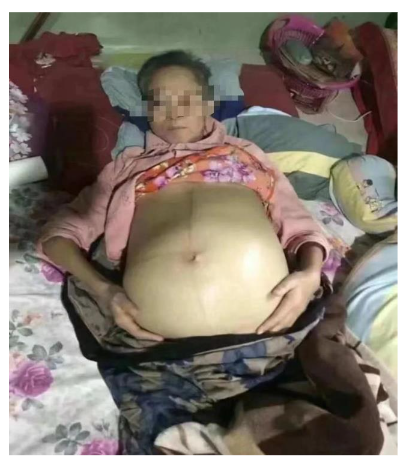
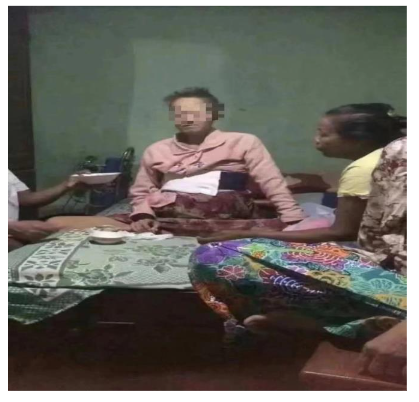
The patient had liver disease, cirrhosis, hepatitis and hepatomegaly; he was severely rehydrated; he was unable to eat; he was on the verge of death. The photo above. The photo below shows that one week after stem cell treatment, there was no liver, ascites, or hepatitis; she was able to eat and her life was saved.
The following three cases are the results before and after stem cell treatment: The case is shown in Figure 1. Li Jinxiang is 66 years old. The symptoms of the disease are uremia, high sarcoplasmic acidity, high blood pressure and two and a half years of kidney dialysis. Figure 2 shows that after the stem cell treatment, no dialysis was required, and the creatinine index returned to normal. The blood pressure was normal, and there was no uremia. A life was saved.
Treatment methods for liver disease include: 1. Maintain a balanced diet, eat a lot of vegetables and fruits, and avoid foods with high fat content. 2. Follow your doctor’s advice and do regular exercise. 3. Get enough rest and do not work too hard. 4. Never take drugs without a doctor’s prescription, as many drugs can damage the liver. 5. Reduce alcohol consumption. 6. Inject hepatitis B vaccine to protect the liver from hepatitis B infection. 7. Avoid taking unnecessary drugs and over-the-counter medicines. 8. Maintain a balanced eating habit and avoid high-fat and high-cholesterol foods to reduce the chance of developing liver diseases (such as gallstones). But stem cell treatment is the fastest and most thorough treatment! The treatment of liver disease is based on stem cell therapy, which is the most important and main theme of the whole article.

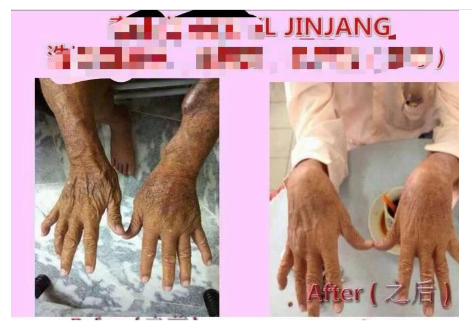
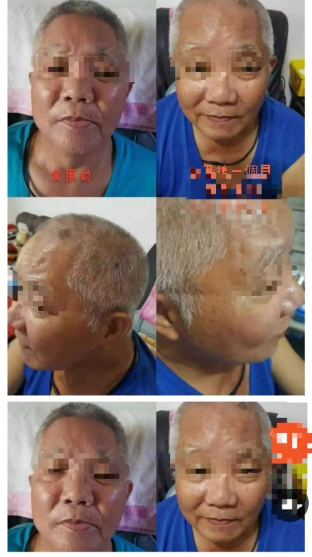
The second case is that Mr. Lin is 78 years old. Before stem cell treatment, he had enlarged prostate, didn’t like to go out, had a crooked mouth and drooled, and had high blood pressure and long-term use of high blood pressure medication. After one month of edible stem cell treatment, my mouth returned to normal, my blood pressure became normal, I no longer drooled, and my prostate enlargement disappeared. I now go out every day in a healthy manner and my work has returned to normal.
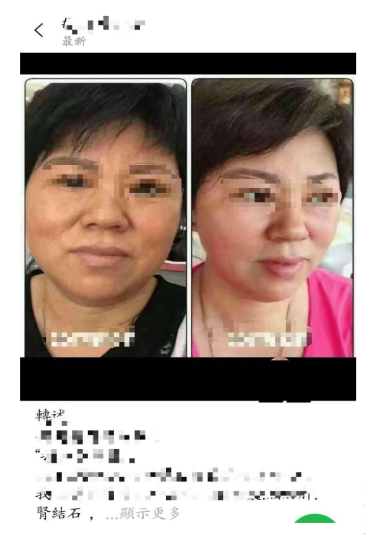
Case three is a young lady named Liu Airong who has uterine fibroids, hepatitis B, fatty liver and kidney stones. After 2 months of stem cell treatment, everything returned to normal; the fibroids disappeared, there was no hepatitis, no fatty liver, and the kidney stones also disappeared.


The stem cell treatment results studied in this laboratory can be divided into: treating diseases (mainly cancer, tumors and urine) and repairing tissues (including skin, soft tissue, joints, etc.). Many female patients suffering from cancer or uterine fibroids will go to research centers to use stem cell transplant (Stem cell transplant) technology. Currently, the application and research of stem cells to treat cancer and tumors and uremia are based on “hematopoietic stem cell” transplantation to treat diseases that affect bone marrow and blood. Mainly cancer. Peripheral blood is the main source of hematopoietic stem cells in adult bone marrow. It can differentiate into various blood cells such as red blood cells, white blood cells, and platelets. It can be especially used to assist in the treatment of hematological cancers that require blood cells (such as blood cancer). In the process of treating cancer with peripheral blood stem cells, doctors will first use traditional high-dose chemotherapy or radiotherapy to ensure that the cancer cells are killed. However, this will also kill the hematopoietic stem cells in the bone marrow. Therefore, after the treatment, they must be reinfused through the veins. Transplant healthy hematopoietic stem cells into the patient’s body, allowing the bone marrow to restore regenerative healthy cells. Stem cells have the ability to differentiate into new cells. After induction of differentiation, when the cells proliferate to a sufficient number, they can be transplanted to the area that needs treatment to achieve the effect of tissue repair. They are mostly used to treat degenerated joints, skin burns, etc.; The effect is very good; it is worthy of research, promotion and treatment.
5. DISCUSSION
The many therapeutic uses of stem cells rely on their properties of self-renewal and differentiation. For example, if you want to use stem cells to repair damaged nerves, you must first induce differentiation of the stem cells in vitro. But how to induce them or to what extent can they be injected into the patient? In addition, the mechanism of how injected stem cells repair tissues in the body also needs to be clarified. Another dilemma is that even if the differentiation method has been confirmed, the number of isolated stem cells is limited, and the number they can expand in vitro culture is limited. Therefore, how to expand the number of stem cells is still one of the goals worthy of breakthrough. The isolation and purification of stem cells after culture also require precise technology. For example, how to separate stem cells from tissues isolated from patients, and how to remove other components after stem cells are cultured in vitro, are all issues worthy of further study. In addition to the fact that pluripotent stem cells do not have aging problems, adult stem cells such as mesenchymal stem cells will also face the problem of aging and losing activity. This also requires me to further find a way to keep stem cells active to solve this problem. There are still many areas in stem cell cell therapy that are waiting for scientists and medical centers to develop, develop and utilize them. If we can understand these stem cells and use them perfectly and safely, stem cell therapy can cure many diseases that were difficult to cure in the past and provide another new treatment method for patients with intractable diseases that is worthy of development.
| Function | Bone marrow | Adipose | Umbilical cord | Extraembryonic | Pluripotent stem cell |
|---|---|---|---|---|---|
| Proliferation | Strong | Moderate | Strong | Strong | Strong |
| Osteogenesis | Strong | Moderate | Weak | Weak | Strong |
| Chondrogenesis | Strong | Moderate | Weak | Weak | Strong |
| Adipogenesis | Weak | Strong | Weak | Weak | Moderate |
Most of the experience accumulated in past research experiments in Taiwan and China was based on studies using MSCs from a single source. Only in recent years have some studies begun to directly compare the therapeutic effects of MSCs from different sources. We now understand that differences in MSC tissue specificity are evident in some aspects, for example, fetal-derived MSCs are more proliferative than adult-derived MSCs. The most important differentiation ability of MSCs is to differentiate into hard bone, cartilage and fat. In some comparative research papers, it was found that: 1. BMMSCs have the strongest osteogenic differentiation ability compared to MSCs derived from other tissues. 2. In terms of cartilage differentiation ability, BMMSCs and MSCs derived from fetal or pluripotent stem cells have good differentiation ability. 3. The adipogenic differentiation ability seems to be the lowest in fetal and extraembryonic MSCs, but this will decrease with aging. rise. As for the immunomodulatory function, most comparative studies have found that fetal-derived MSCs have stronger immunomodulatory properties than adult-derived MSCs, but the molecular mechanism has not yet been completely clarified. In addition, the factors (paracrine factors) secreted by MSCs can also produce differences in actual therapeutic effects depending on the tissue source. For example, Dr. Liao research team recently discovered that MSCs and BMMSCs derived from human placenta can therefore have different effects on neutrophils and B lymphocytes produce different effects. In recent years, with the development of analytical technologies, including new technologies such as transcriptome analysis, proteomic analysis, and secretome analysis, the tissue specificity of factors secreted by MSCs is beginning to be explored and elucidated. Since MSC therapy has clinical safety advantages over other types of stem cell therapy, more basic research is urgently needed to clarify the functional differences of MSCs from different sources before clinical treatment. These research results can also be immediately translated to clinical application to benefit patients. In addition, these research results also provide quality assessment/quality control (QA/QC) indicators to help the manufacturing side of MSCs and promote easier standardization and application of products. It is worth clarifying that research on stem cells in unrelated tissues and organs is the future trend.
5. Conclusions
Stem cell therapy turns crisis into opportunity – its cell therapy uses allogeneic cell raw materials to seek new opportunities; in order to overcome the problem of autologous cell transplantation, “allogeneic cell therapy” technology is one of the hot spots in the future development of cell therapy. The difference between the two methods is that immune cells are obtained from healthy donors, and the quality of modified immune cells is more stable. It may be one of the focuses of future cell therapy development and is expected to achieve the goals of process standardization and product mass production. Reduce time and money costs. Making cell therapy more effective and longer-lasting is a new challenge facing the medical industry. In the past, it was in the field of oncology. Allogeneic cell therapy could one day be widely available to all cancer patients. I have a patient-centered optimism. “Regulations and medical technology are actually constantly improving in the process of interaction.” Inclusion in medical insurance or government funding is the last hurdle for the promotion of new treatments, but I believe that with the accumulation of evidence of clinical efficacy and control of production costs, the government will eventually include it in public coverage. Medical insurance allows more patients in need to apply for this innovative treatment. In addition to the rapid advancement of regulations, the importance of cultivating rich artificial intelligence talents for the control of laboratories and instrument rooms, a strong academic foundation, and first-class medical research centers are also important advantages for China’s stem cell development. This is also the main reason why the first author chose Shanghai, China as a stem cell therapy research center. Adopting the concept of “integrated Chinese and Western medicine”, the concept of “patient-centered” and the valuable experience of conducting anti-cancer stem cell research in the past, we are committed to the development of allogeneic cell therapy and treatment, strict AI laboratory control, and clinical AI assistance Medical quality control, in the future, when hepatitis, cirrhosis, liver ascites, aging, and cancer patients are in critical condition, they can receive treatment like general clinics and advanced drugs. Let patients extend their lives, popularize regenerative medicine of stem cell therapy around the world, and help more patients with cancer or liver disease and anti-aging who need treatment. A new generation of leaders is refocusing on the landmark need for stem cell treatments. In fact, it is the pulse of the times and the positive needs.
References
1. Shih-Yin Chen, Meng-chieh Lin, Jia-Shiuan Tsai, Pei-Lin He, Wen-Ting Luo, Ing-Ming Chiu, Harvey R. Herschman, Hua-Jung Li. Exosomal 2’,3’-CNP from mesenchymal stem cells promotes hippocampus CA1 neurogenesis /neuritogenesis and contributes to rescue of cognition/ learning deficiencies of damaged brain. STEM CELLS Transl Med. 2020; 9:499–517.
2. Ancans, J. Cell therapy medicinal product regulatory framework in Europe and its application for MSC-based therapy development. Front. Immunol. 3, 253 (2012).
3. Ming‐Song Tsai, Jia‐Ling Lee, Yu‐Jen Chang, Shiaw‐Min Hwang. Isolation of human multipotent mesenchymal stem cells from second-trimester amniotic fluid using a novel two stage culture protocol. Human Reproduction 2004; 19:1450–1456.
4. Rhian Stavely, Kulmira Nurgali. The emerging antioxidant paradigm of mesenchymal stem cell therapy. STEM CELLS Transl Med. 2020;9:985–1006.
5. Shih-Yin Chen, Meng-Chieh Lin, Jia-Shiuan Tsai, Pei-Lin He, Wen-Ting Luo, Harvey Herschman, Hua-Jung Li. EP4 Antagonist-Elicited Extracellular Vesicles from Mesenchymal Stem Cells Rescue Cognition/Learning Deficiencies by Restoring Brain Cellular Functions. STEM CELLS Transl Med. 2019;8:707–723.
6. Takov, K., He, Z., Johnston, H.E. et al. Small extracellular vesicles secreted from human amniotic fluid mesenchymal stromal cells possess cardioprotective and promigratory potential. Basic Res Cardiol 2020;115,26.
7. Y. Zhu, J. Li, Z. Pang, Recent insights for the emerging COVID-19: drug discovery, therapeutic options and vaccine development, Asian journal of pharmaceutical sciences (2020).
8. Vanessa Castelli, Ivana Antonucci, Michele d’Angelo, Alessandra Tessitore, Veronica Zelli, Elisabetta Benedetti, Claudio Ferri, Giovambattista Desideri, Cesar Borlongan, Liborio Stuppia, Annamaria Cimini. Neuroprotective effects of human amniotic fluid stem cells-derived secretome in an ischemia/reperfusion model. STEM CELLS Transl Med. 2021;10:251–266.
9. Goncalves, S.; Gaivao, I., Natural Ingredients Common in the Tras-os-Montes Region (Portugal) for Use in the Cosmetic Industry: A Review about Chemical Composition and Antigenotoxic Properties. Molecules 2021, 26 (17), 5255-5277.
10. Mohd-Setapar, S. H.; John, C. P.; Mohd-Nasir, H.; Azim, M. M.; Ahmad, A.; Alshammari, M. B., Application of Nanotechnology Incorporated with Natural Ingredients in Natural Cosmetics. Cosmetics 2022, 9 (6), 110.
11. Guan, Y. L.; Yang, Y. J.; Nagarajan, P.; Ge, Y. J., Transcriptional and signalling regulation of skin epithelial stem cells in homeostasis, wounds and cancer. Exp. Dermatol. 2021, 30 (4), 529-545. https://doi.org/10.1007/s00395-020-0785-3
12. Chansaenroj A., Yodmuang S., and Ferreira J. N., Trends in aalivary gland tissue engineering: from stem cells to secretome and organoid bioprinting, Tissue Engineering Part B: Reviews. (2021) 27,no.2, 155–165 https://doi.org/10.1089/ten.teb.2020.0149.
13. Liu, Y; Chen, X; R. Shen; X. Wang; X.S. Zheng; K. Zhao; Q.J. Chen; F. Deng; L.L. Liu, B. Yan, F.X. Zhan, Y.Y. Wang, G.F. Xiao, Z.L. Shi, A pneumonia outbreak associated with a new coronavirus of probable bat origin, Nature 579(7798) (2020) 270-273.
14. Mellman, I., Coukos, G. & Dranoff, G. Cancer immunotherapy comes of age. Nature 480, 480–489 (2011).
15. Ma S., Jiang Y., Qian Y., Du J., Yu X., Luo S., and Chen Z., The emerging biological functions of exosomes from dental tissue-derived mesenchymal stem cells, Cellular Reprogramming. (2023) 25, no. 2,53–64.
16. Lan Y., Liu F., Chang L., Liu L., Zhang Y., Yi M., Cai Y., Feng J., Han Z., Han Z., and Zhu X., Combination of umbilical cord mesenchymal stem cells and standard immunosuppressive regimen for pediatric patients with severe aplastic anemia, BMC Pediatrics. (2021) 21, no. 1.
17. You X., Yang Q., Yan K., Wang S.-R., Huang R.-R., Wang S.-Q., Gao C.-Y., Li L., and Lian Z.-X., Multi-omics profiling identifies pathways associated with CD8+ T-cell activation in severe aplastic anemia, Frontiers in Genetics. (2022) 12.
18. Wang Y., Keshavarz M., Barhouse P., and Smith Q., Strategies for regenerative vascular tissue engineering, Advanced Biology. (2023) 7, no. 5, 2200050.