

Sustainable Nutritional Strategies for Micronutrient Deficiency
The Sustainable Development Goals are Unattainable without a Change of Nutritional Strategy
Adrian Dubock1
- Member & Executive Secretary, Golden Rice Humanitarian Board, Switzerland
ORCID: 0000-0001-9429-8423
OPEN ACCESS
PUBLISHED: 31 October 2024
CITATION: Dubock, A., 2024. The Sustainable Development Goals are Unattainable without a Change of Nutritional Strategy. Medical Research Archives, [online] 12(8). https://doi.org/10.18103/mra.v12i10.5818
COPYRIGHT © 2024 European Society of Medicine. This is an open-access article distributed under the terms of the Creative Commons Attribution License, which permits unrestricted use, distribution, and reproduction in any medium, provided the original author and source are credited.
DOI https://doi.org/10.18103/mra.v12i10.5818
ISSN 2375-1924
ABSTRACT
For decades, vitamin A supplementation and chemical fortification have been used to reduce micronutrient malnutrition, a key part of the UN’s Sustainable Development Goal 2: “Zero Hunger” by 2030. Despite these efforts, 50% of pre-school children and 66% of women of reproductive age globally remain malnourished, with nearly 900 million children vitamin A deficient. Micronutrient deficiency, especially in Low-and-Middle-Income countries, impedes individual and population productivity. However, neither supplementation nor chemical fortification is sustainable or addresses the root causes of micronutrient deficiencies, as both require continuous external funding. The Global Alliance for Improved Nutrition’s (GAIN’s) focus on Large-Scale-Food-Fortification with chemicals, while helpful, remains insufficient and unsustainable. In 2009, Prof. Al Sommer emphasized the need for sustainable solutions, with biofortification, including Golden Rice, offering promising alternatives. The World Bank recommended biofortified crops, including specifically GMO-crops like Golden Rice, in 2017 as a sustainable option. Recurrent costs are minimal once seeds are available. Golden Rice, now available in Bangladesh, requires only one local policy decision for implementation, setting a precedent for other crops. The Philippine Government has adopted Golden Rice since 2021 to improve public health. However, Greenpeace has opposed it globally for decades, and in 2022, they challenged the Government’s efforts. On August 15, 2024, the Philippines Appeal Court upheld Greenpeace’s complaint, halting Golden Rice adoption. Golden Rice has only been developed in Bangladesh and the Philippines. There is an urgent need to counteract Greenpeace’s malign influence and expand the countries where Golden Rice and eventually all biofortified crops can be deployed as a sustainable public health intervention.
Keywords
SDG, Golden Rice, biofortification, LSFF, Greenpeace, GAIN
Introduction
For decades, global commitments to address micronutrient deficiency malnutrition, supported by the UN, have failed. Chemical interventions, while effective, are unsustainable, too costly, and often don’t reach the neediest. These methods don’t address the root causes – lack of dietary variety and poverty. Biofortified crops offer a sustainable solution, but adverse publicity around Golden Rice has delayed its adoption and negatively impacted public acceptance of other biofortified crops. Blocking Golden Rice development also risks hindering the introduction of “super” biofortified versions of rice with up to five micronutrients at no additional cost compared to white rice, to governments, growers, or consumers. These can only be developed using genetic engineering. Golden Rice, designed principally for communities that grow, mill, and consume their own rice, provides beta-carotene (a vitamin A source) and has a distinctive gold colour, eliminating the need for packaging or labelling. Without embracing biofortified crops, especially Golden Rice, Sustainable Development Goal 2 cannot be achieved.
Micronutrient Deficiency Alleviation
Since the UN first addressed vitamin A deficiency in 1958 it has consistently emphasized the economic and welfare importance of overcoming all micronutrient deficiencies. Specific UN meetings on this issue were held in 1990, 1992, 2000, 2004 and 2021 – The Nutrition for Growth Year of Action. The Millennium Development Goals (MDGs) of 2000, another UN initiative, aimed to reduce poverty and hunger by 50% between 1990 and 2015 as the first goal of eight. All 189 countries of the world signed the commitment. When it became clear that not all MDGs would be met, the UN introduced the Sustainable Development Goals (SDGs) for 2015–2030, incorporating input from the private sector and other stakeholders and adopted by all United Nations Member States in 2015. The SDGs feature 17 goals and 169 targets, including “Zero Poverty” (Goal 1) and “Zero Hunger” (Goal 2). The expert panel found that reaching the SDG global targets by 2030 return more than $15 of good for every dollar spent benefitting people, planet and prosperity. “Hunger” includes two aspects: chronic hunger, characterized by insufficient macronutrients (carbohydrates, proteins, fats), leading to stunted growth, weakened immunity, and higher disease risk. The other aspect is hidden hunger, a deficiency in micronutrients—vitamins and minerals—required in small amounts but essential for health. The most critical deficiencies are vitamin A, iron, and zinc. Vitamin A is found naturally in animal products, no plants contain vitamin A. β-carotene is contained in all green and coloured plants parts. The human body converts β-carotene to vitamin A, with excess β-carotene excreted, so overdosing with vitamin A sourced from plants is not possible. Plants take up zinc and iron from the soil. Sources of dietary iron and zinc include cereals and meat, with zinc needing frequent consumption as it cannot be stored by the human body. Folate, found in green plants (or as synthetic folic acid), is crucial for neural tube formation extremely early in pregnancy. A deficiency in folate during early pregnancy can lead to spina bifida and other neural tube defects. A global map of micronutrient deficiencies shows significant overlap among different deficiencies, particularly in low- and middle-income countries.
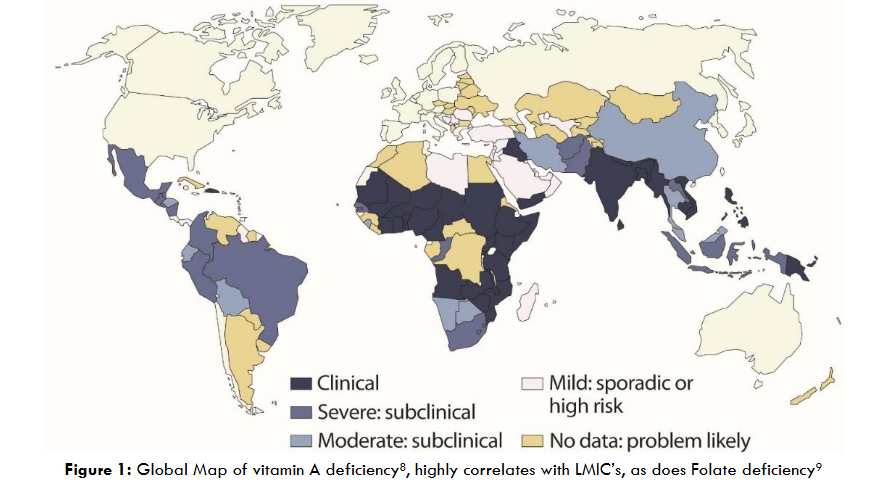
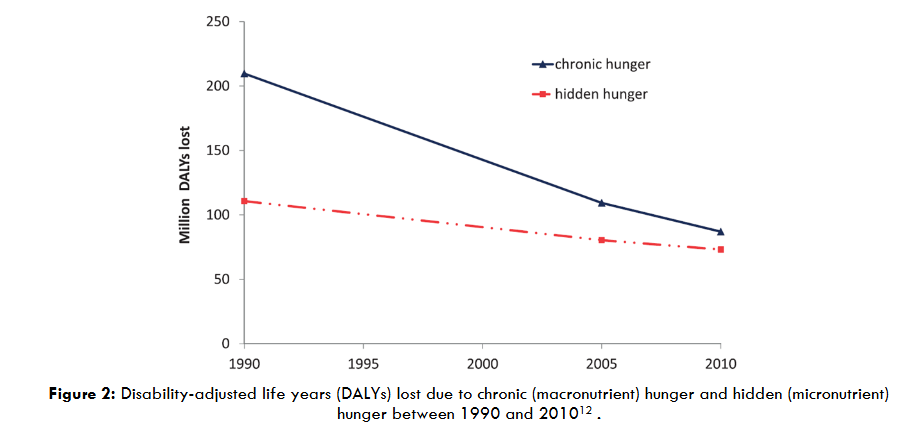
Poverty and limited dietary variety are the primary causes of micronutrient deficiencies. Animal products, often more expensive than plant-based foods, are inaccessible to many, and the variety of available plant foods is frequently limited for the poor. For half the world, rice is the staple crop, and for some, it is their only food, providing mostly carbohydrates. Even when plant-based foods are available, the bioavailability of micronutrients poses challenges. It is nearly impossible for a child to consume enough green leaves to meet vitamin A needs, as the bioconversion of β-carotene is inefficient. Similarly, the bioavailability of β-carotene from carrots is low. Recognizing the challenge of achieving the “Zero Hunger” SDG by 2030, the World Health Assembly adopted a 2023 resolution to accelerate efforts to prevent micronutrient deficiencies through safe and effective food fortification, under the United Nations Decade of Action on Nutrition (2016-2025) report. The World Health Assembly’s 2023 resolution is focused more on private sector interests, “Large scale food fortification (LSFF) is part of the solution“, rather than on preventing chronic hunger or addressing both simultaneously, as SDG Goal 2 aims to do. Nonetheless, this focus on micronutrient deficiency alleviation (henceforward, including in headings, ‘MDA’) is justified. Between 1990 and 2010, chronic hunger declined faster than hidden hunger. Currently, the impact of hidden hunger likely affects more people than chronic hunger.
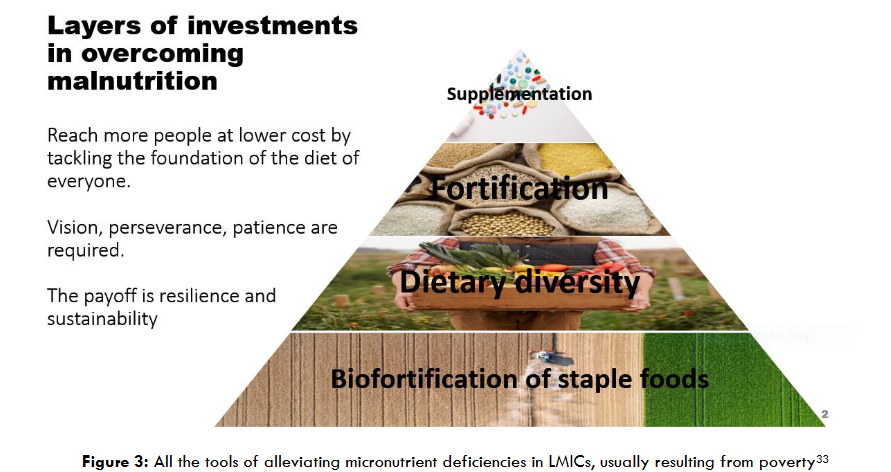
Using Chemicals for MDA Vitamin A deficiency (VAD) was initially recognised as a cause of various eyesight problems, varying from poor sight in reduced light (‘night-blindness’) to total blindness. In the early 1980s Prof. Sommer and co-workers realised that even mild-VAD in children was associated with mortality. In closing the second Micronutrient Initiative Meeting in Beijing in 2009, Prof. Summer reflected on the progress made in the shared journey to control micronutrient deficiency since the first International Vitamin A Consultative Group (IVACG) meeting approximately 35 years earlier (in about 1974). IVACG, the earliest progenitor of the Micronutrient Forum, played a crucial role in bringing attention to this issue. ‘By 1992, ministers of health had the means to prevent up to a million child deaths and cases of blindness annually through a single intervention: vitamin A capsules to improve vitamin A status’. Prof. Summer also noted that, previously, Vitamin A Deficiency (VAD) was primarily associated with pediatric blindness, leading to minimal interest from health ministers. Their limited resources were largely committed to child survival strategies, such as ‘GOBI’ (Growth Monitoring, Oral Rehydration, Breastfeeding, and Immunization). Prof. Summer remarked, “It was not as if the world was ignorant about micronutrients—iodine and iron had long been on the agenda. But the world just didn’t care … nutritional scientists and policymakers were caught in a time-warp orthodoxy”. Despite the UN intention to address micronutrient deficiency, over the past 66 years, one amply funded UN agency, responsible for child health, UNICEF, is still caught in “a time-warp orthodoxy” principally concentrating on ‘GOBI’. In UNICEF’s 2023 report there is no mention of biofortification or fortification and multiple mentions of the other ‘GOBI’ words. Fortunately, in recent years two organisations have taken a lead in addressing micronutrient deficiencies in LMICs, the Global Alliance for Improved Nutrition, (GAIN, a Swiss registered Foundation including private sector members selling micronutrient chemical premixes), including prominently, the Micronutrient Forum. Methods to combat micronutrient deficiencies include education and the promotion of home gardens as a source of dietary variety, as well as breast feeding, important – only if the mother is not micronutrient deficient – to deliver micronutrients to babies who are the most vulnerable to deficiencies. Additionally, micronutrient supplements, such as vitamin A capsules have been employed for about 35 years, and for about 20 years, fortification of staple foods at the processing stage, by adding chemical micronutrient premixes to staple food as they are processed for sale. In the past two decades, biofortified crops with micronutrients have been developed and, in some cases, deployed. While they hold great potential, they have yet to significantly impact micronutrient deficiencies. Despite current efforts and interventions, micronutrient deficiencies, particularly in LMICs, remain a significant problem, indicating that more effective solutions are still needed. “We estimate that over half of preschool‐aged children and two‐thirds of non‐pregnant women of reproductive age worldwide have micronutrient deficiencies”. With respect to vitamin A deficiency, the situation is even bleaker, especially as VAD is very rare outside LMICs: “In 2019, 890,000,000 children suffered from VAD in Low- and Middle-Income Countries, including 333,950,000 with severe VAD.” “Approximately one‐third of children under the age of 5 have VAD, contributing to approximately 2% of deaths in this age group.” “Countries like Nigeria, Zambia and Malaysia have more that 80% coverage of VAS [vitamin A supplementation] programs, yet with relatively high VAD prevalence, suggesting the need for a more encompassing response.” More than half of the global population consumes inadequate levels of several micronutrients essential to health, and men are more likely than women to consume inadequate levels of vitamin A. All three studies report challenges of inadequate data, but all are nevertheless able to draw stark conclusions. In light of these publications GAIN and the Micronutrient Forum acknowledge the ongoing deficit in addressing micronutrient deficiencies. Given that private sector suppliers of chemical micronutrient premixes are GAIN members, and industrial fortification has only been in use for a few decades, it is understandable that GAIN focuses on fortifying staple foods with these premixes: “Unfortunately, a large unfinished agenda on food fortification remains.” …” Re-doubling efforts to improve food fortification programs has enormous potential to combat hidden hunger worldwide. “LSFF [Large Scale Food Fortification] is a public health intervention implemented by the private sector”. GAIN recognises that LSFF works best as part of a package of complementary interventions, including biofortification, micronutrient supplementation and improving the affordability, availability, and desirability of micronutrient dense foods. However, the practical focus of “the large unfinished agenda” is on increasing the use of chemical micronutrient premixes to fortify staple foods in industrial processes. The private sector naturally supports this recognition of its role. Industrial food fortification with micronutrient chemicals has already reduced, and will continue to reduce, micronutrient deficiencies.
Opportunities and challenges of chemical use for MDA.
GAIN, motivated by the availability of chemical premixes for industrial fortification of food, has partnered with in-country networks to reduce micronutrient deficiencies. GAIN have organized video-enabled webinars to facilitate learning and experience-sharing among these groups, with great potential to assist in addressing micronutrient deficiencies. (Food fortification with chemical premixes, industrial fortification, Large Scale Food Fortification (‘LSFF’) all refer to the same system of enhancing the micronutrient content of staple foods at the industrial processing stage, before sale through markets to consumers). Two GAIN webinars included discussions with local experts on industrial fortification in several LMICs, including Senegal, Peru, Ethiopia, Uganda, Nigeria, and Bangladesh, the latter featuring twice due to its significant micronutrient malnutrition challenges. Key concerns centred on the sustainability of industrial fortification programs, such as securing foreign exchange for importing micronutrient premixes, the affordability of biofortified foods for the poorest, and the risk of these foods being seen as “premium brands.” Discussions also stressed the need for legislative support to ‘level the playing field’ for fortified foods, often impeded by uninformed political leadership, which can also impact ongoing funding and foreign exchange availability. Sustainability of chemical fortification programmes is a recognised concern of public health academics. Industrial fortification, like nutritional supplements, does not address the root causes of micronutrient deficiencies, making the strategy unsustainable without ongoing funding. The poorest in LMICs, who most need micronutrients, cannot afford industrially fortified foods, requiring governments or aid agencies to cover the costs annually. Another issue is that much of the food consumed by the poorest in LMICs is locally grown, minimally processed, and consumed near its origin, making industrial fortification largely inaccessible to these groups. For instance, “70% of Ugandans rely on small-scale mills,” and rice is often processed, and consumed by the same communities which grow it. As a webinar moderator, Shawn Baker of HKI, noted on July 16 2024 “LSFF is complementary to, not in competition with, other interventions… The poorest face the most difficulty in accessing essential nutrients, and if they cannot, we have failed in our mandate to serve those most at risk.”
COST ISSUES OF CHEMICAL USE FOR MDA
Vitamin A supplementation has been used for over 35 years to reduce child mortality and combat VAD in LMICs. Annually, an estimated 500 million vitamin A capsules (VAC) are distributed at an average cost of $1.00 per capsule. Labour counts for 70% of costs and the capsules 5%. Over the past twenty years 10 billion VAC, at an approximate cost of US$10-15 billion, have been distributed to preschool children reducing preschool mortality by 12% and reducing new occurrences of diarrhoea and measles. Most funding for VACs comes from the international aid budgets of the USA and Canada, but donor fatigue is a concern. VACs do not address the root causes of VAD, and the cost of ongoing programs is unsustainable. A 2021 GAIN webinar provided crucial data on the costs of industrial fortification of rice in Bangladesh. Annually, Bangladesh spends between USD 24 million and USD 47 million (a 5–6% increase in rice cost) to chemically fortify 1 million metric tons of rice, representing 4% of the country’s production, with at least vitamin A and zinc. This fortified rice feeds about 7% of the population. The Bangladesh Department of Women’s Affairs aims to “make fortified rice available to all.” In 2020, Bangladesh’s rice harvest totalled 25 million metric tons. Neither the Bangladesh government nor foreign donors can afford the estimated USD 600 million to USD 1.175 billion needed annually to chemically fortify rice for the entire population, a strategy that wouldn’t address the root causes of vitamin A and zinc deficiencies. Even if chemically fortified food could reach those consuming community grown and milled rice, nationwide industrial fortification is unaffordable, unachievable, and unsustainable.
Biofortification – A sustainable paradigm for MDA
Vitamin A supplementation and industrial fortification of staple foods effectively reduce micronutrient deficiencies in LMICs, but they are not the only solutions. Biofortified crops offer distinct advantages in terms of cost and sustainability compared to supplementation and industrial fortification. In 2017, the World Bank recommended biofortified crops: “Since food comprises a larger proportion of expenditure among low-income consumers… Ensuring that biofortified cereals are the norm, where available and agronomically competitive, is crucial. Biofortification increases the nutritional value of crops as they grow, using either traditional breeding techniques (non-transgenic), like those developed by Harvest Plus with CGIAR centres, or genetic modification, such as the Golden Rice developed by the International Rice Research Institute.”
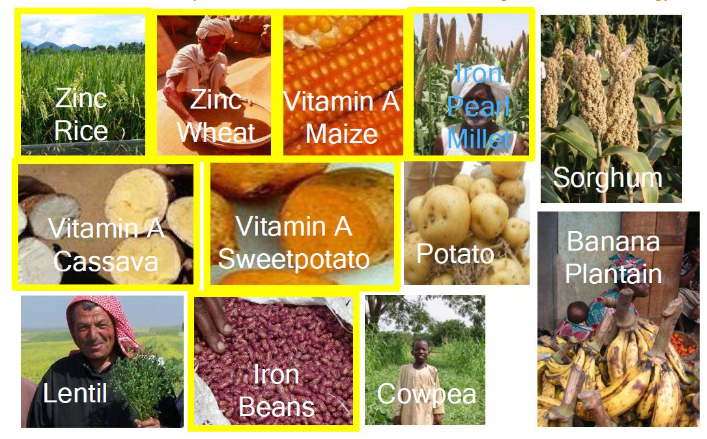
BIOFORTIFICATION OF MULTIPLE CROPS BY HARVEST PLUS In 2003, Joachim von Braun, the Head of the International Food Policy Institute, (IFPRI) in Washington DC, together with (initially) CIAT in Bogota, Columbia, (both are members of CGIAR) created Harvest Plus to breed staple crops with higher-than-normal levels of micronutrients in the edible parts of the plants. Harvest Plus has been very successful, by 2021 biofortified crops had been released in 40 countries and were being tested for release in more than 20 other countries. Harvest Plus relies on biofortified crops being sold at a premium to generate initial interest from growers, until biofortified seed dominates a market area. Most biofortified crops introduced by Harvest Plus are visually indistinguishable from non-biofortified varieties creating challenges in justifying higher prices for seeds or harvested crops. The system will function most effectively if all crops in a specific geographic area are mandated to be biofortified to a defined level by law, a process that will take education and time. Biofortified crops, like chemically fortified staple crops, depend on market dynamics and face similar quality control issues. Smallholder growers in local communities, who grow and consume their own produce, may initially be unreachable.
BIOFORTIFICATION OF RICE – GOLDEN RICE FOR PRO-VITAMIN A
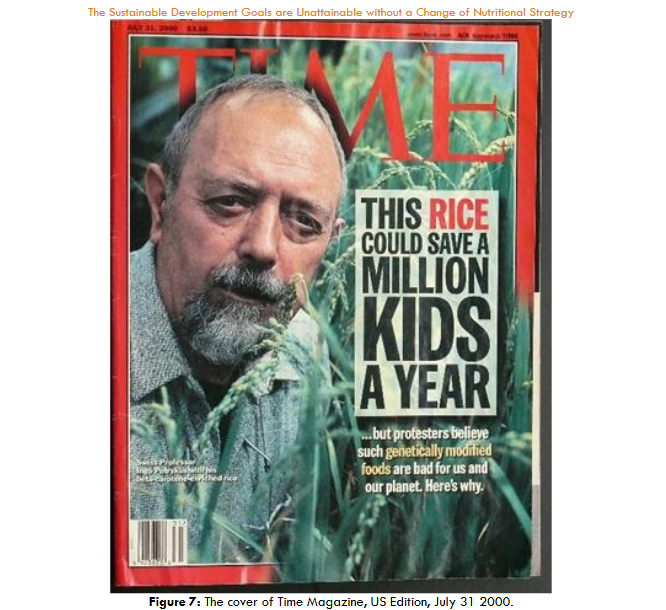
Research on Golden Rice began in the early 1990s, with Proof-of-Concept published in 2000 and significant improvements, the basis of all Golden Rice varieties developed in the Philippines and Bangladesh today published in 2005. Golden Rice contains beta-carotene (also known as β-carotene, and pro-vitamin A) which is a safe source of vitamin A for humans. Golden Rice, the first biofortified crop, broke from the ~8000-year tradition of crop breeding focused solely on macronutrient yield. The creation of golden rice also stimulated the launch of Harvest Plus in 2003. Golden Rice was designed as a public good, providing pro-vitamin A (β-carotene) at no additional cost to governments, growers, or consumers compared to white rice. It was ensured that Golden Rice could not be combined with proprietary traits to maintain its cost parity with white rice. The seed must breed true, and smallholder growers have full rights to save, replant or sell seed and grain, and consume it. All these terms are included in licenses signed by Ingo Potrykus and 15 national rice research institutes and the International Rice Research Institute (IRRI). IRRI and the Indian Department of Biotechnology have the right to grant sublicences. Profs Potrykus and Beyer retain the right to grant Golden Rice licenses, including the right to sublicense. Golden Rice is identical to white rice, except its endosperm contains β-carotene, giving it a golden colour. β-carotene is naturally found in all green leaves of rice plants and other green or coloured plant parts, like yellow maize.
Genetic engineering was essential to create Golden Rice. Golden Rice was designed primarily for local community growth and consumption, with demand driven by its nutritional benefits at no additional cost compared to white rice. This approach contrasts with industrially fortified crops and non-genetically engineered biofortified crops, both of which rely on markets and market access. Experience from the Philippine Rice Research Institute’s adoption efforts between 2021 and April 2024 (when halted by a court decision) showed strong acceptance by both growers and consumers.
SUPER-BIOFORTIFIED GOLDEN RICE IS BEING DEVELOPED
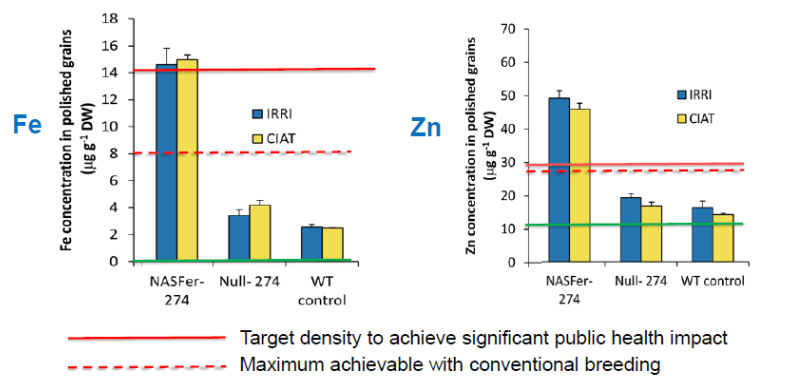
Harvest Plus could not achieve targeted levels of iron and zinc in rice without using genetic engineering. In 2022, IRRI announced that transgenic rice lines with high densities of provitamin A (= β-Carotene), iron, and zinc were grown alongside conventionally bred varieties, with plans to seek regulatory approval in the Philippines, similar to the approval granted for Golden Rice in 2021. Folate and Vitamin B have also been expressed in rice using genetic engineering. While conventional breeding to combine transgenic nutritional traits may be challenging, genetic engineering appears promising for simultaneously incorporating several traits. However, the complexities and related costs of current GMO-crop regulatory requirements suggest that conventional breeding might be faster and cheaper unless GMO-crop regulation is dramatically modernised. Significant changes in GMO-crop regulatory regimes are needed to reflect experience and make substantial progress. All these micronutrients have been introduced to rice using genetic engineering. Whatever strategy is used all can be combined in a golden coloured, super-biofortified Golden Rice. This can be introduced at no cost, compared to white rice, to governments, growers, millers and consumers in local community settings often characteristic of the most nutritionally deprived in LMIC’s. (For all minerals, including iron (Fe) and zinc (Zn), all biofortified varieties of crops depend on the minerals in the soil, or foliar or other applications of the minerals as fertilizer. Plants do not synthesise minerals! Harvest Plus’s genetically engineered high zinc lines have higher levels of zinc than the ‘high zinc rice lines’ already released by Harvest Plus in Bangladesh.
Greenpeace opposition to GMO crops, and actions against Golden Rice
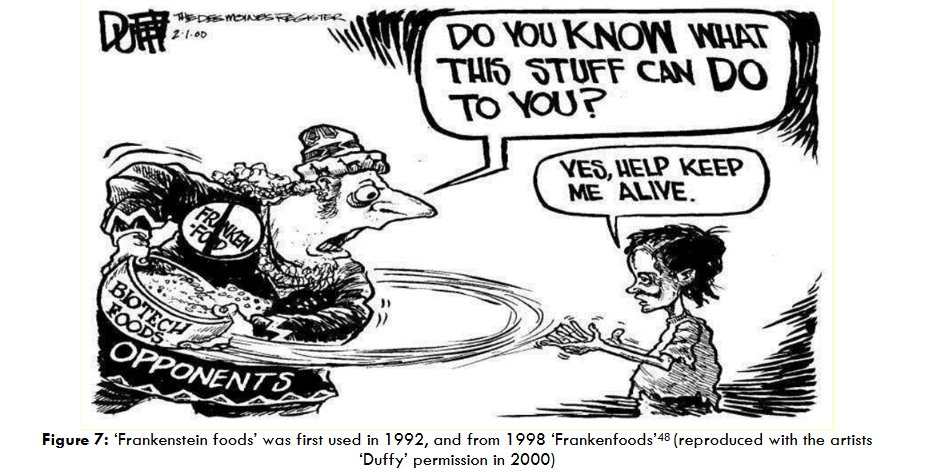
The term “Frankenstein foods” was first used in a New York Times letter on June 16, 1992. The British newspaper The Daily Mail later popularized the phrase “Frankenfoods”, first in 1998 to describe GMO-crops. Greenpeace has consistently opposed GMO crops, initially citing reasons such as “acting like God,” control by multinational companies, intellectual property dominance, loss of farmer choice, fear of globalization, loss of national food sovereignty, creation of new dependencies, and a romantic preference for low-intensity agriculture. Greenpeace is reputed to find its anti-GMO stance beneficial for fundraising. When confronted on specific points, Greenpeace often shifts the argument. Their anti-GMO position has been further amplified by the organic food industry, which benefits from rejecting modern, safe technology that increases crop productivity while using less land. In 2005, Benedict Haerlin, Greenpeace’s anti-GMO campaign lead, publicly suggested that the humanitarian nature of Golden Rice warranted an exception. Two days later, Greenpeace publicly disavowed this suggestion. In 2012, Jens Katzek, former lead anti-GMO campaigner for Friends of the Earth, reported that his colleagues, staunchly opposed to GMOs, believed, “If we lose the Golden Rice battle, we lose the GMO war”. When his colleagues refused to spare Golden Rice from criticism, Katzek honourably resigned. Golden Rice, developed as a public good for LMICs at no greater cost than white rice and as a GMO crop, poses an existential threat to the credibility of Greenpeace’s anti-GMO arguments, and related donations. Shortly after its publication in Science and on the cover of Time magazine (July 31, 2000), Greenpeace began vilifying Golden Rice, calling it “intentional deception” in a 2001 press release. Since then, Greenpeace and other activists have stoked suspicion of Golden Rice and GMOs for over two decades.
In 2012, shortly after the publication of promising results on the efficient bioconversion of β-carotene in Golden Rice to vitamin A in Chinese children, Greenpeace labelled the research unethical, leading to its retraction in 2015, indicating Greenpeace’s influence on GMO prejudice in U.S. academia. In August 2013, Greenpeace destroyed Golden Rice field trials in the Philippines, prompting 11 senior scientists to condemn the act in a Science editorial. In 2016, Nobel Laureate Sir Richard Roberts penned an open letter urging the UN, world governments, and Greenpeace to end the vilification of Golden Rice and GMOs: “Opposition based on emotion and dogma contradicted by data must be stopped.” To date the letter has been signed by 171 Nobel Laureates and more than 13000 citizens and scientists. Other signatories are encouraged. In August 2024, the Philippine Appeal Court ruled in favour of Greenpeace for the second time in a lawsuit filed in 2022, claiming that Golden Rice threatens Filipinos’ legal right to a balanced ecology due to alleged environmental risks.
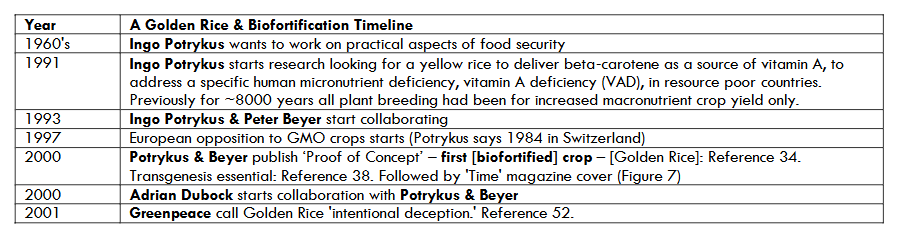
Year A Golden Rice & Biofortification Timeline
1960’s Ingo Potrykus wants to work on practical aspects of food security 1991 Ingo Potrykus starts research looking for a yellow rice to deliver beta‐carotene as a source of vitamin A, to address a specific human micronutrient deficiency, vitamin A deficiency (VAD), in resource poor countries. Previously for ~8000 years all plant breeding had been for increased macronutrient crop yield only. 1993 Ingo Potrykus & Peter Beyer start collaborating 1997 European opposition to GMO crops starts (Potrykus says 1984 in Switzerland) 2000 Potrykus & Beyer publish ‘Proof of Concept’ – first [biofortified] crop – [Golden Rice]: Reference 34. Transgenesis essential: Reference 38. Followed by ‘Time’ magazine cover. 2000 Adrian Dubock starts collaboration with Potrykus & Beyer 2001 Greenpeace call Golden Rice ‘intentional deception.’ Reference 52.
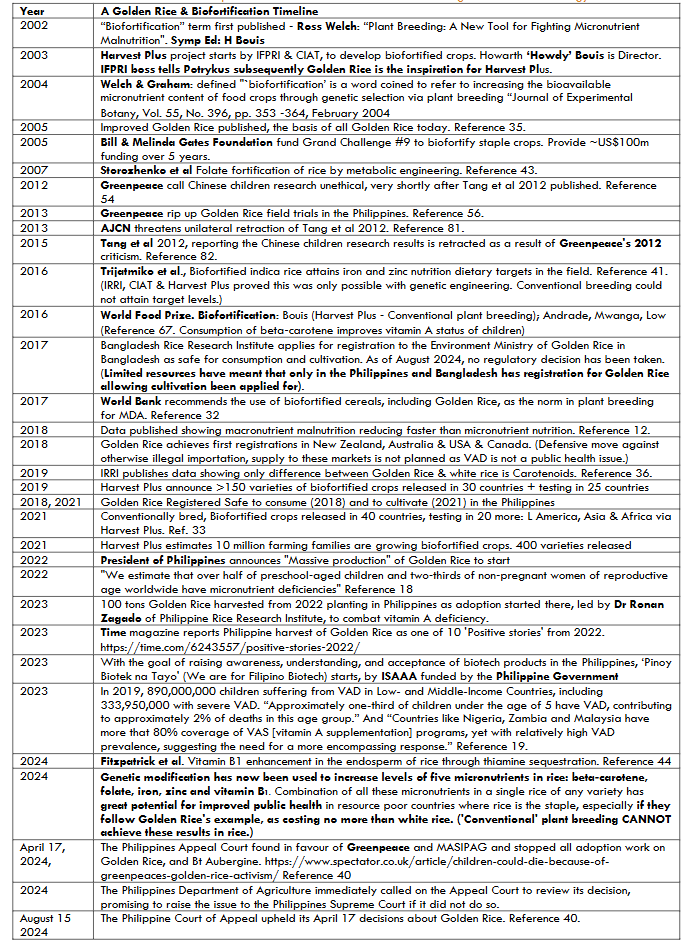
2002 “Biofortification” term first published ‐ Ross Welch: “Plant Breeding: A New Tool for Fighting Micronutrient Malnutrition”. Symp Ed: H Bouis 2003 Harvest Plus project starts by IFPRI & CIAT, to develop biofortified crops. Howarth ‘Howdy’ Bouis is Director. IFPRI boss tells Potrykus subsequently Golden Rice is the inspiration for Harvest Plus. 2004 Welch & Graham: defined “`biofortification’ is a word coined to refer to increasing the bioavailable micronutrient content of food crops through genetic selection via plant breeding “Journal of Experimental Botany, Vol. 55, No. 396, pp. 353 ‐364, February 2004 2005 Improved Golden Rice published, the basis of all Golden Rice today. Reference 35. 2005 Bill & Melinda Gates Foundation fund Grand Challenge #9 to biofortify staple crops. Provide ~US$100m funding over 5 years. 2007 Storozhenko et al Folate fortification of rice by metabolic engineering. Reference 43. 2012 Greenpeace call Chinese children research unethical, very shortly after Tang et al 2012 published. Reference 54 2013 Greenpeace rip up Golden Rice field trials in the Philippines. Reference 56 2013 AJCN threatens unilateral retraction of Tang et al 2012. Reference 81 2015 Tang et al 2012, reporting the Chinese children research results is retracted as a result of Greenpeace’s 2012 criticism. Reference 82 2016 Trijatmiko et al., Biofortified indica rice attains iron and zinc nutrition dietary targets in the field. Reference 41. (IRRI, CIAT & Harvest Plus proved this was only possible with genetic engineering. Conventional breeding could not attain target levels.) 2016 World Food Prize. Biofortification: Bouis (Harvest Plus ‐ Conventional plant breeding); Andrade, Mwanga, Low (Reference 67. Consumption of beta‐carotene improves vitamin A status of children) 2017 Bangladesh Rice Research Institute applies for registration to the Environment Ministry of Golden Rice in Bangladesh as safe for consumption and cultivation. As of August 2024, no regulatory decision has been taken. (Limited resources have meant that only in the Philippines and Bangladesh has registration for Golden Rice allowing cultivation been applied for). 2017 World Bank recommends the use of biofortified cereals, including Golden Rice, as the norm in plant breeding for MDA. Reference 32 2018 Data published showing macronutrient malnutrition reducing faster than micronutrient nutrition. Reference 12 2018 Golden Rice achieves first registrations in New Zealand, Australia & USA & Canada. (Defensive move against otherwise illegal importation, supply to these markets is not planned as VAD is not a public health issue.) 2019 IRRI publishes data showing only difference between Golden Rice & white rice is Carotenoids. Reference 36 2019 Harvest Plus announce >150 varieties of biofortified crops released in 30 countries + testing in 25 countries 2018, 2021 Golden Rice Registered Safe to consume (2018) and to cultivate (2021) in the Philippines 2021 Conventionally bred, Biofortified crops released in 40 countries, testing in 20 more: L America, Asia & Africa via Harvest Plus. Ref. 33 2021 Harvest Plus estimates 10 million farming families are growing biofortified crops. 400 varieties released 2022 President of Philippines announces “Massive production” of Golden Rice to start 2022 “We estimate that over half of preschool‐aged children and two‐thirds of non‐pregnant women of reproductive age worldwide have micronutrient deficiencies” Reference 18 2023 100 tons Golden Rice harvested from 2022 planting in Philippines as adoption started there, led by Dr Ronan Zagado of Philippine Rice Research Institute, to combat vitamin A deficiency. 2023 Time magazine reports Philippine harvest of Golden Rice as one of 10 ‘Positive stories’ from 2022. https://time.com/6243557/positive‐stories‐2022/ 2023 With the goal of raising awareness, understanding, and acceptance of biotech products in the Philippines, ‘Pinoy Biotek na Tayo’ (We are for Filipino Biotech) starts, by ISAAA funded by the Philippine Government 2023 In 2019, 890,000,000 children suffering from VAD in Low- and Middle-Income Countries, including 333,950,000 with severe VAD. “Approximately one-third of children under the age of 5 have VAD, contributing to approximately 2% of deaths in this age group.” And “Countries like Nigeria, Zambia and Malaysia have more that 80% coverage of VAS [vitamin A supplementation] programs, yet with relatively high VAD prevalence, suggesting the need for a more encompassing response.” Reference 19 2024 Fitzpatrick et al. Vitamin B1 enhancement in the endosperm of rice through thiamine sequestration. Reference 44 2024 Genetic modification has now been used to increase levels of five micronutrients in rice: beta‐carotene, folate, iron, zinc and vitamin B1. Combination of all these micronutrients in a single rice of any variety has great potential for improved public health in resource poor countries where rice is the staple, especially if they follow Golden Rice’s example, as costing no more than white rice. (‘Conventional’ plant breeding CANNOT achieve these results in rice.) April 17, 2024, The Philippines Appeal Court found in favour of Greenpeace and MASIPAG and stopped all adoption work on Golden Rice, and Bt Aubergine. https://www.spectator.co.uk/article/children-could-die-because-of-greenpeaces-golden-rice-activism/ Reference 40 2024 The Philippines Department of Agriculture immediately called on the Appeal Court to review its decision, promising to raise the issue to the Philippines Supreme Court if it did not do so. August 15 2024 The Philippine Court of Appeal upheld its April 17 decisions about Golden Rice.
In 2012, shortly after the publication of promising results on the efficient bioconversion of β-carotene in Golden Rice to vitamin A in Chinese children⁵³ Greenpeace labelled the research unethical⁵⁴, leading to its retraction in 2015, indicating Greenpeace’s influence on GMO prejudice in U.S. academia⁵⁵.
In August 2013, Greenpeace destroyed Golden Rice field trials in the Philippines, prompting 11 senior scientists to condemn the act in a Science editorial⁵⁶.
In 2016, Nobel Laureate Sir Richard Roberts penned an open letter urging the UN, world governments, and Greenpeace to end the vilification of Golden Rice and GMOs: “Opposition based on emotion and dogma contradicted by data must be stopped.” ⁵⁷. To date the letter has been signed by 171 Nobel Laureates and more than 13000 citizens and scientists. Other signatories are encouraged⁵⁷.
In August 2024, the Philippine Appeal Court ruled in favour of Greenpeace for the second time in a lawsuit filed in 2022, claiming that Golden Rice threatens Filipinos’ legal right to a balanced ecology due to alleged environmental risks⁴⁰.
Figure 8 is a timeline for Golden Rice and crop biofortification with some key dates and events from the 1960s to 2024.
Greenpeace opposition to GMO crops and Golden Rice (‘The – Greenpeace – Emperor has no clothes’)
Initially, Greenpeace influenced many NGOs to adopt their anti-GMO stance. However, over time, most civil society organizations recognized the flaws in Greenpeace’s arguments against Golden Rice and GMOs, leaving Greenpeace largely isolated in this pursuit.
REBUTTAL OF COMMON GREENPEACE ASSERTIONS ABOUT GOLDEN RICE:
- The Golden Rice project began as a public sector initiative and remains so. After Proof of Concept, private sector support was engaged but ended in 2004. The Golden Rice Humanitarian Board has held the rights for its humanitarian use since 2000, and solely owned the Golden Rice seeds and lines, technology, rights and research for more than two decades, since 2004. The private sector has no rights to the Golden Rice regulatory data package and no role in project management.
- Golden Rice is not a multinational “trojan horse” for GMO crop acceptance in LMICs. The GMO crop market grew over 16% annually in the first decade of commercialization, and by 2011, 16.9 million farmers in 29 countries were cultivating genetically engineered crops like maize, soy, and cotton. A recent study predicts a 10.20% growth in the global transgenic seeds market, from USD 30.62 billion in 2023 to USD 80.91 billion by 2033, with Asia Pacific expected to grow the fastest.
- Genetic modification was employed once only – two decades ago in 2004 – in creating Golden Rice, all Golden Rice varieties incorporate one transformation event GR2E. For the last two decades, only sexual reproduction between rice plants has been employed to produce Golden Rice varieties.
- The only difference between white rice and Golden Rice is the presence of β-carotene in the endosperm—the edible part, which the human body uses as a source of vitamin A. β-carotene, is found in all green and coloured plant parts, including rice leaves. Golden Rice can present no environmental hazard.
- In a 25 May 2024 article regarding the Appeal Court decision of 17 April, Wilhelmina Pelegrina, head of Greenpeace Philippines, stated: “There are specific problems with Golden Rice. Farmers who joined us in this case, along with local scientists, grow high-value rice varieties they’ve cultivated for generations. They fear that mixing their organic or heirloom varieties with genetically engineered rice could jeopardize their certifications, reduce market appeal, and threaten their livelihoods.” Gurdev Khush, eminent rice breeder, responded to Greenpeace’s concerns: “The Philippines’ population was 30 million in the 1960s, and farmers grew low-yielding heirloom rice varieties. Now, with a population of 120 million, farmers have shifted to high-yielding varieties, producing 3-4 times more rice. Heirloom varieties are no longer planted, and the Philippine Department of Agriculture has no certification program for them. Organic rice is any variety grown without fertilizers and pesticides. There’s no danger of contamination, and importantly, Golden Rice has no patent, allowing farmers to grow it without extra fees.”
REBUTTAL OF COMMON GREENPEACE ASSERTIONS ABOUT GMO-CROPS.
- The European Commission, at the heart of the most politically and ideologically opposed to GMO-crops area globally, wrote in 2010: “The main conclusion to be drawn from the efforts of more than 130 research projects covering a period of more than 25 years of research and involving more than 500 independent research groups, is that biotechnology, and in particular GMOs, are not per se more risky than, for example, conventional plant breeding technologies.”
- No human or environmental harm has ever resulted from GMO crops, as confirmed by 171 Nobel Laureates and 13,631 scientists and citizens since 2016.
- The economic benefits of GMO crops are substantial for farmers. In developing countries, the average return for farmers was $4.41 for each extra dollar invested in GM seed, and $3.24 for farmers in developed countries.
- Random genetic mutation has been standard for crop breeding since the 1940’s with mutations induced with chemicals or irradiation. There has been no attempt to measure or quantify the extent of the mutations induced into the crop genomes. Plant breeders have routinely selected useful phenotypes for the next round of plant breeding. The experience of lack of harm to humans and the environment for the past sixty years should provide comfort to those who are concerned that it is too early to know the effect of much more minor genome changes induced by genetic engineering in GMO-crops.
- Genetic modification occurs naturally, there are many examples in the published literature. The most commonly used method of genetic transformation, producing GMO-crops, and the method using in the creation of Golden Rice, is to harness the natural properties of a common bacterium Agrobacterium tumefaciens to transfer genes via its genome into the genome of other species, where those genes thrive. Coincidentally, orange fleshed sweet potato was the first crop where a connection was proven between β-carotene consumption and increased circulating vitamin A in children in Rural Mozambique. Cultivated sweet potatoes contain DNA transferred from Agrobacterium in evolutionary times. The data suggests that traits associated with the Agrobacterium DNA were selected for during domestication of the crop. Other examples of horizontal gene flow include from a plant to an animal, between bacteria and animals by Lepidoptera from their baculovirus parasites, from Agrobacterium to various plants, and from a plant to an insect.
Greenpeace arguments lack any foundation in scientific and economic facts. Nevertheless, Greenpeace has been extremely successful in fostering global suspicion around GMO crops and Golden Rice to the detriment of public health.
ELEVEN EXAMPLES OF PROCLIVITY TO GREENPEACE’S MALIGN INFLUENCE ABOUT GMO-GOLDEN RICE.
- The whole, hugely costly, unwieldy and unnecessary, regulatory system for GMO crops is based on the ‘precautionary principle’ espoused by the Cartagena Protocol to the Convention on Biological Diversity. A spokesman for Greenpeace crowed that “we won almost all the points we were pushing for” in the development of the Cartagena Protocol.
- Harvest Plus initially avoided GMO biofortification approaches to prevent fundraising conflicts. This decision, made two decades ago, was likely correct. However, Greenpeace’s campaign against Golden Rice as a GMO has unfairly tainted Harvest Plus’s biofortification work. It’s now crucial to challenge the idea that some biofortification methods should be ignored. Harvest Plus acknowledges that genetic engineering is a necessary tool, especially for rice.
- In 2016, the author was invited (and expenses paid for) by the World Health Organisation (WHO) to a Technical Consultation meeting in New York on “Staple Crops Biofortified with vitamin A and Minerals: Consideration for a Public Health Strategy”. There was little interest in Golden Rice, and such a WHO strategy including biofortification does not exist.
- In 2018, the WHO’s 62-page “Guideline: Fortification of Rice with Vitamins and Minerals as a Public Health Strategy” makes no mention of biofortification or Golden Rice, despite nearly two decades of development by that time, and despite the 2016 meeting in New York.
- In an 85-minute webinar on July 16, 2024, hosted by GAIN, the word “biofortification” was mentioned only once by the HKI moderator and not discussed including by any of the other nine presenters.
- In Micronutrient Forum’s 27-page 2021 report, “biofortification” was mentioned once, with no discussion of the concept nor Golden Rice, despite its development as a public good for VAD relief over two decades.
- The Bangladesh Rice Research Institute applied for regulatory clearance of Golden Rice in November 2017. The Environment Ministry has not taken a related decision in the seven years since.
- Greenpeace influenced Tufts University and the American Journal of Clinical Nutrition (AJCN) to retract Tang et al., 2012, in 2015. Both institutions, especially AJCN, a key publication of the American Society for Nutrition (ASN), should uphold scientific integrity.
- Dr. Tang, during her 27-year career, published 75 papers, 62% in AJCN and JN, (both ASN) journals, with 52% involving China. Five studies involved Chinese children, and three of these were published by AJCN. NIH in 2009 publicly confirmed that Tang et al 2012 was properly conducted.
- Greenpeace’s criticism disparaged the excellent results of “genetically engineered (GE) Golden Rice” which concluded that “The β-carotene in Golden rice is as effective as pure β-carotene in oil and better than that in spinach at providing vitamin A to children. A bowl of ~100 to 150 g cooked Golden Rice (50 g dry weight) can provide ~60% of the Chinese Recommended Nutrient Intake of vitamin A for 6–8-y-old children.” Greenpeace’s criticism was undoubtably because these results undermined Greenpeace’s anti-GMO-crop campaign.
Greenpeace and AJCN criticised none of Dr Tang’s other studies. It is highly likely that the GMO-nature of Golden Rice, emphasised by Greenpeace, caused AJCN’s 2013 judgement that the conduct of this research, alone of all her studies, was unethical, leading to the Tang et al 2012 retraction in 2015. This retraction, solely driven by Greenpeace’s accusations, effectively removed Tang et al., 2012, from influencing nutritional science, despite its significant findings crucial to achieving SDG Goal 2. Tang et al 2012 is not cited in the few papers discussing biofortification as a direct result of AJCN’s erroneous retraction decision and leading to the “global and detrimental consequences for vitamin A deficiency alleviation” in the title of this authors 2024 paper.
A GAIN webinar on June 10, 2021, titled “Fortifying our Impact – Industrial Fortification and Biofortification as Complementary Interventions,” emphasized the complementary roles of biofortification and industrial fortification. Objective 1 of the meeting was” Broaden decision maker support for and prioritization of industrial fortification and biofortification as no regrets, game changing interventions in the lead up to the UN Food Systems Summit and the Nutrition for Growth (N4G) Summit”. However, when biofortified crops were mentioned, participants asked, “Are they GMOs?” This question highlights the ongoing suspicion surrounding Golden Rice, fuelled by Greenpeace, which also hampers the acceptance of Harvest Plus’s GMO-free biofortified crops.
To try to avoid the concerns which have been raised about GMO-crops, Gene Editing, a newer form of genetic engineering, has been promoted by some. A growing number of countries, including Bangladesh, are allowing gene edited crops to be introduced with much less, or no, regulatory oversight. One of the reasons is that no current analytical technique exists to separate gene edited crops from random mutations induced by chemicals or irradiation in routine use since the 1940’s for crop breeding, as described above. However, it is too early to know if there will be significant intellectual property hurdles to overcome with using gene editing, and anyway with current levels of genetic knowledge, gene editing is useful for deletion of function, but not for, as in the creation of Golden Rice, gaining biological function. Gene editing technology has been used to precisely locate foreign genes in a genome but of course the resulting crop is still ‘transgenic’ and a GMO. The Philippine Court decisions of April 17 and August 15, 2024, upheld Greenpeace’s claims that Golden Rice poses an ecological risk. The legal debate remains unresolved.
Fortunately, IRRI, PhilRice, and Danforth, recognizing the huge significance of Tang et al., 2012, disregarded Greenpeace’s accusations and the retraction, concluding: “Provitamin A concentrations in milled [Golden Rice] can contribute up to 89-113% and 57-99% of the estimated vitamin A requirement for preschool children in Bangladesh and the Philippines, respectively.”
The importance of Biofortification for Sustainable MDA
GAIN continues to promote education, dietary diversity, supplements, and chemical fortification, despite studies showing these methods alone are insufficient to control micronutrient malnutrition at a population scale, particularly in LMICs. GAIN recognises “the vital and complementary roles of biofortification and industrial fortification to ensure more nutritious and inclusive food systems. These two interventions use the most widely consumed and affordable food staples to increase micronutrient consumption. Together, these interventions are essential to the global effort to equitably improve diets for all.” “Large-scale food fortification against VAD could protect nearly three million children annually with just a 0.5% reduction in VAD prevalence within a year,”… “an effect that would likely increase with program maturity and improved coverage and reach.” These authors were discussing chemical fortification. The same principle applies to any combination of biofortified staple crops and chemical fortification of food staples. However, Greenpeace-led opposition to GMOs including Golden Rice has “tainted,” Harvest Plus generated biofortified crops despite most being GMO-free. Additionally, Harvest Plus’s biofortified crops are not visibly distinct from non-biofortified varieties which poses ‘level-playing-field’ constraints on their introduction, (similar to chemically fortified foods) and probably requires packaging of seeds and markets to sell them, unless legal compulsions are introduced into seed markets, which will take time. GAIN is now doubling down on Industrial food fortification through “Large Scale Food Fortification.” While this will alleviate some micronutrient deficiencies, it is not sustainable and will miss many of the most vulnerable who don’t buy food at markets. Industrial fortification and supplementation and biofortified crops are effective only where they reach and are consumed by people. As Albert Einstein observed, repeating the same actions while expecting different results is an unwise approach.
The importance of Golden Rice for Sustainable MDA
Biofortification is a sustainable, costless addition to the micronutrient alleviation toolbox: for achieving the SDG Goal – Zero Hunger. GAIN, like many others, has been intimidated by Greenpeace into overlooking Golden Rice, a visually distinct biofortified crop, with good acceptance. It requires no packaging, and is designed to be grown, milled and consumed by individual communities, independent of markets. Golden Rice is a potential game-changer in regions where rice is the staple crop, like Southeast Asia, the Indian subcontinent, and sub-Saharan Africa. Fifteen years ago, when he commented about “nutritional scientists and policy makers being caught in a time-warp orthodoxy” Prof. Sommer asked: “Oh yes, what about those natural dietary solutions that had proved so problematic?” …”Traditional plant breeding has provided a range of crops with elevated β-carotene and greater bioavailability.”….”What if the staple is rice?” …. “Golden Rice is golden, not white, but now traditional populations have the inexpensive, culturally appropriate food they need to correct their nutritional deficiencies.” Golden Rice has been approved as safe for feed and/or food use in five countries: The Philippines, Australia, Canada, New Zealand and the USA. Due to limited public sector resources, regulatory applications have been made to cultivate and consume Golden Rice in only two countries: Bangladesh, where VAD is common and progress to adoption is stalled, and the Philippines, where the VAD issue is also common but less severe, and Greenpeace’s legal success has also stalled progress to adoption.
GOLDEN RICE IN BANGLADESH
There were an estimated 8826 VAD-related deaths of Bangladesh children in 2019 (the year before the Covid pandemic), despite supplementation and food fortification with chemicals. Golden Rice is available NOW in Bangladesh, awaiting only one regulatory decision for cultivation and consumption. The Bangladesh Rice Research Institute (BRRI) submitted its application for Golden Rice cultivation and food use in November 2017. However, the National Committee on Biosafety (NCB), under the Ministry of Environment, Forest, and Climate Change has met infrequently, and the lack of an operational regulatory system remains a significant barrier. Two other GMO crops, Bt-Aubergine and Bt-Cotton were approved for cultivation in Bangladesh in 2014 and 2023, respectively, by the same committee. There is no scientific reason for the delay in Golden Rice approval, possibly influenced by competition from chemical premix sales. Harvest Plus’s high-zinc rice is already available in Bangladesh. BRRI could easily crossbreed this zinc rice with Golden Rice to provide both vitamin A and zinc at no greater cost than white rice. The golden colour would distinguish the combination from white rice and zinc-only biofortified rice.
GOLDEN RICE IN THE PHILIPPINES
There were an estimated 5886 VAD-related deaths of Philippine children in 2019 (the year before the Covid pandemic), despite supplementation and food fortification with chemicals. The Philippines, home to the Philippine Rice Research Institute and IRRI, approved Golden Rice for consumption in 2019 and for cultivation in 2021. The ongoing legal case in the Philippines underscores the vulnerability of biofortified crops’ efforts in assisting achieving SDG micronutrient deficiency targets through biofortified rice. If the Philippines Appeal Courts’ decisions are not overturned, the opportunity to use Golden Rice to alleviate micronutrient deficiencies in poor rice-consuming societies may be lost forever. A significant research trial, (long anticipated and previously pending regulatory clearance) designed to start in 2024 and assess the impact of repeat Golden Rice consumption on community vitamin A deficiency indicators, is already at risk. Multi-biofortified Golden Rice, only possible by employing genetic engineering, is already in development by IRRI. Without Golden Rice, the development of genetically engineered crops with high folate, iron, zinc, and vitamin B1—whether individually or combined with β-carotene—may stall due to funding challenges and expected opposition from Greenpeace and their supporters.
Strategic Steps to Embrace Biofortification for MDA
To sustainably alleviate micronutrient deficiencies, biofortification (both conventional and GMO) must be embraced as a vital tool. The following steps can help achieve this:
- Recognize that Greenpeace’s opposition to GMO crops is an attack on public health, not an agricultural issue. It is crucial for the medical, nutritional, and development community to recognise and actively oppose the attacks. Agriculture is simply the delivery mechanism for biofortified foods.
- Apply sustained pressure on the National Committee on Biosafety of Bangladesh to approve Golden Rice. BRRI has maintained seed stocks of various Golden Rice varieties and developed an adoption plan. Although efforts shifted to the Philippines due to regulatory delays, the plan and seed stocks should enable a quick restart once regulatory approval is granted.
- Counter Misinformation: address and dispel myths about biofortified crops. Avoid differentiating between production methods for biofortified crops. Using “GMO” terms reinforces Greenpeace-led suspicion. If needed, use “genetically engineered”, or “metabolically engineered”.
- Utilize existing LSFF national/international networks to educate members, local decision-makers, and the public about biofortified crops. The network should advocate for their cost-effective use alongside industrial fortification and supplementation while addressing GMO-crop suspicion fuelled by Greenpeace’s efforts.
- Harvest Plus should propose necessary micronutrient concentrations in each biofortified non-rice crop (likely already developed) and promote them to local legislators through LSFF national/international networks as legally mandated level per crop per country before market introduction. Efforts should focus on enacting country-wide legislation, in line with the World Bank’s 2017 recommendation, that all crop breeding should include biofortification.
- Support IRRI in expanding Golden Rice deployment, particularly in LMICs in sub-Saharan Africa and Southeast Asia where rice is the staple and VAD endemic. Use LSFF local/international networks to help IRRI find Rice Research Stations to collaborate with IRRI, BRRI, and PhilRice to introduce Golden Rice into local rice varieties. Involve the CGIAR network where possible, plant breeding capability is sufficient. Planting materials and resources available to assist in the task are detailed in a one page appendix.
- People can organise themselves to contribute to Golden Rice’s adoption for growth and consumption in their own country. These methods require strong encouragement from micronutrient deficiency leaders like Micronutrient Forum and GAIN, and are necessary to achieve the MDA part of SDG 2.
- Simplify Regulations: advocate for simplifying or abolishing GMO-crop regulations to facilitate the adoption of genetically engineered biofortified crops for public health.
Undoubtedly, the delay in deploying Golden Rice has caused unnecessary human suffering and lost lives, mostly of young children and mothers. The cause of the delay is significantly the current GMO-crop regulatory constraints which are strongly criticized in a series of papers authored, more than a decade ago by Ingo Potrykus, the “father of Golden Rice,” now in his 90th year.
Conclusion
“Over the years, partly under the guidance of the United Nations, various stop-gap efforts have been instituted to try to slow the scourge, including distributing vitamin A supplements and trying to educate desperately poor villagers about diet changes. They’ve all failed…. There is one, and only one, solution that could work on a global scale: vitamin A-enhanced rice, known as Golden Rice. The only thing blocking this global treatment is a coalition of advocacy groups, led by Greenpeace International, that has intimidated the public and manipulated some regulators and courts into believing that obstructing the genetic engineering revolution is a more important cause than preserving the lives of vulnerable children.”
To sustainably address micronutrient deficiencies, biofortified staple crops must be embraced as a vital tool. Golden Rice, with its distinct colour, designed for community cultivation and consumption, can be made available more quickly than colourless Harvest Plus biofortified crops, which require legislative support for market normalization. Golden Rice is ready for cultivation and consumption in Bangladesh, pending one regulatory decision, and its adoption should continue in the Philippines while expanding to more countries. Super-biofortified Golden Rice varieties are already in development, including Super-3 (with β-carotene, iron, and zinc) and Super-5 (adding folate and vitamin B1) is possible. It would be a significant setback for public health in LMICs if these Golden Rice developments were halted. The colour of Golden Rice simplifies distribution, as it eliminates the need for packaging or labelling. Since 1958, efforts to alleviate micronutrient deficiencies have largely failed. A strategic shift towards embracing Golden Rice, and then all biofortified crops, is essential for achieving Sustainable Development Goal 2. This pivot should be included in the upcoming Scaling Up Nutrition meeting in November 2024 and the Nutrition for Growth Summit in March 2025. “Science is easy – implementation is tough!”
Conflicts of Interest.
The Author has no conflict of interest to declare.
Funding Statement
No funding for the work was received. The author is an unpaid volunteer, without grants.
References
- Paetkau V., Brilliance & Confusion: Saving children’s vision & lives with vitamin A. 2017. ISBN 978-0-9810523-2-8
- Dubock AC. Biofortified Golden Rice: an additional intervention for vitamin A deficiency. Sasaki T, ed. Achiev Sustain Cultiv rice Vol 1 Breed High Qual. Published online 2017:201-220. doi:10.19103/as.2016.0003.32
- Dubock A. Golden Rice: To Combat Vitamin A Deficiency for Public Health. In: Queiroz ZL, de Rosso VV, Eduardo J-L, eds. Vitamin A. IntechOpen; 2019:1-21. doi:10.5772/intechopen.84445
- 2021 Global Nutrition Report: The state of global nutrition. Bristol, UK: Development Initiatives https://www.un.org/nutrition/sites/www.un.org.nutrition/files/global_nutrition_report_2021.pdf
- UN. Millennium Development Goals 1990 – 2015. The Millennium Development Goals https://www.ndi.org/sites/default/files/Handout%20%207%20%20Millennium%20Development%20Goals.pdf
- UN. Department of Economic and Social Affairs. The Sustainable Development Goals .2015-2030 https://sdgs.un.org/goals
- Kydland F, Schelling T, Stokey N, Smart Development Goals. 2015;501(c):1-3. www.copenhagenconsensus.com
- WHO. Global prevalence of vitamin A deficiency in populations at risk 1995-2005. WHO Global Database on Vitamin A Deficiency. Geneva, World Health Organisation, 2009.
- Blancquaert D, De Steur H, Gellynck X and Van Der Straeten D, Present and future of folate biofortification of crop plants. Journal of Experimental Botany, Vol. 65, No. 4, pp. 895–906, 2014 doi:10.1093/jxb/ert483
- Semba R D, The vitamin A story: Lifting the shadow of death. World Review of Nutrition and Dietetics; v 104 0084-2230. Series Editor: B Koletzko. 2012;104:1-207. isbn.978-3-318-02188-2
- WHO. World Health Assembly Resolution to accelerate food micronutrient fortification: (May 2023): https://www.who.int/news/item/29-05-2023-new-wha-resolution-to-accelerate-efforts-on-food-micronutrient-fortification
- Gödecke T, Stein A J, Qaim M. The global burden of chronic and hidden hunger: Trends and determinants. Glob Food Sec. 2018;17:21-29. doi:10.1016/j.gfs.2018.03.004
- Sommer A, Hussaini G, Tarwotjo I, and Susanto D. Increased mortality in children with mild vitamin a deficiency. Lancet. 1983;322(8350):585-588. doi:10.1016/S0140-6736(83)90677-3
- Sommer A, Leaving the Chrysalis Behind. Chairman’s concluding remarks, 2nd Micronutrient Forum, Beijing, May 15, 2009. Sight and Life Magazine 2009, 2:34-36 https://www.goldenrice.org/PDFs/ASommer_MF2009.pdf
- United Nations Children’s Fund, The State of the World’s Children 2023: For every child, vaccination, 1 -226. UNICEF Innocenti – Global Office of Research and Foresight, Florence, April 2023. http://www.unicef.org/state-worlds-children-2023
- The Global Alliance for Improved Nutrition (GAIN). https://www.gainhealth.org/
- The Micronutrient Forum, https://micronutrientforum.org/about-us/our-partners/
- Stevens G A, Beal T, Mbuya M, et al. Micronutrient deficiencies among preschool-aged children and women of reproductive age worldwide: a pooled analysis of individual-level data from population-representative surveys. Lancet Glob Heal. 2022;10(11):e1590-e1599. doi:10.1016/S2214-109X(22)00367-9
- Song P, Davies A, Li S, et al. The prevalence of vitamin A deficiency and its public health significance in children in low-and middle-income countries: A systematic review and modelling analysis. J Glob Heal. 2023;13(04084). doi:10.7189/jogh.13.04084
- Passarelli S, Free C M, Shepon A, Beal T, Batis C, and Golden C D. Global estimation of dietary micronutrient inadequacies: a modeling analysis. The Lancet Global Health, August 29, 2024, doi:10.1016/S2214-109X(24)00276-6
- GAIN. Global Food Fortification Advocacy Toolkit https://www.gainhealth.org/campaigns/fortifying-nutrition
- GAIN Webinar https://www.gainhealth.org/events/rice-fortification-key-opportunity-reach-more-people-fortified-food September 18 2021
- GAIN Webinar July 16 2024. 85 minutes, Fortifying Nations: Forging New Alliances for Food Fortification: https://youtu.be/2Pc2i8OvhhU
- Keats E C, Neufeld L M, Garrett G S, Mbuya M N, Bhutta Z A. Improved micronutrient status and health outcomes in low- and middle-income countries following large-scale fortification: evidence from a systematic review and meta-analysis. Am J Clin Nutr. 2019;109(6):1696-1708. doi:10.1093/ajcn/nqz023
- Neidecker-Gonzales O, Nestel P, Bouis H. Estimating the global costs of vitamin A capsule supplementation: A review of the literature. Food Nutr Bull. 2007;28(3):307-316. doi:10.1177/156482650702800307
- Van Der Straeten D, Bhullar NK, De Steur H, et al. Multiplying the efficiency and impact of biofortification through metabolic engineering. Nat Commun. 2020;11(1):1200. doi:10.1038/s41467-020-19020-4
- Imdad A, Mayo-Wilson E, Haykal MR, et al. Vitamin A supplementation for preventing morbidity and mortality in children from six months to five years of age. Cochrane Database Syst Rev. 2022;2022(3). doi:10.1002/14651858.CD008524.pub4
- GAIN Webinar: Rice fortification – a key opportunity to reach more people with fortified food. September 2 2021 https://www.gainhealth.org/events/rice-fortification-key-opportunity-reach-more-people-fortified-food September 18 2021 a 2 hour recording is available: at https://youtu.be/pc03ERLrYMg
- Das RC. Status of Rice Fortification in Bangladesh. Published 2021. Accessed September 18, 2021. https://www.gainhealth.org/sites/default/files/event/documents/status-of-rice-fortification-in-bangladesh-ram-chandra-das.pdf
- Montgomery S. Rice fortification quality and cost. Published 2021. Accessed September 18, 2021. https://www.gainhealth.org/sites/default/files/event/documents/rice-fortification-quality-and-cost-scott-montgomery.pdf
- Dubock AC, Wesseler J, Russell RM, Chen C, and Zilberman D. Golden Rice, VAD, Covid and Public Health: Saving Lives and Money. In: Huang M, ed. Integrative Advances in Rice Research. Intech Open: Rijeka: Janeza Trdine 9, 51000 Rijeka, Croatia London: 5 Princes Gate Court, London, SW7 2QJ, UK; 2021:21. doi:10.5772/intechopen.101535
- World Bank Group. An Overview of Links Between Obesity and Food Systems Implications for The Food and Agriculture Global Practice Agenda. Food Agric Glob Pract. 2017;(June):48. http://documents.worldbank.org/curated/en/222101499437276873/pdf/117200-REVISED-WP-Obesity-Overview-Web-PUBLIC-002.pdf
- Bouis H. Linking Agriculture and Nutrition: An Overview of Biofortification and HarvestPlus. West African Biofortification Webinar. Published 2021. https://www.harvestplus.org/knowledge-market/in-the-news/video-webinar-biofortification-west-africa
- Ye X, Al-babili S, Kloti A, et al., Engineering the provitamin A beta-carotene biosynthetic pathway into (carotenoid-free) rice endosperm. Science. 2000 Jan 14;;287(5451):303-5. doi:10.1126/science.287.5451.303.
- Paine JA, Shipton CA, Chaggar S, et al. Improving the nutritional value of Golden Rice through increased pro-vitamin A content. Nat Biotechnol. 2005;23(4):482-487. doi:10.1038/nbt1082
- Swamy B P, Samia M, Boncodin R, et al. Compositional Analysis of Genetically Engineered GR2E “Golden Rice” in Comparison to That of Conventional Rice. J Agric Food Chem. 2019;67(28):7986-7994. doi:10.1021/acs.jafc.9b01524
- Swamy B P, Marundan S, Samia M, et al. Development and characterization of GR2E Golden rice introgression lines. Sci Rep. 2021;11(1). doi:10.1038/s41598-021-82001-0
- Potrykus I. Genetic Modification and the Public Good.(2013) European Review, 21, pp S68-S79 doi:10.1017/S1062798713000203 http://journals.cambridge.org/abstract_S1062798713000203
- Potrykus I. From the concept of totipotency to biofortified cereals. Annu Rev Plant Biol. 2015;66(November):1-22. doi:10.1146/annurev-arplant-043014-114734
- Dubock A. Golden Rice: some considerations for Philippine pending legal decisions and expected local and global implications. Medical Research Archives [online] (August 31 2024) https://doi.org/10.18103/mra.v12i8.5884
- Trijatmiko KR, Duenãs C, Tsakirpaloglou N, et al. Biofortified indica rice attains iron and zinc nutrition dietary targets in the field. Sci Rep. 2016;6 (September 2015):1-13. doi:10.1038/srep19792
- Bouis H, Slamet-Loedin I, Trijatmiko K R, et al. Multiplying the efficiency and impact of biofortification through metabolic engineering of rice for the Philippines. 22nd IUNS-International Congress of Nutrition. Submission No.:C001200. [Track 8] Agriculture, Food Science and Safety. Oral
- Storozhenko S, De Brouwer V, Volckaert M, et al. Folate fortification of rice by metabolic engineering. Nat Biotechnol. 2007;11(11):1277-1279. doi:10.1038/nbt1351
- Fitzpatrick T B, Dalvit I, Chang F H, et al. Vitamin B1 enhancement in the endosperm of rice through thiamine sequestration. Plant Biotechnol J. 2024;22(8):2330-2332. doi:10.1111/pbi.14348
- Wu T Y, Gruissem W, and Bhullar N K, Targeting intracellular transport combined with efficient uptake and storage significantly increases grain iron and zinc levels in rice. Plant Biotechnol. J. 2019, 17, 9–20.
- Wu F, Wesseler J, Zilberman D, Russell RM, Chen C, Dubock AC. Allow Golden Rice to save lives. Proc Natl Acad Sci. 2021;118(51):e2120901118. doi:10.1073/pnas.2120901118
- Labuschagne M, Biofortification to improve food security. Emerging Topics in Life Sciences (2023)pp1-9. https://doi.org/10.1042/ETLS29230066
- Durant J, Lindsey N, Parliamentary Office of Science and Technology. The ‘great gm food debate’ – 2000;(May):1-55. doi:ISBN 1 897941 96 X http://www.parliament.uk/documents/post/report138.pdf accessed 8.9.2024
- Dubock AC. The politics of Golden Rice. GM Crops Food. 2014;5(3):210-222. doi:10.4161/21645698.2014.967570
- Chassy B, Tribe D BG and KD, Chassy Bruce; Tribe David; Brookes Graham and Kershen Drew. Organic Marketing Report.; 2014. http://academicsreview.org/wp-content/uploads/2014/04/AR_Organic-Marketing-Report_Print.pdf
- Dubock A. Golden Rice: a long-running story at the watershed of the GM debate. WwwGoldenriceOrg. Published online 2013:1-12. Accessed July 24, 2014. http://b4fa.org/wp-content/uploads/2013/10/Viewpoints-Dubock.pdf
- Greenpeace. Genetically engineered “Golden Rice” is fools gold. Press Release. Published February 12 2001. original link: http://www.greenpeace.org/new-zealand/en/press/genetically-engineered-golden/new link: https://