





Synergistic Effects of Tetragonisca angustula Pollen and Antibiotics
Evaluation of the potential synergistic effect of Tetragonisca angustula pot-pollen with amikacin and meropenem against extensively drug-resistant bacteria of clinical origin
María Araque, MD, PhD and Patricia Vit, MSc, PhD1
- Laboratory of Molecular Microbiology, Department of Microbiology and Parasitology, Faculty of Pharmacy and Bioanalysis. Universidad de Los Andes, Mérida 5101, Venezuela.
- Apitherapy and Bioactivity, Food Science Department, Faculty of Pharmacy and Bioanalysis, Universidad de Los Andes, Mérida 5101, Venezuela
OPEN ACCESS
PUBLISHED: 30 September 2024
CITATION: Araque, M. and Vit, P., 2024. Evaluation of the potential synergistic effect of Tetragonisca angustula pot-pollen with amikacin and meropenem against extensively drug-resistant bacteria of clinical origin. Medical Research Archives, [online] 12(9). https://doi.org/10.18103/mra.v12i9.5924
COPYRIGHT: © 2024 European Society of Medicine. This is an open-access article distributed under the terms of the Creative Commons Attribution License, which permits unrestricted use, distribution, and reproduction in any medium, provided the original author and source are credited.
DOI https://doi.org/10.18103/mra.v12i9.5924
ISSN 2375-1924
Abstract
Background. The combination of natural products like the bioactive stingless bee nest materials with conventional antibiotics offers a promising strategy to enhance antibacterial efficacy and contend with antimicrobial resistance.
Objective. This study evaluated the potential synergistic effects of Tetragonisca angustula pot-pollen extract combined with amikacin and meropenem against six extensively drug-resistant Gram-negative bacteria of clinical origin.
Methodology. The inhibitory and bactericidal tests of T. angustula pot-pollen extract, amikacin, and meropenem were determined by minimum inhibitory concentration and minimum bactericidal concentration. The checkerboard method was employed to quantify the effect of T. angustula pot-pollen extract in combination with the selected antibiotics. Fractional inhibitory concentration indices were calculated to determine the interactions between T. angustula pot-pollen extract-amikacin and T. angustula pot-pollen extract-meropenem.
Results. The ethanolic extract of T. angustula pot-pollen showed inhibitory activity against all strains tested, with ranging minimum inhibitory concentration from 16 to 128 mg/ml. The minimum bactericidal concentration remained within two ranges above the minimum inhibitory concentration. Based on the fractional inhibitory concentration indices values, 12 interactions were evaluated (T. angustula pot-pollen extract-amikacin and T. angustula pot-pollen extract-meropenem). Of these, 9 (75%) exhibited total synergism, while 3 (25%) showed partial synergistic interactions or addition effects. The combination of T. angustula pot-pollen extract-amikacin indicated a two-to three-fold reduction in the minimum inhibitory concentration for Enterobacterales and Pseudomonadales. The T. angustula pot-pollen extract-meropenem association showed a notable synergistic effect on Klebsiella pneumoniae, Enterobacter ludwigii, Pseudomonas aeruginosa, and Acinetobacter baumannii, with a fractional inhibitory concentration indices ranging from 0.313 to 0.380.
Conclusion. These results revealed that T. angustula pot-pollen extract may enhance the efficacy of existing antibiotics against extensively drug-resistant Gram-negative bacteria, offering a promising alternative in the fight against antimicrobial resistance. Further research is necessary to elucidate clinical applications and underlying mechanisms of the observed synergistic interactions.
Keywords: stingless bee pot-pollen; antimicrobial activity; antimicrobial resistance; antibiotics; synergistic interaction.
Introduction
Antimicrobial resistance (AMR) has been identified by the World Health Organization (WHO) as one of the most significant public health challenges that humans are currently facing. It is estimated that approximately 700,000 deaths per year are attributed to AMR. However, by 2050, if not sooner, it is expected that infections caused by multidrug-resistant bacteria could result in 10 million deaths per year, overtaking cancer as the leading cause of mortality. It is alarming that a report recently published in The Lancet indicated that in 2019 1.27 million people died from infections attributed to resistant bacteria. In 2017 the WHO released a list of twelve bacteria that should be considered a priority due to the limited treatment alternatives available and their impact on public health. Among these bacteria, multidrug-resistant (MDR), extensively drug-resistant (XDR), Pseudomonas aeruginosa, Acinetobacter baumannii, and Enterobacterales are considered a critical priority. These bacteria are especially dangerous in hospitals, nursing homes or long-stay units, and among critically ill patients who need to be cared for with medical devices such as ventilators and intravenous catheters. Unfortunately, these bacteria, known to be resistant to third and fourth-generation cephalosporins, as well as carbapenems, can cause serious infections, such as septicaemia and pneumonia, often with fatal outcomes.
Considering the waning in the discovery of new antibiotics, novel alternatives for the treatment of bacterial infections have emerged, which although still under investigation, are currently showing promising results. One such novel alternative is the use of bee pollen, a natural product with antimicrobial properties. Preliminary studies have shown that beebread, bee collected pollen, and pot-pollen which are rich in bioactive compounds, possess antibacterial, antifungal, and antiviral properties. Its diverse chemical composition, which includes polyphenols, flavonoids, enzymes, and other compounds, enables it to exert a broad spectrum of action against pathogenic microorganisms, particularly against multidrug-resistant bacteria. This antimicrobial activity has been demonstrated to be effective against both Gram-negative and Gram-positive bacterial strains, including clinically important pathogens such as P. aeruginosa, Escherichia coli, and Staphylococcus aureus.
Pot-pollen is a nest material of particular interest because of its fermented nature due to microbes associated with stingless bees. The botanical origin could be assessed with palynology, and the microbiome would provide the taxa involved in the biotransformation besides chemical processes inside the cerumen pot –the bioreactor–. The size of pollen pots varies according to the species, and the entomological origin represented by 605 species of the Meliponini tribe may have further implications in the variations of functional activities besides the distinctive sensory descriptors, the widely measured proximal and phytochemical composition, the antimicrobial and antioxidant activities. Based on bibliometrics, research on pot-pollen is in its infancy, compared to bee pollen, either corbicular pollen or pollen loads, and beebread produced by Apis mellifera.
In contrast to traditional antibiotics, which act on specific sites or targets in bacteria, bee pollen exerts its antimicrobial effect through multiple mechanisms. These include the inhibition of cell wall synthesis, alteration of membrane permeability, and induction of oxidative stress in bacterial cells. Specific components have been identified as contributors to this activity, including the flavonoids quercetin-3-O-glucoside, kaempferol 2-O-rhamnoside, 7-O-methylherbacetin 3-O-xylosyl-8-O-galactoside, and isorhamnetin 3-O-xylosyl (1-6) glucoside. A screening of volatile organic compounds (VOC) of Tetragonisca angustula pot-pollen extract from Mérida using head space solid phase microextraction gas chromatography mass spectrometry (HS-SPME/GC-MS) revealed 95 VOC, of bee, plant and microbial origin. Major VOCs were acetic acid, 2,3-butanediol, β-phellandrene, 2-methyl-1-propanol, propylene glycol, furfural, ethanol, and ethyl acetate, with known biological activities. These findings indicate that bee pollen may possess promising antimicrobial properties against multidrug-resistant bacteria.
In view of the growing concern about antimicrobial resistance, one potential path for enhancing the efficacy and spectrum of action of current therapies is the combined use of conventional and non-conventional antibiotics with products derived from natural sources. Bee pollen, for instance, could be a valuable therapeutic option when used in combination with antibiotics. This combination therapy could enhance the efficacy of conventional treatments, reduce the necessary dose of antibiotics and consequently minimize the selective pressure that favors the emergence of resistant strains. There is strong evidence that bee pollen shows antimicrobial activity against multiple microorganisms. This suggests that, if combined with conventional antibiotics in synergistic systems, results could be optimized even against multi-resistant bacteria. However, research on the use of bee pollen as an enhancer of the effect of antibiotics used in the treatment of infectious diseases is scarce, and this is the first study on pot-pollen. For this reason, the purpose of this study is to assess the antibacterial activity of the ethanolic extract of T. angustula (Latreille, 1811) pot-pollen both alone and in combination with selected antibiotics (amikacin and meropenem) against XDR bacteria of clinical origin. The results of this research could contribute to the development of new therapeutic strategies to address the antimicrobial resistance crisis.
Methods
STUDY SETTING
This study was carried out from March to June 2024 at the Laboratory of Molecular Microbiology, Faculty of Pharmacy and Bioanalysis, Universidad de Los Andes, Mérida, Venezuela.
IDENTIFICATION OF THE STINGLESS BEE
Specimens of the Angelita stingless bee were collected on ethyl acetate trap by Professor JMF Camargo during his visit to Universidad de Los Andes in 2008, deposited in his collection RPSP at Universidade de São Paulo in Ribeirão Preto, Brazil, and identified as Tetragonisca angustula (Latreille, 1811).
SAMPLING Tetragonisca angustula POT-POLLEN
T. angustula pot-pollen (TAP) was collected with a sterile scalpel from a stingless bee nest kept in a technified wooden hive in the Apitherapy and Bioactivity Garden of the Food Science Department of the Faculty of Pharmacy and Bioanalysis at Universidad de Los Andes in Mérida, Venezuela.
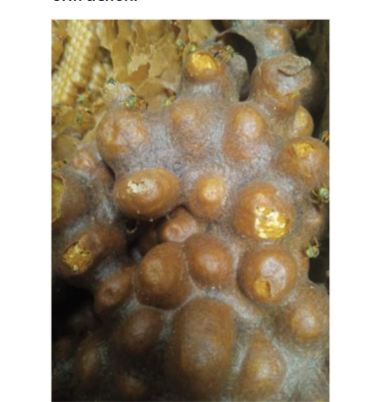
The cerumen pots were removed in sterile environment, and the retrieved pot-pollen was kept frozen (-20 °C) until the ethanolic extraction.
ETHANOL EXTRACT PREPARATION OF POT-POLLEN
Six grams of the pot-pollen were milled, homogenized and extracted using 75 mL of ethanol (>96%, Merck, Germany) in a sealed container protected from light, under agitation in a water bath at 70°C for 30 min. Following extraction, the mixture was filtered (grade 1 Whatman) and put through a rotary evaporator at 40 °C to evaporate the remaining ethanol. The sample was stored at 4 °C in the dark until use.
BACTERIAL STRAINS
The bacterial collection analyzed consisted of 6 extensively drug-resistant (XDR) Gram-negative strains from patients with healthcare-associated infections at the University Hospital of The Andes (UHTA), Mérida, Venezuela. These were: Enterobacterales: 1 Escherichia coli, 1 Klebsiella pneumoniae, and 1 Enterobacter ludwigii. Pseudomonadales: 1 Pseudomonas aeruginosa; 1 Pseudomonas alcaligenes, and 1 Acinetobacter baumannii. These strains, microbiologically and molecularly characterized in previous studies are from the Molecular Microbiology Laboratory collection of the Faculty of Pharmacy and Bioanalysis at Universidad de Los Andes, Mérida, Venezuela. Two bacterial strains from the American Type Culture Collection (ATCC) were also included in this study as controls (Escherichia coli ATCC 25922 and Pseudomonas aeruginosa ATCC 27853.
| Nº | Strain Bacteria | Betalactamase profile | Other resistance | Reference |
|---|---|---|---|---|
| LMM-77 | Escherichia coli | CTXM-15; SHV-12 | SXT, DOX, FOS, CIP, GEN | 15 |
| LMM-719 | Klebsiella pneumoniae | CTXM-15; KPC-2 | DOX, NIT, CIP, GEN. | 16 |
| LMM-14260 | Enterobacter ludwigii | CTXM-8; SHV-12; TEM-15 | SXT, GEN, CIP | 17 |
| LMM-15830 | Pseudomonas aeruginosa | AmpC; VIM-1 | CIP, AMK, GEN | 18 |
| LMM-14249/2 | Pseudomonas alcaligenes | AmpC; SHV-5 | SXT, DOX, GEN | 19 |
| LMM-496 | Acinetobacter baumannii | AmpC; VIM-1 | SXT, DOX CIP, GEN, AMK, TOB | 20 |
| Control Strains | ATCC 25922 Escherichia coli | Susceptible | ||
| ATCC 27853 Pseudomonas aeruginosa | Susceptible |
DETERMINATION OF MINIMUM INHIBITORY CONCENTRATION AND MINIMUM BACTERICIDAL CONCENTRATIONS FOR T. angustula POT-POLLEN, AMIKACIN AND MEROPENEM The minimum inhibitory concentration (MIC) and minimum bactericidal concentration (MBC) activity of the TAP extract, amikacin (AMK) (Sigma-Aldrich St. Louis, MO), and meropenem (MER) (Sigma-Aldrich St. Louis, MO) were determined using the microdilution method in a 96-well microplate according to the Clinical and Laboratories Standards Institute (CLSI, 2024). Briefly, in each well 95 µL of Mueller-Hinton (MH) broth (Oxoid Ltd., Basingstoke, UK) and 5 µL of bacterial suspensions were added, for a final inoculum concentration of 106 colony-forming unit (CFU)/mL. Then, 100 µL of TAP extract, AMK, MER serial dilutions were added to obtain concentrations ranging from 0.125 to 512 mg/mL. Negative control wells consisted of bacteria in MH without antibiotics and TAP extract. The plates were mixed on a plate shaker at 300 rpm for 30 s and incubated at 37 °C for 24 h. MIC was defined as the lowest concentration of antibiotic or TAP that inhibited visible growth of the tested microorganisms when the optical density was measured at 570 nm using a microtiter plate reader. The MBC values of TAP extract, AMK, and MER were determined by sub-culturing 5–10 µL with concentration equal or higher than MIC on MH agar. The MBC was defined as the lowest concentration of the extract of TAP plus antibiotics required to kill 99.99% of the bacteria. All the experiments were conducted in triplicate, and results were represented by the arithmetic mean of the three values.
CHECKERBOARD DILUTION
The interaction of TAP extract with selected antibiotics (AMK and MER) was determined using the broth microdilution checkerboard method as previously described. Briefly, a two-fold serial dilution was used in the distribution of TAP extract and selected antibiotics in a 96-well microtiter plate with sub-MIC concentration. Then, a 100 µL inoculum, equal to 1 x 10⁶ CFU/mL from bacteria was distributed into each well and incubated for 24 h at 37 0C. For the analysis of the combined antimicrobial effect, the Fractional Inhibitory Concentration Index (FICI) was used, based on the MIC values of the combined compounds divided by the MIC value of the individual component. The FICI was calculated using the following formula: FICI= MIC of TAP in combination with AMK or MER / MIC of TAP alone + MIC of AMK or MER in combination with TAP / MIC of AMK or MER alone. The FICI values were interpreted as synergistic if FICI ≤ 0.5, as additive if 0.5 < FICI ≤ 1, insignificant if 1 < FICI ≤ 4.0, and antagonistic if > 4.
Results
The results of the antibacterial activity evaluation of the ethanol extract of TAP and of selected antibiotics (AMK and MER) using MIC and MBC against six XDR bacteria of clinical origin are shown in Table 2. The ethanolic extract of TAP demonstrated the ability to inhibit all strains tested, regardless of their extensively drug-resistant profiles. TAP inhibitory values ranged from 16 mg/mL to 128 mg/mL for the XDR bacteria, while inhibitory values for the control strains without resistance markers were significantly lower (4 and 8 mg/mL). The MIC values of the selected antibiotics corroborated the previously observed susceptibility patterns of the tested strains. This indicated that the strains previously determined to be resistant to amikacin and/or meropenem maintained this phenotype. In contrast, strains previously known to be sensitive exhibited values between 0.5 and 2 mg/mL for AMK and a MIC of ≤ 2 mg/mL for MER. In response to MBC, the values remained within two ranges above the MIC. This trend was also observed for AMK and MER.
| Nº | Strain Bacteria | TAP | Amikacin | Meropenem |
|---|---|---|---|---|
| LMM-77 | E. coli | 16 | 2 | 1 |
| LMM-719 | K. pneumoniae | 64 | 2 | 16 |
| LMM-14260 | E. ludwigii | 16 | 0.5 | 1 |
| LMM-15830 | P. aeruginosa | 16 | 1 | 8 |
| LMM-14249/2 | P. alcaligenes | 32 | 1 | 2 |
| LMM-496 | A. baumannii | 128 | 32 | 16 |
| Control Strains | ATCC 25922 E. coli | 8 | 0.25 | 0.5 |
| ATCC 27853 P. aeruginosa | 4 | 0.5 | 0.5 |
Table 3 shows the antibacterial efficacy of the TAP extract-AMK and TAP extract-MER combination against six XDR bacteria. Based on the fractional inhibitory concentration index (FICI) values, 12 interactions were evaluated, 9 (75%) of which exhibited total synergism, while 3 (25%) showed partial synergistic interactions or addition effects. The combination of TAP with either AMK or MER revealed a synergistic effect on all control strains and antagonistic or insignificant effects were not found. The combination of TAP extract-AMK showed a 2- 3-fold reduction of MIC for Enterobacterales and Pseudomonadales, indicating a more pronounced synergistic effect against K. pneumoniae LMM-719 (FICI = 0.125) and A. baumannii LMM-496 (FICI = 0.313). The TAP extract-MER association demonstrated a notable synergistic effect on K. pneumoniae LMM-719, E. ludwigii LMM-14260, P. aeruginosa LMM-15830, and A. baumannii LMM-496, with an FICI ranging from 0.313 to 0.380.
| Nº | TAP-AMK Interaction | TAP-MER Interaction | |
|---|---|---|---|
| LMM-77 E. coli | 4/0.125 (0.313 Synergism) | 8/0.125 (0.630 Addition) | |
| LMM-719 K. pneumoniae | 4/0.125 (0.125 Synergism) | 16/1 (0.313 Synergism) | |
| LMM-14260 E. ludwigii | 8/0.25 (1.000 Addition) | 4/0.125 (0.380 Synergism) | |
| LMM-15830 P. aeruginosa | 8/0.5 (1.000 Addition) | 4/1 (0.375 Synergism) | |
| LMM-14249/2 P. alcaligenes | 1/0.5 (0.531 Synergism) | 8/0.5 (0.500 Synergism) | |
| LMM-496 A. baumannii | 8/2 (0.313 Synergism) | 8/4 (0.313 Synergism) | |
| Control Strains | ATCC 25922 E. coli | 0.5/0.06 (0.303 Synergism) | 0.125/0.25 (0.516 Synergism) |
| ATCC 27853 P. aeruginosa | 0.5/0.125 (0.266 Synergism) | 0.5/0.125 (0.266 Synergism) |
Discussion
The growing phenomenon of antimicrobial resistance has impelled researchers to look for novel therapeutic alternatives. Several natural antimicrobial molecules have been identified as promising therapeutic alternative for the treatment of infectious diseases. Bhattacharya et al, and Pełka et al, have highlighted that bee-derived products show significant antimicrobial activity, especially against multidrug-resistant bacterial pathogens, as well as other therapeutic properties. The results of this study demonstrated that the ethanolic extract of TAP effectively inhibited all XDR bacteria tested, regardless of the species or their resistance profile. The MIC for XDR bacteria ranged from 16 mg/mL to 128 mg/mL, with higher MBC values but closely aligned with MIC ranges. This result suggests that TAP ethanolic extract contains bioactive components that can overcome the resistance mechanisms present in XDR bacteria. Furthermore, the ability of TAP to suppress several XDR bacteria, including E. coli, K. pneumoniae, E. ludwigii, P. aeruginosa, and A. baumannii, positions it as a prospective broad-spectrum antibacterial agent. Previous studies conducted in several countries indicated that ethanol extracts of bee pollen show antimicrobial activity against Gram-positive bacteria, such as S. aureus, Staphylococcus epidermidis, Streptococcus pyogenes, Listeria monocytogenes, Bacillus cereus, and Clostridium butyricum, as well as Gram-negative bacteria such as Salmonella enterica, Campylobacter jejuni, E. coli, and P. aeruginosa.
Nevertheless, other reports revealed that Gram-negative bacteria exhibit reduced sensitivity to bee pollen when compared to Gram-positive bacteria. Didaras et al, have emphasized that the antimicrobial activity of bee pollen extracts may vary depending on the biogeographical origin, ecological habitat, season of the year, weather conditions during collection, bee breed, beekeeping management, as well as additional technical factors such as the type of solvents used and its concentrations.
The antibacterial mechanism of bee pollen remains still unclear. Studies suggest that the antibacterial activity of bee pollen is associated with glucose oxidase, an enzyme produced by honey bees and added to pollen during the process of granules formation. Nevertheless, recent findings suggest that the antimicrobial activity of bee pollen is primarily due to the presence of flavonoids, phenolic compounds, and other bioactive components. In 2016, Vit et al, determined the chemical composition of ethanolic extracts of TAP from Mérida, Venezuela, where the major phytochemicals were polyphenols (1053.1 to 2627.4 mg gallic acid equivalents per 100 mg pot-pollen), flavonoids (between 104.6 and 676.4 mg quercetin equivalents per 100 mg pot-pollen), and protein concentration (118.9 and 811.4 mg protein per 100 mg pot-pollen). Based on this, we can infer that the strong inhibitory activity showed by the ethanol extract of TAP against XDR bacteria may be due the presence of phenolic like gallic acid. Gallic acid has been shown to disrupt membrane integrity by altering the hydrophobicity of bacterial membranes, which may lead to local membrane rupture or pore formation. In vitro studies have shown that Gram-negative bacteria have a more pronounced sensitivity to this mechanism of action than Gram-positive bacteria. Also, we argued that the flavonoids estimated as quercetin equivalents found in ethanol extracts of TAP, may be capable of inhibiting biofilm formation and the development of planktonic cells. Even more than that, it can produce bacterial cell wall and membrane damage and affects transport and motility.
Previous studies revealed that bee pollen and its constituents can act synergistically against pathogens. Moreover, it has been suggested that extracts of bee pollen, or their specific compounds can exert antimicrobial activity in synergy with antibiotics. In this study, when TAP and selected antibiotics (AMK and MER) were tested in combination against XDR bacteria, a significant reduction of MIC values was observed in all strains, including those bacteria with an established resistance phenotype for aminoglycosides and carbapenems. The evaluation of the TAP-antibiotic interaction revealed a synergistic effect in 75% of the strains, while 25% demonstrated an additive or partial synergistic effect. These findings are similar to those reported in previous studies where the ability of bioactive substances in bee pollen to enhance the effectiveness of antibiotics by evading bacterial resistance mechanisms have been demonstrated. Indeed, the most pronounced synergistic effect was observed with the TAP-AMK combination, with a 2- to 3-fold reduction in the MIC for Enterobacteriaceae and Pseudomonadales. This highlights the strong inhibitory activity on K. pneumoniae LMM-719 (FICI= 0.125) and A. baumannii LMM-496 (FICI= 0.313). Correspondingly, evaluation of the TAP-MER interaction revealed a remarkable synergistic effect on K. pneumoniae LMM-719, E. ludwigii LMM-14260, P. aeruginosa LMM-15830, and A. baumannii LMM-496, with FICI values less than 0.380. Notwithstanding these results and their potential clinical implications, our team will include a larger number of strains, particularly multidrug-resistant Gram-positive bacteria, in future investigations. In this regard, Liu et al, reported that combining fluoroquinolones with flavonoid compounds synergistically inhibited methicillin-resistant Staphylococcus aureus (MRSA) strains. Also, Tian et al, showed that gallic acid potentiates the activities of ceftiofur sodium or tetracycline against E. coli, facilitating the accumulation of the antibiotic in the bacteria, which in turn produces a final bactericidal effect. According to the literature, no microorganisms have been reported to have developed any mechanism of resistance to the combination of compounds present in bee pollen and pot-pollen so far.
T. angustula pot-pollen is regarded as a probiotic food of ancestral value, endowed with nutritional and immune-boosting properties that display protective functions against contamination and multiplication of microorganisms. Although this study focused on the combination of TAP with amikacin and/or meropenem, it is reasonable to speculate that pot-pollen could enhance the efficacy of other antibiotics.
The concept of ‘active honey’ based on the ecological reservoir of defense molecules originated for survival after microbial interactions is also valid for considering the ‘active pot-pollen’ producing intricate chemical signaling associated with microbial survival in this nest material. For example, some clades of Starmerella associated with stingless bees biosynthesize sophorolipids, biosurfactants with antimicrobial action against both Gram-positive and Gram-negative bacteria. Additionally, bibliometric landscaping as surveyed for Starmerella would support the formulation of novel scientific projects on ancestral medicinal food with a solid literature overview to lead applied policies enhancing antimicrobial efficacy against resistant pathogens.
The synergism between amikacin and meropenem with pot-pollen, significantly impacts the ability to overcome antimicrobial resistance. This is particularly relevant considering the WHO’s concern about a significant gap in finding new antibacterial treatments, and even more so in the discovery of innovative therapies. This poses a considerable challenge to effectively address the growing pandemic of antimicrobial resistance, which leaves us vulnerable to infections, including those that may appear mild.
Conclusion
These findings showed that ethanolic extracts of TAP can inhibit XDR bacteria and synergistically potentiate the action of conventional antibiotics such as AMK and MER. TAP extracts contain bioactive compounds that can alter bacterial cell walls and membranes. This alteration increases permeability, allowing AMK and MER to easily penetrate and reach their intracellular targets where an increased antibiotic uptake may lead to a more efficient bacterial clearance rate. Further investigation on the synergy of TAP extracts, or their compounds, and antibiotics is strongly recommended. The potential co-adjuvant properties of TAP as a dietary supplement in patients undergoing antibiotic therapy, particularly in indigenous populations where stingless bee keepers frequently consume honey and other natural bee products, warrant further investigation. Such research may prove helpful not only in terms of understanding the mechanisms involved, but also in developing effective approaches to prevent or delay antimicrobial resistance.
Conflict of interests
No conflict of interests is declared.
Acknowledgements
This study was partially supported by the Council of Scientific, Humanistic, Technological and Arts of University of The Andes (CDCHTA-ULA), Mérida, Venezuela (grant CVI-ADG-FA-02-97). The authors would like to thank Mr. Giovanni Vit for his collaboration in the publication of this study.
References
- Global antimicrobial resistance and use surveillance system (GLASS) report 2022. Geneva: World Health Organization; 2022.
- Antimicrobial Resistance Collaborators. Global burden of bacterial antimicrobial resistance in 2019: a systematic analysis. Lancet. 2022;399(10325):P629-655. Doi: 10.1016/S0140-6736(21)02724-0
- WHO Bacterial Priority Pathogens List, 2024: bacterial pathogens of public health importance to guide research, development and strategies to prevent and control antimicrobial resistance. Geneva: World Health Organization; 2024.
- Mancuso G, Midiri A, Gerace E, Biondo C. Bacterial Antibiotic resistance: the most critical pathogens. Pathogens. 2021;10:1310. Doi: 10.3390/pathogens10101310
- Bhattacharya T, Kaur J, Kaur G, Rasane P, Agrawal P, Bhadariya V. Bee pollen as a natural antimicrobial agent: a comprehensive review. J Food Chem Nanotechnol. 2023;9(S1): S154-S160. Doi: 10.17756/jfcn.2023-s1-020
- Pełka K, Otłowska O, Worobo RW, Szweda P. Bee bread exhibits higher antimicrobial potential compared to bee pollen. Antibiotics. 2021;10:125. Doi: 10.3390/antibiotics10020125
- Sulbarán-Mora M, Pérez-Pérez E, Vit P. Antibacterial activity of ethanolic extracts of pot-pollen produced by eight meliponine species from Venezuela. In Vit P Silvia R.M. Pedro SRM, Roubik DW. Editors Pot-pollen in stingless bee melittology. Ed. Springer International Publishing. 2018; 391-400. Doi:10.1007/978-3-319-61839-5
- Didaras NA, Karatasou K, Dimitriou TG, Amoutzias GD, Mossialos D. Antimicrobial activity of bee-collected pollen and beebread: state of the art and future perspectives. Antibiotics. 2020;9: 811. Doi: 10.3390/antibiotics9110811
- Vit P, Pedro SRM, Roubik DW (editors). Pot-pollen in stingless bee melittology, Springer Nature; Cham, Switzerland; 2018. 481 pp.
- Engel MS, Rasmussen C, Ayala R, de Oliveira FF. Stingless bee classification and biology (Hymenoptera, Apidae): a review, with an updated key to genera and subgenera. Zookeys. 2023; 1172:239–319. https://zookeys.pensoft.net/article/104944/list/1/
- Soares de Arruda VA, Vieria dos Santos A, Figueiredo Sampaio D, da Silva Araújo E, de Castro Peixoto AL, Estevinho LM, Bicudo de Almeida-Muradian L. Brazilian bee pollen: phenolic content, antioxidant properties and antimicrobial activity. J Apic Res. 2021;60:775-783. Doi: 10.1080/00218839.2020.1840854
- Acaroz U, Kurek-Gorecka A, Olczyk P, Tas N, Ali A, Paramanya A, Balyan P, Noor A, Kamaraj S, Malekifard F, Hosseini A, Istanbullugil FR, Arslan-Acaroz D, Asma ST, Segueni N, Ceylan AB, Jin X. The role of bee products in the control of antimicrobial resistance and biofilm formation. Kafkas Univ Vet Fak Derg. 2024; 30(2): 131-153. Doi: 10.9775/kvfd.2023.30966
- Betta E, Contreras RR, Moreno E, Pedro SRM, Khomenko I, Vit P. (2024). Venezuelan stingless bee Tetragonisca angustula (Latreille, 1811) pot-pollen and cerumen pollen pot volatile organic compound VOC profiles by HS-SPME/GC-MS. 183–185 pp. In Centre Fondazione Edmund Mach, (Ed.). Direct Injection Food Flavour Analytics (DIFFA). (pp. 1-197). Fondazione Edmund Mach.
- Guedes BN, Krambeck K, Durazzo A, Lucarini M, Santini A, Oliveira MBPP, Fathi F, Souto EB. Natural antibiotics against antimicrobial resistance: sources and bioinspired delivery systems. Braz J Microbiol. 2024. Doi: 10.1007/s42770-024-01410-1
- Quijada-Martínez P, Flores-Carrero A, Labrador I, Millán Y, Araque M. Molecular characterization of multidrug-resistant Gram-negative bacilli producing catheter–associated urinary tract infections in internal medicine services of a Venezuelan University Hospital. Austin J Infect Dis. 2017; 4(1): id1030. https://austinpublishinggroup.com/infectious-diseases/fulltext/ajid-v4-id1030.php
- Millán Y, Araque M, Ramírez A. Distribución de grupos filogenéticos, factores de virulencia y susceptibilidad antimicrobiana en cepas de Escherichia coli uropatógena. Rev Chil Infectol. 2020;37(2):117-123. Doi: 10.4067/s0716-10182020000200117
- Flores-Carrero A, Labrador I, Paniz-Mondolfi A, Peaper DH, Towle D, Araque M. Nosocomial outbreak of ESBL-producing Enterobacter ludwigii coharbouring CTX-M-8, SHV-12 and TEM-15 in a neonatal intensive care unit in Venezuela. J Glob Antimicrob Resist. 2016;7:114-118. Doi: 10.1016/j.jgar.2016.08.006
- Serrano-Uribe R, Flores-Carrero A, Labrador I, Araque M. Epidemiología y caracterización molecular de bacilos Gram negativos multirresistentes productores de sepsis intrahospitalaria en pacientes adultos. Avan Biomed. 2016;5(1):26-37. http://www.redalyc.org/articulo.oa?id=331345748005
- Flores-Carrero A, Paniz-Mondolfi A, Araque M. Nosocomial bloodstream infection caused by Pseudomonas alcaligenes in a preterm neonate from Mérida, Venezuela. J Clin Neonatol. 2016; 5(2):131-133. Doi: 10.4103/2249-4847.179932
- El Hindawi G, Varela-Rangel YY, Araque M. Photoinactivation of extensively drug-resistant Gram negative bacteria from healthcare-associated infections in Venezuela. Intern J Res Med Sci. 2023;11(9):3175-3182. Doi: 10.18203/2320-6012.ijrms20232764
- Clinical and Laboratory Standards Institute. Performance Standards for Antimicrobial Susceptibility Testing; 34th edn. Informational Supplement. CLSI Document M100-S27. Clinical and Laboratory Standards Institute, Wayne, PA.USA. 2024.
- Bellio P,Fagnani L, Nazzicone L, Celenza G. New and simplified method for drug combination studies by checkerboard assay. MethodsX. 2021; 8:101543. Doi: 10.1016/j.mex.2021.101543.
- Feng W. Yang J. Interpretation of fractional inhibitory concentration index (FICI). Bio-protocol preprint. 2023. bio-protocol.org/prep2404. https://bio-protocol.org/exchange/preprintdetail?id=2404&type=3
- Borges A, Ferreira C, Saavedra MJ, Simões M. Antibacterial activity and mode of action of ferulic and gallic acids against pathogenic bacteria. Microb Drug Rest. 2013;19(4): 256–265. Doi: 10.1089/mdr.2012.0244
- Thebti A, Meddeb A, Ben Salem I, Bakary C, Ayari S, Rezgui F, Essafi-Benkhadir K, Boudabous A, Ouzari HI. Antimicrobial activities and mode of flavonoid actions. Antibiotics. 2023;12:225. Doi: 10.3390/antibiotics12020225
- Liu M-H, Otsuka N, Noyori K, Shiota S, Ogawa W, Kuroda T, Hatano T, Tsuchiya T. Synergistic effect of kaempferol glycosides purified from Laurus nobilis and fluoroquinolones on methicillin-resistant Staphylococcus aureus. Biol Pharm Bull. 2009;32(3):489-492. Doi: 10.1248/bpb.32.489
- Tian QM, Wei SM, Su HR, Zheng SM, Xu SY, Liu MJ, Bo RN, Li JG. Bactericidal activity of gallic acid against multi-drug resistance Escherichia coli. Microb Pathog. 2022;173:105824. Doi: 10.1016/j.micpath.2022.105824.
- Camargo JMF. (2013). Historical biogeography of the Meliponini (Hymenoptera, Apidae, Apinae) of the Neotropical region. 19-34 pp. In P Vit, SRM Pedro, D Roubik (Eds.), Pot-honey: A Legacy of Stingless Bees, (pp. 1-654). Springer.
- Rebelo KS, Nunez CEC, Cazarin CBB, Maróstica Júnior MR, Kristiansen K, Danneskiold-Samsøe NB. Pot-pollen supplementation reduces fasting glucose and modulates the gut microbiota in high-fat/high-sucrose fed C57BL/6 mice. Food Funct. 2022;13(7):3982-3992. Doi: 10.1039/d1fo03019a. PMID: 35311861.
- Brudzynski, K. Honey as an ecological reservoir of antibacterial compounds produced by antagonistic microbial interactions in plant nectars, honey and honey bee. Antibiotics. 2021;10, 551. Doi: 10.3390/antibiotics10050551
- Kurtzman, C.P., Price N.P.J., Ray, K.J., Kuo, T.M. Production of sophorolipid biosurfactants by multiple species of the Starmerella (Candida) bombicola yeast clade. FEMS Microbiol. Lett. 2010;311, 140–146. Doi:10.1111/j.1574-6968.2010.02082.x
- Santos, A.R.O., Leon, M.P., Barros, K.O., Freitas, L.F.D., Hughes, A.F.S., Morais, P.B., Lachance, M.A., Rosa, C. Starmerella camargoi f.a., sp.nov., Starmerella ilheusensis f.a., sp. nov., Starmerella litoralis f.a., sp. nov., Starmerella opuntiae f.a., sp. nov., Starmerella roubikii f.a., sp. nov. and Starmerella vitae f.a., sp. nov., isolated from flowers and bees, and transfer of related Candida species to the genus Starmerella as new combinations. IJSEM 2018;68, 1333-1343. Doi: 10.1099/ijsem.0.002675
- Cho WY, Ng JF Wei, Yap WH, Goh BH Sophorolipids—Bio-based antimicrobial formulating agents for applications in food and health. Molecules. 2022;27: 5556. Doi: 10.3390/molecules27175556
- Vit P, Bankova V, Wang Z. (2024). Bibliometric landscaping of the yeast Starmerella (Ascomycota), a genus proposed in 1998. pp. 115-137. In P Vit, V Bankova, M Popova, DW Roubik (Eds.), Stingless Bee Nest Cerumen and Propolis. Vol 2, (1-505) pp. Springer Nature.
- WHO. 2021 Antibacterial agents in clinical and preclinical development: an overview and analysis. Geneva: World Health Organization; 2022. https://www.who.int/publications/i/item/9789240047655
- Vit P, Meccia G. (2024). Memorias del 2024 Taller Internacional de Meliponicultura Mustafa. (pp. 1-71). APIBA-ULA. http://www.saber.ula.ve/handle/123456789/50838 Accessed July 19, 2024.