





Anxiety and Anger in Children: Brain Health Insights
Unraveling Anxiety and Anger in Young Individuals: Prioritizing Brain Health in Early Life Stages
ABSTRACT
Background:
This study investigates the influence of anxiety and anger on the brain health of primary school children and how these emotions manifest in daily life. While anxiety and anger are normal emotional responses, chronic experiences can impact both physical and psychological well-being.
Method:
The study involved 96 primary school students from Patras, aged between eight and twelve, with younger grades excluded due to comprehension difficulties. Participants completed questionnaires assessing their health, physical activity, mood, and the frequency and intensity of anxiety and anger symptoms. Descriptive statistics were utilized to analyze the data.
Results:
Among the participants, 56.25% were girls and 43.75% were boys. Most reported very good (51.04%) or excellent (33.33%) health. High levels of physical activity and substantial energy were common, with 54.17% being very active and 62.50% having a lot of energy. Positive moods predominated, though 57.29% sometimes felt angry and 76.04% rarely felt sadness. Physical symptoms of anxiety, such as stomach pain (51.04%) and tachycardia (40.63%), were prevalent.
Conclusion:
The findings underscore the significant presence of anxiety and anger among children, highlighting their impact on physical symptoms and potential implications for brain health. Early intervention and support are essential to manage these emotions constructively. Addressing environmental and social factors that trigger anxiety and anger is crucial for fostering healthy emotional development and maintaining optimal brain health.
Keywords: Anxiety, Anger, Brain Health, Childhood, Emotional Development, Somatic Symptoms
Introduction
Anxiety emerges in the earliest years of human life as the brain’s response to perceived danger and its ability to overcome it. This innate impulse exists from infancy, manifesting uniquely in each child. While some children experience anxiety intensely, others feel it less acutely¹˒². Often perceived as a normal reaction, anxiety can act as a motivating force, helping children to recognize unpleasant or threatening situations, plan their responses methodically, and remain vigilant in order to address and mitigate these threats³. However, in some cases, anxiety can persist beyond what is considered necessary, negatively impacting a child’s daily life and hindering functionality³˒⁴. Prolonged anxiety can lead to the development of anxiety disorders, which are predictive of various psychiatric conditions in adolescence and adulthood, including subsequent anxiety disorders, conduct disorders, substance use disorders, and major depressive disorder⁵.
Anxiety disorders are significant among psychological disorders in youth, with studies indicating that 6% to 20% of children in developing countries are affected⁶. These disorders are characterized by persistent and pervasive anxiety, manifested through a complex array of motor, subjective, and physiological reactions to actual or potential dangers⁶. Additionally, many children experience anxiety and fear during their development, particularly girls. While anxiety and fear can be protective by preventing risky behaviors, they vary significantly with age. Children with anxiety exhibit heightened activity in several brain regions, including the frontal and parietal lobes, which are crucial for cognitive and regulatory functions such as attention and emotion regulation⁷.
Despite the prevalence of anxiety in children, few studies have explored its relationship with emotions associated with externalizing disorders, such as anger. This is concerning because youth experiencing both anxiety and anger are more likely to seek treatment⁸. However, there is limited understanding of how co-occurring anger may interact with and exacerbate anxiety symptoms. Anger has emerged as a significant predictor of both physical and psychological health in youth⁹. Therefore, investigating the potential relationship between anger and anxiety is crucial for understanding symptom expression, functioning, and physical health in children and adolescents¹⁰.
Researchers have conceptualized anger as a multidimensional construct, including trait anger (the tendency to experience anger frequently and intensely), internalized anger expression (the unhealthy suppression of anger), externalizing anger (aggressive outward expression of anger), and anger control (managing anger through relaxation and not expressing it outwardly)¹¹. In contrast, irritability is characterized by a low threshold for responding with negative emotions to stimuli, often resulting in anger and aggression. Irritability can be distinguished from anger as it typically lacks the cognitive components of anger and includes other emotions such as sadness¹².
The manifestations of anger, arguments, and delinquent moods in children aged 6-12 years require further research. These emotions are normal for children, who need the freedom to express them. Research has found that children today experience their emotions differently than in previous decades, suggesting that societal factors significantly influence a child’s emotional development¹³. Additionally, the age and mental development of a child impact the expression of anger¹⁴. When anger coincides with aggressive behavior, it activates the amygdala, a brain region associated with emotions, particularly fear, anxiety, and anger¹⁵. Brain damage can cause emotional and behavioral changes, complicating anger management and leading to unpredictable and sometimes aggressive behaviors that strain relationships, work life, and daily activities¹⁴.
Materials and Methods
The study targeted primary school children, specifically those aged six to twelve (6-12). The focus was on “the effect of stress and anger on children’s brain health,” examining how these two emotions, which are daily experiences, contribute to psycho-emotional development. The students who were invited to participate showed great willingness and enthusiasm by completing a questionnaire. This section also addresses any difficulties encountered during data collection and analysis.
The research was approved by the Department of Education and Social Work Sciences and was conducted at the 6th and 10th Primary Schools of Patras. The questionnaire began with introductory information and instructions for the students, followed by demographic data (age, gender, etc.) and utilized several assessment tools. The KIDSCREEN-27 evaluated health in children and adolescents¹⁶. The Anger Expression Scale for Children (AESC-22) measured anger and its various expressions and control aspects through 22 items, including trait anger and reactions to anger¹⁷. The Spence Children’s Anxiety Scale (SCAS-S) assessed six anxiety disorder domains: generalized anxiety disorder, panic/agoraphobia, social phobia, separation anxiety, obsessive-compulsive disorder, and fears of physical harm¹⁸. A total of 96 questionnaires were distributed and completed by children in the third, fourth, fifth, and sixth grades.
Descriptive statistics were utilized in this study. All responses from the sample were coded to facilitate the statistical data analysis process. Using the SPSS program, all responses were recorded in a database, allowing for the creation of frequency tables for the study’s results. Descriptive statistics were then performed on each set of responses separately, making the data easier to understand for readers.
Results
Among the research participants, 43.7% were boys and 56.25% were girls. Regarding their health over the past few weeks, 33.3% of the participants reported excellent health, 51.04% described it as very good, and a small percentage of 4.17% indicated poor health. In terms of physical activity (e.g., running, climbing), 54.17% of the participants stated they were very active in the last week, 35.42% reported being extremely active, while 6.25% and 2.08% indicated moderate to no physical activity, respectively.
Figure 1- Sport Status Chart.
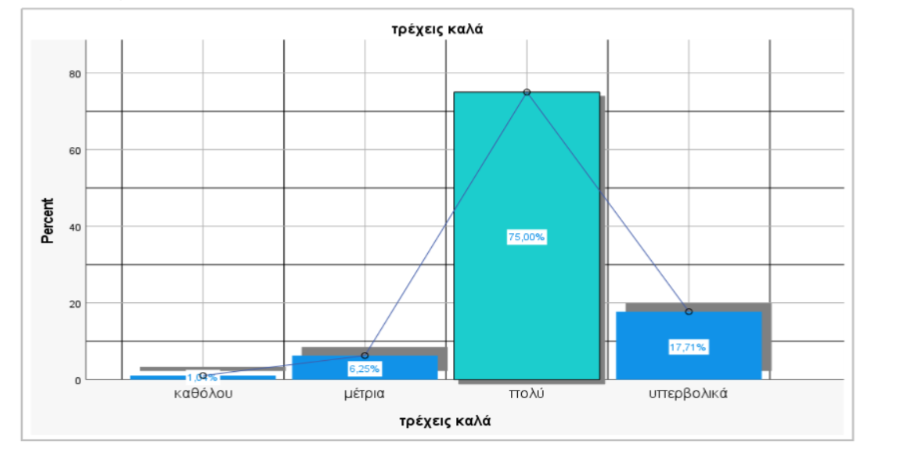
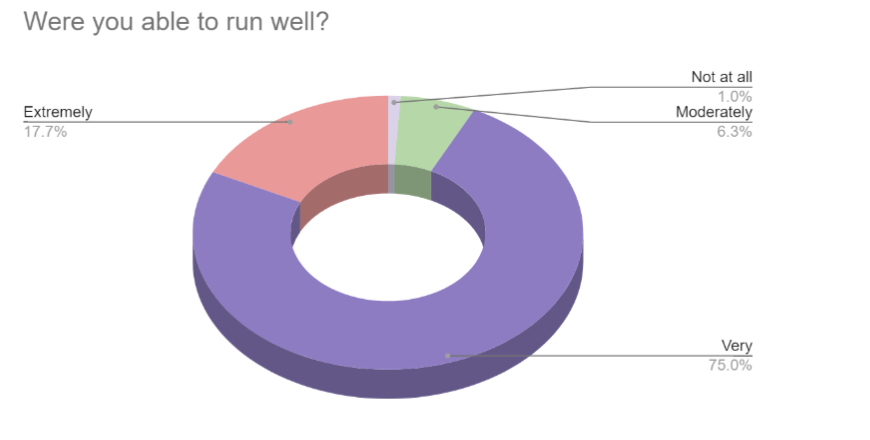
In Figure 1, the physical health percentages of the participants over the last week are depicted. The sample was asked about their physical condition, specifically whether they could run well. To this question, 75% answered “a lot,” 17.71% answered “excessively,” and 6.25% answered “moderately.” The sample was also asked if they felt full of energy in the last week. According to the responses, 62.50% had a lot of energy, while 7.29% and 5.21% reported moderate to little energy, respectively. Additionally, 28.13% said their mood was perfect every day, 65.63% reported that most days of the week were good, and 6.25% noticed having an appetite quite often. Furthermore, 76.04% rarely felt sadness, 15.63% did not experience this emotion at all, while 4.17% and 1.04% expressed sadness quite often, even daily.
Figure 2- Diagram of feelings of loneliness
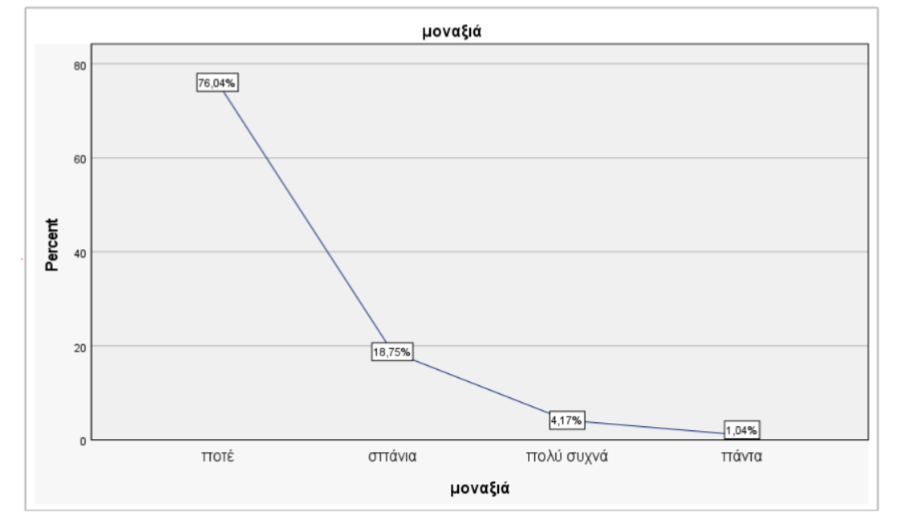
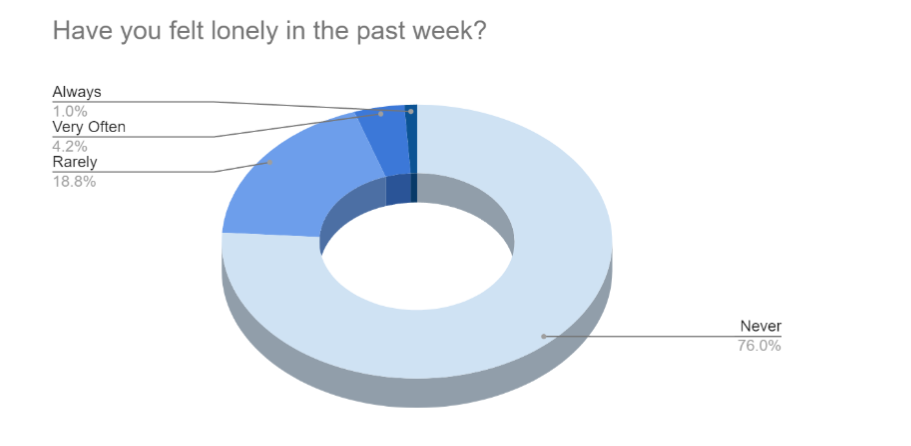
In response to the question, “Have you felt lonely in the past week?” it was recorded that 76.04% never felt this way, 18.75% rarely experienced it, and 1.04% of the participants felt lonely very often, up to every day. On the other hand, regarding the general mood and feelings of the sample, it was noted how happy they were with themselves in the last few days. To this question, 68.75% answered that they were always satisfied with themselves, 19.79% felt this way very often, 8.33% less frequently during the week, and finally, 3.13% never felt satisfied with themselves. It appears that 67.71% always spent time with friends, 17.71% spent time with friends very often, 10.42% tried to find free time quite often, and 4.17% never did. Additionally, 50% stated that their parents spend time with them quite often, 22.92% very often, 15.63% always, and 11.46% rarely. Regarding their experience at school, 53.13% of the sample answered that they were extremely happy, 25% were moderately happy, 16.67% had a very good time, and 5.21% did not enjoy it at all.
Figure 3- Diagram of feeling anger
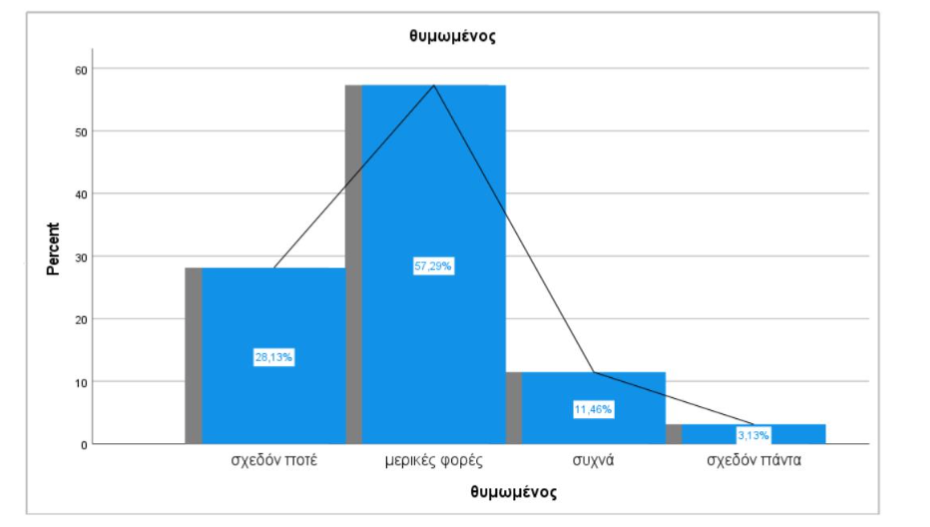
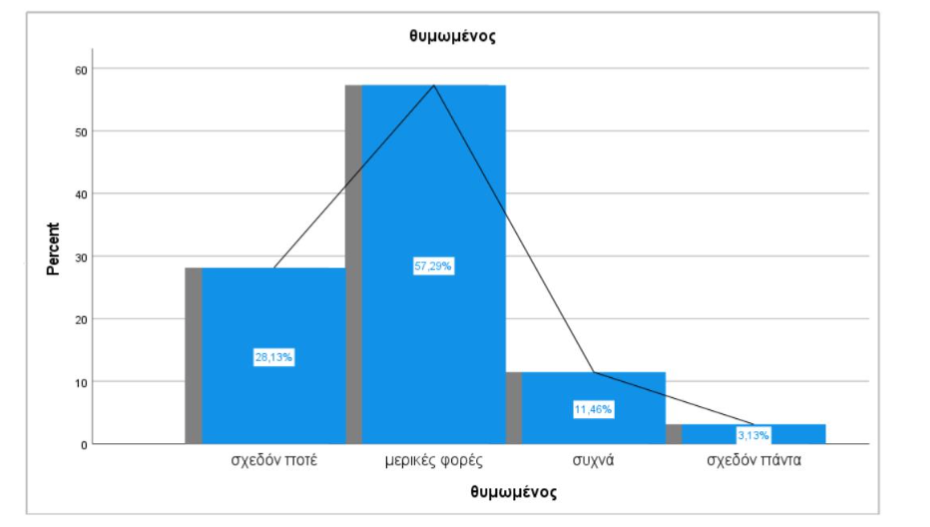
The sample was asked how often they experienced feeling angry in the past few days. The responses were as follows: 57.29% stated that they were sometimes angry, 28.13% almost never, 11.46% often experienced this feeling, and 3.13% almost always. In response to the question, “When you are angry, do you want to yell at someone?” 50% of the sample stated that they never want to do this, 25% sometimes want to yell at someone, 15.63% do it often, and 9.38% almost always yell at someone.
Figure 4- Temperament diagram.
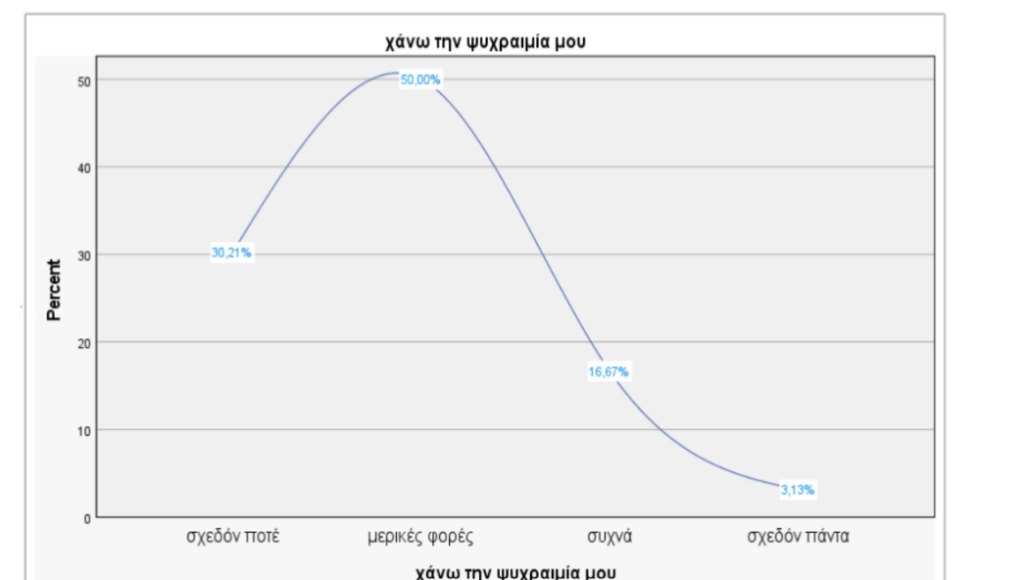
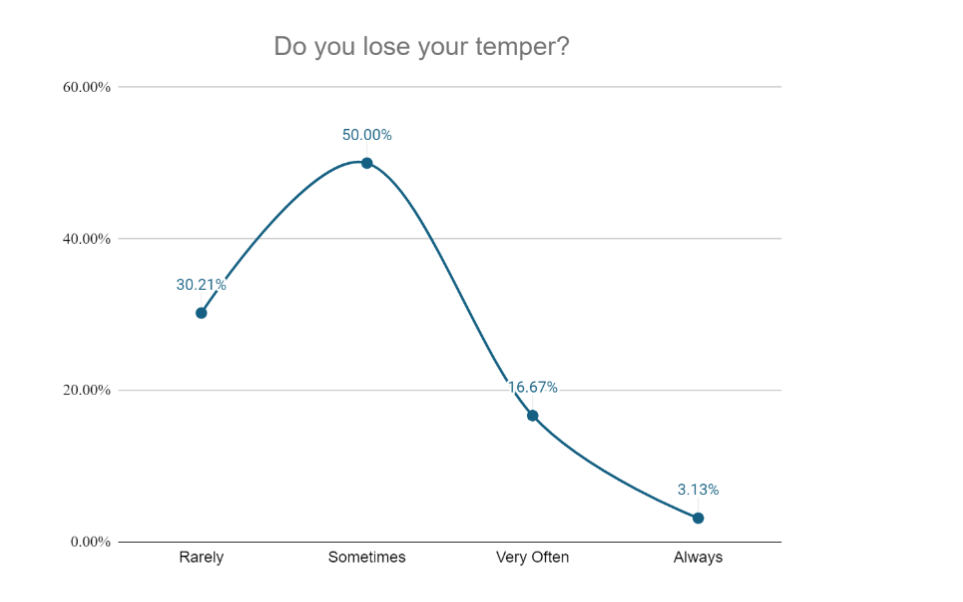
Figure 4 shows the percentage of participants who lose their temper when they are angry. Specifically, 30.21% stated they almost never lose their temper, 50% sometimes do, 16.67% often lose their temper, and 3.13% almost always do. Regarding mood, 30.21% reported they almost never have a bad mood unless everything in their life is perfect, 30.21% said their mood can sometimes be affected by a situation, 27.08% often feel this way, and 12.50% said their mood is determined by the events happening to them.
In response to the question, “Do you break things when you are angry?” 76.04% indicated they do not wish to break objects when they feel angry, 17.71% sometimes do it to vent, 5.21% often resort to breaking things, and 1.04% almost always do. To the question, “Do you solve problems that appear to you calmly?” 58.33% answered they almost always manage to solve their problems calmly, 17.71% often do so, 16.67% sometimes succeed in overcoming obstacles with composure, and 7.29% almost never keep their composure when solving difficult situations.
Regarding the question, “Do you talk to others when you’re angry?” 51.04% answered they almost always talk to others, 19.79% often do, 18.75% sometimes do, and 10.42% almost never do. Additionally, 13.54% almost never wish to be left alone when angry, 53.13% sometimes don’t want to talk to others, 15.63% often withdraw and avoid communication, and 17.71% almost always hold their anger and don’t talk to anyone.
When asked, “Do you feel scared?” 17.71% of the sample answered they never feel scared, 59.38% sometimes feel this way, 13.54% often experience this feeling, and 9.38% always feel fear. The percentages also show that 7.29% are always afraid to sit alone at home, 18.75% are often afraid, 28.13% sometimes feel this way, and 45.83% never feel afraid.
Regarding the physical manifestation of stress, 51.04% of the sample experiences stomach pain when dealing with a difficult situation, 22.92% often feel this pain, 14.58% sometimes do, and 11.46% always have a stomachache. In response to the question, “Do you have tremors for no reason?” 42.71% reported never experiencing tremors, 26.04% sometimes do, 6.25% often do, and 25% always do.
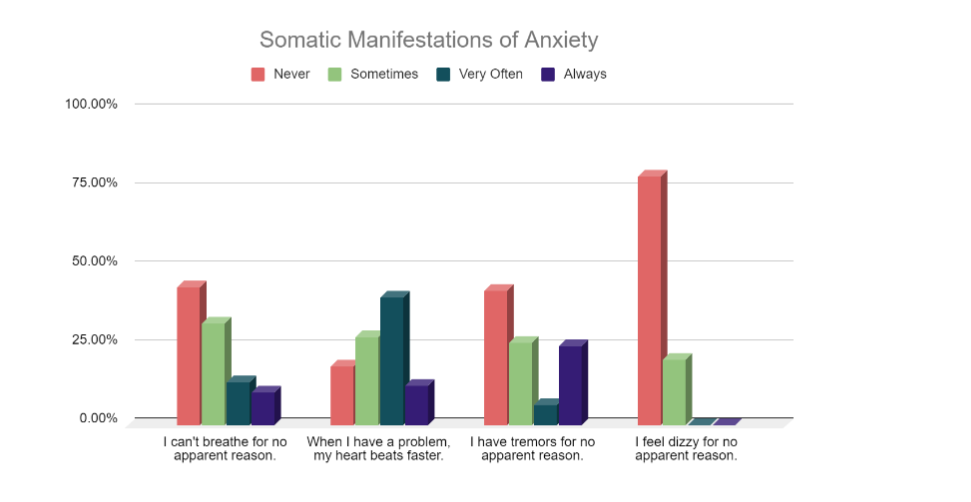
Figure 5 – Somatic Manifestations of Anxiety
Somatic Manifestations of Anxiety
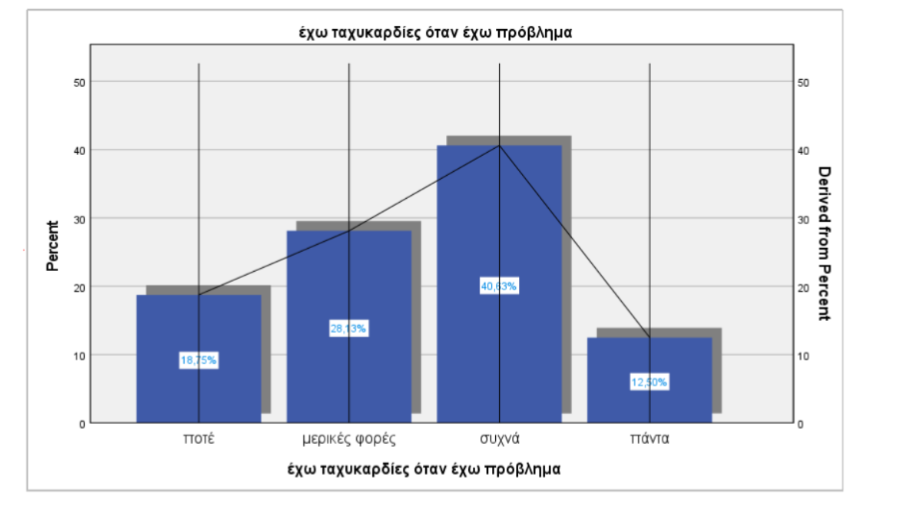
Figure 5 represents the somatic manifestations of anxiety. When asked about experiencing tachycardia, 18.75% of participants reported it never happens, 28.13% sometimes, 40.63% often, and 12.50% always. Regarding persistent negative thoughts, 21.88% never have them, 45.83% sometimes, 28.13% often, and 4.17% always. Additionally, 43.75% never experience breathing difficulties without reason, 32.29% sometimes, 13.54% very often, and 10.42% always. When facing problems, 18.75% never experience a faster heartbeat, 28.13% sometimes, 40.63% very often, and 12.50% always. Tremors without reason occur never for 42.71%, sometimes for 26.04%, very often for 6.25%, and always for 25.00%. Dizziness without reason is reported never by 79.17%, sometimes by 20.83%, and very often or always by 0.00%.
Figure 6- Diagram of worrying about other people’s thoughts.
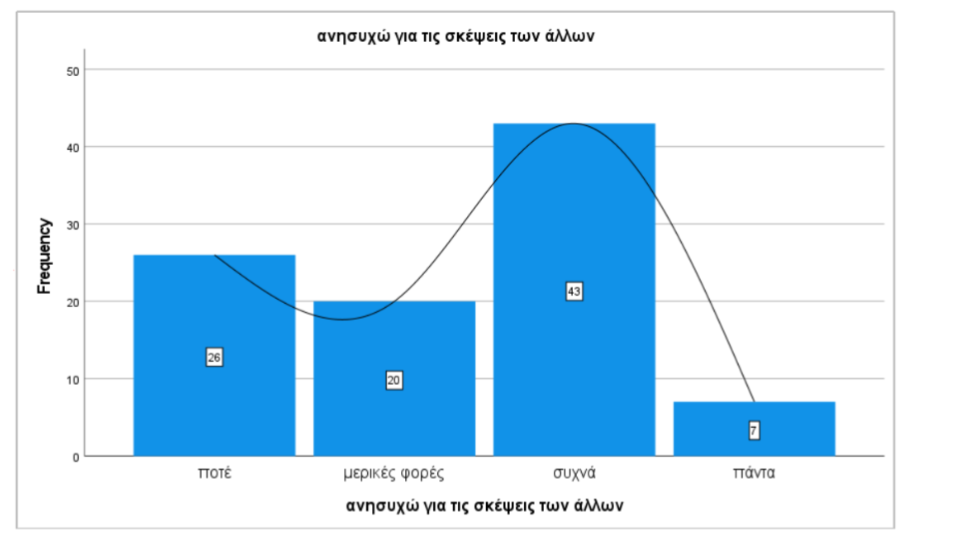
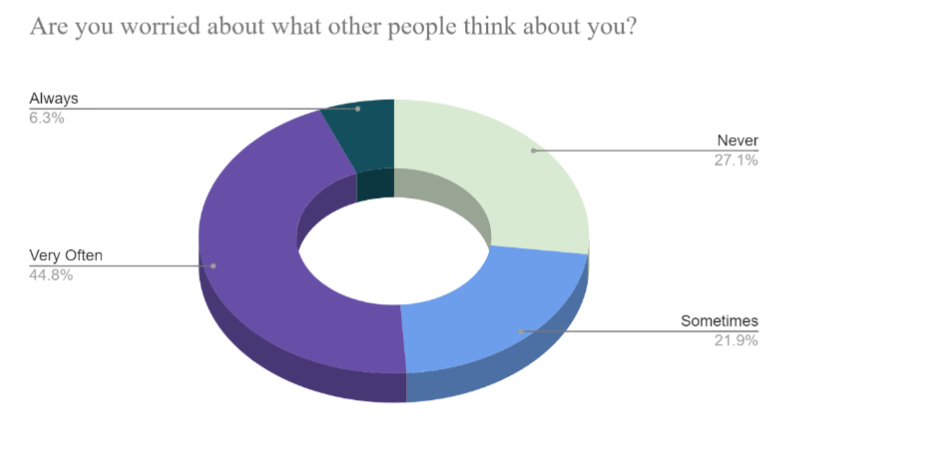
As presented in Figure 6, in response to the question, “Are you worried about what other people think about you?” 27.08% answered that they never worried about others’ opinions, 20.83% felt worried sometimes, 44.79% often gave importance to and worried about others’ opinions, and 7.29% always did. The sample was also asked if they believe there is a right way they should do certain things to prevent bad things from happening. To this question, 9.38% answered that they have never done this nor believe it, 43.75% stated that they sometimes believe it, 26.04% often follow this way to avoid bad incidents, and 20.83% always do.
Discussion
This study aimed to investigate the influence of anxiety and anger on the brain health of children and their manifestation in daily life. The sample consisted of ninety-six primary school students from Patras, aged between eight and twelve, with younger grades excluded due to reading and comprehension difficulties. The findings reveal that a significant portion of the participants reported good to excellent health, high levels of physical activity, and substantial energy levels. Most participants experienced positive moods and rarely felt sadness or loneliness. Satisfaction with oneself was also high among the children.
When examining anger, more than half of the participants sometimes felt angry, and only a small percentage experienced frequent or constant anger. Similarly, reactions to adversity varied, with some children managing to stay calm and solve problems effectively, while others struggled to maintain composure. Fear was a common emotion, with most participants experiencing it occasionally. Physical symptoms of anxiety, such as stomach pain, tachycardia, and tremors, were also reported by many participants, highlighting the somatic manifestations of anxiety.
Brain Health Considerations
The research indirectly supports literature findings that anxiety and anger significantly affect brain health. Anxiety impacts brain regions involved in cognitive and emotional regulation, such as the amygdala and prefrontal cortex¹⁹˒²⁰. Chronic anxiety can lead to changes in brain structure and function, potentially impairing attention, memory, and learning capabilities²⁰˒²¹. Our findings of heightened somatic symptoms, such as stomach pain and tachycardia, suggest increased activation of the autonomic nervous system, regulated by brain structures like the hypothalamus and brainstem. These symptoms correlate with stress response systems in the brain, indicating a link between emotional experiences and brain health²².
Furthermore, anger has been associated with increased amygdala activity, which is crucial in processing emotions and stress responses²³. Our data show that while anger is a common emotion, its frequent occurrence can lead to significant stress, potentially affecting brain health. The variations in how children manage anger—ranging from calm problem-solving to difficulty maintaining composure—highlight the need for effective emotional regulation strategies to mitigate these impacts.
Implications for Practice
The high prevalence of anxiety and anger symptoms among the participants underscores the importance of early intervention and support. Schools and parents should be aware of the potential impacts of these emotions on both physical and brain health. Strategies to manage anxiety and anger, such as mindfulness, cognitive-behavioral techniques, and physical activities, could help mitigate their negative effects and support healthy brain development.
Limitations
Several limitations were identified in this study. The sample size was relatively small and geographically limited to primary school students in Patras, which may not be representative of the broader population. The exclusion of younger grades due to comprehension difficulties limited the age range of the study. Additionally, the reliance on self-reported data through questionnaires may have introduced biases, as participants might have provided socially desirable responses. Future studies should aim to include larger and more diverse samples, utilize longitudinal designs, and incorporate objective measures to validate self-reported data.
Conclusions
This study investigated the influence of anxiety and anger on the brain health of primary school children in Patras, aged eight to twelve. Most participants reported good to excellent health, high levels of physical activity, and substantial energy. Positive moods were common, though some experienced frequent anger or loneliness. Physical symptoms such as stomach pain, tachycardia, and tremors highlighted the somatic manifestations of anxiety. The findings emphasize that while anxiety and anger are normal emotions that play important roles in development, they must be managed constructively to prevent negative impacts on children’s health. Addressing environmental and social factors that trigger these emotions is crucial for fostering healthy emotional development.
Conflict of Interest:
None
Funding Statement:
None.
Acknowledgements:
None.
References
1. Lahousen T, Kapfhammer HP. [Anxiety disorders – clinical and neurobiological aspects]. Psychiatr Danub. 2018;30(4):479-490. doi:10.24869/psyd.2018.479
2. Domhardt M, Geßlein H, Von Rezori RE, Baumeister H. Internet- and mobile-based interventions for anxiety disorders: A meta-analytic review of intervention components. Depress Anxiety. 2019;36(3):213-224. doi:10.1002/da.22860
3. Chiu A, Falk A, Walkup JT. Anxiety Disorders Among Children and Adolescents. Focus. 2016;14(1):26-33. doi:10.1176/appi.focus.20150029
4. Grupe DW, Nitschke JB. Uncertainty and anticipation in anxiety: an integrated neurobiological and psychological perspective. Nat Rev Neurosci. 2013;14(7):488-501. doi:10.1038/nrn3524
5. Hofmann SG, ed. The Wiley Handbook of Cognitive Behavioral Therapy. Wiley Blackwell; 2014.
6. Zeman J, Shipman K, Suveg C. Anger and Sadness Regulation: Predictions to Internalizing and Externalizing Symptoms in Children. J Clin Child Adolesc Psychol. 2002;31(3):393-398. doi:10.1207/S15374424JCCP3103_11
7. Manley H, Tu E, Reardon T, Creswell C. The relationship between teachers’ day‐to‐day classroom management practices and anxiety in primary school children: A systematic review. Rev Educ. 2023;11(1):e3385. doi:10.1002/rev3.3385
8. Merikangas KR, Jin R, He JP, et al. Prevalence and Correlates of Bipolar Spectrum Disorder in the World Mental Health Survey Initiative. Arch Gen Psychiatry. 2011;68(3):241. doi:10.1001/archgenpsychiatry.2011.12
9. Kerr MA, Schneider BH. Anger expression in children and adolescents: A review of the empirical literature. Clin Psychol Rev. 2008;28(4):559-577. doi:10.1016/j.cpr.2007.08.001
10. Hunt C, Bussey K, Peters L, Gaston J, Lo A, Rapee RM. School-based victimization in children and adolescents presenting for cognitive behavioural treatment of anxiety disorders. Behav Cogn Psychother. 2022;50(6):590-603. doi:10.1017/S1352465822000303
11. Martin RC, Dahlen ER. Cognitive emotion regulation in the prediction of depression, anxiety, stress, and anger. Personal Individ Differ. 2005;39(7):1249-1260. doi:10.1016/j.paid.2005.06.004
12. Stoddard J, Stringaris A, Brotman MA, Montville D, Pine DS, Leibenluft E. IRRITABILITY IN CHILD AND ADOLESCENT ANXIETY DISORDERS. Depress Anxiety. 2014;31(7):566-573. doi:10.1002/da.22151
13. Grosse G, Streubel B, Gunzenhauser C, Saalbach H. Let’s Talk About Emotions: the Development of Children’s Emotion Vocabulary from 4 to 11 Years of Age. Affect Sci. 2021;2(2):150-162. doi:10.1007/s42761-021-00040-2
14. Walsh LM, Benjamin Wolk C, Becker-Haimes EM, Jensen-Doss A, Beidas RS. The Relationship Between Anger and Anxiety Symptoms in Youth With Anxiety Disorders. J Child Adolesc Couns. 2018;4(2):117-133. doi:10.1080/23727810.2017.1381930
15. Richard Y, Tazi N, Frydecka D, Hamid MS, Moustafa AA. A systematic review of neural, cognitive, and clinical studies of anger and aggression. Curr Psychol. 2023;42(20):17174-17186. doi:10.1007/s12144-022-03143-6
16. Ravens-Sieberer U, Herdman M, Devine J, et al. The European KIDSCREEN approach to measure quality of life and well-being in children: development, current application, and future advances. Qual Life Res. 2014;23(3):791-803. doi:10.1007/s11136-013-0428-3
17. Steele RG, Legerski JP, Nelson TD, Phipps S. The Anger Expression Scale for Children: Initial Validation among Healthy Children and Children with Cancer. J Pediatr Psychol. 2007;34(1):51-62. doi:10.1093/jpepsy/jsn054
18. Ahlen J, Vigerland S, Ghaderi A. Development of the Spence Children’s Anxiety Scale – Short Version (SCAS-S). J Psychopathol Behav Assess. 2018;40(2):288-304. doi:10.1007/s10862-017-9637-3
19. Kenwood MM, Kalin NH, Barbas H. The prefrontal cortex, pathological anxiety, and anxiety disorders. Neuropsychopharmacology. 2022;47(1):260-275. doi:10.1038/s41386-021-01109-z
20. Chen Y, Demnitz N, Yamamoto S, Yaffe K, Lawlor B, Leroi I. Defining brain health: A concept analysis. Int J Geriatr Psychiatry. 2022;37(1):gps.5564. doi:10.1002/gps.5564
21. Robinson OJ, Vytal K, Cornwell BR, Grillon C. The impact of anxiety upon cognition: perspectives from human threat of shock studies. Front Hum Neurosci. 2013;7. doi:10.3389/fnhum.2013.00203
22. Puzanovova M, Arbogast PG, Smith CA, Anderson J, Diedrich A, Walker LS. Autonomic activity and somatic symptoms in response to success vs. failure on a cognitive task: A comparison of chronic abdominal pain patients and well children. J Psychosom Res. 2009;67(3):235-243. doi:10.1016/j.jpsychores.2009.02.007
23. Blair RJR. Considering anger from a cognitive neuroscience perspective. WIREs Cogn Sci. 2012;3(1):65-74. doi:10.1002/wcs.154