


Enhancing Patient Safety: Effective Quality Improvement Strategies
A Comprehensive Review of Effective Patient Safety and Quality Improvement Programs in Healthcare Facilities
¹ Ifeoluwa Mary Falade MD; ² Gideon Kwame Siaw Gyampoh (MBChB); ³ Emmanuel Onyekachi Akpamgbo (MBBS); ⁴ Oragui C Chika MD; ⁵ Okiemute Rita Obode MD; ⁶ Okelue E. Okobi MD; ⁷ John Chika Aguguo MD; ⁸ Victor Ugechukwu Chukwu (MBBS)
- Mersey and West Lancashire Teaching Hospitals, United Kingdom.
- Eastern Regional Hospital, Koforidua, Ghana
- Abia State University College of Medicine, Abia State, Nigeria
- Stanford University School of Medicine, Palo Alto, California, USA
- Windsor University School of Medicine, Cayon, St Kitts and Nevis
- Larkin Community Hospital, Miami, FL, USA
- University of Nigeria, Nsukka, Nigeria
- College of Medicine, Abia State University, Uturu, Abia State, Nigeria.
OPEN ACCESS
PUBLISHED:31 July 2024
CITATION: Falade, IF, Gyampoh, GKS, et al., 2024. A Comprehensive Review of Effective Patient Safety and Quality Improvement Programs in Healthcare Facilities. Medical Research Archives, [online] 12(7).
https://doi.org/10.18103/mra.v12i7.5649
COPYRIGHT: © 2024 European Society of Medicine. This is an open-access article distributed under the terms of the Creative Commons Attribution License, which permits unrestricted use, distribution, and reproduction in any medium, provided the original author and source are credited.
DOI https://doi.org/10.18103/mra.v12i7.5649
ISSN 2375-1924
ABSTRACT
Ensuring patient safety and enhancing quality of care are paramount objectives in healthcare, pivotal for minimizing errors and optimizing care outcomes. This review synthesizes diverse strategies aimed at improving patient safety and quality across various healthcare sectors. Key initiatives highlighted include specialized training programs for ICU handovers, leadership practices in radiology, and enhancing interprofessional communication to bolster medication safety. The review underscores the positive impact of these strategies on fostering a culture of safety among hospital staff, drawing insights from nationwide safety protocols and simulation-based training in oncology. Furthermore, the review discusses advancements such as machine learning applications in pre-hospital care, standardized prescription protocols, and cultural safety initiatives tailored for Indigenous populations, all significantly improving healthcare outcomes. Additional critical areas encompass structured case management, frameworks for pandemic management, virtual interprofessional education initiatives, incident reporting enhancements in surgical settings, and interventions addressing verbal mistreatment in mental health settings. These efforts highlight the importance of interdisciplinary collaboration, evidence-based practices, and continuous improvement in optimizing patient outcomes and healthcare delivery. In conclusion, the review emphasizes the effectiveness of diverse strategies and interventions in enhancing patient safety and quality improvement across healthcare settings. These main safety strategies include targeted training programs like the “Room of Improvement” simulation, which enhances error detection during ICU handovers. Standardized practices and effective communication across healthcare facilities ensure consistent quality care. Virtual interprofessional education improves teamwork and discharge processes. Early integration of quality improvement and patient safety education in health curricula equips students with essential skills. Zero-harm programs and simulation-based training also significantly enhance patient safety and readiness to manage complex situations. Each approach plays a crucial role in mitigating risks and cultivating a robust safety culture, from targeted training and leadership practices to innovative technologies. Embracing proactive measures, interdisciplinary teamwork, and ongoing learning is essential for achieving safer and more effective healthcare delivery globally, underscoring the need for integrated strategies to enhance patient care amidst evolving challenges.
Keywords:
Patient safety, quality improvement, interdisciplinary collaboration, healthcare outcomes, culture of safety, healthcare delivery, review
Introduction
Patient safety and quality improvement are foundational elements in healthcare, aiming to provide high-quality, reliable care while minimizing risks to patients. In recent decades, the emphasis on these aspects has intensified globally due to their critical impact on health outcomes and overall healthcare efficacy. The complex nature of healthcare delivery, characterized by multiple interventions and interactions, inherently carries risks that necessitate stringent safety protocols and continuous quality enhancement strategies. Patient safety involves preventing, avoiding, and improving outcomes or injuries resulting from healthcare processes. Adverse events such as medication errors, surgical complications, infections, and misdiagnoses can cause substantial harm to patients, prolonged hospital stays, escalate healthcare expenses, and in severe cases, result in mortality. According to the World Health Organization (WHO), one in ten patients worldwide is harmed while receiving hospital care, with millions experiencing preventable adverse events annually. These statistics underscore the urgent need for robust patient safety measures and systems designed to detect, analyze, and mitigate risks effectively.
Quality improvement (Q.I.) in healthcare encompasses systematic and continuous actions leading to measurable improvements in health services and the health status of targeted patient groups. It involves methodologies such as Plan-Do-Study-Act (PDSA) cycles, Six Sigma, Lean principles, and Total Quality Management (TQM), each aimed at enhancing processes, reducing variability, and eliminating waste. Integrating Q.I. into healthcare settings not only improves patient outcomes but also enhances operational efficiency, staff satisfaction, and financial performance. The convergence of patient safety and quality improvement initiatives is pivotal for advancing healthcare systems. These initiatives are often interdependent; enhancing patient safety contributes to overall quality, and quality improvement efforts frequently address safety concerns. For instance, implementing standardized protocols for hand hygiene can reduce hospital-acquired infections, thereby improving both patient safety and care quality.
Healthcare organizations, policymakers, and regulatory bodies worldwide have increasingly recognized the importance of embedding patient safety and quality improvement into their frameworks. National and international accreditation bodies, such as the Joint Commission in the United States and the International Society for Quality in Health Care (ISQua), set stringent standards and provide guidelines to ensure healthcare providers adhere to best practices. Additionally, technological advancements such as electronic health records (EHRs), computerized physician order entry (CPOE), and clinical decision support systems (CDSS) play crucial roles in enhancing patient safety and facilitating quality improvement.
The COVID-19 pandemic has further highlighted the critical need for robust patient safety and quality improvement mechanisms. The unprecedented strain on healthcare systems globally revealed vulnerabilities and gaps in safety protocols and quality measures, prompting an urgent reevaluation and strengthening of these systems. This period also spurred innovation and accelerated the adoption of telehealth and remote monitoring technologies, offering new avenues for improving patient safety and care quality. As the healthcare landscape continues to evolve, ongoing commitment to these principles will be essential for addressing emerging challenges, advancing patient care, and achieving optimal health outcomes. The intersection of patient safety and quality improvement not only safeguards patients but also enhances the overall performance and sustainability of healthcare systems.
The objective of this review is to examine the effectiveness of various patient safety and quality improvement strategies in healthcare settings. By reviewing and analyzing current practices, methodologies, and outcomes. The ultimate goal is to contribute to the development of safer, more efficient, and patient-focused healthcare systems that consistently deliver high-quality care and improve overall patient health and satisfaction.
Discussion
THE CRITICAL ROLE OF UNIVERSAL HEALTH COVERAGE AND HEALTH SYSTEM INFRASTRUCTURE IN IMPROVING PATIENT SAFETY AND QUALITY OF CARE
Universal health coverage (UHC), a key aspect of the Sustainable Development Goals (SDGs), underscores the vital need for quality healthcare, particularly in low- and middle-income countries (LMICs) where poor-quality care results in 5.7 to 8.4 million deaths annually, accounting for 15% of total deaths. These fatalities, often from treatable conditions, are primarily due to healthcare system failures. The economic repercussions in LMICs are substantial, with productivity losses estimated at US$ 1.4–1.6 trillion annually. High-income countries also face significant challenges, with hospital-acquired infections affecting 7% of patients and 10% experiencing harm during hospital care. Robust health systems could prevent millions of deaths each year from conditions such as cardiovascular disease, tuberculosis, and maternal complications. However, many healthcare facilities lack essential infrastructure like water, sanitation, and hand hygiene, impeding quality care delivery. Additionally, 1.8 billion people live in fragile contexts, further complicating access to essential health services and underscoring the need to address these deficiencies to reduce preventable deaths, especially among vulnerable populations.
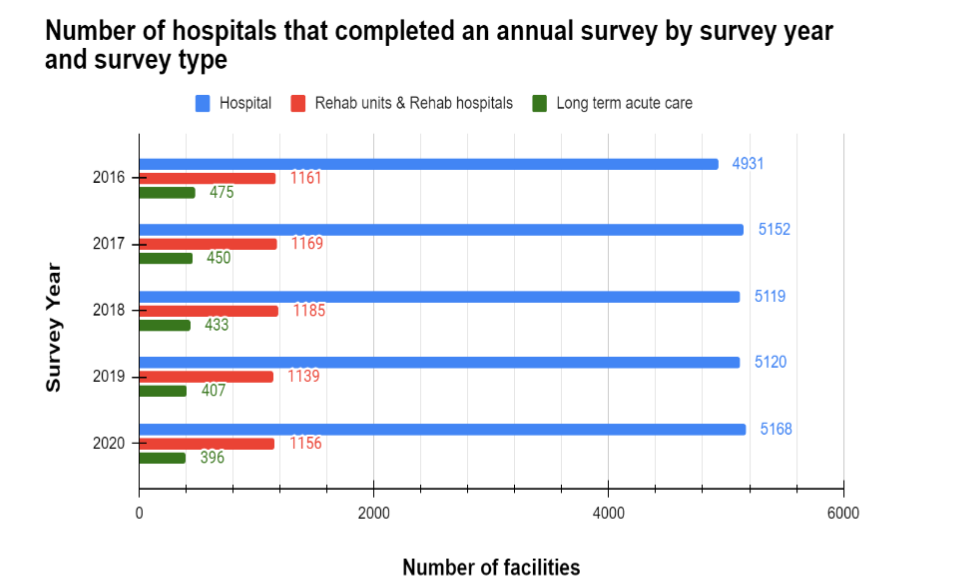
The NHSN PSC Annual Survey collects facility-level data from the previous year from all facilities enrolled in the NHSN Patient Safety Component, including Acute Care Hospitals, Long Term Acute Care (LTAC) facilities, and Inpatient Rehabilitation Facilities (IRF). The survey encompasses sections on facility characteristics, lab practices, infection control practices, antibiotic stewardship practices, and water management and monitoring practices. The collected data are crucial for calculating the HAI Standardized Infection Ratio (SIR) risk adjustment models and tracking HAI incidence, thereby supporting decision-making, program planning, and research across the CDC. Over the past five years, the data from the annual surveys have remained relatively stable, providing consistent insights into facility operations and practices essential for enhancing patient safety and infection control.
Literature review findings
Patient safety and quality improvement are paramount in healthcare, aiming to mitigate errors, enhance care outcomes, and improve overall healthcare delivery. This review synthesizes findings from various studies and interventions across different healthcare settings, highlighting effective strategies that contribute to patient safety and quality improvement. Table 1 below provides a summary of selected studies focusing on patient safety and quality improvement initiatives in healthcare settings.
| Study | Author Name, Year of Study | Study Design | Study Purpose | Study Main Finding | Conclusion |
|---|---|---|---|---|---|
| 1 | Graf et al., 2024 | Observational study; factorial design | Investigate impact of “Room of Improvement” training on detecting patient safety hazards during ICU shift handover | Teams showed increased detection rates for all errors at time 2 compared to time 1; critical errors were detected more frequently than non-critical errors; improved perception of safety culture | Sustained learning effect after 12 weeks; teamwork significantly improved outcomes; improved error detection and safety culture among healthcare workers |
| 2 | Chau, 2024 | Review of existing literature; thematic synthesis | Explore and synthesize literature on safety culture in radiology, highlighting key practices and roles | Effective leadership and practices like safety huddles, leadership walkarounds, and multidisciplinary team rounds enhance safety culture; radiology managers play a key role | A multifaceted approach is essential for fostering a safety culture in radiology; leadership is critical in implementing and maintaining effective safety practices |
| 3 | Alhur et al., 2024 | Quantitative survey; statistical and thematic analysis | Investigate the influence of interprofessional communication on medication error rates in Saudi Arabia | Positive correlation between high-quality communication and hospital employment or 5-20 years of experience; frequent prescription errors reported | Effective interprofessional communication is pivotal in reducing medication errors; targeted communication training and enhanced channels are needed |
| 4 | Finn et al., 2024 | Mixed-methods systematic review | Examine effects of safety culture interventions on hospital staff outcomes | Improved staff outcomes include increased stress recognition, job satisfaction, and reduced burnout; effective interventions have strong institutional support and theory-informed designs | Safety culture interventions benefit hospital staff; design and implementation should focus on staff perceptions, behaviors, and experiences |
| 5 | Sullivan et al., 2024 | Semi-structured interviews; content analysis | Evaluate nationwide Implementation of a Guidebook standardizing safety practices across V.A. care | Identified facilitators and barriers: planning, engaging key knowledge holders, available resources, networks and communications, culture, external policies | Lessons include engaging collaborators, clear communication, and synergistic priorities for improving Guidebook implementation |
| 6 | Al Wachami et al., 2024 | Scoping review; independent screening and analysis | Review of the effectiveness of simulation-based training in oncology healthcare | Significant improvement in non-technical and technical skills noted across studies | Simulation-based training enhances oncology healthcare professionals’ skills, promoting quality of care and patient safety |
| 7 | Farhat et al., 2024 | Analysis of emergency calls using ML algorithms | Assess machine learning techniques for optimizing pre-hospital care | High predictive accuracy in transportation decisions; ML algorithms show transformative potential in pre-hospital care | ML algorithms enhance pre-hospital care quality and efficiency in Qatar |
| 8 | Wegwarth et al., 2024 | Cross-sectional study; survey and prescribing records analysis | Study association between physicians’ risk literacy and prescribing hazardous drugs | Higher risk literacy associated with reduced prescriptions of hazardous drugs; no significant difference in antibiotic prescriptions | Higher risk literacy among G.P.s crucial for patient safety and care quality |
| 9 | Cormick et al., 2024 | Collaborative participatory action research; surveys and reviews | Improve cultural safety of care for Australia’s First Nations people through patient journey mapping | New Health Journey Mapping (HJM) tools developed; effective in promoting culturally safe healthcare practices | HJM tools effectively map patient journeys and promote culturally safe healthcare practices |
| 10 | Cormick et al., 2024 | Quality improvement methods; pre/post-implementation analysis | Enhance patient flow in hospitals through case management | Significant improvements in patient flow metrics; cost savings noted | Structured case management enhances care coordination, patient outcomes, and hospital efficiency |
| 11 | Smith et al., 2024 | Implementation of a strategic framework with interventions | Develop strategies to improve patient progression during the COVID-19 pandemic | Positive impacts on length of stay, operational efficiency, and patient progression metrics | A comprehensive framework improves patient progression and addresses acute care challenges |
| 12 | Smith et al., 2024 | Virtual IPE simulation for healthcare students; pre/post-surveys and video analysis | Assess effectiveness of virtual IPE discharge planning simulation | Significant improvement in IPEC Competency scores and team performance perceptions | Virtual IPE enhances discharge planning and collaboration among healthcare students |
| 13 | Simard et al., 2024 | Study of pre/post-intervention groups using Medication Appropriateness Index | Evaluate impact of standardized prescription for DOACs for VTE on prescription appropriateness | Increase in appropriate prescriptions; improvements in dosing and coverage | Standardized prescriptions optimize care and enhance patient safety |
| 14 | Asadi et al., 2024 | Grounded theory qualitative study with clinical nurses | Explore implementation of medical orders by clinical nurses | Identified themes and strategies to improve safe implementation of medical orders | Strategies include alleviating staff shortages and fostering supportive organizational culture |
| 15 | Recsky et al., 2024 | Qualitative descriptive study with clinical informaticians | Study safety and harm related to health information technologies in primary care | Identified barriers and enablers to HIT safety; enhanced team communication and safety culture | HIT safety initiatives increase knowledge and engagement |
| 16 | Gómez-Moreno et al., 2024 | Qualitative study with phenomenology; in-depth interviews with nurses | Investigate adverse event reporting in surgical departments through nurses’ perspectives | Supportive culture enhances incident reporting and patient safety | Supportive culture enhances incident reporting and patient safety |
Training and education programs, such as the “Room of Improvement” simulation, enhance patient safety during ICU handovers by significantly increasing detection rates for critical errors. Nationwide implementations of standardized safety practices highlight the importance of strategic planning and effective communication. Virtual interprofessional education improves teamwork and communication skills among healthcare students, contributing to more efficient, patient-centered discharge processes.
Targeted training programs, such as the “Room of Improvement” simulation, have proven effective in enhancing healthcare professionals’ ability to detect safety hazards during ICU handovers. These initiatives significantly increase error detection rates, particularly for critical errors, thereby bolstering overall safety culture perceptions among participants. By simulating realistic scenarios, healthcare professionals are better equipped to manage complex situations and ensure patient safety during critical transitions of care. This success in the ICU highlights the importance of structured training programs in other areas of healthcare.
Building on the success of ICU training programs, lessons from nationwide implementations of standardized safety practices across V.A. care facilities emphasize the importance of strategic planning, stakeholder engagement, and effective communication. These factors are critical for successfully adopting and adhering to safety guidelines and ensuring consistent quality of care across diverse healthcare settings. This demonstrates how a systematic approach can mitigate risks, improve care delivery processes, and enhance overall patient outcomes when effectively aligned with organizational goals.
Similarly, virtual interprofessional education has been pivotal in enhancing collaborative competencies among healthcare students involved in discharge planning. By improving teamwork and communication skills, these educational initiatives contribute to more efficient and patient-centered discharge processes. This approach prepares future healthcare professionals to deliver coordinated care, optimize patient outcomes in diverse healthcare settings, and further reinforce the value of targeted educational interventions.
Early integration of quality improvement and patient safety (QIPS) education in health professions, implementation of zero harm programs in nursing services, and Simulation-based training in oncology.
The early integration of quality improvement and patient safety (QIPS) education in health profession curricula equips students with essential skills for improving patient safety in clinical settings. By fostering a culture of continuous improvement and evidence-based practice, educational institutions prepare future healthcare professionals to address healthcare challenges, optimize care processes, and enhance patient outcomes. This interdisciplinary collaboration and integration of QIPS principles into curricula cultivate competent, proactive healthcare leaders who prioritize patient safety and quality improvement.
In nursing, zero-harm programs have significantly reduced preventable incidents, fostering a safety culture and continuous improvement. These programs support sustained improvements in patient care quality and staff well-being, ensuring that healthcare environments prioritize patients’ and healthcare providers’ safety and health. This success in nursing highlights the potential for similar programs in other clinical areas.
Simulation-based training has also emerged as a robust method for improving non-technical and technical skills among oncology professionals. Realistic scenario-based learning significantly enhances care quality and patient safety by allowing healthcare professionals to practice decision-making and teamwork in controlled environments. By simulating complex patient care scenarios, oncology teams can enhance their readiness to manage critical situations and optimize treatment outcomes for cancer patients, demonstrating the broad applicability of simulation-based training.
Cultural safety initiatives for Indigenous populations, Health information technology safety initiatives, Improving operative note documentation, and Enhancing team learning through debriefing sessions.
Cultural safety initiatives, such as Health Journey Mapping, have played crucial roles in promoting culturally safe healthcare practices for Indigenous populations in Australia. These tools facilitate comprehensive patient care planning and strategic mapping, improving healthcare delivery and patient outcomes. Integrating cultural competence into healthcare practices addresses disparities, respects cultural traditions, and ensures equitable access to quality care for Indigenous communities, emphasizing the importance of culturally tailored training programs.
Health information technology (HIT) safety initiatives in primary and community care settings have underscored the significance of enhancing team communication and fostering a culture of safety. These initiatives mitigate risks associated with electronic health records and improve overall patient care outcomes. By integrating user-friendly interfaces and ensuring data integrity, healthcare organizations can optimize HIT systems, enhance clinical workflows, and improve patient safety across diverse care settings, showing the importance of technological training and support.
Educational initiatives and standardized proformas have significantly enhanced operative note documentation completeness, thereby improving patient care quality and safety. Regular audits and ongoing education help maintain high standards in clinical documentation practices. Integrating electronic health records and standardized templates improves communication, streamlines documentation processes, and optimizes patient care coordination, illustrating the impact of standardized training and education on documentation practices.
Finally, routine debriefing sessions in operating rooms enhance psychological safety and team learning among healthcare staff. By facilitating open dialogue and reflection on clinical experiences, these practices foster a culture of continuous learning and improvement. Implementing structured debriefing protocols and promoting feedback loops can enhance teamwork, reduce errors, and improve patient safety outcomes in perioperative care, demonstrating the value of continuous learning and reflective practices in maintaining high safety standards.
Medicines’ safety role in patient safety and quality improvement programs, physicians’ risk literacy and drug prescribing, and multidisciplinary quality improvement in pediatric care.
Effective medicine safety initiatives are essential for optimizing patient outcomes and enhancing the overall quality of care. It is a multifaceted issue that requires a comprehensive approach involving technology, pharmacy-led interventions, interprofessional collaboration, and ongoing education. By integrating these strategies into patient safety and quality improvement programs, healthcare organizations can significantly reduce medication errors, enhance patient outcomes, and improve the overall quality of care.
Higher risk literacy among general practitioners has been shown to correlate with reduced prescriptions of potentially hazardous drugs, directly contributing to enhanced patient safety. Physicians who are more aware of medication risks and equipped with decision-making skills are better able to mitigate these risks, thus improving therapeutic outcomes and reducing adverse drug events. Ongoing education and evidence-based prescribing practices are essential in optimizing medication management protocols across various clinical specialties.
In pediatric intensive care units, multidisciplinary quality improvement efforts have successfully reduced medication errors. These initiatives promote collaboration among healthcare teams, leveraging I.T. systems and pharmacist involvement to enhance medication safety and optimize patient outcomes. Evidence-based protocols and regular performance reviews further improve care delivery processes clinical decision-making, and ensure safe medication practices for pediatric patients.
Increasing pharmacy intervention recording with eXtended Pharmacy Intervention Recording Tool (xPIRT), reducing antibiotic use with evidence-based practices, and promoting interprofessional communication in medication safety.
Implementing the xPIRT toolkit has significantly increased the recording of pharmacy interventions, promoting professional development and service planning in healthcare settings. By standardizing documentation practices and integrating data-driven interventions, pharmacy teams can improve medication management and patient safety outcomes. Optimizing workflow efficiencies and fostering a culture of continuous improvement are crucial for enhancing pharmacy services, mitigating medication errors, and improving overall patient care quality.
Initiatives like EOSCAL have demonstrated the effectiveness of evidence-based practices in reducing antibiotic use among neonates, which optimizes patient care outcomes while reducing healthcare costs. These practices are critical in addressing the global challenge of antibiotic resistance and ensuring neonates receive the most appropriate and effective treatments.
High-quality interprofessional communication is vital for medication safety, as shown in settings like Saudi Arabia. Improved communication channels and targeted training initiatives enhance coordination among healthcare teams, reducing prescription errors and improving patient safety. A culture of shared responsibility and clear communication pathways is essential for enhancing medication safety protocols and optimizing patient therapeutic outcomes.
Standardizing prescriptions for improved medication safety, The crucial role of hospital administration in driving patient safety and quality improvement programs, and Enhancing safety culture among hospital staff.
Standardizing direct oral anticoagulants (DOAC) prescriptions has significantly improved prescription appropriateness and patient safety outcomes. These initiatives streamline medication management protocols, reduce variability in clinical practice, and enhance therapeutic monitoring for patients requiring anticoagulation therapy. By implementing standardized guidelines and leveraging electronic health records, healthcare providers can optimize medication safety and improve clinical outcomes for cardiovascular patients.
Hospital administration is pivotal in driving patient safety and quality improvement programs within healthcare settings. These programs ensure patients receive high-quality care that minimizes risks and maximizes positive health outcomes. Effective hospital administration involves strategic planning, resource allocation, policy development, and fostering a culture of safety across all levels of the organization. Continuous commitment to these principles ensures that hospitals remain at the forefront of delivering high-quality healthcare services while continuously striving for improvement.
In hospital administration, fostering a robust safety culture among healthcare staff is essential for improving overall patient care quality and staff well-being. Systematic reviews indicate that interventions aimed at enhancing safety culture lead to improved stress recognition, job satisfaction, and reduced burnout rates among healthcare professionals. By promoting a culture of safety and empowerment, hospitals can create environments where staff feel valued and motivated to deliver high-quality care consistently.
Leadership practices in radiology for safer care, Machine learning in pre-hospital care, Structured case management approaches, and Comprehensive frameworks in pandemic management.
Effective leadership practices, such as safety huddles and multidisciplinary team rounds in radiology, play pivotal roles in cultivating a strong safety culture. These practices enable proactive risk management and enhance communication among team members, thereby creating safer environments for patient care. Open dialogue and collaborative decision-making in radiology departments not only mitigate risks associated with diagnostic procedures but also ensure the delivery of high-quality, safe care to patients.
Innovations in healthcare technology, such as machine learning algorithms in pre-hospital care, have revolutionized decision-making processes and improved patient outcomes. Machine learning demonstrates high predictive accuracy in transportation decisions and resource allocation, optimizing emergency response times and enhancing overall healthcare efficiency. By leveraging predictive analytics, healthcare systems can allocate resources effectively and improve patient care quality across diverse clinical settings.
Structured case management approaches within hospital settings have shown significant improvements in patient flow metrics. These approaches reduce length of stay, enhance bed turnover rates, and improve care coordination, thereby optimizing resource utilization and patient care outcomes. By implementing evidence-based protocols and fostering interdisciplinary collaboration, healthcare teams streamline care delivery processes and enhance overall efficiency in managing patient populations.
During the COVID-19 pandemic, comprehensive frameworks in pandemic management have played crucial roles in improving patient progression and operational efficiency. These frameworks streamline care processes, enhance capacity management, and improve clinical outcomes amidst healthcare crises. By integrating adaptive strategies and evidence-based protocols, healthcare systems optimize response efforts, mitigate transmission risks, and ensure continuity of care for patients affected by infectious diseases.
Improving implementation of medical orders by clinical nurses, Enhancing incident reporting in surgical settings, and Addressing verbal mistreatment in mental health centers.
Clinical nurses’ strategies to improve the safe implementation of medical orders emphasize organizational support and professional development. Addressing workload pressures and fostering a supportive culture is essential in enhancing medication safety and patient care quality. By promoting interdisciplinary collaboration and implementing standardized protocols, nursing teams improve adherence to treatment plans, reduce errors, and optimize patient outcomes in clinical practice.
Supportive organizational cultures are critical in enhancing incident reporting and fostering transparent communication in surgical settings. Effective reporting mechanisms and a non-punitive environment improve patient safety and facilitate continuous quality improvement in surgical care. Interdisciplinary collaboration and learning from adverse events enable surgical teams to implement preventive measures and enhance patient outcomes in perioperative care.
Training initiatives like the ERASE framework effectively address verbal mistreatment of staff in mental health centers. By promoting respectful communication and supportive practices, these programs improve staff well-being and enhance clinical practice standards. Implementing behavioral guidelines and providing ongoing training create safer and more therapeutic environments for both patients and staff in mental health settings.
Strengths and limitations and key recommendations and future directions
This review article demonstrates several strengths in integrating diverse studies and interventions to improve patient safety and quality across healthcare settings. It comprehensively covers topics ranging from targeted training programs to the application of machine learning, offering valuable insights for healthcare professionals, policymakers, and researchers. Analyzing outcomes and implications enhances understanding of tailored implementation strategies for optimal patient care. However, limitations include variability in study designs, potentially affecting generalizability, and a focus on predominantly positive outcomes may overlook challenges and unintended consequences. Additionally, reliance on published literature may exclude unpublished data and emerging practices. Despite these constraints, the review provides a foundational synthesis of current evidence, guiding future research and practice in patient safety and quality improvement.
The comprehensive review highlights critical recommendations to advance patient safety and quality improvement in healthcare facilities. First, healthcare organizations should prioritize continuous training and leadership development to foster a robust culture of safety among staff. Integrating advanced technologies like machine learning and standardized protocols can further enhance error prevention and streamline care processes. Promoting interdisciplinary collaboration is essential for improving medication safety and incident reporting across diverse healthcare settings. Structured case management and pandemic frameworks should be implemented to ensure effective crisis response and ongoing care coordination. Future directions should emphasize longitudinal studies to evaluate the long-term impact and scalability of these initiatives. Additionally, research should focus on developing tailored cultural safety programs to address disparities in healthcare delivery. Embracing these recommendations and advancing research in evidence-based practices will be pivotal in achieving sustained improvements in patient outcomes and healthcare quality globally.
Conclusion
In conclusion, this review highlights a wide array of effective strategies and interventions aimed at enhancing patient safety and quality improvement in diverse healthcare settings. From targeted training programs and leadership practices to advanced technologies like machine learning and simulation-based training, each approach offers unique opportunities to mitigate risks, improve care outcomes, and foster a culture of safety. The findings underscore the critical importance of proactive measures, interdisciplinary collaboration, and continuous learning in achieving safer and more effective healthcare delivery globally. While acknowledging the strengths and limitations of the reviewed studies, this synthesis provides valuable insights for healthcare professionals, policymakers, and researchers seeking evidence-based practices to enhance patient care. Moving forward, integrating these strategies into healthcare systems worldwide will be essential to addressing ongoing challenges and optimizing patient safety and quality of care.
Disclaimers: This article has not been submitted to other publications and/or presented at conferences or meetings.
Source(s) of fund support: None.
Funding Statement: The research received no specific funding from any source.
Data Availability: The data used in this study was from publicly available published research papers.
Conflict of interest: All authors declare no conflicts of interest.
Regulatory Approval or Research Subject Protection Requirements: This manuscript does not require regulatory approval.
Ethical approval: This Paper does not require ethical approval.
Author contribution: All authors played several overlapping contributory roles such as: Conceptualization, design, cross-referencing, and fact-checking; Formal Analysis and interpretation of data; project administration, curation, visualization, writing – original draft, writing – review & editing; supervision, oversight, and leadership, correspondence, data curation, quality control, internal review, communications, data collection and archiving, software, literature search, validation, and approval.
References
1. MacGillivray TE. Advancing the Culture of Patient Safety and Quality Improvement. Methodist Debakey Cardiovasc J. 2020;16(3):192-198. doi:10.14797/mdcj-16-3-192
2. Bhati D, Deogade MS, Kanyal D. Improving Patient Outcomes Through Effective Hospital Administration: A Comprehensive Review. Cureus. 2023;15(10):e47731. Published 2023 Oct 26. doi:10.7759/cureus.47731
3. WHO: Patient Safety (2023) Accessed on: June 10, 2024. Patient safety (who.int)
4. NIH: Quality improvement methods (2024). Accessed on: June 10, 2024. Quality Improvement Methods (LEAN, PDSA, SIX SIGMA) – StatPearls – NCBI Bookshelf (nih.gov)
5. Jones B, Vaux E, Olsson-Brown A. How to get started in quality improvement. BMJ. 2019;364:k5408. Published 2019 Jan 17. doi:10.1136/bmj.k5437
6. Sharkiya SH. Quality communication can improve patient-centred health outcomes among older patients: a rapid review. BMC Health Serv Res. 2023;23(1):886. Published 2023 Aug 22. doi:10.1186/s12913-023-09869-8
7. Endalamaw, A., Khatri, R.B., Mengistu, T.S. et al. A scoping review of continuous quality improvement in healthcare system: conceptualization, models and tools, barriers and facilitators, and impact. BMC Health Serv Res 24, 487 (2024). https://doi.org/10.1186/s12913-024-10828-0
8. Institute for Healthcare Improvement. Quality Improvement Essentials Toolkit. Accessed on: June 10, 2024. Quality Improvement Essentials Toolkit | Institute for Healthcare Improvement (ihi.org)
9. Hussein M, Pavlova M, Ghalwash M, Groot W. The impact of hospital accreditation on the quality of healthcare: a systematic literature review. BMC Health Serv Res. 2021;21(1):1057. Published 2021 Oct 6. doi:10.1186/s12913-021-07097-6
10. NIH: Quality in healthcare. Accessed on: June 10, 2024. QUALITY IN HEALTHCARE – 2021 National Healthcare Quality and Disparities Report – NCBI Bookshelf (nih.gov)
11. The lancet Global Health Commission on high quality health systems. Accessed on: June 10, 2024. The Lancet Global Health Commission on High Quality Health Systems 1 year on: progress on a global imperative – The Lancet Global Health
12. Chen Z, Liang N, Zhang H, et al. Harnessing the power of clinical decision support systems: challenges and opportunities. Open Heart. 2023;10(2):e002432. Published 2023 Nov 28. doi:10.1136/openhrt-2023-002432
13. WHO: Strengthening the health system response to COVID-19. Accessed on: June 10, 2024. Strengthening the health system response to COVID-19 (who.int)
14. Shenoy A. Patient safety from the perspective of quality management frameworks: a review. Patient Saf Surg. 2021;15(1):12. Published 2021 Mar 22. doi:10.1186/s13037-021-00286-6
15. WHO: Quality Health services (2020). Accessed on June 10, 2024. Fact sheet: Quality health services (who.int)
16. CDC: Epidemic Intelligence service. Accessed on: June 10, 2024. Healthcare Settings | Epidemic Intelligence Service | CDC
17. CDC: Summary of patient safety Component Annual Survey Data 2016-2020. Accessed on: June 10, 2024. Summary of Patient Safety Component Annual Survey Data 2016-2020 (cdc.gov)
18. Graf C, Rüst CA, Koppenberg J, et al. Enhancing patient safety: detection of in-hospital hazards and effect of training on detection (by training in a low-fidelity simulation Room of Improvement based on hospital-specific CIRS cases). BMJ Open Qual. 2024;13(2)
. Published 2024 May 29. doi:10.1136/bmjoq-2023-002608.
19. Chau M. Enhancing safety culture in radiology: Key practices and recommendations for sustainable excellence. Radiography (Lond). Published online May 25, 2024. doi:10.1016/j.radi.2024.04.025.
20. Alhur A, Alhur AA, Al-Rowais D, et al. Enhancing Patient Safety Through Effective Interprofessional Communication: A Focus on Medication Error Prevention. Cureus. 2024;16(4)
. Published 2024 Apr 10. doi:10.7759/cureus.57991.
21. Finn M, Walsh A, Rafter N, et al. Effect of interventions to improve safety culture on healthcare workers in hospital settings: a systematic review of the international literature. BMJ Open Qual. 2024;13(2)
. Published 2024 May 7. doi:10.1136/bmjoq-2023-002506.
22. Sullivan JL, Shin MH, Chan J, et al. Quality improvement lessons learned from National Implementation of the “Patient Safety Events in Community Care: Reporting, Investigation, and Improvement Guidebook”. Health Serv Res. Published online May 8, 2024. doi:10.1111/1475-6773.14317.
23. Al Wachami N, Chahboune M, Youlyouz-Marfak I, Mesradi MR, Lemriss H, Hilali A. Improving the quality of care and patient safety in oncology, the contribution of simulation-based training: A scoping review. Int J Nurs Sci. 2024;11(2):187-196. Published 2024 Mar 7. doi:10.1016/j.ijnss.2024.03.005.
24. Farhat H, Makhlouf A, Gangaram P, et al. Predictive modelling of transport decisions and resources optimisation in pre-hospital setting using machine learning techniques. PLoS One. 2024;19(5)
. Published 2024 May 3. doi:10.1371/journal.pone.0301472.
25. Wegwarth O, Hoffmann TC, Goldacre B, Spies C, Giese HA. General practitioners’ risk literacy and real-world prescribing of potentially hazardous drugs: a cross-sectional study. BMJ Qual Saf. Published online May 22, 2024. doi:10.1136/bmjqs-2023-016979.
26. Cormick A, Graham A, Stevenson T, Owen K, O’Donnell K, Kelly J. Co-designing a Health Journey Mapping resource for culturally safe health care with and for First Nations people. Aust J Prim Health. 2024;30
. doi:10.1071/PY23172.
27. Cormick A, Graham A, Stevenson T, Owen K, O’Donnell K, Kelly J. Co-designing a Health Journey Mapping resource for culturally safe health care with and for First Nations people. Aust J Prim Health. 2024;30:PY23172. doi:10.1071/PY23172
28. Smith LE, Escobar T, McCabe A, et al. Optimization of Patient Progression in a New Era: A Comprehensive Framework. Prof Case Manag. 2024;29(3):91-101. doi:10.1097/NCM.0000000000000700.
29. Smith LM, Jacob J, Prush N, et al. Virtual Interprofessional Education: Team Collaboration in Discharge Planning Simulation. Prof Case Manag. Published online March 1, 2024. doi:10.1097/NCM.0000000000000717.
30. Simard C, Poirier-Blanchette L, Rizzolo A, et al. Standardized direct oral anticoagulants prescription for treatment of acute venous thromboembolism in the emergency department: A quality improvement initiative. Thromb Res. 2024;236:68-73. doi:10.1016/j.thromres.2024.02.015.
31. Asadi M, Ahmadi F, Mohammadi E, Vaismoradi M. A grounded theory of the implementation of medical orders by clinical nurses. BMC Nurs. 2024;23(1):113. Published 2024 Feb 13. doi:10.1186/s12912-024-01775-6.
32. Recsky C, Rush KL, MacPhee M, et al. Clinical Informatics Team Members’ Perspectives on Health Information Technology Safety After Experiential Learning and Safety Process Development: Qualitative Descriptive Study. JMIR Form Res. 2024;8. Published 2024 Feb 5. doi:10.2196/53302.
33. Gómez-Moreno C, Vélez-Vélez E, Garrigues Ramón M, Rojas Alfaro M, García-Carpintero Blas E. Patient safety in surgical settings: A study on the challenges and improvement strategies in adverse event reporting from a nursing perspective. J Clin Nurs. 2024;33(6):2324-2336. doi:10.1111/jocn.17047.
34. Steiner JL, Belisle N, Cahill JD, et al. Adopting a Novel Approach to Prevent and Address Patient Mistreatment of Staff in a Community Mental Health Center. Psychiatr Serv. 2024;75(5):492-495. doi:10.1176/appi.ps.20230234.
35. Hassan RE, Akbar I, Khan AU, et al. A Clinical Audit of Operation Notes Documentation and the Impact of Introducing an Improved Proforma: An Audit Cycle. Cureus. 2023;15(12). Published 2023 Dec 10. doi:10.7759/cureus.50281.
36. McElroy C, Skegg E, Mudgway M, et al. Psychological Safety and Hierarchy in Operating Room Debriefing: Reflexive Thematic Analysis. J Surg Res. 2024;295:567-573. doi:10.1016/j.jss.2023.11.054.
37. Ghezaywi Z, Alali H, Kazzaz Y, et al. Targeting zero medication administration errors in the pediatric intensive care unit: A Quality Improvement project [published correction appears in Intensive Crit Care Nurs. 2024 Apr 2;83:103687. doi: 10.1016/j.iccn.2024.103687]. Intensive Crit Care Nurs. 2024;81:103595. doi:10.1016/j.iccn.2023.103595.
38. Baptista R, Williams M, Price J. Improving the impact of pharmacy interventions in hospitals. BMJ Open Qual. 2023;12(4)
. doi:10.1136/bmjoq-2023-002276.
39. Sara SA, Schwarz A, Knopp MI, Warm EJ. Twelve tips for creating a longitudinal quality improvement and safety education for early health professions students. Med Teach. 2024;46(3):330-336. doi:10.1080/0142159X.2023.2274137.
40. Paraparambil Vellamgot A, Salameh K, AlBedaywi RR, et al. Kaiser Permanente early-onset sepsis calculator as a safe tool for reducing antibiotic use among chorioamnionitis-exposed term neonates: Qatar experience. BMJ Open Qual. 2023;12(4). doi:10.1136/bmjoq-2023-002459.
41. Obaid LM, Ali I, Al Baker A, et al. Sustaining a culture of safety and optimising patient outcomes while implementing zero harm programme: a 2-year project of the nursing services – SBAHC. BMJ Open Qual. 2023;12(4). doi:10.1136/bmjoq-2022-002063.
Most read articles by the same author(s)
- Okoro Miracle Chinonso, MD, Ifeoluwa Mary Falade, MD, Pamela C William-Enemali, MBBS, Eberechukwu .G. Anamazobi, MD, Tricia O. Okoye, MD, Chinelo Igweike, MD, Ogochi Blessing Chukwuneke, Sheeba Abraham Jeyaraj, MBBS, PGDFM, MSCR, Falilatu Bose Akinyemi, MD, MBA, Beloveth C. Annonye, Evelyn Omowunmi Fatoye, MD, Okelue Edwards Okobi, MD, MS, The Role of Gut Microbiota in the Development of Type 2 Diabetes Mellitus , Medical Research Archives: Vol 12 No 7 (2024): Vol 12 No 7 (2024): July issue
- Grace A. Gbigbi-Jackson, John Chika Aguguo, MD, Okelue E. Okobi, MD, Oluwatosin B. Iyun, MD, MPH, Linda Angela Mbah, MD, Oluwadamilola Daniel Odutola, MD, MBBS, Understanding the Chronic Disease Management Programs: A Comprehensive Literature Review , Medical Research Archives: Vol 12 No 7 (2024): Vol 12 No 7 (2024): July issue