

Home > Medical Research Archives > Meet the community > Matteo Posa
Author spotlight
Nadia Gomez
University of Florida, editor for Medical Research Archives
Alex Clark
Editorial Team, Medical Research Archives
Mehdi Rajabi
Albany College of Pharmacy and Health Sciences
Warren, W. Boling Jr.
Austin College
Dwight Culver
University of California
Michael J. Griffin
Midwestern University
Marieke van Engelenburg-van Lonkhuyzenin
Maastricht University
Franco Posa
Scientific Director at NeuroIntelligence
Ji Chen Bihl
Wright State University
Cuilan Li
Wuhan University
Benedetto Sacchetti
Italian National Institute of Health
Nandan Kumar Mondal
University of Louisville
Dr. Ritchie Shoemaker & Dr. Andrew Heyman
The Medical Research Archives recently featured insights from Dr. Ritchie Shoemaker and Dr. Andrew Heyman through their collaborative discussion and related body of work on the health consequences of exposure to water-damaged buildings, amplified microbial growth, and the accelerating role of climate change in indoor environmental risks.
In a companion video spotlight, Drs. Shoemaker and Heyman examine how rising global humidity levels, more frequent water intrusion events, and climate-driven shifts are creating ideal conditions for complex microbial proliferation (including fungi, actinobacteria, gram-negative rods, cyanobacteria, and endotoxins) inside homes—even in the absence of obvious leaks or flooding. They outline practical, evidence-based strategies to protect occupants: small particle cleaning protocols to reduce microbial and dust burden, maintaining indoor humidity between 40–50%, advanced air filtration, visual contrast sensitivity (VCS) testing as a quick non-invasive screen for biotoxin exposure, and a new digital home safety assessment tool that scores risk across eight categories.
By integrating decades of clinical and molecular research on Chronic Inflammatory Response Syndrome (CIRS) with forward-looking preventive approaches, their work offers clinicians, building professionals, and the public actionable tools to mitigate growing indoor health threats in a changing climate.
Read the related research and watch the authors’ video (embedded on the ESMED website and available on our official YouTube channel) to explore these urgent topics in depth.
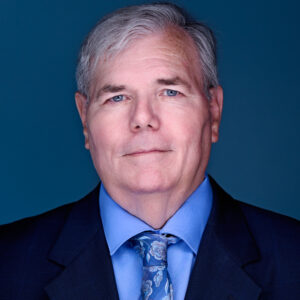
Dr. Ritchie Shoemaker, CMO, PROGENEDX
Dr. Andrew Heyman
Member video
In the video, Drs. Shoemaker and Heyman explain:
- How climate change is increasing atmospheric water content (≈7% more per 1°C rise), enabling widespread indoor microbial growth without visible water damage
- Why exposure to water-damaged buildings triggers inflammatory (not just allergic or infectious) immune responses, leading to multi-system chronic illness
- The microbial complexity involved: actinobacteria seeking alkaline niches, fungi preferring acidic ones, and genetic exchange creating novel biotoxin producers
- The value of simple, early-detection tools like visual contrast sensitivity testing to identify biotoxin effects before symptoms become severe
- Practical home-level interventions: small particle cleaning techniques, humidity control, upgraded filtration, and structured risk assessment frameworks
- The long evolution from public/medical skepticism in the 1990s to current acceptance of molecular and transcriptomic evidence supporting these illnesses
Research Focus Explained by Dr. Ritchie Shoemaker & Dr. Andrew Heyman
Research Focus
Dr. Shoemaker has pioneered the understanding of Chronic Inflammatory Response Syndrome (CIRS) caused by exposure to the interior environment of water-damaged buildings (WDB). His work identifies how biotoxins and inflammagens (beta-glucans, mannans, endotoxins, volatile organic compounds, and more) drive persistent multi-system inflammation rather than classic allergy or infection.
Dr. Heyman brings expertise in integrative and preventive medicine, focusing on real-world mitigation strategies and tools for safer indoor environments. Together they emphasize:
- The direct link between climate change (higher humidity, extreme weather) and increased prevalence of harmful indoor microbial ecosystems
- The need to move beyond mold-centric views to address the full “stew” of bacteria, fungi, and byproducts
- Preventive and diagnostic innovations: VCS testing, small particle cleaning, humidity management, and emerging quantitative home risk assessment tools
- The imperative for interdisciplinary training and policy to protect public health as environmental pressures intensify
This spotlight highlights their combined efforts to translate complex environmental health science into practical protection against one of the most under-recognized public health challenges of our time.
Submit your Paper
Submit your own paper to the European Society of Medicine’s official journal, the Medical Research Archives.
These are just some of the nearly 4,000 members, authors, and speakers who are part of the European Society of Medicine’s community. Our members work in countries across the globe, yet are united by a common goal: to promote health and health equity, around the world.
Join the Society
The European Society of Medicine is more than a professional association. We are a community. Our members work in countries across the globe, yet are united by a common goal: to promote health and health equity, around the world.
If you believe in ESMED and everything we stand for, take the next step and support our mission by becoming a member.

Professional Membership
- Free publication of 3 articles per year (€9,750+ value)
- Access to job board and funding directory
- Mentorship program
- Ability to post presentations
Membership fee
999 EUR/USD
Reduced Membership
* Available for these developing nations
- Free publication of 2 articles per year (€4,000+ value)
- Access to job board and funding directory
- Mentorship program
- Ability to post presentations