

Substance Use Disorders in Young HIV Patients in Ghana
Substance Use Disorders Among Young People Living with HIV in Sub-Saharan Africa: Insights from a Cohort Study in Ghana
Joseph C. Ikekwere1, Brady Eiger1, Ruth Owusu-Amankwah1, Vivien Obiri-LyewU1, Abosede Elizabeth Fabgbenie1, Alastair N. Akoh1, Anthony Kwame Ennin1, John-Paul Omusula1, Charles Martyns-Dickson1, Adeola Jegede1, Adeola Funmi Oladunjoye1, Dennis Bosumtwi1, Ikponmwen-Jude Ogieh1, Victory Agbodo1, Adetola Emmanuel Babatunde1, Victor Oluwatoyin Aiyegbusi1
- AI-Health – Southwest Psychiatric Services (SPSY) University of Illinois at Chicago, Illinois, USA
- Addiction Programs Section, Jesse Brown VAMC, University of Illinois at Chicago, Illinois, USA
- The Robert Larner, M.D. College of Medicine at The University of Vermont, Vermont, USA
- Department of Behavioural Sciences, Kwame Nkrumah University of Science and Technology, Kumasi, Ghana
- Komfo Anokye Teaching Hospital, Kumasi, Ghana
- Yale School of Medicine, New Haven, USA
- Massachusetts General Hospital, Massachusetts, USA
- Siberian State Medical University, Tomsk, Russia
- Federal University Teaching Hospital, Owerri, Nigeria
- Kornberg School of Dentistry, Temple University, Philadelphia, USA
- Ladoke Akintola University of Technology,
Ogbomoso, Nigeria
OPEN ACCESS
PUBLISHED: 30 April 2025
CITATION: Ikekwere, J.C., et al., 2025. Substance Use Disorders Among Young People Living with HIV in Sub-Saharan Africa: Insights from a Cohort Study in Ghana. Medical Research Archives, [online] 13(4).
https://doi.org/10.18103/mra.v13i3.6422
COPYRIGHT: © 2025 European Society of Medicine.
This is an open-access article distributed under the terms of the Creative Commons Attribution License, which permits unrestricted use, distribution, and reproduction in any medium, provided the original author and source are credited.
DOI: https://doi.org/10.18103/mra.v13i3.6422
ISSN 2375-1924
ABSTRACT
Background:
Substance use disorders are a growing public health concern, especially among adolescents and young people, as they are disproportionately affected. In sub-Saharan Africa, the estimated overall prevalence of substance use disorders is 41.6%. Substance use disorders lead to challenges among young people living with HIV, including reduced adherence to antiretroviral therapy, worsened health outcomes, and increased risk of HIV transmission. Hence, understanding the patterns and prevalence of substance use disorders among this population is essential for effective mitigative strategies and interventions. This study aims to evaluate the patterns and prevalence of substance use disorders among young people living with HIV and their HIV-negative close relatives in Ghana.
Method:
A cohort study was conducted among young people living with HIV receiving treatment at Komfo Anokye Teaching Hospital (KATH) in Kumasi, Ghana, and their HIV-negative close relatives who are aware of the HIV status of the young people living with HIV. 196 participants aged between 12–24 years were recruited and organized into two groups in equal distribution: young people living with HIV (Case) and HIV-negative close relative (Control). Data was collected between October 22, 2021, and November 14, 2021, using the World Health Organization (WHO)-validated Alcohol, Smoking, and Substance Involvement Screening Test (ASSIST) version 3.0. Inferential and descriptive analyses were done using IBM SPSS 27.0, where significance was set at p < 0.05.
Results:
Females accounted for 53.57% of the total sample (n = 105) and were between 12 and 24 years old (n = 77; 39.29%). Alcohol was the most reported substance used (n = 46; 23.47%), with 24 controls and 22 cases. Participants in the case group showed high adherence to ART but reported few instances where substance use has impacted their responsibilities. Substance use disorders were found to be generally higher among controls, as they were generally more engaged in substance use.
Conclusion:
The prevalence of substance use disorders was higher in the HIV-negative close relatives of young people living with HIV. This could be a result of regular counselling received by the young people living with HIV. Efforts should be made to integrate substance use prevention counselling for both young people living with HIV and their close contacts to reduce the burden of substance use disorders.
Keywords: HIV; Substance Use; Ghana; Africa; Psychiatry; ART
1. Introduction
Substance Use Disorder (SUD) is defined by the lack of control over substance abuse, leading to a negative impact on behaviour, emotional reactions and interpersonal relationships¹. This can be detrimental to health as it can result in poor physical and mental health as well as chronic diseases such as cardiovascular diseases, liver diseases and depression². SUDs are a public health concern and have a significantly higher prevalence in Africa compared to other regions³. The estimated overall prevalence of SUDs among adolescents in sub-Saharan Africa is 41.6%, with alcohol and tobacco being the most commonly used substances, reported at prevalence rates of 32.8% and 23.5%, respectively⁴. Despite the serious health risks associated with SUDs, access to appropriate treatment and rehabilitation services remains limited in many parts of sub-Saharan Africa, further exacerbating the issue. This highlights the urgency in the need to address SUDs in adolescents and youths, especially those with conditions like HIV as engagement in SUDs can lead to reduced antiretroviral therapy adherence and increased HIV transmission risk⁵.
Globally, about 40 million people are living with HIV as of 2024, and more than half of this population (26 million) are in the African region⁶. Notably, adolescent girls and young women aged 15–24 years represented 63% of all new HIV infections in 2021⁷. Young people living with HIV (YPLWH) face several challenges, including financial barriers, stigma, discrimination as well as difficulties in disclosure of their status stemming from lack of trust and confidence⁸. Studies show a high prevalence between substance use and YPLWH⁹˒¹⁰ due to increased distress¹¹ and other factors.
Studies have found numerous factors associated with SUD among YPLWH, such as male sex, employment status, unstable housing, identifiable viral load, and psychiatric symptoms, amongst others⁹˒¹²˒¹³. Substance use among this population is also moderated by several variables, including socioeconomic status, criminal justice participation, and mental health disorders⁹˒¹⁴. Moreover, the co-occurrence of substance use, mental health challenges, and HIV-related stigma can lead to a cycle of worsening health outcomes, making it even harder for affected individuals to seek support and adhere to treatment.
Ghana is a sub-Saharan African country with a high HIV burden among adolescents and youths. Studying the moderators of SUD among this population is crucial as this age group faces some challenges, such as peer pressure and mental health issues. Hence, this study aims to elucidate the prevalence, patterns and moderators of substance use disorder among a cohort of YPLWH and their HIV-negative close relatives from a Ghanaian clinic. Identifying the patterns and moderators of SUDs in this vulnerable population can result in tailored and more effective interventions, leading to a better HIV treatment outcome.
2. Methods
2.1 STUDY DESIGN
This study was a cohort observational study where the study participants were organized into two arms: Case and Control. The infected population was recruited from the HIV clinic located at the Komfo Anokye Teaching Hospital (KATH) in Kumasi, Ghana. Eligible participants were asked to identify young family members or close associates who were aware of their HIV status. These individuals were invited to participate in the study, during which they were asked if they felt comfortable undergoing HIV testing, sharing their experiences if they tested negative, and their willingness to participate in the study. The study team engaged these individuals based on established inclusion and exclusion criteria, followed by obtaining consent for recruitment.
2.2 STUDY POPULATION
The study included young individuals aged 12 to 24 years residing in Kumasi comprising YPLWH and Young People Affected by HIV (YPAH). The YPLWH (case) consisted of individuals aware of their HIV status and receiving treatment at the Komfo Anokye Teaching Hospital (KATH) Adolescent and Young Adult HIV Clinic. These participants represented a diverse group, including those infected during adolescence and those infected as infants who had survived with the support of antiretroviral therapies (ART). On the other hand, the YPAH (control) involved family members or close associates of the infected participants who were aware of the HIV-positive status of their peers and were willing to undergo HIV testing and share their experiences. These individuals were HIV-negative and were believed to have faced psychosocial and/or economic burdens similar to those of the infected group. Their inclusion enabled comparisons regarding exposure to substance use disorder and other factors.
2.3 ELIGIBILITY AND EXCLUSION CRITERIA
2.3.1 Inclusion Criteria
The inclusion criteria were young people aged 12 to 24 years who have been diagnosed and living with HIV infection, as well as close associates or family members who are aware of the infected participant’s status, willing to test and know their HIV status, and participate in the study, were included in our study. Finally, only participants who fulfilled the aforementioned criteria and showed willingness to provide written consent and, where applicable, assent were involved in our study.
2.3.2 Exclusion Criteria
Our study excluded individuals with advanced medical conditions that impair their cognitive ability to provide informed consent and who showed an unwillingness to participate in the consent process.
2.4 STUDY SITE
The study was conducted at Komfo Anokye Teaching Hospital (KATH) in Kumasi, a 1,200-bed facility and the second-largest teaching hospital in Ghana. The hospital serves approximately 4 million people in the Ashanti Region and is affiliated with the Kwame Nkrumah University of Science and Technology (KNUST). KATH’s HIV clinic provides care to approximately 430 adolescent patients annually and is a referral centre for multiple regions across Ghana.
2.5 DATA INSTRUMENT
Quantitative data was collected between 22nd October 2021 and 14th November 2021 using the WHO-validated Alcohol, Smoking, and Substance Involvement Screening Test (ASSIST) version 3.0. The sociodemographic information of the participants, which included the age at study entry, gender, sex orientation, education level, number of siblings, HIV status, and treatment type, was also collected.
The ASSIST version 3.0 is an 8-item standardized tool developed by the WHO to assess substance use over the last 3 months¹⁵. It is suitable for commonly used substances, including tobacco products, alcohol, cannabis, inhalants, opioids, cocaine and others. The ASSIST tool gathers information from individuals regarding their lifetime substance use, as well as substance use and related issues within the past three months. It can detect various substance use-related concerns, including acute intoxication, habitual use, high-risk or dependent use, and injecting practices. The ASSIST tool generates a risk score for each substance, which serves as the basis for initiating a discussion (brief intervention) with individuals about their substance use. Each score places the substance use into one of three categories: ‘low (0–3) or (0–10 for alcohol),’ ‘moderate (4–26) or (11–26 for alcohol),’ or ‘high’ risk (27+)¹⁵. These categories guide appropriate responses, ranging from no treatment for low risk to brief intervention for moderate risk and ‘referral to specialist assessment and treatment’ for high risk. Scoring is calculated by summing the responses to questions 2 through 7, while question 8 is excluded from the specific substance involvement score. However, injecting behaviour (addressed in question 8) is recognized as a significant high-risk activity. It is strongly associated with an increased risk of overdose, dependence, bloodborne infections such as HIV and hepatitis C, and other severe drug-related complications.
2.6 STUDY PROCEDURES
The case group was first recruited during routine HIV clinic visits at KATH. Medical records were reviewed to identify eligible participants. Once eligibility was confirmed, participants were asked to identify two family members or close associates for potential recruitment. After obtaining consent, participants completed the questionnaire for 20–30 minutes. The control group, close associates or family members nominated by the infected participants were approached and informed about the study. After consenting, they underwent HIV testing to confirm their negative status. Eligible individuals, such as those in the infected group, completed the survey. In cases where the first nominee declined or tested positive, the second nominee was considered for recruitment. For participants aged 12, assent and parental consent were obtained, covering the exact details. Recruitment and engagement occurred during routine clinic visits, with materials available in English and optionally translated into Twi. A unique number was assigned to each participant for easy identification throughout the study period.
2.7 SAMPLE SIZE AND SAMPLING
A mixed sampling approach was employed. Purposive sampling was used to select the study site and the infected participants, who, in turn, suggested close associates and family members whom we approached to participate in the study. The sample size was determined based on accessibility and the study’s objectives.
2.8 STATISTICAL ANALYSIS
The data were first scored and cleaned with Microsoft Excel and analysed using IBM SPSS v. 27.0 (IBM Corp, Version 25.0, and Armonk, NY, USA). Descriptive statistics summarized the demographic and outcome measures. A regression model was developed to test several potential moderators, such as age, gender, socioeconomic status, and HIV-related factors, to see how they affect the relationship between risk factors and the severity of SUD. The analysis looked at the main effects of these moderators and how they interacted with the primary predictors, providing a clearer understanding of how these factors influence SUD outcomes in this group. The results revealed which variables significantly changed the strength or direction of the relationship between the predictors and SUD, offering insights into possible intervention strategies for this vulnerable population. Additionally, the study highlighted how factors like gender and socioeconomic status might affect the effectiveness of treatment and how HIV-related factors could play a role in the severity of substance use. All analyses were done with a significance level set at p<0.05.
2.9 ETHICAL CONSIDERATIONS
Ethical approval with reference No: KATH IRB/RR/096/21 was obtained from the Institutional Review Board at KATH. All participants provided informed consent or assent where applicable. The study adhered to ethical guidelines, ensuring confidentiality and offering support services for participants diagnosed with HIV during the study process.
3. Results
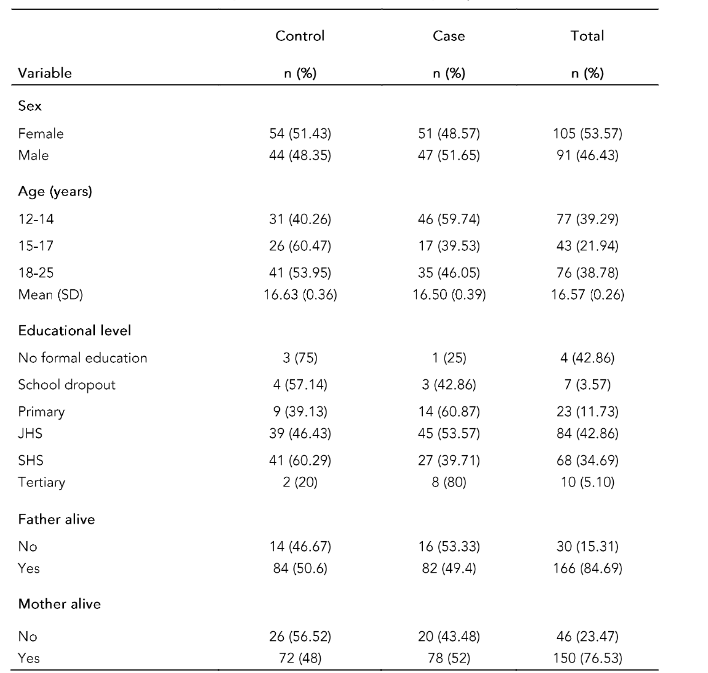
This study had a total of 196 respondents. Table 1 presents the background characteristics of the study respondents, divided into control and case groups, as well as their overall distribution. For gender, females accounted for 53.57% of the total sample, with a nearly equal representation between the control group (54 (51.43%)) and the case group (44 (48.57%)). The majority of the respondents (77 (39.29%)) were within 12–14 years of age, with 31 (40.26%) and 46 (59.74%) in the control and case groups, respectively. The overall mean age of respondents was 16.57 years, with a slight variation between the control group (16.63 years) and the case group (16.50 years).
Assessing the ARV medication intake among the cases, Lamivudine (3TC) was reported as the most frequently used (24 (%)). The next most frequently used were Dolutegravir (DTG), used in 20 cases (10.2%), and Tenofovir Disoproxil Fumarate (TDF), used in 15 cases (7.65%). Zidovudine (AZT), Abacavir (ABC) and Efavirenz (EFV) were reported to be used in 11 cases (5.61%), 4 cases (5.61%), and 4 cases (2.04%). Only 3 cases (1.53%) reported the use of Lopinavir/ritonavir (LPV/r). Most respondents (92 cases, 93.88%) reported adhering to their ARV medication.
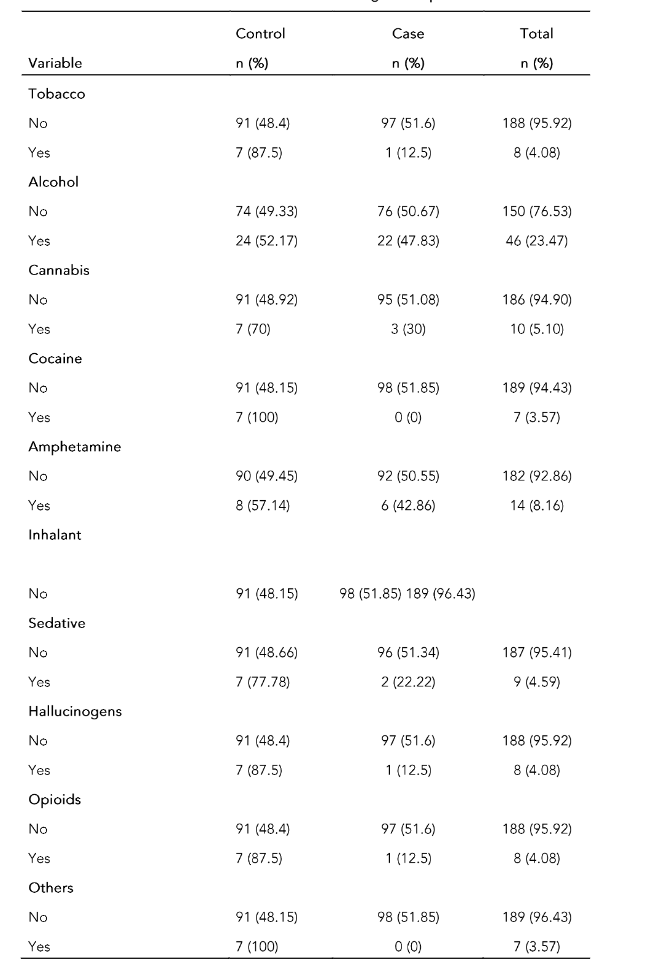
Table 2 shows the lifetime substance use among respondents. Alcohol was the most (46 (23.47%)) reported substance being used with 24 controls and 22 cases. For tobacco, hallucinogens and opioids, 8 (4.08%) positive responses were each reported. Of the 8 positive responses, 7 (87.5%) were in the control group, and 1 (12.5%) were in the case group. None of the respondents in the case group reported taking cocaine or inhalant, although 7 (100) respondents in control reported usage.
The frequency of substance usage among respondents during the previous three months is shown in Table 3. For tobacco use, all the respondents (7 (100%)) in the control group reported having never taken tobacco in the last three months, while one case group participant (12.5% of total tobacco users) reported monthly use. For alcohol use, 18 (39.13%) respondents reported consuming alcohol once or twice, with an even share between the control and case groups. Regarding sedative use, 8 (88.89%) respondents had not used sedatives in the last 3 months, with 7 (87.5%) and 1 (12.5%) respondents in the control and case groups, respectively.
Table 3: Frequency of substance use among the respondents
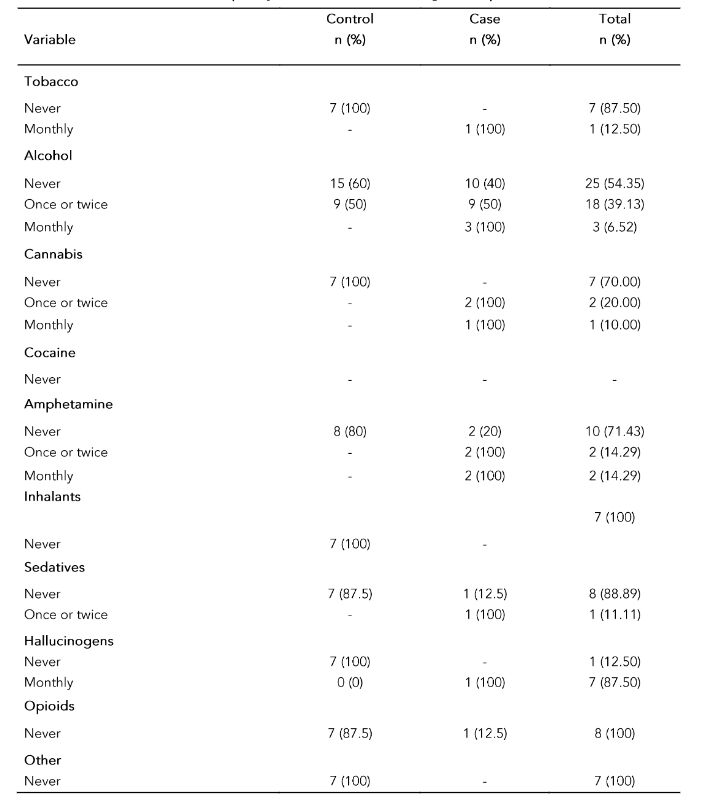
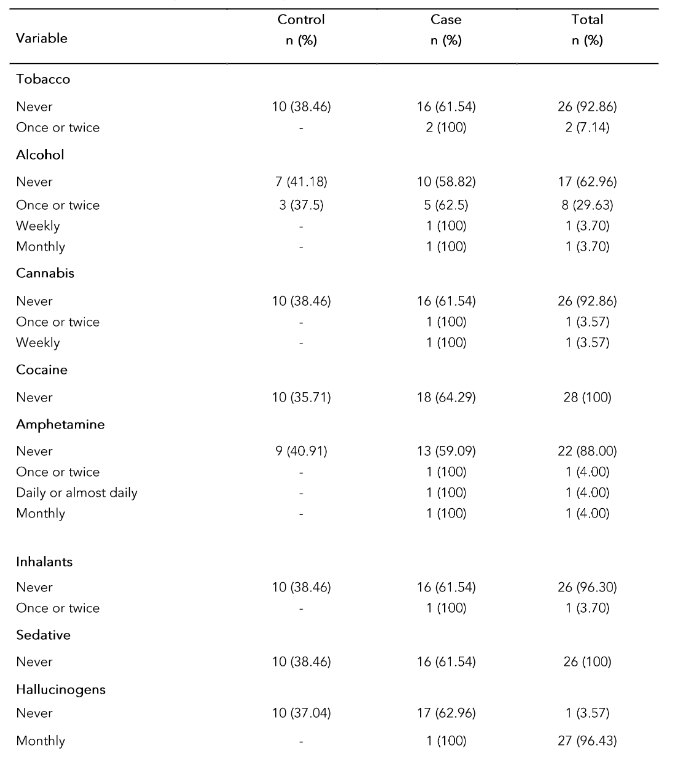
Table 4 shows the frequency of respondents’ urge and desire to take substances. For tobacco use, 26 (92.86%) respondents reported that they never had the urge to use. Amongst them, 10 (38.46%) were from the control group. Within the case group, 2 (100%) respondents reported having the urge once or twice. Regarding alcohol, 17 (62.96%) respondents reported not having the urge to use it, with the case group accounting for 7 (58.82%). Of those who felt the urge, 8 (29.63%) reported experiencing it once or twice. Among the respondents, 1 (3.57%) reported having the urge once or twice, and another 1 (3.57%) weekly, all from the case group. Overall, across all the substances, almost all the respondents under the control group who responded reported never feeling the desire or urge to use.
The health, social, legal or financial problems caused by substance use among the respondents are presented in Table 5. In the case group, 4 (30.77%) respondents reported that they had gotten into a health, social, legal or financial problem once or twice as a result of alcohol use. Regarding cannabis use, 2 (12.50%) participants in the case group reported that once or twice, they had gotten into a problem. All participants in the control group who responded to this question reported that they had never gotten into any problem as a result of any substance use.
Table 5: Use of substances leading to health, social, legal or financial problems among respondent
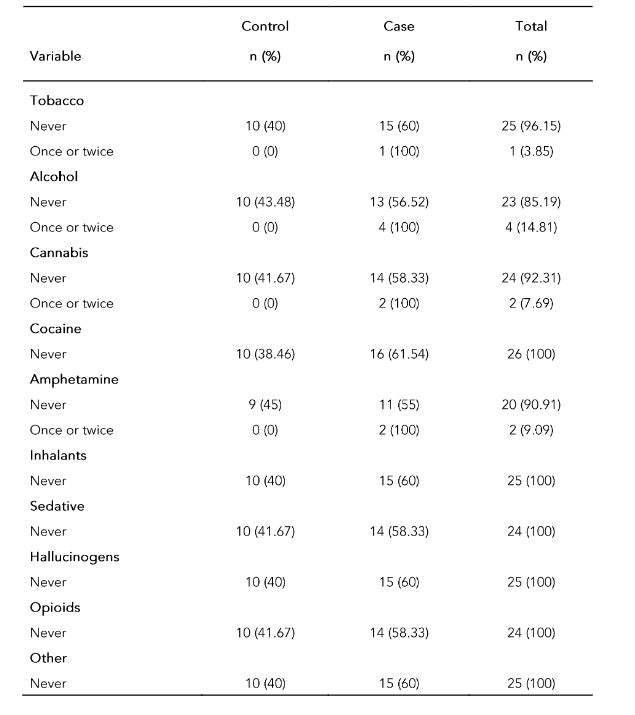
The health, social, legal or financial problems caused by substance use among the respondents are presented in Table 5. In the case group, 4 (30.77%) respondents reported that they had gotten into a health, social, legal or financial problem once or twice as a result of alcohol use. Regarding cannabis use, 2 (12.50%) participants in the case group reported that once or twice, they had gotten into a problem. All participants in the control group who responded to this question reported that they had never gotten into any problem as a result of any substance use.
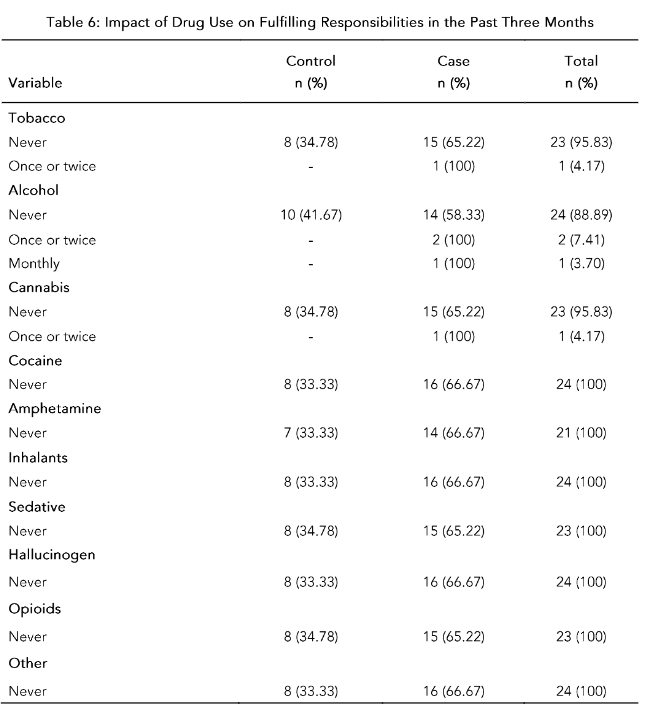
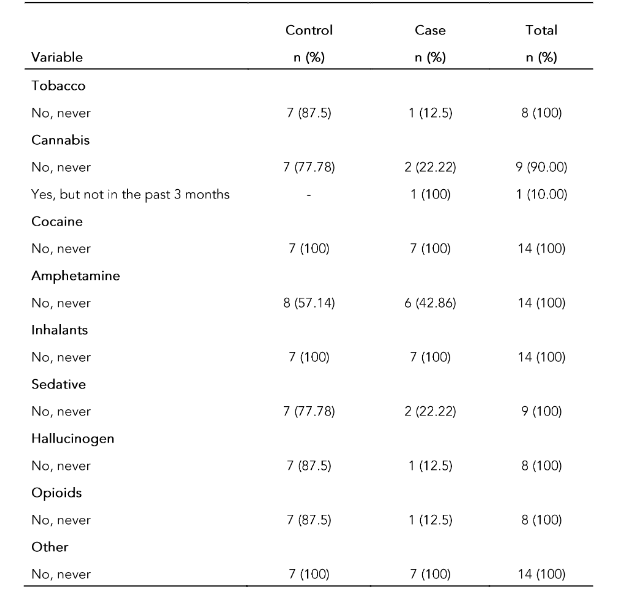
Table 7: Concerns Expressed by Relatives and Friends about Drug Use
Table 7 presents the frequency with which users’ relatives and friends have expressed concerns over their substance use. In the past 3 months, 1 (12.50%) of the tobacco respondents reported a show of concern. While 8 (80.00%) respondents who use cannabis reported that their relatives or friends have never shown concern, 1 (10.00%) reported a show of concern, and another 1 (10.00%) reported a show of concern but not in the last three months. Cocaine, amphetamine and other substances showed uniform responses, with 100.00% of both groups reporting no expressed concerns.
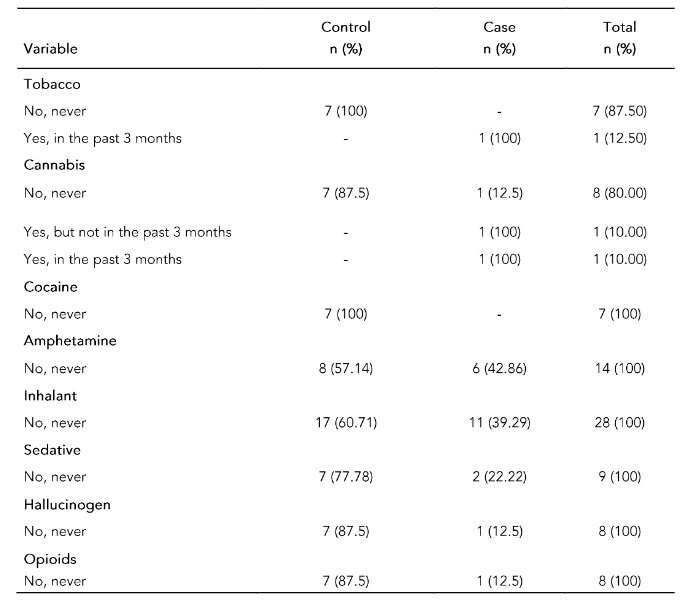
Table 8: Attempts to Control, Cut Down, or Stop Substance Use in the Last Three Months
Participant attempts to control, cut down or stop using substances in the last three months are shown in Table 8. For tobacco, only 1 (12.50%) of the respondents reported attempts to control, cut down, or stop substance use in the last three months. For amphetamine, inhalants, sedatives, hallucinogens, and opioids, 6 (42.86%), 11 (39.29%), 2 (22.22%), 1 (12.50%) and 1 (12.50%) respondents all in the case group reported that they have never attempted to control, cut down, or stop substance use in the last three months.
4. Discussion
This study explores important insights into substance use disorders amongst young people living with HIV in Kumasi, Ghana. The findings from the study evaluate the prevalence of substance use disorders and identify specific factors associated with this challenge. Most of our participants were females, which is different from Ludwig et al.’s study, which had a higher number of male respondents¹⁶. There was an almost equal distribution between the sociodemographic characteristics among the cases and the control. The mean age of 16.50 years in the case group is close to the 15.53 years found in the HIV/STD high-risk group of Rowe et al. amongst incarcerated adolescents in Florida¹⁷.
In this present study, there was a higher prevalence of substance use among the control group. However, the study conducted by Stephanie et al.¹⁸ showed that those living with HIV had higher substance use prevalence. Concurrent with the findings from this study, the prevalence of substance use among the case group was relatively low¹⁹. Multiple studies have reported alcohol to be the most frequently abused substance²⁰˒²¹. This is also consistent with our findings, which report that almost one in four adolescents (23.47%) have a lifetime history of alcohol use. Interestingly, most of the respondents in the control group engaged more in alcohol, tobacco and sedative use. This may be because individuals with HIV are likely to receive more counselling and education from
regular clinic appointments and, hence, may take more precautions²²˒²³. This may also be corroborated by their lack of urge to use substances and their reported adherence to ARV medications.
The prevalence of substance use in the preceding three months was higher for alcohol consumption when compared to tobacco or sedative use. Also, participants who engaged in substance use amongst those living with HIV reported higher signs of addiction as they reported being unable to fulfil essential responsibilities, although, generally, most of the respondents reported little difficulty with completing their daily activities.
This is consistent with the findings from Starks et al., who reported similar patterns of drug use and associations with mental health amongst adolescents and young adults with HIV²⁴. While our study focused only on quantitative analyses, the study by Starks et al. goes ahead and includes qualitative descriptions.
Health, social, legal or financial problems caused by substance abuse were more commonly expressed in the case group as compared to the control. This shows the negative impact that can be caused with engaging in substance misuse as also consistent with the epidemiological analysis of substance use disorders by Onaluwapo et al²⁵. Interestingly, most of the participants who engaged in cannabis use did not have their relatives’ raising eyebrows compared to those who engaged in tobacco. This may be because participants who smoke cannabis may tend to be more secretive with their dealings when compared to tobacco which is more socially acceptable.
Overall, one of the strengths of this study is the identification of controls within the study population, which helped provide detailed comparison models. Our utilization of data from a single centre may limit generalization, although the reports from our study have been consistent with those of previous studies¹⁶˒²⁰. The findings from our study have critical implications for substance use in adolescent care, especially for those living with HIV. In addition, targeted interventions should be provided in terms of prevention, early recognition and prompt treatment of people with addiction especially the young people who are more at risk of substance use disorder.
5. Limitations of the Study
While the study provides valuable insights into the complex relationships between substance use disorders, HIV, and various demographic, behavioural, and lifestyle factors, it is essential to acknowledge that the findings do not apply to other populations or settings due to the specific context and demographics of the study participants. For instance, the focus on young people living with HIV in Ghana is not representative of other Sub-Saharan African countries with different cultural, socioeconomic, and healthcare contexts.
The study relied on self-reported data, which may be subject to biases and inaccuracies, such as participants underreporting and over-reporting their substance use behaviours, which could impact the accuracy and reliability of the findings²⁶. Furthermore, the sample size is not representative of the broader population of young people living with HIV in Ghana, which also introduces selection bias.
Additionally, the reliance on cross-sectional data limits its ability to establish causal relationships between substance use disorders, HIV, and other variables²⁷. Longitudinal studies or randomized controlled trials would be necessary to establish causality and explore the temporal relationships between these variables.
6. Recommendations
Conduct longitudinal studies to examine the temporal relationships between substance use disorders, HIV, and other variables. Design and implement intervention studies to evaluate the effectiveness of various strategies in preventing and treating substance use disorders among young people living with HIV. Conduct qualitative research to gain a deeper understanding of the experiences and perspectives of young people living with HIV.
and substance use disorders. Conduct comparative studies to examine the differences in substance use disorders and HIV outcomes between different populations, such as those in urban versus rural areas and in those before and after establishing HIV infection²⁸. Conduct economic evaluations to assess the cost-effectiveness of different interventions and strategies for preventing and treating substance use disorders among young people living with HIV.
Some policy interventions, such as the implementation of integrated care models, address both HIV and substance use disorders simultaneously. Increase screening and diagnosis of substance use disorders among young people living with HIV. The use of evidence-based interventions, such as cognitive-behavioural therapy and medication-assisted treatment, to address substance use disorders.
The introduction of stigma reduction interventions to address the social and structural barriers that prevent young people living with HIV from accessing care and support for substance use disorders. Build the capacity of healthcare providers to address substance use disorders among young people living with HIV. Engage with communities and involve them in the development and implementation of interventions to address substance use disorders among young people living with HIV¹².
7. Conclusion
This study revealed that the prevalence of substance use, particularly alcohol, is significant, with 23.47% of participants reporting lifetime alcohol use. Interestingly, the control group reported higher substance use, possibly due to HIV-positive participants receiving more counselling and education during clinic visits. Targeted interventions focusing on addiction control are crucial for at-risk groups. Future research should expand to diverse settings and employ robust methodologies to deepen understanding and inform more effective strategies for managing SUDs among adolescents living with HIV. There should also be a call to action for tailored interventions that address substance use among YPLWH. Collaboration among stakeholders—healthcare providers, educators, policymakers, and community leaders—is essential to create sustainable, evidence-based solutions. By addressing substance use holistically, we can improve the overall well-being of YPLWH and pave the way for a healthier future. Finally, by investing in tailored interventions, we can improve health outcomes, enhance quality of life, and promote the long-term well-being of this vulnerable population.
List of Abbreviations:
SUD – Substance Use Disorder
ART – Antiretroviral Therapy
YPLWH – Young People Living with HIV
Declarations
Ethics approval and consent to participate:
The Komfo Anokye Teaching Hospital Institutional Review Board Research approved this study. Tel: +233 3220 00617. Email address: [email protected] or [email protected]. (Ethical approval with reference No: KATH IRB/RR/096/21 was obtained from the Institutional Review Board at KATH).
Consent for publication:
Not applicable
Availability of data and materials:
The dataset analysed during the current study is available in the supplement section.
Competing interests:
The authors declare that they have no competing interests
Funding:
The author(s) disclosed receipt of the following financial support for the research, authorship, and/or publication of this article: This work was supported by the REACH Program, grant no. 5H79TI081358-02 from SAMHSA in 2021. The views expressed in written conference materials or publications and by speakers and moderators do not necessarily reflect the official policies of the Department of Health and Human Services, nor does mention of trade names, commercial practices, or organizations imply endorsement by the U.S. government.” The authors alone are responsible for the content and writing of this paper.
Code availability:
Not applicable
Authors’ contributions:
J.C.I. worked to conceive and design the study, analyse and interpret data, draft and revise the manuscript, and approve the final manuscript. J.C.I. and I.J.O. conceived and designed the study, helped draft and revise the manuscript, and approved the final manuscript. R.E., B.H and R.O developed the study protocol, analysed and interpreted the data, revised the manuscript, and approved the final manuscript. V.O., O.E.F., A.I., A.K.E., C. M., and D.B helped with the analysis and interpretation of the data, revised the manuscript for important intellectual content, and approved the final manuscript. The authors (J.C.I., I.J.O., R.E., B.H., V.O., O.E.F., A.I., V.A.E., A.E.B., V.O.A., D.B., J.C.O.) are solely responsible for the design and conduct of this study, all study analyses, the drafting and editing of the paper, and its final contents. All authors (J.C.I., I.J.O., R.E., B.H., V.O., O.E.F., A.I., A.K.E., J.O., O.J., A.F.O., C. M., D.B., V.A.E., A.E.B., V.O.A.) wrote and approved the first and final manuscript.
References
1. Furlanetto Junior ML. Treatment and the current concept of relapse in substance use disorder. Int J Clin Images Med Rev. 2022;1. Accessed December 16, 2024. https://ijcimr.org/ijcimr-v1-1035/
2. Dayal P, Vishakha V, Thakur N. Review on effect of drug abuse on health. V Pub J Nurs Med Res. 2023:25-26.
3. Stein DJ, Seedat S, Herman A, et al. Lifetime prevalence of psychiatric disorders in South Africa. Br J Psychiatry. 2008;192:112-117.
4. Olawole-Isaac A, Ogundipe O, Amoo EO, Adeloye DO. Substance use among adolescents in sub-Saharan Africa: A systematic review and meta-analysis. South Afr J Child Health. 2018;12:79.
5. Amin P, Douaihy A. Substance use disorders in people living with human immunodeficiency virus/AIDS. Nurs Clin North Am. 2018;53:57-65.
6. World Health Organization. WHO HIV statistics. WHO; 2024. Accessed December 17, 2024. https://cdn.who.int/media/docs/default-source/hq-hiv-hepatitis-and-stis-library/j0482-who-ias-hiv-statistics_aw-1_final_ys.pdf?sfvrsn=61d39578_3
7. Murewanhema G, Musuka G, Moyo P, Moyo E, Dzinamarira T. HIV and adolescent girls and young women in sub‐Saharan Africa: A call for expedited action to reduce new infections. IJID Reg. 2022;5:30-32.
8. Soomar SM, Qamar W, Azizullah Z, Ali TS. Challenges in healthcare access for young people living with HIV: A review. J Glob Health Econ Policy. 2023;3. Accessed December 17, 2024. https://joghep.scholasticahq.com/article/117353-challenges-in-healthcare-access-for-young-people-living-with-hiv-a-review
9. Gamarel KE, Brown L, Kahler CW, et al. Prevalence and correlates of substance use among youth living with HIV in clinical settings. Drug Alcohol Depend. 2016;169:11-18.
10. Nyongesa MK, Mwangi P, Kinuthia M, et al. Alcohol and illicit drug use among young people living with HIV compared to their uninfected peers from the Kenyan coast: Prevalence and risk indicators. Subst Abuse Treat Prev Policy. 2021;16:86.
11. Nugent NR, Brown LK, Belzer M, et al. Youth living with HIV and problem substance use: Elevated distress is associated with nonadherence and sexual risk. J Int Assoc Physicians AIDS Care. 2010;9:113-115.
12. Morawej Z, Nyundo A, Kinyaga A, et al. Prevalence and factors associated with substance use among HIV-positive youth attending HIV care and treatment centers in Dodoma, Tanzania. AIDS Res Ther. 2022;19:65.
13. Williams PL, Leister E, Chernoff M, et al. Substance use and its association with psychiatric symptoms in perinatally HIV-infected and HIV-affected adolescents. AIDS Behav. 2010;14:1072-1082.
14. Ikekwere J, Eiger R, Heward B, et al. Opioid use disorder among young people living with HIV: A 10-year trend. Psychiatry Res Commun. 2023;3: 100140.
15. Abedin NFZ, Jaafar Z, Husain S, Abdullah R. The validity of ASSIST as a measurement of learning approach among MDAB students. Procedia Soc Behav Sci. 2013;90:549-557. doi:10.1016/j.sbspro.2 013.07.125
16. Ludwig A, Monico LB, Gryczynski J, et al. Drug and sexual HIV-risk behaviors among adolescents and young adults with opioid use disorder. J Subst Abuse Treat. 2021;130:108477.
17. Rowe CL, Wang W, Greenbaum P, Liddle HA. Predicting HIV/STD risk level and substance use disorders among incarcerated adolescents. J Psychoactive Drugs. 2008;40:503-512.
18. Stephanie S, Stephen MA, Michael TY, Silvia SM. Patterns of drug use and HIV infection among adults in a nationally representative sample. Physiol Behav. 2018;176(1):139-148.
19. Morawej Z, Nyundo A, Kinyaga A, et al. Prevalence and factors associated with substance use among HIV-positive youth attending HIV care and treatment centers in Dodoma, Tanzania. AIDS Res Ther. 2022;19(1):1-9. doi:10.1186/s12981-022-00485-w
20. Cook RL, Comer DM, Wiesenfeld HC, et al. Alcohol and drug use and related disorders: An underrecognized health issue among adolescents and young adults attending sexually transmitted disease clinics. Sex Transm Dis. 2006;33.
21. Necho M, Belete A, Getachew Y. The prevalence and factors associated with alcohol use disorder among people living with HIV/AIDS in Africa: A systematic review and meta-analysis. Subst Abuse Treat Prev Policy. 2020;15:1-15.
22. Kanekar AS. HIV/AIDS counseling skills and strategies: Can testing and counseling curb the epidemic? Int J Prev Med. 2011;2:10-14.
23. Edelman EJ, Dziura J, Esserman D, et al. Working with HIV clinics to adopt addiction treatment using implementation facilitation (WHAT-IF?): Rationale and design for a hybrid type 3 effectiveness-implementation study. Contemp Clin Trials. 2020;98:106156.
24. Starks TJ, MacDonell KK, Pennar AL, et al. Drug use among adolescents and young adults with unsuppressed HIV who use alcohol: Identifying patterns of comorbid drug use and associations with mental health. AIDS Behav. 2020;24:2975-2983.
25. Onaolapo OJ, Olofinnade AT, Ojo FO, et al. Substance use and substance use disorders in Africa: An epidemiological approach to the review of existing literature. World J Psychiatry. 2022;12 (10):1268-1286. doi:10.5498/wjp.v12.i10.1268
26. Del Boca FK, Darkes J. The validity of self-reports of substance use. J Subst Abuse Treat. 2003; 25(2):137-145.
27. Shadish WR, Cook TD, Campbell DT. Experimental and Quasi-Experimental Designs for Generalized Causal Inference. Boston: Houghton Mifflin; 2002.
28. Gerbi GB, et al. A comparative study of substance use before and after establishing HIV infection status among people living with HIV/AIDS. J Subst Use. 2011.