


Modernizing Medical Education in Mongolia: A New Approach

Medical Education in Mongolia: Bridging Tradition and Modernity

Ts. Lkhagvasuren¹, Sh. Bold², Ts. Altantsetseg³, D. Otgonbayar⁴, O. Bolorsaikhan⁵*

  1. Mongolian National University of Medical Sciences, Ulaanbaatar, Mongolia
  2. Ach Medical University of Mongolia
  3. Postgraduate training institute, Mongolian National University of Medical Sciences, Ulaanbaatar, Mongolia
  4. Division for Science and Technology, Mongolian National University of Medical Sciences, Ulaanbaatar, Mongolia
  5. Department of Communication Skills, Mongolian National University of Medical Sciences, Ulaanbaatar, Mongolia
    E-mail: [email protected]

OPEN ACCESS

PUBLISHED: 31 January 2025

CITATION: Lkhagvasuren, Ts., Bold, Sh., et al., 2025. Medical Education in Mongolia: Bridging Tradition and Modernity. Medical Research Archives, [online] 13(1).
https://doi.org/10.18103/mra.v13 i1.6061

COPYRIGHT: © 2025 European Society of Medicine. This is an open-access article distributed under the terms of the Creative Commons Attribution License, which permits unrestricted use, distribution, and reproduction in any medium, provided the original author and source are credited.

DOI https://doi.org/10.18103/mra.v13 i1.6061

ISSN 2375-1924

ABSTRACT

Background: Medical education in Mongolia has evolved significantly over the centuries, transitioning from traditional training methods rooted in the “Four Medical Tantras” to modern, integrated curricula. The introduction of integrated medical education seeks to address limitations in the traditional and Soviet-era models by emphasizing disease prevention, public health, and student-centered approaches.

Methods: This study examines the development of Mongolia’s integrated medical curriculum through a comparative analysis of traditional and Soviet-era education models. Quantitative and qualitative data were collected and analyzed using the SERVQUAL and SURE models to assess the quality of educational services over time. Data on student satisfaction, curriculum integration, and program outcomes were reviewed to identify trends and areas for improvement.

Results: The findings highlight significant advancements in Mongolia’s medical education system, including the implementation of a 21-block integrated curriculum and student-centered methodologies. However, gaps in service quality remain, as evidenced by SERVQUAL results showing discrepancies between student expectations and perceptions, particularly in assurance and empathy. Employment rates and licensing exam success rates have declined over recent years, indicating the need for further curriculum reforms and improved student preparation.

Conclusions: The integrated curriculum has brought Mongolia’s medical education closer to global standards by focusing on prevention and public health. However, challenges such as quality gaps, declining employment rates, and student satisfaction necessitate continued reform. Future efforts should emphasize aligning curricula with national needs, fostering life skills, and enhancing service quality to produce well-rounded medical professionals.


Introduction

Medical education in Mongolia has undergone significant transformation over centuries, evolving from the traditional Mamba Datsan approach rooted in Buddhist philosophy to adopting Soviet-style medical training and, more recently, an integrated curriculum model. Despite these advancements, Mongolia’s healthcare training faces challenges in addressing contemporary needs for preventive care, public health, and global medical education standards. The research problem centers on evaluating the effectiveness of Mongolia’s integrated curriculum compared to traditional and Soviet-era models, identifying gaps, and proposing actionable reforms.

This study aims to provide insights into the strengths and weaknesses of the integrated curriculum, using empirical data and comparative analysis. By assessing service quality and program outcomes, the study highlights critical areas for improvement and the potential for aligning Mongolia’s medical education with global standards.


Origin and development of medical education in Mongolia and Mamba Datsan training

BACKGROUND

The history of medical education in Mongolia is characterized by the fact that it not only describes the knowledge, skills, and training of the previous generation but also contains the opportunity for recognition, theory and practice, emulation, study, technology acquisition, and discoveries. Therefore, it is rational to believe that training traditional Mongolian medical doctors has created an entirely new theory and methodology based on the Mamba Datsan training program, which reached a new level then. An institution attached to a Buddhist monastery that provides medical education and trains monk doctors was called “Mamba Datsan” or medical school. It is believed that the foundation of the first Mamba Datsan in Ar Khalkha, Mongolia, was laid by the High Priest Luvsandanzanjantsan (1639–1704). However, researchers are still noting that there is a possibility that it was established almost a hundred years before that. In 1655, at the age of 17, the High Priest Luvsandanzanjantsan, on his way to study in Tibet, visited the Gumbum monastery of Khukh Lake and many monasteries in Tibet, such as Dashlhumbe, Sera, and Braibum. He learned from many respectable teachers, received oral instruction of Buddhist knowledge, worshiped more than 20 scholars and teachers, and gained knowledge and education. After 19 years, he returned to Mongolia in 1674. He established a monastery named “Temple that brings joy and increases blessing” in his hometown, which is currently Buruljuut, Bayanzurkh soum in Bayankhongor province, in 1681. This monastery eventually expanded to have three datsans. One of them is Mamba Datsan, which began to operate in 1685 by exploring the explanatory books written by Tibetan doctors and maharambas² in addition to “Four Medical Tantras” as the primary text.

With the establishment of the Mamba Datsan, it should be considered that a formal training institution for medicine based on a Buddhist approach to health and healing has been established in Mongolia. Accordingly, Mongolia’s first medical school’s history was formed and developed more than 340 years ago. In addition, most of the large monasteries established after 1685 had Mamba Datsan or Mamba congregation and educational institutions or datsans such as Sorigshampalin Mamba Datsan of Ikh Khuree, Mamba Datsan of Zaya Khuree, Tariat Khuree of Dalai Choinkhor van, Mamba Datsan of Lamyn Gegeen Khuree, and Mamba Datsan of Khand Chinvan Khuree were established and known for

¹ It is called sman pa grwa tshang in Tibetan and Mamba Datsan in Mongolian pronunciation.
² Sman-rams-pa (Tibetan term). Physician in traditional medical science; academic rank can be obtained in a medical monastic school.training exceptional doctors. By the beginning of the XX century, more than 750 temples and monasteries were founded, of which most had Mamba Datsan, and the names of 104 large monasteries with Mamba Datsan were identified.
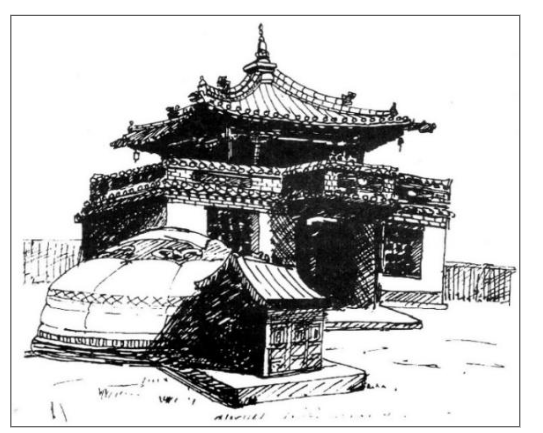
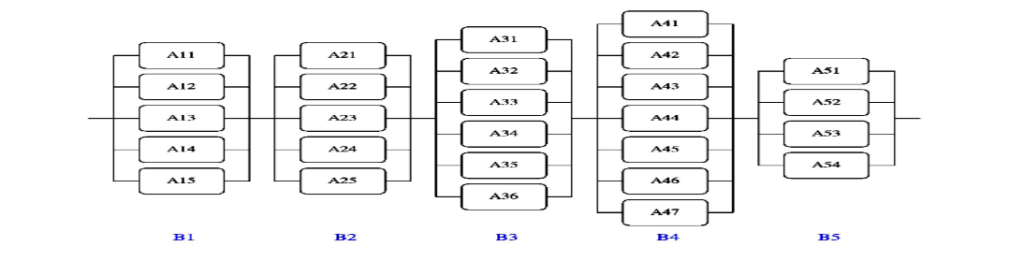
Figure 1: 1865 First Mamba Datsan was founded by High Priest Luvsandanzan.

CURRICULUM AND FEATURES OF MAMBA DATSAN

During the XVIII century, there were significant advances in every field of social sciences in Mongolia. Translations and explanatory texts of the five major and minor five sciences were published and studied in the temples and monasteries of almost all provinces. Some researchers believe that the XVIII century marked the beginning of the golden age of the development of traditional Mongolian medical education based on the theory and methodology of the “Four Medical Tantras”. In particular, it should be considered that there has been a central turning point in the development of medical education, and a whole system of training, research, and medical assistance has been formed.

Development of a interated curriculum in the stage of development of medical education in Mongolia

The historical event which planted the seeds of culture in Mongolia was establishing the National University of Mongolia in 1942 with three faculties. The Faculty of Medicine was a foundation for the higher education for medical professionals in this country. Initially the Faculty of Medicine had a shortage of teaching staffs and medical curriculum. But thanks to the contributions made by Russian medical specialists the Faculty of Medicine became an integral part of the Russian curriculum.

In history we copied the content and methodology of the medical courses from USSR and Russian style curriculum for preparing physicians was still being used until 1990. The curriculum focused on theory. Thus, from 1942-1990, the Mongolian medical education system used this style curriculum and prepared the medical doctors in the country. It was associated not only with the internal demands of the country but also with socio-economic and political factors. Since that time when there was no medical specialist with a higher education in Mongolia, the medical specialists trained by the Russian curriculum have protected and rejuvenated the health of Mongolians for more than 60 years and it can be considered as an achievement of socialist health system.

It can be concluded that the doctors fulfilled their duties with honor. The curriculum plan for training doctors was decided and approved by the party administration rather than professional management. For example, social studies, Russian language, military homeland defense, civil defense, etc. were preferred, and those subjects were taught in large numbers in all universities, which led to the reduction of the proportion of basic professional courses. At that time, there were no books and textbooks written in the national language, all training was conducted in Russian, and the main teaching method was teacher-centered lecture practice.

The medical education system of our country has been modified and developed in accordance with the policy plan of the main directions of the development of the health sector proposed by the government during the 50-60 years of the socio-economic development of Mongolia and has reached the current level. It is clear that medical training for doctors until the 1990s was largely similar to that of medical schools in Eastern Europe, especially in the former Soviet Union.

It cannot be denied that the existence of teacher-centered learning, where the teacher tells everything

and the teacher repeats what the students say back, has existed for many years was a consequence of the education system of that time.

However, there were many strengths and weaknesses in the traditional curriculum that trained skilled doctors and medical specialists, most of which were evident from the characteristics of the social and political system of the time. However, with the passage of time, various problems related to training are not able to meet the demands of modern society and students, our students, young people, and some intelligent teachers and scientists began to criticize the customers receiving education services shows. Also, it has been published in numerous research works of foreign medical education researchers, which has intensified our enthusiasm.

The prosperity of the country was renewed by the right of time, the knowledge and education of the people rose to a new level, and thanks to the luck of the eyes being opened, Mongolians woke up like the people of the world and strived for progress and development.

It is nice to say that a part of them are our educational researchers and teachers, or they did not lag behind the development of global education. In fact, putting the human factor and human prosperity first is the key to success and achieve novelty and development.

Since 1990, there has been a positive change in the social psychology of Mongolia, and our country has transitioned to a democratic system. It is amazing that the new generation has changed their thinking in the field of health and medicine, and they are dreaming of reforms everywhere.

It is amazing that even though Mongolians lived under the socialist system for 80 years, they knew and felt the need to change their lives.

One of the representatives of such intelligent people were the scientists, teachers and students of the Mongolian University of Medicine at that time. We felt that medical education was lagging behind, and it was an open time for us to see where the world has come.

At a time when the system of coercion and regulation by the party, government, and higher governing bodies has fallen apart, we, researchers, teachers and professors of the Medical University of Mongolia, can look at the development of the world and talk freely about innovative teaching methods and at least copy and domesticate advanced things without any restrictions. It is believed that it was a great destiny when viewed from today’s height. It was a good opportunity for us, when the reform activities were no longer dictated from above, but the changes that were being made were no longer prohibited.

During this period, our school members accomplished a lot of work and progressed. Looking back, we are also very lucky people.

Until the 1990s, medical education was conducted mainly according to the standards of medical school programs of Eastern Europe and the former Soviet Union, which had the following characteristics. These include: Over-ideological, strict administrative requirements, uniform curricula and programs, high cost of health care, diagnosis and treatment after illness rather than prevention, subjects studied in a linear program, teacher-centered, traditional or coercive methods prevail, aimed at providing a large amount of information to the student, limited the students’ free thinking activities, and the assessment of student knowledge was not completely free from subjective influence.

Modern medical education in Mongolia, the European model of physician training

DEVELOPMENT OF A INTERATED CURRICULUM IN THE STAGE OF DEVELOPMENT OF MEDICAL EDUCATION IN MONGOLIA

From 1990 to 2015, with more than 20 years of consistent and continuous work, we have developed step-by-step the curriculum plan for medical training, the assessment methods for student knowledge, the technology of teaching and training, and the issue of training and qualification of teachers.

This new program aligns Mongolian medical education with global trends, adapts to the social needs and conditions of the country, emphasizes public health promotion and preventive medicine in terms of content, student-centered, problem-based, wide selection, research and analysis in terms of methodology, the students be able to work in a team and focusing on the new concept of medical education development, it was newly developed as a program to prepare specialists who can provide health care services at the level of a general practitioner with the knowledge, skills and attitudes to prevent diseases and make the population health through training.

In order to successfully implement the new curriculum, it is necessary to study the characteristics and practices of the medical education system of developed countries, to adapt it to the unique conditions of the country, to create a system for developing medical teachers, to introduce new teaching methods and technologies, consolidation of theoretical and clinical lessons, development of students’ clinical thinking, approach to patients rather than diseases, differential diagnosis of ailments and syndromes, providing a wide range of knowledge, abilities and attitudes to comprehensively solve the problems of a specific case, innumerable needs such as maintaining the ethical codes of doctors and medical professionals, supporting the interest in research and increasing the opportunities for elective studies were naturally emerging.

In the framework of preparing, testing, and implementing the historical reforms of restructuring the curriculum, transitioning from traditional education to integrated education, scientists, teachers, students, and graduates from the theoretical and clinical fields worked together to introduce many innovations in education.

The integrated training program consists of 21 blocks that connect theoretical lessons with clinical problems, linear training to acquire clinical skills, and intern training to acquire knowledge, skills and attitudes for the daily work of a doctor, to provide comprehensive knowledge by improving the coordination of theory and practical lessons, to acquire the ability to solve any problem appropriately, to increase the time for independent study of students, and it was based on a student-centered approach, by reducing the duplication of the teaching content, integrating the content of medical research at the level of the organ system, and acquiring clinical skills.

The above-mentioned methods and technologies are too numerous to be mentioned, and to implement them all, there is a lot of work that requires a full 6-year training period.

In the past 20 years, additional changes have been made to the curriculum, focusing on areas such as evaluating the content of the course in credit hours, optimizing the coordination and sequence between courses, and developing the independent creative activity of students and with the goal of not falling behind the global standards, within the framework of its operational strategic goals until 2016, it has been working to expand and refine the scope of training and to bring it to the standard training standards of the countries of the Western Pacific region.

In accordance with the common requirements set by WHO, the curriculum, training plans, programs, standards, and evaluations are continuously improved to prepare leaders, managers, and medical specialists with high knowledge,

communication and primary care skills, and decision-making skills, first of all, in order to create the conditions for the delivery of a wide range of knowledge and information to the students, to widely introduce the internet, distance learning, and telemedicine, and to provide complete manuals with quality teaching materials, equipped classrooms, created conditions and environment for students to learn independently, and develop joint creative activities of teachers and students.

In order to provide an assured and reliable basis for making changes in the curriculum, the national and international development level trends in the profession, social needs, the current level of professional practices and methods, future directions, and student demands are evaluated, the need to study and determine the influencing factors is being implemented continuously by incorporating them into the reform of the program in recent years.

The results of any training depend on the theoretical and methodological validity of each component of the curriculum and how well the coordination between them is provided.

The traditional curriculum, which has been training skilled doctors and medical specialists for many years, has many advantages, but some aspects cannot meet the demands of today’s society and students, foreign and domestic scholars have noted.

Looking back from today’s height, we still had some things that we did not like. For example, academic education was still the main focus of university education.

In other words, the student found out that he was not able to develop his students to become responsible and good citizens and to prepare them for life.

Our graduates have found out that it was important to acquire the culture of human relations and the precious communication of the heart because they deal with people rather than with diseases and equipment. We see a change in training in this area as our current new focus.

The government of Mongolia conducts regular evaluations of its undergraduate, graduate, and post-graduate medical education programs in accordance with the global health policy and the health, morbidity, and mortality of its own population and the need to modernize and develop the curriculum to be flexible and optional is shown by the pattern of development of curricula and programs of other medical schools that prepare similar specialists in the world and in the region.

After analyzing this situation, we have found out that it is most important to incorporate national characteristics, people’s culture and traditional knowledge into the training of doctors, and we are paying attention to the future reforms.

CONCLUSION:

  1. In terms of the concept of the integrated curriculum compared to the traditional educational model, the integrated curriculum focuses on disease prevention, it is aimed at promoting health, reducing the risk factors of any disease, diagnosing syndromes according to individual characteristics, inculcating a healthy lifestyle, preventing and rehabilitating bad habits. As for the model of the curriculum, the integrated curriculum, which has been implemented since 2000, is aimed at reducing the duplication of subjects and content, integrating the research content of branches of science at the level of the organ system, acquiring clinical skills through linear training, and expanding the range of content to be studied as the course progresses and it is designed to increase in level.
  2. The content of the program is aimed at acquiring the knowledge, skills and attitudes necessary for the workplace, as well as research methodology, information technology, and communication skills.
  3. In the comparative study of the evaluation system for evaluating student knowledge, theoretical knowledge was evaluated orally and through tests, and skills were evaluated through hands-on performance in traditional courses, while new evaluation methods and technologies were introduced in the evaluation of students studying

in an integrated curriculum, and evaluation methods were adapted to the level of knowledge and skills acquired by students tool is used.

RECOMMENDATION /ADDED TO THE CONCLUSION WRITTEN BY PROFESSOR TS.LKHAGVASUREN /

  1. Restructuring the medical curriculum should be made not only in medical schools, but also in the training programs for all levels of specialists in the health sector of Mongolia, and changes should be made within the medical education system.
  2. Non-professional leaders have dominated the management of Mongolia’s health care sector for many years, so there is a lack of professional management and sustainable development policy in the sector.
  3. In medical education, especially in graduate and post-graduate courses, it is necessary to conduct training in various areas such as health administration, management, finance, economy, health insurance, etc.
  4. Research has shown that the majority of medical malpractice complaints were caused by a lack of attitude and communication rather than professional conduct.
  5. Due to the fact that the graduates have been engaged in academic training and focused only on becoming doctors, the new graduates have not been able to reach the hearts of customers in the new era of social development. Instead of thinking to prepare just a doctor, we need to create a wise person with warm heart.
  6. In addition to academic training, it is important to develop life skills, intelligence to be a human being, and the ability to be a responsible good citizen by using non-formal training and various methods, and evaluate its results.
  7. Instead of providing students with boxed knowledge, abilities and attitudes, the university should direct all its activities in order to raise the creativity of individuals, make them initiators and creative citizens, and give them the motivation to live creatively throughout their lives.
  8. It is necessary to pay special attention to make the training of medical specialists in Mongolia, based on the rich fund of Mongolian traditional language, culture, customs, and traditional methods of training doctors.
  9. It is necessary to create official documents to be followed throughout Mongolia, such as core curriculum, standards, quality assessment methods and common requirements for schools that train doctors within the Mongolia, and apply them to public and private schools.
  10. When reforming the content, methodology, and evaluation of the training program for doctors, based on research methods that have been tested and domesticated in the field of medical education and research, based on evidence.
  11. The learning outcomes (CLO) of each curriculum are the learning outcomes (CLO) of each course if the graduates possess the appropriate knowledge, skills, and attitudes. It is necessary to identify and continuously update the curriculum.
  12. Forming a program policy, planning, implementation, and evaluation team with professional management and methodology to pioneer the innovation and development of medical education and research.
  13.  

Purpose of research work:

To study the development of the integrated training program for doctor training in the stage of development of Mongolian Medical Education, comparing it with the traditional training program.

The goal of “Medical Education in Mongolia: Bridging Tradition and Modernity” is to create a balanced approach that integrates traditional Mongolian medicine with modern medical practices to enhance healthcare education and improve healthcare delivery.

Objectives of research work:

  1. To study the formation of the integrated curriculum in relation to the stage of development of Mongolian medical education
    1. To study the integrated curriculum in comparison with the traditional curriculum

    Objective: To analyze the transition to an integrated curriculum, its implementation, and its impact on medical education and healthcare in Mongolia.

    Methodology

    The research employed a mixed-methods design. Quantitative data were gathered using the SERVQUAL and SURE models to assess educational service quality. SERVQUAL focused on five dimensions: tangibles, reliability, responsiveness, assurance, and empathy. Statistical analyses were performed using SPSS to identify gaps between student expectations and perceptions.

    Qualitative data were obtained through structured interviews with faculty and students, alongside document analysis of curriculum reforms from 1990 to 2020. Ethical approval was secured from the Mongolian National University of Medical Sciences’ Institutional Review Board, ensuring compliance with research ethics and participant consent.

    Methods

    • Study Design: Comparative analysis of traditional and integrated medical education models.
    • Data Sources: Curriculum evaluations, student satisfaction surveys (e.g., SERVQUAL results), and international accreditation reports.
    • Evaluation Metrics: Content integration, teaching methodologies, assessment techniques, and graduate outcomes.

    Results

    1. HISTORICAL CONTEXT:

    Findings from the Study of Curriculum Concepts
    In the 20th century, Mongolian medical and health care policies were aimed at treating diseases, implementing programs to combat acute and chronic diseases, conducting activities in clinical laboratories, and widely using antibiotics, medicinal substances, and vaccines to prevent diseases.

    This is due to the strict policy to prepare and train specialized doctors.

    The 21st century medicine and health care policy is not to treat after the disease, but to implement prevention and treatment programs for chronic diseases before they occur, increase the capacity of diagnostic laboratories, conducting research, providing evidence-based diagnosis and treatment, and eliminate abnormal habits of individuals and adopting healthy lifestyles, improve rehabilitation service, develop a good relationships between people and rejecting harmful drugs of complex chemical origin concept is being implemented.

    TRANSITION POST-1990 TO ADDRESS DEMOCRATIC VALUES AND ADAPT TO GLOBAL TRENDS:

    Findings from the Study of Curriculum Concepts

    In the 20th century, Mongolian medical and health care policies were aimed at treating diseases, implementing programs to combat acute and chronic diseases, conducting activities in clinical laboratories, and widely using antibiotics, medicinal substances, and vaccines to prevent diseases.

    This is due to the strict policy to prepare and train specialized doctors.

    The 21st century medicine and health care policy is not to treat after the disease, but to implement prevention and treatment programs for chronic diseases before they occur, increase the capacity of diagnostic laboratories, conducting research, providing evidence-based diagnosis and treatment, and eliminate abnormal habits of individuals and adopting healthy lifestyles, improve rehabilitation service, develop a good relationships between people and rejecting harmful drugs of complex chemical origin concept is being implemented.

    A study of the study program model

    A traditional educational model consisted of completing basic science courses and taking clinical courses from the fourth year onward. Medical education researchers, such as R. Harden, have described the H model as a curriculum model.

    The H model in medicine is a branch that combines theoretical and clinical aspects with a scientific foundation. The program mainly concentrates on offering scientific knowledge, neglecting the socio-psychological elements of health. The teaching approach is centered around the instructor, leading to one-way information flow from teacher to student through lectures and micro-lectures. This model used to assume that it catered to all students equally, with minimal involvement of students in course planning and evaluation. The primary limitation of this program is that it provides medical training at a level of scientific knowledge that is overly specialized and advanced. There are several benefits to this program, including the clarity of the knowledge to be gained, the straightforwardness of the content to be studied, the ease of implementation, and the extensive involvement of field sciences.

    In the integrated curriculum model, theoretical knowledge and clinical knowledge are combined at an equal level. This implies that theoretical classes are combined with hands-on clinical experiences. Educators in medical training, including R. Harden, labeled it as the Z model of the curriculum.

    The cohesive approach to education integrates various scientific disciplines and subjects at specific academic levels. This may involve fundamental theoretical classes during the initial study years, clinical studies in the advanced years covering a range of interdisciplinary and interprofessional topics. Additionally, it emphasizes the importance of fostering close teacher-student relationships, providing small group training sessions, and involving instructors from diverse theoretical and clinical backgrounds to encourage cooperation and the sharing of experiences. Since 1996, HSSU has been involved in the European Union’s “Tempus Tacis” project, introducing the block training technique — a type of comprehensive training — for students in the pre-medical program. (I. Healthy Structure, Function, and Behavior II. Pathological Structure, Function, and Behavior III. Clinical Practice) will be learned continuously through the coil.

    A study of curriculum integration

    To effectively execute the worldwide higher education strategy, it is crucial to adapt our educational practices aligning with the unique attributes of each country and regional guidelines, as suggested by the Asia-Pacific Western Regions Medical Education Conference (curriculum TIPS-Trends, Innovation, Priority, Strategy). After analyzing various international medical school curricula, programs, and standards as presented by educational researchers, specific patterns of cross-curricular integration have been recognized:

    1. Horizontal integration
    2. Vertical integration
    3. Theoretical and clinical integration of science

    Horizontal integration:
    Traditional curriculums are implemented through horizontal integration, and after completing the theoretical study of topics related to the understanding of human organ systems in the first year, students will receive practical training in clinical topics during their senior year. In this case, there is a lot of duplication of topics. For example: anatomy, physiology, pathology, biochemistry, and imaging of the cardiovascular system are studied in duplicate in every course.

    Vertical Integration:
    The concept of the spiral curriculum in medical education was initially introduced by Harden and colleagues in 1997 (Vertical integration—a spiral curriculum, adapted from Harden et al 1997). During this process, the student aims to master both theoretical and clinical scientific knowledge, alongside developing effective communication and clinical skills as they progress towards becoming a doctor through a structured three-stage program. (I. Healthy Structure, Function, and Behavior II. Pathological Structure, Function, and Behavior III. Clinical Practice) will be learned continuously through the coil. As the level progresses, the amount of content to be studied and the time to study will increase, and the goal is

    to graduate with all the knowledge, skills, and attitudes necessary for the profession of a doctor.

    Development of the Integrated Curriculum:

    • Horizontal and vertical integration introduced in 2000.
    • Emphasis on preventive medicine, public health, and clinical skills training.
    • SPICES model adoption: Student-centered, Problem-based, Integrated, Community-oriented, Electives, Self-directed learning.

    Theory: Integration of medical sciences:
    The aim of an integrated curriculum is to maintain a harmonious balance between basic and clinical sciences throughout the entire program. Foundational knowledge is emphasized in elementary classes, with a similar emphasis in secondary courses, while advanced topics related to clinical practice take precedence in higher-level classes. The key feature of this is the ongoing pursuit of knowledge rooted in fundamental scientific principles leading up to completion of studies.

    Since 2000, HSUIS has been implementing a cohesive training program with the goal of minimizing redundancy in course material. Branch science subjects are unified based on organ systems, providing a coordinated approach. Clinical skills are developed in a progressive manner from junior levels onwards, with an expanding curriculum. This structured training has successfully led to tangible improvements in the learning process.

    Mongolian National University of Medical Sciences, which is selected from the development model of international medical education curriculum – SPICES model is:
    ✔ Student centered
    ✔ Problem based
    ✔ Integrated
    ✔ Community oriented
    ✔ Electives
    ✔ Self directed learning
    ✔ Team based learning

    After analyzing the evolution of global medical education, the study identified distinctions between the traditional and integrated curriculum regarding their objectives, content, methodologies, learning technologies, surroundings, and evaluation methods. (Table 2).


    Curriculum content

    Upon comparison of the traditional curriculum with the unified curriculum, it was discovered that the traditional curriculum placed a heavy emphasis on subjects like social science, the history of the Communist Party, Marxist-Leninist theory, and the Russian language, tailored towards the social development norms of that era. However, with content reforms, the unified curriculum saw a shift towards incorporating new courses like research methodology, information technology, communication skills, and cultural studies, alongside modifications in the content of social science and Russian language and specialized courses. (Table 3).

    The results of the study of tools for assessing student knowledge in the curriculum

    Assessing students’ knowledge, abilities, and attitudes was traditionally limited to solely oral and written exams, clinical observation, and practical assessments. Despite this narrow approach, advancements in quality have been made by utilizing evaluation methods carefully tailored to the curriculum objectives and the individual students’ levels of knowledge and skills. (Table 4).

    CONCLUSION:

    4. In terms of the concept of the integrated curriculum compared to the traditional educational model, the integrated curriculum focuses on disease prevention, it is aimed at promoting health, reducing the risk factors of any disease, diagnosing syndromes according to individual characteristics, inculcating a healthy lifestyle, preventing and rehabilitating bad habits. As for the model of the curriculum, the integrated curriculum, which has been implemented since 2000, is aimed at reducing the duplication of subjects and content, integrating the research content of branches of science at the level of the organ system, acquiring clinical skills through linear training, and expanding the range of content to be studied as the course progresses and it is designed to increase in level.

    training, and expanding the range of content to be studied as the course progresses and it is designed to increase in level.

    1. The content of the program is aimed at acquiring the knowledge, skills and attitudes necessary for the workplace, as well as research methodology, information technology, and communication skills.
    2. In the comparative study of the evaluation system for evaluating student knowledge, theoretical knowledge was evaluated orally and through tests, and skills were evaluated through hands-on performance in traditional courses, while new evaluation methods and technologies were introduced in the evaluation of students studying in an integrated curriculum, and evaluation methods were adapted to the level of knowledge and skills acquired by students tool is used.


    RECOMMENDATION /ADDED TO THE CONCLUSION WRITTEN BY PROFESSOR TS.LKHAGVASUREN 

    1. Restructuring the medical curriculum should be made not only in medical schools, but also in the training programs for all levels of specialists in the health sector of Mongolia, and changes should be made within the medical education system.
    2. Non-professional leaders have dominated the management of Mongolia’s health care sector for many years, so there is a lack of professional management and sustainable development policy in the sector.
    3. In medical education, especially in graduate and post-graduate courses, it is necessary to conduct training in various areas such as health administration, management, finance, economy, health insurance, etc.
    4. Research has shown that the majority of medical malpractice complaints were caused by a lack of attitude and communication rather than professional conduct.
    5. Due to the fact that the graduates have been engaged in academic training and focused only on becoming doctors, the new graduates have not been able to reach the hearts of customers in the new era of social development. Instead of thinking to prepare just a doctor, we need to create a wise person with warm heart.
    6. In addition to academic training, it is important to develop life skills, intelligence to be a human being, and the ability to be a responsible good citizen by using non-formal training and various methods, and evaluate its results.
    7. Instead of providing students with boxed knowledge, abilities and attitudes, the university should direct all its activities in order to raise the creativity of individuals, make them initiators and creative citizens, and give them the motivation to live creatively throughout their lives.
    8. It is necessary to pay special attention to make the training of medical specialists in Mongolia, based on the rich fund of Mongolian traditional language, culture, customs, and traditional methods of training doctors.
    9. It is necessary to create official documents to be followed throughout Mongolia, such as core curriculum, standards, quality assessment methods and common requirements for schools that train doctors within the Mongolia, and apply them to public and private schools.
    10. When reforming the content, methodology, and evaluation of the training program for doctors, based on research methods that have been tested and domesticated in the field of medical education and research, based on evidence.
    11. The learning outcomes (CLO) of each curriculum are the learning outcomes (CLO) of each course if the graduates possess the appropriate knowledge, skills, and attitudes. It is necessary to identify and continuously update the curriculum.

    Forming a program policy, planning, implementation, and evaluation team with professional management and methodology to pioneer the innovation and development of medical education and research.

    3. Future trends in Mongolia’s medical education: a National training model

    The Faculty of Medicine at the National University of Mongolia (NUM) implemented a Russian-based curriculum for about 50 years. However, the need for a national curriculum became apparent in the early 21st century, and from 1992 to 2001, the curriculum was revised to better align with Mongolia’s healthcare system and the guidelines of the World Medical Education Association. This new curriculum was accredited by both national and international institutions, solidifying Mongolia’s independent approach to medical education.

    DEVELOPMENT OF THE NATIONAL CURRICULUM

    The revised curriculum aimed to address social demands and provide a more relevant medical training framework. By 2019, the Mongolian National Standard Program for Medical Training was accredited internationally, earning positive evaluations from several organizations, including the European Union’s ASIIN. This success was largely due to the collaborative efforts of Mongolian scientists, researchers, and professors who had been shaping the national medical education system for over 30 years.

    ACHIEVEMENTS IN MEDICAL EDUCATION RESEARCH

    The Mongolian medical education field has seen significant advancements in research, with 14 PhDs and 33 master’s degrees awarded in the field. More than 100 scientific works have been published, leading to innovations in program evaluation, student assessments, and curriculum development. However, studies using the SERVQUAL model revealed gaps between students’ expectations and actual service quality in areas like empathy, reliability, and responsiveness.

    SERVICE QUALITY EVALUATION

    Service quality in the medical program has been assessed using the SERVQUAL method, with surveys conducted among students in 2011, 2015, and 2020.

    Table 1 Students service satisfaction rate evaluated by student’s expectation and perception

    Criteria 2011 (E, P, E-P) 2015 (E, P, E-P) 2020 (E, P, E-P)
    Assurance 3.0, 3.4, -0.39 3.17, 3.47, -0.29 3.35, 3.77, -0.42
    Responsiveness 2.4, 2.8, -0.37 2.59, 2.94, -0.36 2.76, 3.31, -0.55
    Reliability 3.1, 3.38, -0.28 3.01, 3.29, -0.28 3.27, 3.67, -0.40
    Tangibles 3.0, 3.36, -0.29 3.19, 3.45, -0.26 3.63, 3.91, -0.28
    Empathy 2.9, 3.1, -0.37 2.95, 3.24, -0.29 3.27, 3.63, -0.36
    Total 2.88, 3.208, -0.34 2.982, 3.278, -0.296 3.256, 3.658, -0.402

    P value: P < 0.001 (all years)

    The results in Table 1 revealed a gap between students’ expectations and their perceptions of service quality, with statistically significant differences observed in all dimensions of educational services, including empathy, reliability, responsiveness, assurance, and tangibility.

    The quality gap in assurance, for instance, increased from -0.39 in 2011 to -0.42 in 2020, indicating a decline in students’ satisfaction with the assurance provided by the program. Similarly, the gap in responsiveness grew from -0.37 in 2011 to -0.55 in 2020. These results underscore the need for continuous improvement in the program’s service quality.

    A SERVQUAL survey conducted among medical students between 2011 and 2020 highlighted key areas of improvement in educational services. The largest gap was observed in the “Assurance” dimension, particularly in the areas of teachers’ behavior and the study environment. The survey

    results indicated a statistically significant difference between students’ expectations and their actual experiences, necessitating reforms in service quality and educational delivery.

    Table 2. Outcome and process indicators of educational service of the program (2011–2020)

    Outcome

    • Reliability:
      • 2011: E 3.1, P 3.38, E-P -0.27
      • 2015: E 3.01, P 3.29, E-P -0.28
      • 2020: E 3.47, P 3.76, E-P -0.29
    • Assurance:
      • 2011: E 3.1, P 3.38, E-P -0.27
      • 2015: E 3.01, P 3.29, E-P -0.28
      • 2020: E 3.47, P 3.76, E-P -0.29

    Process

    • Responsiveness:
      • 2011: E 2.8, P 3.2, E-P -0.40
      • 2015: E 2.97, P 3.28, E-P -0.31
      • 2020: E 3.40, P 3.71, E-P -0.30
    • Tangibles:
      • 2011: E 2.8, P 3.2, E-P -0.40
      • 2015: E 2.97, P 3.28, E-P -0.31
      • 2020: E 3.40, P 3.71, E-P -0.30
    • Empathy:
      • (Values not clearly separated in table but included in process evaluation)

    P value: P < 0.001 (all years)

    Between 2011 and 2020, outcome and process indicators of educational service quality were analyzed. The results showed a decline in both outcome and process quality indicators, with process quality indicator improving slightly from -0.40 in 2011 to -0.30 in 2020. The overall negative value of service quality indicates a need for better coordination and a more holistic approach to improving the educational experience for students (P < 0.001) (Table 2).

    Table 3. Best and worst indicators of service quality (2011–2020)

    Criteria 2011 (Point, Rank) 2015 (Point, Rank) 2020 (Point, Rank)
    Assurance 24 (I) 20.27 (IV) 21.7 (II)
    Reliability 19.87 (III) 22.89 (II) 21.6 (III)
    Tangibles 19.90 (II) 25 (I) 17.9 (IV)
    Responsiveness 18.84 (IV) 21.71 (III) 22.0 (I)
    Empathy 15.24 (V) 17.65 (V) 16.7 (V)

    The best and worst indicators of service quality were also evaluated over the same period. Assurance, which measures the knowledge and skills of teachers, was the best-performing indicator in 2011, though it saw fluctuations in subsequent years. Responsiveness improved significantly, becoming the best indicator in 2020, while tangibles, which was highly rated in 2015, saw a decline by 2020. Empathy consistently ranked as the weakest indicator, reflecting a need for greater attention to individual care and support for students (P < 0.001) (Table 3).

    Table 4. Pearson’s Correlation of the main 5 indicators (N=2567)

    • Reliability: 0.643***
    • Assurance: 0.515**, 0.590**
    • Empathy: 0.514**, 0.461**, 0.684**
    • Responsiveness: 0.529**, 0.473**, 0.577**, 0.684**
    • Tangibles: 0.455**, 0.389**, 0.490**, 0.506**, 0.723**
    • SERVQUAL: 0.328**, 0.417**, 0.322**, 0.343**, 0.266**, 1

    p < 0.001
    weak* (0–0.3); moderate** (0.3–0.7); strong*** (0.7–1.0)

    A Pearson’s correlation analysis revealed strong positive (r = 0.723) correlations between tangibles, responsiveness, and empathy (r = 0.684), indicating that improvements in these areas are closely related. Other factors (r = 0.389–0.643), such as reliability and assurance, showed moderate correlations, suggesting that enhancing these dimensions could lead to overall improvements in service quality (Table 4).
    This image has an empty alt attribute; its file name is image-236-1024x261.png

    Figure 1. Logical structure for SERVQUAL evaluation

    Result by the SURE data processing: To process data which collected by SERVQUAL model original questions for data collection transferred to logical structures of the SURE model (Figure 1).

    Table 5. SURE model results

    • Reliability B₁: 0.73
    • Assurance B₂: 0.76
    • Empathy B₃: 0.68
    • Responsiveness B₄: 0.74
    • Tangibles B₅: 0.71

    The results of the SURE model confirmed the data processing results of the SERVQUAL method using the SPSS function (Table 5).

    IMPLEMENTATION OF THE MONGOLIAN NATIONAL STANDARD MODEL

    Recognizing the need for a curriculum that not only trains medical professionals but also develops responsible citizens, NUM has implemented the Mongolian National Standard Model for Medical Training. This model is rooted in Mongolia’s nomadic civilization, national culture, and traditions, emphasizing active learning, teamwork, problem-solving, and practical skills.

    The model was developed through 30 years of collaborative efforts by Mongolian scientists, professors, and teachers. It is designed to prepare students with a broad theoretical knowledge base, creative problem-solving abilities, and the practical skills required for medical procedures. This model serves as a national reference for medical education and is integrated into pre-graduation, graduation, and post-graduation courses.

    LIFE SKILLS EDUCATION

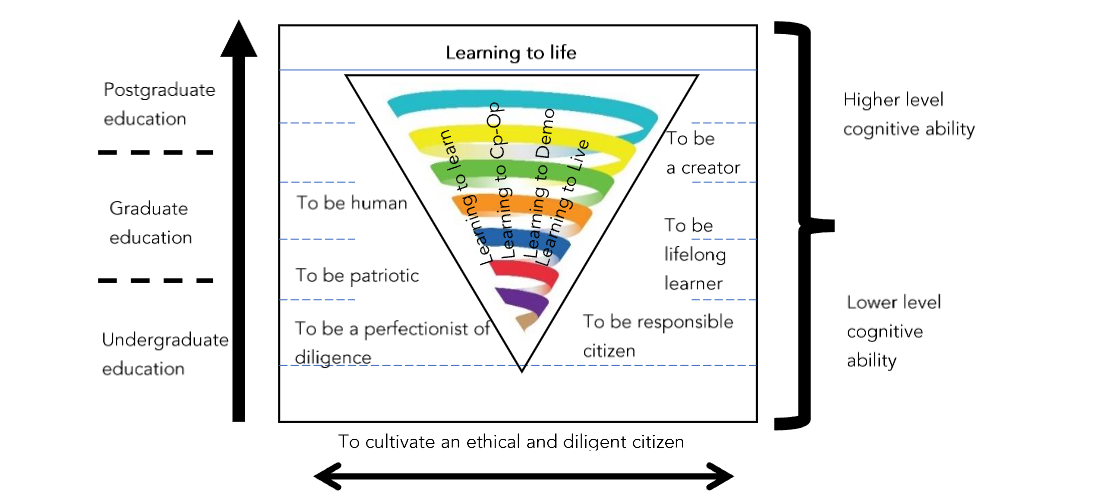
    In addition to medical training, the Mongolian National Standard Model includes a life skills education component, which aims to develop students as responsible citizens, creative thinkers, and continuous learners. This initiative is inspired by the wisdom of Mongolian sages, who emphasized the importance of studying life skills alongside academic subjects.


Figure 2: National Model for Studying Medicine and Life Sciences.

Figure 1. National Model for Studying Medicine and Life Sciences

The “Equally Full” model of learning, which is part of this initiative, emphasizes the development of life skills in parallel with medical education. Students are encouraged to become patriots, role models, diligent perfectionists, and responsible parents. This model is designed to be applied throughout students’ academic and professional careers, ensuring that they are well-rounded individuals who can contribute positively to society.

“A new training system for training doctors based on the Mongolian national concept” emphasizes the importance of participation, support, and cooperation from non-governmental public organizations in education services, in addition to academic institutions, which include all types of medical schools that provide medical education services in Mongolia. Evidence has shown that the multifaceted activities of the Mongolian Medical Education Association play a significant role in the dissemination and implementation of new ideas and advanced technologies accessible to all medical education institutions. The system highlights the importance of systematically developing and improving the quality of medical education in Mongolia at the national level.

The study identified several key findings:

  1. Service Quality: SERVQUAL results revealed persistent gaps across all dimensions, with assurance (-0.39) and responsiveness (-0.36) being the most significant in 2020. Tangibles showed slight improvement over time but remained below expectations.
  2. Curriculum Integration: The integrated curriculum, implemented in 2000, consists of 21 blocks combining theoretical knowledge with clinical skills. It has reduced subject duplication and improved coordination between theoretical and clinical training. However, gaps remain in fostering critical thinking and student engagement.
  3. Outcomes: Employment rates for graduates declined from 91.6% (1990–1999) to 73.6% (2020). Licensing exam pass rates also decreased, highlighting a need for improved preparation and assessment methodologies.
  4. Student Satisfaction: While the integrated curriculum emphasizes student-centered approaches, SERVQUAL results indicate dissatisfaction in areas like empathy and responsiveness, affecting overall service perception.


Discussion

The findings underscore the benefits of the integrated curriculum, including enhanced coordination between theoretical and clinical components and a shift towards public health and preventive care. However, persistent quality gaps suggest a need

for reforms in teaching methodologies, faculty development, and infrastructure. Comparing these results with existing literature, Mongolia’s challenges mirror those faced by other transitioning medical education systems globally. Studies from countries adopting integrated curricula report similar issues, such as resistance to change and resource constraints. Notably, student satisfaction is linked to faculty training and administrative responsiveness, areas requiring attention in Mongolia.

Limitations of this study include its reliance on institutional data and SERVQUAL’s subjective nature, which may not fully capture service quality nuances. Future research should explore longitudinal studies and incorporate broader stakeholder feedback.


Challenges and Future Directions

Despite the progress made in medical education at MNUMS, several challenges remain. Employment rates for graduates have declined, and the success rate of the medical license examination has decreased. Student satisfaction has not improved significantly, indicating a need for further reforms. Complaints and disputes in the medical field have also increased, highlighting issues related to professional ethics and labor laws. To address these challenges, MNUMS is focusing on improving the educational environment, increasing the proportion of teachers with doctoral degrees, and enhancing the quality of academic work.

Furthermore, MNUMS is committed to refining its approach to medical education by incorporating lessons from the past, learning from mistakes, and continuously striving for success. The university aims to use its internal resources to prepare medical professionals who are not only skilled but also embody the values of responsible citizenship.

• Strengths of the Integrated Curriculum:

○ Reduced redundancy in subjects and better alignment with healthcare needs.
○ Greater emphasis on student-centered learning and critical thinking.

• Challenges and Areas for Improvement:

○ Persistent gaps in service quality and graduate satisfaction.
○ Need for more effective integration of traditional Mongolian values and modern practices.

• Global Context:

○ Comparison with international medical education standards and best practices.
○ Insights from the Asia-Pacific Western Region’s medical education guidelines.

Conclusion

The Faculty of Medicine at the National University of Mongolia has made significant strides in developing a national curriculum that meets the needs of Mongolia’s health sector and aligns with international standards. The implementation of the Mongolian National Standard Model for Medical Training, along with the emphasis on life skills education, reflects a holistic approach to medical education that prepares students for both professional and personal success.

As MNUMS continues to refine its curriculum and address the challenges it faces, the university remains committed to producing medical professionals who are not only competent in their field but also responsible, creative, and engaged citizens. The ongoing efforts to improve service quality, enhance student satisfaction, and foster a supportive educational environment will be crucial in achieving these goals.

The reforms in Mongolian medical education represent a shift from purely academic training to a more holistic approach that integrates life skills and medical knowledge. Moving forward, there is a need for continuous development and adaptation to ensure that Mongolia’s medical professionals are equipped to meet both national and global healthcare demands. Strengthening the relationship between traditional Mongolian values and modern medical practices will be essential in shaping the future of the medical profession in Mongolia.

• Key Findings: The integrated curriculum has modernized Mongolian medical education, aligning it more closely with global standards while highlighting areas that require ongoing improvement.

prioritizing preventive healthcare, clinical skills, and holistic student development.

• Recommendations: Focus on continuous curriculum improvement, teacher development, and incorporation of life skills training.

• Future Directions: Enhance alignment with global standards while preserving national identity and cultural values.

Conflict of Interest:

None.

Funding Statement:

None.

Acknowledgements:

We extend our gratitude to the Mongolian National University of Medical Sciences for their support and collaboration throughout this research. Special thanks to the faculty members, students, and administrative staff who participated in and contributed to the development of this study.

We acknowledge the financial support provided by [Insert Funding Organization/Agency Name], which made this research possible. Additionally, we are grateful to international and national collaborators who offered valuable insights and feedback during the research and manuscript preparation process.

Ethical Statements
This study was conducted in accordance with the ethical standards outlined in the Declaration of Helsinki. Ethical approval was obtained from the Institutional Review Board (IRB) of the Mongolian National University of Medical Sciences (approval number: [Insert Number]).

As this research primarily involved curriculum evaluation and did not include direct interaction with patients or collection of sensitive data, no patient consent was required. However, surveys conducted with students adhered to strict confidentiality and voluntary participation principles. Written informed consent was obtained fr

 
 References:

1. It is called sman pa grwa tshang in Tibetan and Mamba Datsan in Mongolian pronunciation.

2. Sman-rams-pa (Tibetan term). Physician in traditional medical science; academic rank can be obtained in a medical monastic school.

3. Дашзэвэг Н. Монголын анагаах ухааны товч түүх. УБ, 1998

4. Dashzeveg N. A brief history of Mongolian medicine. Ulaanbaatar: 1998.

5. Bold Sh. Clarifying the development of traditional Mongolian medicine through source research [Doctor of Science dissertation]. Ulaanbaatar: 1998. p. 120.

6. Bold Sh. Clarifying the development of traditional Mongolian medicine through source research [Doctor of Science dissertation in Medicine]. Ulaanbaatar: 1998. p. 112-113.

7. Tsetsegdari T. Clarifying the characteristics of Manba Datsang and training [Master’s thesis]. Ulaanbaatar: 2017. p. 35-37.

8. Zulsetseg N. Mamba Datsang education system [Ph.D. dissertation]. Academic University of MU, Ulaanbaatar: 2020. p. 85.

9. Bold Sh. History of Mongolian medicine. Vol. 4. Ulaanbaatar: 2013. p. 258-259.

10. Altai. Interpretation of the underlying meaning of the “Root Tantras.” A complete explanation of the “Root Tantras.” Translated by Pan Norov, Usrelt. Inner Mongolian Script Printing Factory; 1989. p. 604-605.

11. Zulsetseg N. Mamba Datsang education system [Ph.D. dissertation]. Academic University of MU, Ulaanbaatar: 2020. p. 9-12.

12. Bolorsaikhan O. Evaluation of the program implemented at MNUMS [Report]. Ulaanbaatar: 2019.

13. Sumberzul N. Research works on medical education. Ulaanbaatar: 2017.

14. Lkhagvasuren Ts, Bolorsaikhan O. Development and new concepts of medical education for training doctors in Mongolia. Ulaanbaatar: 2021. p. 157-158.

15. Bolorsaikhan O, Otgontsetseg O, Purevdorj Ts, Dalkh T. Results of the service quality survey of the nursing schools. New Med. 2012;25-30.

16. Omboosuren B, Tseveenmyadag M, Tserendagva D, Purevdorj T. Quality gaps in educational services in state health colleges: viewpoints of students. Med Educ. 2012;46(Suppl. 2):10-11.

17. Uyanga B, Uranchimeg T, Oyungoo B, Bolorsaikhan O. Assessment of e-learning by combined evaluation method. MNUMS Academic Session 64. Graduate Training Branch Session; 2022.

18. Uranchimeg T, Bolorsaikhan O, Hardt W. Data processing based on the structure-oriented evaluation online tool from SERVQUAL model [CITDS2021]. 2021. DOI:10.1007/978-3-030-87034-8_32.

19. Bolorsaikhan O, Batzorig B, Myagmarchuluun S, Bayarmaa D. Human resource planning of HF until 2026 [Research report]. Ulaanbaatar: 2023.

20. Tumenbayar T. Analysis of cases registered in health care institutions in the last 3 years. Ulaanbaatar: 2021.

21. Altaisaikhan Kh, Altantsetseg T, Amarsaikhan D, Bolorsaikhan O, Lkhagvasuren Ts, Otgonbayar D, et al. Training model for doctors based on the Mongolian national concept. Ulaanbaatar: 2023. p. 206-209.

22. Otgonbayar N, Erdenebat P, Amgalan Y, Syarbayar S, Sarnai A, Namootsetseg B, et al. Developing soft skills training manual. Ulaanbaatar: 2020. p. 6.

23. Badarch D. Theory and methodology of higher education, paradigm shift, teaching and learning. Ulaanbaatar: 2021. p. 40, 108, 236.

24. Higher education quality assurance system. Ministry of Education, Culture, Sports, Science and Technology, Ulaanbaatar.

25. MUST, package training manual. Ulaanbaatar: 2021. p. 34, 149.

26. Badarch D. Theory and methodology of higher education, human capital, research and analysis, policy and financing. Ulaanbaatar: 2021. p. 66-67, 236.

27. Lkhagvasuren Ts, Altaisaikhan Kh, Altantsetseg T, Bolorsaikhan O, Oyungoo B, Sumberzul N, Khurelbaatar N. Mongolian Medical Education: the past, present and future Medical Research Archives january 2024, 11(12):1-47, DOI: 10.18103/mra.v11i12.4837

Most read articles by the same author(s)

Interested in publishing your own research?
ESMED members can publish their research for free in our peer-reviewed journal.
Learn About Membership

Call for papers

Have a manuscript to publish in the society's journal?